

 Apple Podcasts
 Spotify
 Billy Incardona - Part 1 (The Early Hustle — From Pittsburgh Streets to Poolroom Legends)
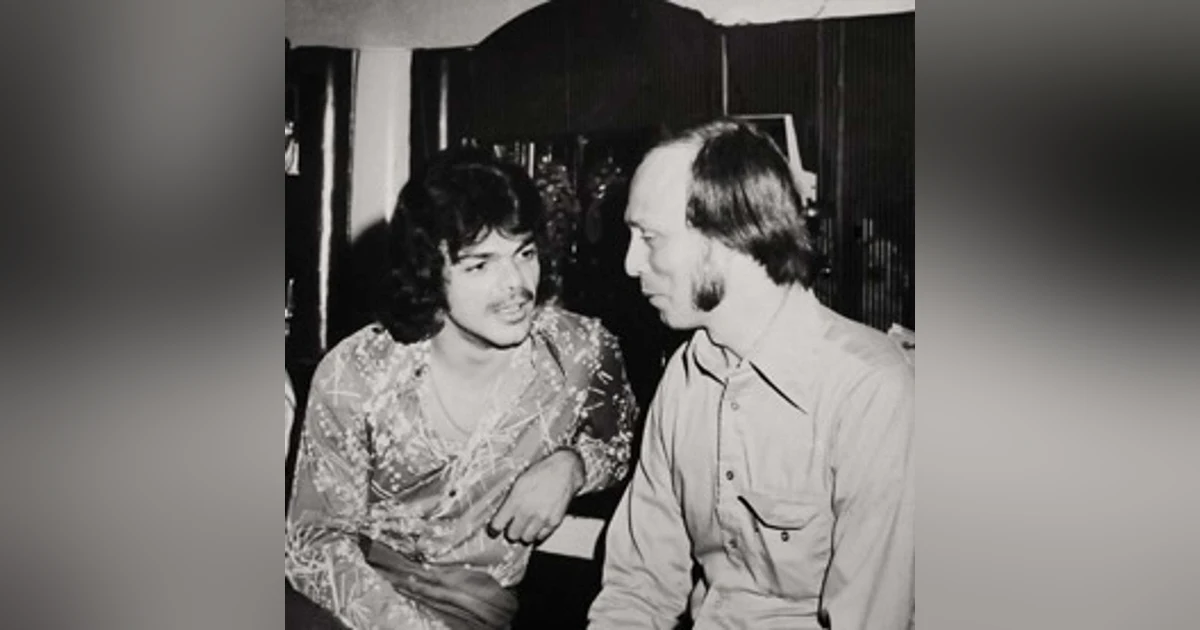

In this first installment of our six-part conversation with the great Billy Incardona — known to pool fans everywhere as “Nine-Ball Billy” and later the unmistakable voice of Accu-Stats — the Legends of the Cue team dives into the early years of one of pool’s most colorful and enduring figures.
Hosted by Mike Gonzalez, Mark Wilson, and Allison Fisher, this episode traces Billy’s roots in Pittsburgh, where a curious nine-year-old first discovered the magic of the game on a makeshift checkerboard table during recess. From that innocent fascination grew a lifelong passion — and a career defined by grit, gamble, and street-smart ingenuity.
Billy recounts his first games at the YMCA, his early taste of victory in youth competitions, and his unforgettable initiation into the gritty world of money pool when he unknowingly faced legendary hustlers Charles "Country" Martin and Cicero Murphy— the latter destined to become the first African American world champion in straight pool.
Listeners are treated to vivid snapshots of mid-century Pittsburgh poolrooms, family life shaped by a tough father and a loving mother, and the young hustler’s rise as a natural gambler with a mind made for odds, angles, and human psychology. Billy’s candor, humor, and charm shine through as he explains how “matching up” and “hiding your speed” weren’t just tactics, but a way of life.
This opening chapter sets the tone for an extraordinary life story — from humble beginnings and hard lessons to the mindset that made Billy Incardona one of the game’s most fascinating figures. Authentic, funny, and full of wisdom from a bygone era of pool, this is Legends of the Cue storytelling at its best.
Give Allison, Mark & Mike some feedback via Text.
Follow our show and/or leave a review/rating on:
Our website: https://www.legendsofthecue.com
Apple Podcasts: https://podcasts.apple.com/us/podcast/legends-of-the-cue/id1820520463
Spotify: https://open.spotify.com/show/4Za0IMh2SeNaWEGUHaVcy1
Music by Lyrium.
About
"Legends of the Cue" is a cue sports history podcast featuring interviews with Hall of Fame members, world champions, and influential figures from across the world of cue sports—including pocket billiards, snooker, and carom disciplines such as three-cushion billiards. We highlight the people, places, and moments that have shaped the game—celebrating iconic players, memorable events, historic venues, and the brands that helped define generations of play. With a focus on the positive spirit of the sport, our goal is to create a rich, engaging, and timeless archive of stories that fans can enjoy now and for years to come.
Co-hosted by WPA and BCA Hall of Fame member Allison Fisher and Mosconi Cup player and captain Mark Wilson, Legends of the Cue brings these stories to life—told in the voices of the game’s greatest figures.
Join Allison, Mark and Mike Gonzalez for “Legends of the Cu...
I'm gonna say looking back on our early interviews, we're gonna look back on this one as one of the most fun we've ever done.
Allison FisherI think this is gonna be a really great interview that everyone's gonna enjoy. This gentleman has been around for many, many years, been not seen it, done it. And I'm gonna pass it over to Mike to introduce Pittsburgh Billy as a little clue.
Mark WilsonWhen I began Pool in 1973, legend had it that nine ball Billy was the best. Later he became the voice of Acustats. Legends of the Q is proud to introduce our guest, Billy and Cardona.
Billy IncardonaWell, thank you, Mark. So I guess we're gonna start off with when I first started playing pool. Let's go a little beyond that. When actually I didn't start out playing pool at this time. But this is how I got introduced to the game. I was about eight or nine or ten years old. I really don't remember how old I was. And uh we had a recreation period at a at a at a ballpark from our school. We would we would walk up to the park and we would play different games in the park. And one particular game we were we were playing was it was like a checkerboard pool table with little round checkers as disc as pool balls. And I never played pool before. I was eight or nine years old. Of course, I hadn't played before. And uh I was really mesmerized with it. So I started to play the game. And you know, I was like I had a knack for it. I kept hitting the checkers into the pocket, into the pocket, into the pocket, and all the other kids were, you know, they were really impressed with it. You know, so I said, you know, this is pretty cool. So that's exact actually how I started out playing sort of like pool. So, but let me let me fast forward now to uh what I was about I guess I was maybe 12 years old. I was playing at the YMCA. I started playing uh against other kids in my age group, and it was a team competition with four kids on a team. Our team won first prize, a trophy, and I was I was the best player on the team at that time. I I knew at that time I knew I wanted to continue playing pool because I liked the way I felt. I enjoyed competing, playing the game I loved. And as the years passed, I developed a strong game as I traveled around Pittsburgh playing our best players and developing a reputation as a as a pretty young, talented player. Let's let's fast forward to I was like uh eighteen years old now. No, I was seventeen actually, it was uh 1960, I was seventeen years old. I was playing in a pool room in Homestead, Pennsylvania, which was across the bridge from Pittsburgh. And I was a pretty good player at 17. I was playing I was playing against a w one of the local players for two dollars a game, and two African American gentlemen walked into the pool room. I didn't know who they were, but later on I found out. Anyways, they came in and they they asked the uh the uh the fellow that owned the pool room if there's anyone in there that liked to play five hour nightball. And so the the the guy that owned the pool room, his name was Manuel, he really liked the way I played. I was 17, like I said, I played pretty good at 17. So he said maybe he'll play some. So one of the African American gentlemen walked over to me and said, Would you like to play my friend 5 hour nightball? And I says, Well, okay, you know, little did I know that the guy that came over to me, his name was Country. Have you have anyone ever heard of Country?
Mark WilsonYes.
Billy IncardonaAllison shaking her head. Okay, let me tell you about country, okay? Country at that time is probably well, I was like 18 or 17. He probably was 27. He was the best black hustler pool or gambling has ever known. And I didn't know this. And the fellow that was with him, and I'm sure you remember this name, was Cicero Murphy. Oh my. Yeah. I didn't know neither one of them, neither one of them. I didn't know Cicero, I didn't know country, so I said, okay, let's play. So we played. The pool room had to close at 12 o'clock, and it was very strict on hours there because the police was monitoring all that at that time. And when the clock struck 12, it that was the last rack. And so we played we played about four hours, and at the end of four hours, we were dead even. And it was 12 o'clock. And so Manuel said, That's the last rack. I said, Okay, I I think I won the last game to get even. So Funday came up to me and he said, That was a really good, good shooting, kid. He says, We really enjoy playing you. He says, We have to leave now. We probably won't be back. And I said, Okay, that's fine. I said, that's wonderful. That's cool. But ever since then, anytime I walk I bumped into Cicero or Country, it was this you know, this this respect that we had for one another. And it went up went on for years and years and years. And uh, as you know, Cicero became the first African-American win uh uh player to win the uh the straight pool, uh World Straight Pool event. And country, well, he moved slow and deadly and went on to be recognized as the smartest backer player, hot slurred playing all games, including pool. He was inducted into the one pocket hall of fame for a lifetime of pool in action in 2017. I have another country story I'll share with you later on, but uh that was my introduction to Cicero and Country.
Mike GonzalezYeah, good. Well, listen, I'll tell you what, Billy, you you've set a record for our guest now because at the three-minute mark, you were already a teenager, so we're gonna slow you down and drag you way back to early days growing up in Pittsburgh. Okay, so uh you you you you grew up in Pittsburgh. I mean, you're born there, right? And and spent a lot of your early years there. Tell us a little bit about what life was like as a kid, your earliest memories of your kid, your folks, your upbringing, your household, you know, what what what was going on at that time?
Billy IncardonaIt's I don't know, it's so clouded, Mike. You know, like I said, my recall was really bad. I had a a brother by the name of Frank, Frantone was his actual name, and my sister, Mary Jo, who passed at at the age of 50, and my brother passed two years ago. We were we were very, very, very close. And being the middle child, it was it was like they were both against me because I was a middle child. And my sister, who was the youngest, was was kind of like jealous of me, and my brother, who was the oldest, was kind of jealous of me as well, because you know, I stole his I stole his flowers when I was born. And uh but anyways.
Mike GonzalezWell, you were you were probably you're probably the best looking, you're probably the best athlete, you know.
Billy IncardonaI wasn't the best looking. I just I I don't remember what happened to my my life when I was growing up. I really don't, you know.
Mike GonzalezIt's well how about how about your folks? Because your dad was named Fran Tone too, right?
Billy IncardonaNo, my dad was named Frank.
Mike GonzalezYeah, okay.
Billy IncardonaAnd my my my uncle Tony was my mother's brother, and they named him after my dad and my uncle Tony, so they called him Frank Fran Tone. Fran for Frank and Tone for Tony.
Mike GonzalezYeah, okay, okay.
Billy IncardonaAnd my brother was he he he was a really a good athlete. He when when he went to school, he had the uh the 40-yard dash, he uh he set the school record for the 40-yard dash. And we went to a school, there was a lot of black black kids in our school, and he was the he was the fastest runner in in our school. I was really proud of him. One time in particular, which I'm really embarrassed to say this, and I and I really really feel bad about it. I owned a pool room in Pittsburgh. Oh yeah, that was wrong. I was like 21 years old and 22. And there was a kid by the name of Rick. He was uh five foot seven, but he was really a fast runner. And he was sort of like Chubby, and everyone was really high on how well fast he was. Now, my brother I know was a was a fast runner. And so they were saying to they were saying to my brother, hey, you think you're fast? We got a kid that can beat you. His name is Rick. We'll bring him over here if you want to raise him, you know. And I said to my brother, he's really fast, Frank. I called him Frank. I uh he's really fast, Frank. I don't know if you can beat him, which I'm really embarrassed to say this because how can I not show loyalty to my brother, right? Yeah, really. So so so they brought Rick into the pool room. He said, Yeah, let's go outside. We'll go from the street light to street light, which was about 50 yard, you know? And so, and we'll bet five dollars. So I says, I don't know if I want to bet $5 on your frank. So I he he says, Oh man, he said, okay. He said, You want to race for nothing? And and Rick says, Well, okay, I'll race you for nothing. So they lined up and they raced 50 yards, my brother beat him by 10 yards. Oh my god. I felt I felt like a heel, you know what I mean? Because my brother loved me and I love my brother. He liked it bet on me playing pool. At least I could do it bet on him playing the footprint. I mean, that that was really that's always stuck with me, and I I felt bad all my life because I didn't show the loyalty that he deserves and earns. Yeah.
Mike GonzalezYou left uh you left five dollars at the starting line. Five dollars. Oh so tell us about your folks. That your dad and your mom was named what, Mamie?
Billy IncardonaMy my mother's name, Mamie. She was a wonderful lady. Uh my father's name is Frank. He was somewhat okay.
Mike GonzalezSo so what do you mean by that? What do you mean by that?
Billy IncardonaUh because he he he really disciplined more than more so than love. He was all about discipline. And he he wasn't really nice doing it either. Okay. And uh I mean he threw me out of the house many times. Many times for really stupid reasons. You know, uh he put me on the back he threw me out of the house, and I used to climb up over the on the back porch and sleep on the glider. My mom would let me do that because you know she loved us so much and she wasn't particularly happy about how he treated us.
Mike GonzalezSo mom was the one that always stuck up, stuck up for you, huh?
Billy IncardonaYeah. Especially me, because I was the one that was I was a little more aggressive than my brother or sister. And I did did more, you know, I did more outrageous things. But I slept on the back porch a lot of times. And so he uh he was a gambler. He he was he he he he ran uh he ran a racket called the numbers. He was booked the numbers. You know, you ever heard of that? Mark, can you explain that what the numbers did?
Mark WilsonWell, a lot of times they based it off of you know how uh like what the stock market finished or something. It was just a number thing, and you would make bets, and then then they would have different payoffs, and there was people that ran it and got a commission. That was and and as far as the discipline with your father, that was just the way it was back in those days. It was a much harsher life back then. So in some ways, uh you know, I used to think of my own father sometimes as General Patton. But then I look back now and I'm grateful for what he did because he knew he wasn't gonna be able to leave me a million dollars, but he didn't need to teach me how to work and carry on. And I think maybe your father loved you in that way of teaching you what he thought was proper behavior.
Billy IncardonaWell, exactly right, what he thought was proper.
Mark WilsonYeah.
Billy IncardonaWhich was didn't necessarily was proper. No. No. Nice time monk.
Mark WilsonWell, no, my do, you know. I used to think of dad as general pet.
Billy IncardonaAnd you also said that's the way it was back then. That's the way it is today to a degree, but to the degree of the what it was back then was more than so than it did today, but nearly as much as what he showed. Okay.
Mark WilsonYeah, yeah.
Mike GonzalezSo what else what else did you do as a kid? I mean, did you do other sports growing up as well?
Billy IncardonaI just played pool. You know, I didn't do any sports. I just played pool, went on the road with a lot of different players.
Mike GonzalezUh so what was the attraction to you early on to the game, uh, just as a young guy, you know, 10, 11, 12, what?
Billy IncardonaYou know, from the from the from the YMCA to uh when I was like 12, 13 years old to when I was 17. I used to play a lot of pool, uh Bod pool room in downtown Pittsburgh. I played a lot of pool, I played a lot of players, you know, and I have a lot of stories about them that I would like to share, you know, because my my younger life, you know, typical. I had a girlfriend who I could say hang out with a lot, you know, and she was she was loving my life, actually. She moved to Chicago, which I eventually went up to to visit with her and and uh spent a lot of time with her up there as well. But as the years passed, you know, we we like we lost one another as the years passed.
Mike GonzalezYeah.
Mark WilsonBilly, you've always been a go-getter in life, and to own a pool room at 21 years of age, I mean, that would just be you. You you would blaze the trail. Uh other 21-year-olds are still, you know, trying to figure their way out in life, and here you are already got a uh uh business going on. So talk a little bit about that.
Billy IncardonaWell, I didn't really know what I wanted to do, you know, but I I know that I that I love pool, and uh I opened up this pool room actually uh about a block away from a second-story pool room that was the biggest pool room in downtown Pittsburgh, and I took a chance and opened it up. And uh I had all Gandhi tables. I had Gandhi's uh three cushion tables and Gandhi four and a half by nine tables. And a lot of players came to my room, but they were but they were really uh accustomed to playing this other room. And it was a challenge to me to continue with the with the business because it was it I was I was going up against the ghost with the with the other room.
Mark WilsonYeah.
Billy IncardonaOkay. And uh I treated my customers really great. They loved me and they supported me to a degree which wasn't what I needed to continue with the business. It lasted about a year, and then I had to close it up.
Mike GonzalezYeah. Well what was the name of the other hall?
Billy IncardonaThe name of my business was Billy the Kids.
Mike GonzalezAnd and what about the other one that you competed with? What was the name of it?
Billy IncardonaIt was the oh, what the heck was the name of it?
Mike GonzalezThere was one that you you might have played in uh called the Hawk's Nest.
Billy IncardonaOh, that's when that was later on. That's at Squirrel Hill. Gotcha. Yeah, that's that's when I was uh in my in my twenties.
Mike GonzalezYou know, when you took to the game, you would have been a little too young to get into billiard parlors, so you probably had to be content playing at the YMCA for a while, huh? Or did you sneak in?
Billy IncardonaNo, I snuck in. I snuck in. I have a story about that too. I snuck in, yeah, you're right. I loved playing pool. You know, when I was 15 years old, there was a my neighbor was a it was like a handyman, but he would he had he was a hard worker. He did the construction work, he laid cement, you know, he did the he he he fixed roofs and stuff like that. So I was his helper. And he he would pay me $2 a day. I would carry the cement buckets and the bricks up at when he was laying brick, whatever. I would do all the hard work, you know. But I was okay with it. So it was one time that we we went to Brad at Bradford, uh Pennsylvania, which was about a 15 or 20 minute streetcar drive from from where I lived. And across the street from from the from the work site was a pool room. So on the on our lunch break, we had about a 30-minute lunch break, I decided to go over to the pool room to see what was happening, because I love pooling, you know. And so I walked in there, I was only like 14 or 15 years old, and I knew I was too young to play. So there was a couple guys playing pool there, and I said to them, I'd like to play some pool here. Is there a chance that we play pool here? And he said, You want to take a couple shots? You can take a couple shots. So I took a couple shots and I was there, I impressed them enough to where they said, you know what? Let's talk to him. I think he'll he'll let you play. So we talked to the owner, and the owner said, Okay, he can play. So I was playing here. I used to take a streetcar. After I ate dinner at six o'clock, I used to run down and take a streetcar, a 20-minute streetcar drive to the pool room, play an hour, take a streetcar back, and be back by eight o'clock. I did that for several months, you know. And that was that was one of the times when I waited really sneak in and I was invited in after. Yeah, yeah.
Allison FisherYou obviously had a real passion for the game, but when did you realize you had a good talent for it?
Billy IncardonaWell, I when I played Cicero in in in Homestead, you know, I didn't know how good I was. You know, I never played anywhere but Homestead, and that was just right across the bridge from Pittsburgh. All I know is I beat everybody that I played, you know, when I was 17 years old.
Mark WilsonYeah.
Billy IncardonaAnd uh I realized that, you know, I enjoyed the game and I I became I had a passion for the game because I enjoyed playing, because I I was getting good results, you know, and I was proud of the way I was playing.
Mike GonzalezThe first thing I want you to do for our young listeners, please help them understand what the heck a streetcar is, would you?
Billy IncardonaUnless you're trying a streetcar is like a butt on rails. Yeah. Okay. It's it's it there's rails in the street where the wheels of the streetcar that are iron or whatever metal they are, they go into these rails and they go around the city. You know, and when you get on, you're gonna pay like a nickel to get on the streetcar. You can get a transfer for another streetcar if you have to go do a dense sedation. Well, that streetcar doesn't necessarily take you to, and you get it transferred to another streetcar. Fortunately, I didn't need to transfer because the streetcar I took took me right to the pool. Yeah, that works. That's what a streetcar is. And in San Francisco, the old trolley cars, that's they're streetcars. If you if you look in San Francisco, you're on the hill, they can see the streetcars going up and down the hills and stuff. Yeah. I don't know if you see any ads like that anymore. Yeah. But that that's a streetcar.
Mike GonzalezSome of them run, uh some of them are connected to wires above and some of them are not, but they run on rails.
Billy IncardonaThey're connected to wires above, yeah.
Mike GonzalezYeah, yeah. Yeah. So I I've got to ask you this. As a young guy, you know, you're you're in the pool room, you're developing your game. As you say, you have a passion for the game, you're really loving it at this point. Is it fair to say you probably didn't have a plan B?
Billy IncardonaI didn't. I didn't. But I did a lot of things well, you know, like I played really good cards, I played good game, I played a lot of games really well. You know. I played real good pinnacle, I played good Jin Rummy. Good, but I played excellent pinnacle. I was a very, very good pinnacle player.
Mike GonzalezAnd what do you what do you attribute that to?
Billy IncardonaI don't know. I just I don't know. I'm just my mind, I just I I it just works with with certain games, you know. You know, I like I just I figure things out, you know. I just uh I can figure things out, you know.
Allison FisherAgain, again for the listeners, what is Pinakle? I've never heard of it.
Mike GonzalezOh yeah.
Allison FisherI might have missed out here in life.
Mike GonzalezWe played that in Southern Illinois, I'll tell you that.
Allison FisherWhat is Pinakle?
Billy IncardonaPinakle is a card game. You can play two-handed pinockle, you can play a f uh uh four-handed game, four-handed pinockle, you know, with a partner as your partner playing against two other players. Okay. It's it is it's it has suits, uh, hearts, clubs, diamonds, and spades. And uh every every card is ranked, like like the like the ace is the highest, and King, Queen Jack, and so on. And then you you try to beat, well, it's a very complicated game to explain. Yeah, yeah.
Allison FisherThat's all right.
Billy IncardonaSo it's a card game, and it's a if you want to Google Pinochle, they'll give you a good understanding of the game. But I was an excellent pinnacle player, and I used to play in in in a Jewish area, Pinnacle, and I was running, I was like one of the best pinnacle players there. And I'm playing the playing older Jewish guys that are 40 and 50 years old. You know, they spent their life playing Pinochle.
Mark WilsonYeah.
Billy IncardonaAnd I was like, I was like a great player, you know. And I played uh I played as a part of with a lot of mob guys because they liked the way I played and they wanted to put me in action, and they took me as their partner, you know? And I got a lot of mob stories that I I don't want to tell talk about, but that that's how I grew up, you know. I grew up.
Allison FisherSo you're making a living playing cards and pool.
Billy IncardonaPlaying cards and pool and different things like that, yeah. Yeah, that's how I made my living, yeah.
Mike GonzalezWell, you know, you you I've I've heard you, Billy, even yesterday when We were talking, describing yourself as a lifelong gambler. But again, for our listeners, what does that really mean? What does that look like? What does that feel like to call yourself a gambler? What what does that look like every day?
Billy IncardonaEverything is about percentages with me, you know. And and I base that off ever uh percentages off everything, you know. I look at something, I evaluate it, and if I like it, I'll gamble. And I try to develop an opinion on everything in gambling, you know, like a coin flip or uh, you know, the odds on flipping three consecutive heads and stuff like that. I know all the odds on everything, you know. I I know the odds on dice and different propositions, you know. I I studied it a lot. And uh and I'm just a gambler, you know. I mean, I mean I I go out and I encourage people to gamble, you know, and playing pool. I was a gambler.
Mike GonzalezYou had a real knack for managing the game before the game, you know, doing the proper matchups, as you say, assessing the odds, assessing the possibilities, and putting yourself in a position to get that little edge.
Billy IncardonaExactly, yeah. Yeah, and because I was a realist, I understood exactly how well I played. I didn't try to overestimate my ability. I matched up accordingly, and I always played with a little bit the best of it all the time. And it it all depends on how you present things to get to get the game you want, you know. If you know what to say to hide that little edge that you have that they don't know, you can you can match up well. You know, and that's just the way it is. I mean, I I had the knack of knowing what to say and how to match up well, and how to make my customers enjoy playing.
Mike GonzalezYeah, so so give our listeners a little insights into the term you're using, matching up. What does that mean?
Billy IncardonaMatching up is is uh is putting yourself in a position to win uh in pool, you know, or any game. When you match up, that means that, hey, Allison, you want to play me some? No, you play too good for me, Alison. I haven't played in years, you know, and I know that you were probably the greatest Primo player of all time. And I commend you for that, and I really respect you for that. So if I was to play you, but I know it's hard for you to play you, I would probably need a little bit of a handicap. And you probably would maybe a little reluctant to give it to me, but you would be you would be sorry if you didn't. That's all I can say. You can ask around.
Allison FisherSuck him in now.
Billy IncardonaWell, you can you can ask around. I haven't played pool in 20 years or 15 years, or whatever I say, you know. Right arm. That's try, that's matching up, trying to try to get matched up to play. That's what matching up is.
Mike GonzalezI'll speak for our listeners. It must have been a beautiful thing watching you in your prime.
Allison FisherIt was agreed. It's a trauma.
Mike GonzalezMatter of fact, I love myself. And as you said, as you said, getting your opponents to love playing you and losing to you, right? Oh, I loved it.
Mark WilsonBut Billy always made it fun. That's the thing that was different.
Mike GonzalezI was I was almost full of yeah, but you want to leave them just enough to where they come back for more, right?
Billy IncardonaOh, yeah, yeah. And there's an art to that as well, you know. Like I said, you you gotta make them like you when you're playing. You can't be arrogant, you can't be, you know, you you gotta show compassion when they do something wrong, you know, what the heck that would happen. That things happen like that, you know. I mean, when they cry about their bad roles, the ball rolled off, or it skidded. I saw it. I mean, there's little things that you implement into the into the format of winning.
Mike GonzalezYeah. How would you typically try to hide or or or or not not display your full pool capabilities and give your whole game away? Didn't you typically try to hold something back, maybe Absolutely.
Billy IncardonaAbsolutely. That's what's called hustling on the road, okay? Uh whenever you hustle, you know you're the best player. At least you feel you are. So therefore, when you go into a game, you never show your true speed. You never show your true speed. You always play under your speed. Based on the information that you gathered going into a per certain place, you determine what kind of speed you're going to open up with. Okay? But you never uh show your true speed.
Mike GonzalezWhat does that look like exactly? Is it the form you use? You use a wacky stroke, you just miss the occasional ball that's a good miss. How do you do that?
Billy IncardonaWell, you you got you get the nose on the head, uh, Mike. There's a lot of different ways you can hide your speed, you know, depending on who you're playing. If you're playing like a real sucker and he doesn't know anything about you, or doesn't know really much about pool, you really you you you're gonna you're gonna look like you're you know you're like a retarded, you know. Apologize for that. But you're gonna look like you really don't know how to play, you're gonna hold your cue, you know, with an unorthodox grip and everything. You're gonna do a lot of deceiving things that's going to fool him, or at least hope you hope it will. But but I very rarely did that. Very rarely did that. You know, I always I always really played my play the speed below what I play what I play, obviously, and then manage it from there, depending on the results I was getting.
Mike GonzalezYeah. And and that that might be a two-way miss where you miss a ball, but you know you're not leaving the guy anything.
Billy IncardonaYeah, yeah, yeah. You can do that too. Whenever you become an accomplished player and you understand, you know, the percentages of of the outcome of certain shots if you miss or make or whatever, you can use that as as a way to get the extra shot without him realizing you're good.
Mike GonzalezYeah, yeah. Yeah. So at at what age did you know, okay, this is my this is my livelihood. This is how I'm gonna put bread on the table.
Billy IncardonaI never thought about putting bread on the table.
Allison FisherI just thought maybe he didn't like bread.
Billy IncardonaHe loved bread, I'm sure. I just wanted to play a a game that I love playing. And and winning money was a cream but the cream on the cake, yeah. It was I never thought that I was gonna be wealthy or rich from pool. Okay. It was something that I was doing, and I always knew that I would probably do something else with my life. I didn't know what, but I knew that I would figure something out. Okay? And that's what I did as I got older. I figured things out. And I didn't play pool all my life. I played did a lot of different things in my life. You know, so but but pool to be honest with you, pool was my passion. I mean, I would rather play pool than do anything. Unfortunately, today I can't play pool anymore because I can't walk around the table. Uh bad arthritis in my back, and I can't play anymore. And that's what's that's what's really bothering me today, you know, because in my age I really can't do much. And pool was something that I really miss.
Mike GonzalezYeah. Well, how many people get to say that that they did something I love most of their life? Not many. No.
Billy IncardonaNo, not many. But like I said, I did a lot of other things in my life, you know. Uh in in the sports, in in cards, in different forms that uh I won I won quite a bit of money that unfortunately I was able to to do the things I wanted to do with my life because of the money that I won when I was younger.
Mike GonzalezYeah. You're playing pool, you're developing a pretty sharp game, you're gambling a little bit. Uh how old were you when you decided to compete in tournament type play?
Billy IncardonaOh, I was probably 20 years old, 21, 22, you know. I really never wanted to was a tournament player. I was a hustler. You know, I was always a hustler. Never, never a tournament player, like Jim Jimmy Rempey and Buddhie Hall and Mike Siegel and all those guys were tournament players. I wasn't a tournament player, I was a hustler. And and I really didn't enjoy playing in tournaments, you know, because uh it was too tough of a game to compete against all those champions, you know. It was just too tough on me. I didn't feel comfortable playing in tournaments. I wanted to play for hours and hours and hours. I didn't want to play for for for uh 45 minutes or hour and a half and to decide a winner. I wanted to play all night to decide a winner, you know. So I had that block, that mental block that I don't like. And so that bothered me. When I played in tournaments, I didn't play my game. I didn't I I I couldn't play my game because I was preoccupied with it's not fair that I'm not getting enough time to show my my skills, this and that. So therefore, I actually hurt myself with that sort of a mindset. But I tried not to play in a lot of tournaments. I played maybe in my entire life, I may have played maybe 20 tournaments.
Allison FisherWow. So the rest of the time you're hiding your skills, so it's difficult to bring your skills to the table, your proper skills.
Billy IncardonaWell, that's that's true too, you know. I just didn't have uh the tournament mentality. I didn't have it.
Mark WilsonYou know, but to be fair, when you began in pool, there really wasn't tournaments. So we didn't have a tour until many years later. Right. We had two, exactly.
Billy IncardonaThere's two tournaments a year. There was a Stardust in Las Vegas, and there was a Johnson City tournament. Those were the two tournaments back in the day. And uh I played in the Stardust tournament about four or five times, and I played in Johnson City about four or five times, six times, you know. And uh other than that, you know.
Mark WilsonBut everything was gambling back then. But we used to travel from town to town and play the best players and and and get action. You could. It was it was a different time. There wasn't media coverage, and you could travel and make a small, meager way to get by, but it was more the gunfighter fun challenge. Am I better than this guy? And and you know, in the various little communities.
Billy IncardonaIt was really a it was an ego trip. It was by better for whatever reason, you know. And uh you really had a at that time there wasn't any internet, there wasn't anything that would give away your identity in any way. Therefore, the the the billiard news was the only form of uh new billiard news for for players at that time, you know. Yeah. And if I could I could hustle for six months and nobody knew who I was. Nowadays you can't everyone know who you are. You can't go out there and hustle anymore. That's what killed the hustling. Is is it's you know the you know the accessibility to all to watch all the tournaments and the uh the great players. Back then there were there were great players, but they were all role hustlers.
Allison FisherThat's interesting, isn't it? It's total opposite to what I grew up with. I grew up watching it on television and have mentors and people I looked up to. So it's a completely different. This is good, good that you brought that up, Mark. Did you have any mentors or people that sort of helped you along the way?
Billy IncardonaYes, I did. I had uh Eddie Kelly was my mentor. And Eddie Kelly was a great player. He was a great all-around player because he played all games extremely well. Uh you know, top n top shelf play in all games. Eddie Kelly played great straight pool, one pocket, and nine ball. Well, he didn't have a weak game. And I used to play in my I I owned a home in in uh in Las Vegas in my home, my house, the uh four and a half by nine goal crown. And uh I uh uh Kelly used to come up and we used to play all the time. He taught me how to play one pocket. Not really, but he taught me you know the intricacies of the game and what to and not what not to do as we played, and he really helped my game a lot. And nine ball, he you know, I play I always played good nine ball, but one pocket I didn't play that good because it was a as a game that was really new to me, and I didn't uh didn't play it well. I start playing it well later in life. Yeah, especially Kelly was my mentor.
Allison FisherThank you for listening to another episode of Legends of the Cube. If you like what you hear, wherever you listen to your podcast, including Apple and Spotify, please follow, subscribe, and spread the word. Give our podcast a five-star rating and share your thoughts. Visit our website and support our full history project until our next golden break with more Legends of the Cube. Still long, everybody.
Pool Professional
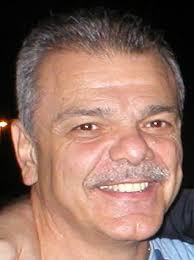
Billy “Pittsburgh Billy” Incardona is one of pocket billiards’ rare, enduring hybrids: a feared action player with a surgeon’s understanding of one-pocket, a nine-ball force from the era when road men wrote their own rules, and, later, the unmistakable broadcast voice who helped teach the modern world how champions actually think. Born December 2, 1943, and raised in Pittsburgh, Pennsylvania, Incardona’s story is inseparable from the gritty romance of American poolrooms, places where talent mattered, nerve mattered more, and reputation was currency you guarded as carefully as the cash in your pocket.
On our Legends of the Cue six-part series, Billy takes listeners back to the origin point: a kid’s fascination that becomes an obsession, and then becomes a life. He describes those early days in Pittsburgh, learning at places like the YMCA, soaking up patterns and angles, and quickly discovering that pool wasn’t only a game of balls and pockets, but a game of people: who’s watching, who’s talking, who’s under pressure, and who’s pretending not to be. That “people-reading” skill becomes one of his defining traits. Billy wasn’t just learning how to run racks, he was learning how to "match up", how to hide speed, and how to control the emotional temperature of a room.
Pittsburgh in those years was fertile soil for that kind of education. The city produced tough players and sharp minds, and Billy grew up in an environment where pool culture was both competitive and intensely social, where you could learn a world-class lesson simply by keeping your mou… Read More