


Billy Incardona - Part 5 (Hustlers, High Stakes & the Golden Age of Pool)



In this fifth installment of our six-part series with legendary cue artist and road warrior Billy Incardona, listeners are treated to a vivid journey through the smoky, cash-fueled pool halls of America’s golden era. With trademark candor and humor, Billy recalls epic encounters with some of the game’s most colorful—and notorious—characters, bringing to life the grit and glory of a bygone hustler’s world.
From a wild high-stakes showdown with Weenie Beanie in Detroit to his induction into the One Pocket Hall of Fame, Billy’s storytelling captures both the thrill of victory and the sting of loss. He paints unforgettable portraits of poolroom legends like Artie Bodendorfer, the quiet Chicago genius who outsmarted opponents and bookmakers alike, and Cuban Joe Valdez, the proud Miami jeweler whose temper and toughness were matched only by his love for the game.
Billy also remembers Bunny Rogoff, the Pittsburgh hustler who could sell any act—from truck driver to Charlie Chaplin—and who once turned a near-shootout into a tale for the ages. Alongside co-hosts Mike Gonzalez, Allison Fisher and Mark Wilson, Billy reflects on the vanished romance of the road, when every poolroom was alive with characters, wagers, and whispers of easy money.
Today’s players may have lost that mystery, he says, but the stories remain—and in Billy’s hands, they shine as brightly as ever.
Join us for a captivating trip down memory lane with one of pool’s great storytellers, as he celebrates the brilliance, bravery, and beautiful madness of those who lived and played for the love of the game.
Give Allison, Mark & Mike some feedback via Text.
Follow our show and/or leave a review/rating on:
Our website: https://www.legendsofthecue.com
Apple Podcasts: https://podcasts.apple.com/us/podcast/legends-of-the-cue/id1820520463
Spotify: https://open.spotify.com/show/4Za0IMh2SeNaWEGUHaVcy1
Music by Lyrium.
About
"Legends of the Cue" is a pool history podcast featuring interviews with Pool Hall of Fame members, winners of major championships and other people of influence in and around pocket billiards. We also plan to highlight memorable pool brands, events and venues. Focusing on the positive aspects of the sport, we aim to create and provide an engaging and timeless repository of content that listeners can enjoy now and forever. Co-hosted by WPBA and BCA Hall of Fame member Allison Fisher, Mosconi Cup player and captain Mark Wilson, our podcast focuses on telling the life stories of pool's greatest, in their voices. Join Allison, Mark and Mike Gonzalez for “Legends of the Cue.”
How about Weenie Beanie? Now he was a gambler. I don't know if he's a card player, but he was a pool player. He was a gambler, wasn't he?
Billy IncardonaBut yeah, he gambled at poker. He gambled at cards. Jin Rummy. He played everything. He played everything.
Mark WilsonDid you guys play one pocket, Billy?
Billy IncardonaI played him nine ball. I played a lot of one pocket. I played him nine ball in Detroit at the rack. It was a kind of a fun cool, pretty cool story. I played him nine ball night. And they were bet big, big, big money. And I think he ended up losing like a hundred thousand. And Romberg was a black pool player out of Chicago to play excellent bang pool and played really good one pocket. But not as good one pocket as he played bang pool. But Winnie Beanie thought he could beat him playing even one pocket. And so he would they would Weenie Beanie was betting Jones was a big drug dealer in Detroit. Big, big drug dealer. And they were playing for big money. They played for like four solid days. And Weanie ended up losing like a hundred thousand. So Weenie Beanie had his nose open. He was emotionally upset. He was on tilt. So Phil Hubbard was a friend of mine from um in the Baltimore area that said to Beanie, why don't you match up a game a nine-ball game with Billy? Because he wanted to aggravate Beanie into playing me because he knew Beanie was on tilt.
Mark WilsonYeah.
Billy IncardonaSo Beanie says, I don't know. Uh he says, Well, uh and then Phil said he'll give you the eight and nine. Okay. So there's no way Beanie could beat me with the eight and nine, but Beanie didn't understand that, you know, good he really didn't, and he should have. So he says, Okay, what do you want to play for? So Phil said, we'll play a thousand a game, a couple thousand a game, whatever you want to play for. So Beanie said, I'll play him some thousand a game. So I said, So he I said, Okay, let's play. So we start playing, and I start beating him, and I was beating him and beating him. So I don't know how much hours I hit. I was hit maybe ten thousand or something. So Beanie said, I can't play anymore like this. I'll take the seven. Well, I would have given him the seven to start with. You know what I mean? So I said, okay. So I gave him the seven, and I don't know how many more games I beat him. Anyways, I beat him for enough to where I ended up ended up with a close of 15 or so thousand. Okay. It was uh I really beat him badly. And that's when I bought this this kid's cat, I bought this kid's Lincoln. Uh he had he had a gorgeous Lincoln, and I think it was a 77, I don't know, I forget the year it was. And I paid him 10,000 for it. Uh the money that I beat Beanie for, I bought this Lincoln. It was a gorgeous Lincoln. But Phil said to Beanie, he said, Why'd you wait so long to ask for the seven? He could have gave you that. You could have got that a long time ago. Well, Beatty was on the he was ugly financially, you know, broke. He was you know, mentally broke.
Mark WilsonYeah.
Billy IncardonaI mean, he was I mean, that was uh that was my time playing him there up there. But I played I played Minnie a Lanterpool.
Mike GonzalezYeah, you know. You mentioned One Pocket, you were inducted into the One Pocket Hall of Fame back in 2007. Yeah.
Billy IncardonaYeah, I was inducted into the One Pocket Hall of Fame. It was really something special for me. You know, because I was with with all the greats then. And great. Well, Freddie, Freddie Benavigna inv inducted me. He was the one that brought me in.
Mike GonzalezFreddie the Beard.
Billy IncardonaYeah, he was another one of my good friends at past that I that I miss a lot. You know, Breddy Benavegnan. What a colorful guy he was. Yeah, that that I was invited inducted into the one pocket hall of fame was really one of my moments I treasured so much.
Mark WilsonHey, Billy, talk a little bit about uh Chicago Artie, Artie Bodendorfer, and uh maybe even uh Ben Singer's Pull Room, too.
Billy IncardonaOkay, well, Artie Bodendorfer, in my opinion, at that time in the 80s, uh was probably one of the best, if not the best, one-pocket player in the world, the one with Bugs Rucker and Roddy Allen. But very few people knew Artie because he wasn't a household name. He was from Chicago, he never went anywhere, you know, unlike uh all the other players. They traveled the c traveled the globe and traveled the country and went to all these different places. But Artie Artie was super smart and he he didn't play really, he wasn't a ball striker, he wasn't really a big ball striker like you know, like like Efren Reyes or James Van Boning, you know. He he won his games because he had the mental capability outboxing you at the table, which was kind of like unique and you know was very impressive, you know, how he played. But anyways, later in life, he went to Las Vegas and he started to not not book sports, but he he set up a crew of guys that went out and bet the games, okay, and he bet for people. And you know, he he won millions and millions and millions of dollars betting for people, okay. And how do you do that? Well, like for instance, uh Stewie, uh Stewie Younger, but uh uh Doyle Brunson or uh Chip Reese, you know, they would they would tell him, uh we want we want to bet on certain sides, and they were really good at handicapping because they had uh good handicappers along with them that told them where to bet or who to bet and so on. And Artie was the guy who bet for them all in Las Vegas because he had crews set up all in Las Vegas and he would he would bet for them. But Artie won literally millions and millions, and back then a million dollars was a lot of money.
Mark WilsonYeah.
Billy IncardonaAnd he won so much money doing that. And uh he ended up doing time because uh the FBI raided his home and he got all all his records and everything. They went into the trash in the back where you when you he threw all his daily records in the in the trash and put them in the dumpster in the back of his home. And then when he got raided, the FBI raided him, and they went to the dumpster in the back and they got all these records, you know, which really, you know, he busted himself by doing that. And he ended up doing a couple years, but he came back out. When he came back out, and naturally he wasn't in in the action that he was when he went in, and he sort of like just settled down with his granddaughter, raised her, and that was it, you know. But but he was such a unique guy, you know, with uh his ability on the table and off the table as well. So in case anybody don't know who Artie Bodendorfer was, now you know who he is.
Mark WilsonDid you play at Ben Singer's the the uh Clark and DeVersi?
Billy IncardonaYeah, I played at Ben Singer's. Uh I played Artie. Foolishly, I played Artie one pocket on a five by ten. And not only was I nutted up, meaning that I couldn't win on a on a five by ten medieval worse, but I never played on a five by ten, you know. We don't have five by tens in Pittsburgh or any other place in the country. Maybe New York they do, you know. But Chicago and New York had five by tens. And but uh, but the table just was, you know, it was it was it just lured you in because you wanted to play on this beautiful five by ten table, you know.
Mark WilsonYeah.
Billy IncardonaHe never realized the type of play that you needed to have to play on a five by ten, you know, you because you never played on a five by ten. You thought I thought I could play on any table, you know. Of course, I only played on bar tables in four and a half by nine, so but a five by ten is a large leap.
Mark WilsonOh, yeah.
Billy IncardonaSo not only did I play him on a five by ten, I played on one pocket, which I really wasn't an experienced player, and now I'm playing like one of the best players in the world. One pocket on a five by ten. So you knew you gotta figure you can figure out that turned out. There was a gold crown table in another room. The Benchakers had a large room that housed a lot of four and a half by nines and a couple five by tens. And there's another room that had two gold crowns, and they were really tight. And so Artie said to me, You want to play the ghost on this gold crown over here? The ghost, meaning that in Naibo, you break him, okay, and you put bow in hand and you see if you can run out. And if you run out, you get a point. If you don't run out, you lose a point, you know? And so I said, Well, well, how how do you how do you want to play this? He said, Well, we'll play ten ahead. He said, for a couple thousand. So I says, Okay. And so I beat him with this money, so now he's hot because he's not accustomed to losing, you know. I mean, but he doesn't show it. You know, he's really calm, he's cool. And he said, Well, what else do you want to do? He says, You want to play a little one pocket? And now I don't really play much one pocket, but I know that he's not a good ball striker. You know, so I moved it, you know, and I just can't fathom him beating me playing any game on any table. So he said, uh, I said, Well, I uh I might not play some. He said, We'll play some on this big five by ten. I already went through that in the and you know what happened. So that was that was my story, but I didn't know how to go on.
Mark WilsonAnd Ben Singer's and what what Billy's saying at Ben Singer's is there was a big one in the loop, and then later on that had a hundred tables and moved out to Clark and Diversity Street underneath of like a huge Walgreens store. And when you went down the stairs to go in here, it's old Chicago pool room, but it was a really cool place. They had oh, probably a half a dozen five by tens, and then they had a bunch of nine-footers, and then they had some bigger tables, and they had a very ardent customer base. And then there was a special room that had theater seating surrounding three sides of those two goal crowns, and that was the main action room. It was dark, and you could go in there and watch the action. It was really a cool place. When I was first there, I was at I was playing on the five by ten. I was a terrible player just beginning. And a guy came up wearing a long leather coat and he wanted to play me some $5 a game. And uh he opened his coat, and he doesn't have any money, but he opens up his coat and he's got a bunch of raw bloody stakes there that he chopped left in the grocery store. Like so, anyway, I didn't play for the stakes, but anyway, that was my experience at the Bensingers. And I went there a number of times, but it was just a uh old Chicago place, wasn't it, Billy?
Billy IncardonaYeah, matter of fact, yes, it was. Matter of fact, already owned Bensingers, he bought Bensingers on Clark University. So therefore, not only was I playing him on a five by seven in the game he loved to play, but how was I played him in a room that he owned, he was there every morning, but yeah.
Mark WilsonAnd that's back when pool rooms, you know, there wasn't the internet, there wasn't casinos, there wasn't the pool room, it was the hub of you know social and gambling activities, you know. So it was just a fun.
Billy IncardonaThat's one of the things that made the old time the old timers great, you know, because that was the main attraction. That was it, you know, pool, no internet, and then nothing, you know, nobody to contact him somebody else to tell them who who's who's good, who's this, or what, you know. I mean, pool hustling was fantastic back then because you could you could sneak on pe sneak up on people and play them, and they didn't have a clue who you were. Today they know who you are in Japan and then all about the world.
Mike GonzalezAll right, Billy, I know you wanted to talk a little bit about Cuban Joe. Tell us a little bit about this character. Where was he from?
Billy IncardonaOkay, Cuban Joe, Joe Valdez was from Cuba. He was a jeweler. And uh he came into the United States. He had plenty of money and he had a lot of jewelry, and he loved to play pool. Unfortunately, he landed in Miami where all the all the hustlers used to gather because the weather in Miami is the place where you wanted to be in the wintertime, because it was just gorgeous, you know. And there was a pool room in downtown Miami called Dinty Moores. It was world be known, we known. It was a great pool room. And all the hustlers used to go there plenty during during the wintertime, you know, when every when there was snow all over the country except in Florida and a couple places in California. But, anyways, and across the street from Dinny Moores was a hotel called the Tammyami Hotel. It was a five-story hotel, and it had a bathroom on every floor. You didn't have a bathroom in every room, but he had a bathroom on every floor.
Mike GonzalezFive-star.
Billy IncardonaAnd that's where all the players came to uh Miami and played at Denny Moore, they would stay at the Tam Miami. And that's where I stayed as well when I visited uh downtown Miami. I stayed at the Tam Miami Hotel. And getting back to Cuban Joe, Johnny V was his is a world champion at that time. He won the first four Johnson City one pocket event. And he was really a slick guy, good-looking guy, slick guy, you know. And he was really recognized as really a smart hustler, good guy. And I didn't know him. I didn't know any of these guys. You know, I'm 22, 21, 22, 23 years old. And so I I asked around Florida, Miami, where I could go and play some pool. And they say, Why don't you go down to Denny Moore's? So I went down to Denny Moore's and I went upstairs and I and I saw Kilroy, which which I knew Kilroy from a story that I'm about to tell you in a little while. And and a lot of other players were there: Marcel Camp, Harry Cohen, Mike Bell, Canadian Pete. There are you know a lot of maybe names you don't know, but they were top players at the time, okay? And they were in Miami, you know, vacationing and playing pool and hustling. And anybody who went up to Denny Moore's could not possibly win. Because you looked at this menu of players, and whoever grabbed you was going to beat you. It didn't matter. They all were gonna beat you. It didn't matter. In some way, they were gonna beat you. So that's where Cuban Joe went when he came from Cuba. He went to Denny Moore's. Oh, that was such a misfortune for him. Anyways, Johnny Vivas beat him. Playing one pocket. Cuban didn't have any idea how to play one pocket, but he played anyway. But he he said, I know Playton's more one pocket. He said, I played nine ball. And so they accommodated him because there was a whole crew of guys that beat him. Every one of them beat him, okay? And Joe has a Joe has a bad temper, really a bad temper, you know. I mean, he would shoot you, beatily shoot you, you know, if you got well out of line with him. But you had to get out of line, pretty much out of line for that to happen, but he never killed him. But he would. I know he would, okay? And so but he was enraged. I mean, he because because he was a proud man. And he was he was an honest, proud man that had quite a bit of money, and he had a lot of jewelry, and he went through most of all his money in Denny Moore's. And uh, and at the end, I came to Denny Moore's and he was already beaten bad, you know. And Beaver said to me, he says, I'm gonna put you up, I'm gonna set you up with a Cuban Joe to play him some nine ball, you know. And and I was I w I knew about him because because they were talking about him, you know, and he was a dangerous guy. So I said, I don't know if I want to play him, you know. It's okay, play him. So I played him. So I played him and I beat him. Okay. And I was nervous as hell when I played him. But I beat him because I was I played really good at 22 years old, 23, whatever it was. And so, anyways, he later in life he grabbed players and he would tour the w tour the country with them. Like Wade Crane, Toby Sweet. Those were his two two players he would grab. And he would tour the country and he would bet on them, you know, and he would back them in all these different places. And he came into Pittsburgh with Toby Sweet. And I played Toby Sweet and he beat me. And then Bernie Schwartz played Toby Sweet. And Bernie beat him, 'cause Bernie was a better player than me, you know. And I had to admit that, you know, I was a I was a oh a champion. Bernie played better than me. I believe Bernie played the best pool in the United States at that time. And Joe didn't say much, you know. He was very quiet, you know, because he was reserved and he knew he was feeling. But he uh when he when he played Bernie Choice, whatever he played Bernie Troy, Joe showed a little emotion, but he couldn't do anything about it. But Bernie was a good was a class guy, he never created a problem. He wasn't really a sarcastic type of a person that you know would would make make you want to say something to him. And uh anyways, Joe left, they left, and uh the next time I saw Cuban Joe was in uh Burjanskos tournament in in Illinois, okay? And uh we talked a lot, and I said to one of them, I said, Joe, I said, Why is it that you think you're so angry, you know, all the time? And he looked at me, he said, Billy, we were friends, you know, because at that time we were pretty friendly. He said, Billy, he said, they all beat me. He said, they all beat me every day. They took everything from me. He they took everything from everything. They took my money, my jewelry, my pride, everything, and they made me look bad, foolish, you know. And I promised at that time I would never, ever, ever let another gringo beat me doing anything. And that's that was Human Joe. That's beautiful. He was yeah, he he was a determined man.
Mark WilsonHey, Billy, uh, tell us a little bit about Bunny, Bunny Rogoff.
Billy IncardonaBunny Rogoff is from Pittsburgh, Pennsylvania. He was a he was a barpool player, hustler, and he never, never played his speed. He didn't have a top top speed. He he was a real good, real good shortstop player. And he would only play in bars. Okay, he loved going to Johnson City and watch all the pros play. And all the pros respected him because of how diligent and how, you know, what kind of a hustler he was. I mean, he just he just put his nose to the grindstone, he just kept grinding and grinding, never booked a loser, never booked a loser, just went out all around the country, all these different bars, and played an act, like a drunk act that he was drunk. And he had a he always wore a truck driver's outfit. And in the back pocket was a wallet that was attached to his belt loop with a gold chain. Was it like a copper chain or maybe a brass chain? Who knows? Okay. But it wasn't gold loop, it was like brass. When he would pay, he would reach into his back pocket, open up his wallet, and go in there and get a couple bucks out and paid, right? And then he was like a real sucker, you know, a real truck driver sucker. And so my story about him was that I was in Florida, and there were Cards where on the Causeway there was there was there was this uh this tavern on the Causeway where Jackie Gleason played pool. And uh word had it that if you went to this tavern and caught Jackie Gleason, if you got him down, you could win a lot of money. He was a superstar, you know, player. I mean, yeah, you know, the honeymooners are great. Uh Alice, I mean, come on now. The hustler. I gotta go for this. I mean, because if I didn't go to that tavern, I wouldn't, I would hate myself for the rest of my life. So I went down to this car's way, went across the uh the ocean to the carsway in this causeway, and I saw the tavern opening the parking lot, and I just looked at this tavern from the outside, and I said, Oh my god, it was this it was like wow, how much money it mesmer, it was mesmerizing. Like I said when I when I made me and Sigil landed in in South Carolina, you know. Yeah, yeah, yeah. And I said, Wow, I couldn't wait. I said, but I wanted to look at the tavern first because it was beautiful. You know, not that it was aesthetically beautiful, it was just beautiful. I was there, I was there, you know. So I walked in, and uh I didn't say anything, and so I walked through that room, and I walked into another room, and there was a bunch of guys in this room, and they were playing eight ball on this bar table. There's about five guys, you know. They were a little rowdy, a little rot loud, you know, they were drinking. And one of the guys who was there was Bunny Rogoff. Bunny Roguff, I know. He's from Pittsburgh, and I know Bunny really well. You know, as well as I know you, Mark, right?
Mark WilsonYeah.
Billy IncardonaAnd so now I'm saying to myself, oh my God, what's in store here, you know? And so because I know these guys, they're drunk and they're gambling, you know, and they're playing like five hours a game or whatever it was, or 20 hours a game. I think it was. Yeah, I think it was 20 a game you were playing. 20 a game, yeah. So I walk in and I and and I look at Bunny. He he doesn't really look at me, but he senses that I'm there. You know, he must have seen me come in or something. But he won't look at me because he's super smart, you know. He's not gonna get busted looking at me, you know. Like oh, I know him. You know, so I'm I'm like 22 years old, keep in mind, and all these other guys are like in their 20s, late 20s and 30s old and so on. And Bunny, he's like uh 35 years ago. He's not that old, but you know, and so I I put my quarter off because I wanted to challenge, you know, there was a line of quarters there were like three quarters, or I put my quarter and I waited for my turn to play. And so I played, you know, and I and I won a couple games and I lost, and I sat back down and waited for my turn again. And this went on for a couple hours, and that was maybe about 50 60 bucks a winner. And so Bunny said to the guys, listen, he said, and he was half drunk, but he wasn't. He said, I'll take this kid, meaning me. He said, I'll take this young kid and I'll play any two of you guys' partners, you know, for uh what do you ever even want to bet? And he was like drunk, right? And I didn't show the speed that really made them believe that I could they couldn't win, you know. I could I I would never do that, especially with these guys, because they were drunk and they were rowdy and they were dangerous. Okay, because I know danger were like sensitive, you know. I mean, I I know it, and it's it's danger, you know. So they said, okay. So they picked their two best players and we started to play. He played about two hours. Um, first of all, here's what happened. They said, we'll put we'll put 200 apiece on the on the light. There's a light above all the bar tables with a light, you know. And I put my 200 up, Bunny put his 200 up, they put their 400 up, and we put it on the light. Top of the light. Four, two, four, I think it was 800, huh?
Mark WilsonYeah.
Billy IncardonaWe're playing. And now I'm still not gonna show my speed because I'm too smart for that, you know. And Barney, he's too smart for that, too. And we're playing, but we're winning more so than we're at at a better pace than what we were playing singles. Because now we got you know, it's 800 bucks up there. So we played about an hour and a half, and one of the guys said, I think you guys know one another, right? So what are you talking about? And he said, I think you do. So the match wasn't over. You know, we were playing like uh what was it uh five ahead for all the money, you know. And so we were four ahead, and we went win that last game, and the guy said, the guy said, Hey, we're not paying you. He said, Because you guys come to us, you know one another. So he got up off his door, bunny leaped up, grabbed all the money off the top of the light. Okay, grabbed all the money and ran out the door, and the guy said, I'm gonna shoot you. And he pulled out a gun, he pulled out a gun and he started chasing bunny. Now, here I'm looking at all this, and I said, I'm scared as man. I'm I mean, I'm really scared. You know, I'm 22 years old. I said, What is happening here? I said, Bunny ran and he ran in the back of the tavern, okay? And there was this big field back there. He could and this guy started shooting at him, okay? Now I had a car at that time. I drove there with, I forget what kind of a car it was, an old car. You know, he could barely run. So I'm looking at them, but all those guys are chasing him, you know. So I'm saying to myself, oh my god, I hope he can make it, right? At that time, there was no phones or nothing. I yeah, it's no way me getting a hold of Bunny, nothing. So and I'm looking at him running through this field, and they're shooting at you, they're shooting at him. I said, Well, you know what? I'm getting the hell out of you. So that was my time to say because I'm next. I know I'm next, right? But he was the main main target at this point. They wanted your money and they wanted to get this on the bitch who grabbed your money. So I shoot it to my car, and me and I screwed out of there, right? So I'm saying to myself, well I got I said, I hope he's okay. With my money, you know, and so I didn't see Bunny, and there's no way I can get a hold of him. I know didn't know where he was in Florida. Uh so about a year later, a year later, I see Bunny. He comes up to me and he says, and he hands me $400. He says, Here's your money. You're a patient man. No, I'm not patient. I'm not don't get this, don't don't get this long, oh my god. I had no choice. So later in life, Bunny became sick. But you know, Mark, you know, Bunny was used to go to all the tournaments. He should dress up like Charlie Chaplin. And you know, all these tournaments, and he would go around. He looked just like Charlie Chaplin with the hat, everything. He wore makeup, and he he was a character, he was a real character, but he was so honorable, you know, and he was determined to win and was so honorable, and he he was just a solid man in every aspect of the word, okay? And he and he was a good friend of mine coming from Pittsburgh, you know. Because he was, in a sense, a maybe not mentor, I could say, because he taught me a lot of stuff, you know. But he liked really liked me a lot. And when I became a champion, he really was proud of me because I was from Pittsburgh and he we were friends. And so later in life in Las Vegas, he he lived in Las Vegas too. He was dying and he was in his home. And I visited him. And we would talk, and he would he he was really sick and was dying. And he never could complete a sentence, or he never could stay on track with the point. He never stayed on point. He kept switch switching topics all the time when he would talk. And I and I really liked him a lot, you know, and I honored him by not saying anything negative.
Mark WilsonAt the end of his life, I I learned about him. He would come to the Derby, and just like Billy said, he would dress up identical to Charlie Chaplin, and even his mannerisms and his and then he would have pranks. He'd have a little rose in his tuxedo, and he'd pull it out and hand it to somebody, and when they went to get it, they would just get the bottom of it, and the rose would still be there. It's just comical little uh silent film pranks type thing, you know. So very interesting.
Billy IncardonaYeah, exactly. He was such a character. I mean, from the truck driver to Charlie Chaplin, and to he was such an honorable guy, you know what I mean? And you just have to appreciate him in so many ways.
Mark WilsonThat was funny so and it's it it it there's not characters like that in Poole anymore. There was when I began, there was a lot of characters of the all types of descriptions, but somehow that development has gone away. And uh, I don't know if it's because there's not the road stories or the proliferation of all the media attention that you get. I don't know why they're not, but it was a fascinating group.
Billy IncardonaYou know, uh, I think uh you can attribute that to a lot of the different things. And one of the things you could attribute that to is mostly all these characters, and there were a few that were top players, but not many. You know, Jersey World, Ronnie Allen, and so on and so forth, uh, Minnesota Fats, uh, you know, but most of these characters were left with players who were good short trap players, okay? Who went out there and grinded and and had had different personalities that that went along with their with their hustle, you know? Yeah. It it made it mesmerizing, you know, and something special. And but they're gone now because you can't hustle pool anymore. It's too much information on everybody. You can't do it anymore. If you're gonna make a money playing pool, you if you're gonna make any money playing pool, you've got to do it professionally. And a lot of those people can't do that, so there's no longer those type of bad.
Mark WilsonTrue. The romance of the road is gone. It used to be you could always get games. I mean, two dollars a game, five dollars a game, ten dollars a game, fifty dollars a hundred a game. You there was all available, just you pick your arena that you want to play in, where nowadays that's completely gone. So there is no hope for that.
Mike GonzalezA couple of the guys you you mentioned as you talked about Cuba Joe, Denny Moore's Tammy Emmy Hotel was uh Kilroy and Marcel Camp. Okay.
Billy IncardonaKilroy is not the type of a name or a player that anyone should know or should remember, but he was just uh a very unique person. He was what you call a backer player, but didn't have money. How do you do that? But he was funny, and people wanted him, you know, around because he was funny and he did know how to steer people. Steer means, my guy, in case you don't know, a steer man is someone who takes a player and he shows them where to go. Go over here and play this guy, play this guy over here, go to Des Moines, go to you know, go go anywhere in his pool, and he'll describe where to go and everything. But Kilroy was living in Miami at the time, and he was a broke. He didn't have on shiny shoes, he didn't smoke a lit cigar, he was always smoking a cigar that was unlit because he couldn't afford them, because he wanted to keep it in his mouth forever.
Mike GonzalezHe needs a tipperello.
Billy IncardonaAnyway, uh I while I was in Miami, Florida, so I asked around where do they play pool? And he said, Well, they play it with this pool uh bowling alley called called the Congress Bowl. Congress Bowl is is a is a building that has a bowling on one side and pool on the other side. Okay when I go to the Congress Bowl and I walk in, beautiful room. Big there's a big 6x12 snooker table in there, you know, no five by ten, big six by twelve snooker table, and all four and a half by nine goal crowns. That's where Danny Di Laberto played, Mike Corella played, Bob Ogborn played, all these names. I'm sure you know, I know Mark does. I don't know about you, Mike. I walk in there and I'm looking around. I go to the to the desk and I get a rack of balls. I go to a corner table that I didn't want to like put my game on display. I was gonna practice and I wasn't gonna play good. Because, like I said, you know, I'm not gonna do that. I'm not I'm smart enough not to practice quick. So I put those rack of balls on this corner table, throw them on the table, and start hitting balls. Like I was playing just good enough to get some attention, but not too good to get that type of attention. So though this guy comes up to me, it was killed. Okay, he had that unlit cigar in his mouth and looked at me. He says, He said, You play good, duh. So I said, Oh, I know. He said, Do you play for money? I said, Well, I'll play, you know, I'll play some 10 or 20 bucks a game. I always say bucks because I learned that from Bunny Rogoff. Bucks sounds like a real sucker, you know. I never said I'd play it for $20. I said 20 bucks. So he says to me, hmm. He says, uh, what would you do if I said to you that I know where you can win a lot of money? Now this is his idea. He's gonna steer me, right? He's gonna steer me. Yeah. Okay. Like this is this is the double, they call this the double steer. Okay. So I looked at him, he said, I said, What do you mean? He said, I can take you somewhere where you can win a lot of money. So he I says, Okay, he says, let me make a phone call first and see if this guy's there. So he calls up, he goes to a payphone somewhere, I don't know, even in the pool. And he comes back and he says to me, Okay, let's go. Now keep in mind, it rains in Florida a lot. And in the summertime, it rains a lot. And I think it was during that time of the year. So I get into this car and it was raining like hell, right? Unfortunately, it was his car, not mine, his car, because I didn't have a car at that time. His front window was no window. There was a piece of cardboard there. Okay. There was a piece of cardboard there that was shielding him from the rain. He had this cigar in his mouth, and we're driving. It was a 30-minute drive, and it's raining and raining. He's drive driving, and I'm looking at him, and he's trying to hold that cardboard in place, and the cigar is getting wet. I'm saying it's one cigar. I said, What is this? You know, it it was so funny, but I quite I couldn't laugh. You know, I mean, come on. I mean, I couldn't laugh. But I I could I wonder, what am I getting into here? We finally made it, and we went into this room. It looked like the same Congress Bowl, but it was another Congress Bowl, not the name, the name of the place wasn't Congress Bowl, but it was like the same as Congress Bowl, and a bowling island on one side, and bull table on the other side. And while I've been, and there was this big man there, okay? And Kilroy said, He's here. His name is Hal. Hal is the name of Hal. H-A-L and Hal. I don't know too many hows, but his name was Hal. So I said, okay. And so he introduced me to Howe. He said, This is this is Bill Hell Howe. He says he likes to play nine ball. He said, You want to play him to nine ball? 20 a game? Yeah, he likes to play 20 a game. And how didn't, you know, he didn't sing much. He said, Oh, yeah, I'll play, I'll play. So we start playing. Now, I'm gonna keep in mind, I'm a real good player. Well, I'm 21, 22 years old. I'm a good player, you know. I mean, I'm really a good player. So we're playing, you know, I and I know, and he knows, and I don't know, he knows that he's a champion, you know. I mean, he's a champion. He's not really a champion nine ball player, but he's a champion snooker player. He plays in a six by twelve snugger table, he plays one pocket, he's a champion in all those games, right?
Mark WilsonYeah.
Billy IncardonaBut he's not he's not really a ball striker like me, because I was a good ball striker, you know. But we're playing. So he's playing, you know, I'm playing. We're trying to feel one another out. It's like a prize fight, you know. We're gonna we want to know when when the opening's gonna come and what we can do, and so on. And so I said, I win this game and I win this game and win another game, and he starts playing better because he senses that he's gotta open up his game a little bit. So he starts playing better, and I start playing better. You know, because I want to beat this guy, right? I'm awesome.
Mike GonzalezYeah.
Billy IncardonaSo to make this story a little bit shorter, I beat him for 200. Playing 20 a game. Every time he tried to up his game, I up my game. He upped his game, I upped my game. You know what I mean? And I played better than eye ball than him, which he found out. And the last game, he didn't have the money. And he looked at me, he says, I'm gonna have to owe you this. He said, I'm gonna have to owe you this, but I'm good for it. So I said, no problem. I said, enjoy playing you. He didn't say enjoy playing you because he was hot.
Mark WilsonOkay, but yeah.
Billy IncardonaHe looked at Kilroy, and like Kilroy did double steered him or something, like you know. Yeah, but I get back in the car with Kilroy. And Kilroy doesn't know what to say. He says, Wow, he says, good shooting, kid. He says, Where's my end? Oh yeah, I'm gonna give him something, you know. I mean, that's that's the way life is, you know. Yeah, yeah. So I give him 50 bucks. I said, here it is. Fortunately, the rain stopped. It wasn't raining anymore. Got into the car, drove back to the Congress, okay? And uh that was that. That was that was my story about Tilroy, okay? So the next day I come back into the Congress, right? Who do you think's there? Hal. Hal's there. It wasn't Hal, it was Marcel Camp. Now, you need to Google Marcel Camp to understand this, okay? If if in fact it's on Wikipedia or whatever it is, but I'm sure you'll find him, okay? He was a champion, okay? And he was this uh, you know, he he he I don't know how how to describe him, but uh he had a little bit of a temper, which he didn't show when we played, because you know, but anyways, uh that was my story about Kilboy. He was funny as hell. Yeah.
Allison FisherThank you for listening to another episode of Legends of the Cube. If you like what you hear, wherever you listen to your podcast, including Apple and Spotify, please follow, subscribe, and spread the word. Give our podcast of five-star rating in the world.
Pool Professional
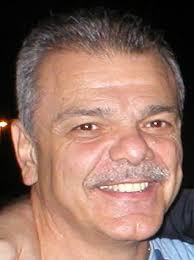
Billy “Pittsburgh Billy” Incardona is one of pocket billiards’ rare, enduring hybrids: a feared action player with a surgeon’s understanding of one-pocket, a nine-ball force from the era when road men wrote their own rules, and, later, the unmistakable broadcast voice who helped teach the modern world how champions actually think. Born December 2, 1943, and raised in Pittsburgh, Pennsylvania, Incardona’s story is inseparable from the gritty romance of American poolrooms, places where talent mattered, nerve mattered more, and reputation was currency you guarded as carefully as the cash in your pocket.
On our Legends of the Cue six-part series, Billy takes listeners back to the origin point: a kid’s fascination that becomes an obsession, and then becomes a life. He describes those early days in Pittsburgh, learning at places like the YMCA, soaking up patterns and angles, and quickly discovering that pool wasn’t only a game of balls and pockets, but a game of people: who’s watching, who’s talking, who’s under pressure, and who’s pretending not to be. That “people-reading” skill becomes one of his defining traits. Billy wasn’t just learning how to run racks, he was learning how to "match up", how to hide speed, and how to control the emotional temperature of a room.
Pittsburgh in those years was fertile soil for that kind of education. The city produced tough players and sharp minds, and Billy grew up in an environment where pool culture was both competitive and intensely social, where you could learn a world-class lesson simply by keeping your mou…Read More