

 Apple Podcasts
 Spotify
 Billy Incardona - Part 6 (Legends Never Die)
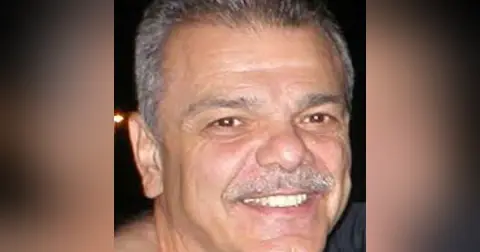
In this sixth and final chapter of our deep dive into the remarkable life of Billy Incardona, we bring to a close the journey of one of pool’s most colorful and respected figures—a man whose sharp mind, storytelling charm, and love for the game have made him a true legend of the cue.
Billy reflects on his lifelong relationship with the sport, from creating his instructional video Common Sense One Pocket to helping shape the design of Diamond Billiard tables. He shares vivid memories of epic road matches, including the now-legendary “Chasing Incardona” story with Ronnie Wiseman, a tale of rivalry, endurance, and the chess-like strategy of nine-ball at its highest level.
As the conversation turns personal, Billy opens his heart about family—his late son, his accomplished daughter, and the grandson who now carries the family name forward. His words reveal a man who has known triumph and heartbreak, fame and humility, and who finds deep meaning in love, legacy, and the memories that endure.
Looking back, Billy admits that if he knew at twenty what he knows now, he might have chosen a quieter life—but his passion for the game, the people, and the journey itself shines through. He shares what he’d do differently, the one moment he’d relive, and how he hopes to be remembered: as someone who loved the game and the players who brought it to life.
Filled with laughter, candor, and nostalgia, this heartfelt finale reminds us why legends like Billy Incardona never truly fade—they live on through the stories, the friendships, and the timeless beauty of the game.
“Legends never die,” Billy says—and after hearing his, you’ll believe it.
Give Allison, Mark & Mike some feedback via Text.
Follow our show and/or leave a review/rating on:
Our website: https://www.legendsofthecue.com
Apple Podcasts: https://podcasts.apple.com/us/podcast/legends-of-the-cue/id1820520463
Spotify: https://open.spotify.com/show/4Za0IMh2SeNaWEGUHaVcy1
Music by Lyrium.
About
"Legends of the Cue" is a cue sports history podcast featuring interviews with Hall of Fame members, world champions, and influential figures from across the world of cue sports—including pocket billiards, snooker, and carom disciplines such as three-cushion billiards. We highlight the people, places, and moments that have shaped the game—celebrating iconic players, memorable events, historic venues, and the brands that helped define generations of play. With a focus on the positive spirit of the sport, our goal is to create a rich, engaging, and timeless archive of stories that fans can enjoy now and for years to come.
Co-hosted by WPA and BCA Hall of Fame member Allison Fisher and Mosconi Cup player and captain Mark Wilson, Legends of the Cue brings these stories to life—told in the voices of the game’s greatest figures.
Join Allison, Mark and Mike Gonzalez for “Legends of the Cu...
So tell us about your instructional video that was entitled Common Sense One Pocket.
Billy IncardonaI made that with Pat Fleming years ago. I thought that it was uh I thought it was a good video. You know, it wasn't great, but it was pretty good. And it it it brought out some of the things that I experienced playing one pocket, some of the some of the the tips of the game that I thought were valuable to players growing learning the game. You know. And uh it was one of my uh highlights of my one pocket career. My one pocket paint.
Mike GonzalezWere you involved with uh Diamond Billiard products at one point in your career?
Billy IncardonaNo, but what I did was I is I uh I gave them a lot of money to start their their deal back way back then, you know. I bought a lot of tables from them and uh I gave them the money beforehand and they used it to do whatever they had to do to to uh to further the company, you know. Uh which I got everything back. That's an I didn't know the involvement, but I don't know. Greg and I were f very friendly. And I and I bought a lot of tables for them too as well, so but I I I wasn't involved with it. But I did sit on the board of players when when when Greg Sullivan mentioned to us that he was going to start the uh the diamond table, and he wanted to know what we wanted on that table. I believe it was Buddy Hall was on the board, I think Mike C was on the board. Uh a lot of great players were on the board. Nick Varner was on the board.
Mark WilsonRympy Meserac.
Billy IncardonaYeah, we told him exactly how to design the table. The gold crown had the bad bad pocket pockets where he had to shoot over the pocket. It was encumbered. And you know, it was it was cumbersome. He couldn't shoot over the pocket. So he said all his pockets got to be flat, the table. So you didn't have to worry about having an awkward bridge shooting over a pocket, you know. And he wanted to know what kind of pocket size we wanted, the cut size, what we wanted the pockets cut, you know.
Mike GonzalezSo tell us about the 2013 documentary film entitled Chasing in Cardona.
Billy IncardonaRonnie Wiseman always wanted to beat me because he he had he had it in his mind that he really wanted to beat me because of something that transpired years ago. He thought that I had done something to him, which I didn't, okay? And he thought that I did, and he always wanted to beat me. So everywhere I went, he wanted he he annoyed me. He tried to he tried to uh annoy me to the point where I would match up a bad game with him. You you know what I mean?
Mark WilsonYeah, yeah, yeah, yeah.
Billy IncardonaSo it was one tournament, I believe it was in uh Biloxi, Mississippi. Wasn't there a tournament down there? Biloxi, Mississippi, Mark.
Mark WilsonYeah, we've had to.
Billy IncardonaThey had that they played and they had all those mosquitoes. They were infested with the mosquitoes, and everyone's getting bitten, bitten up, you know.
Mark WilsonYeah.
Billy IncardonaYeah. Well, I was I played in the I didn't play in the tournament, but I was there. And uh he said my Ronnie Wiseman said to me, Come on, Billy, you said, let's play, let's play. But all these years we we never really played. Let's play, let's play, let's play. Because he's been chasing me all these years. He would chase me, he'd ask me to play, he asked me to play. And I never wanted to play him because I never, I never really enjoyed him. And I didn't want to I couldn't stand if he beat me. You know, and I didn't want to match a game with him because I knew if I did that, I would be preoccupied with negative thoughts, and I probably wouldn't play my game. And so I didn't want to put myself in that situation. So I never wanted to play. So he said to me, We're at this tournament, and he said to me, Come on, but let's play, let's play, play. He says, Well, I'll take this black player from New Orleans. What was his name? Uh black one pocket player from New Orleans.
Mark WilsonUh Cliff or D.
Billy IncardonaNo, no, not a champion, not a champion. Oh. I'm sure you know him. But he he played like nine to seven under me. Okay, nine, maybe eight to seven, or nine to seven. Okay. And more and and and uh Ronnie said to me, come on, I'll take so-and-so, and we'll play you even. Okay, we'll play you even. And because Mar, because Wydrun was playing much better than me at the time, because I hadn't been playing, and I was pretty old. I was about 65 years old, you know. And I hadn't been playing much fool. And I said, Well, I gotta go for that. Uh so I finally matched up again like that. I gotta go for it. Right? So I I had real bad endurance, I had a lot of health problems, and I really my endurance was really compromised, you know. So we started playing. We we started playing, we played race to four, and I had already been up all day. This was late, late at night. We played race to four for 10,000. So I had a beat three to nothing. But what happened in the game was this. Ronnie would say something to what's his name was they were playing. And it was a code they were using. They were using a code to tell him what shot to shoot. We were we weren't playing coaching. Okay, so so he had a co he had to shoot his own shots, Ronnie had to shoot his own shots. But when when when Ronnie said a certain thing to his partner, his partner would look around, would look around, or he would say, take your time. He would say, take your time, take your time. You know what I mean? Don't do anything rash, take your time. Whenever you say take your time, I knew he was telling him not to do something. You know what I mean?
Mark WilsonYeah.
Billy IncardonaSo as we were playing, as you were playing, I said I would say to him, Ryan would get to the table. I was up three three to one, racing the four, and I was dead tired. So Ryan would go out the table and I said to him, Take your time, Ronnie. Take your time, Ronnie. Let him know that I would do what was happening. You know what I mean? Take your time, Ronnie. He he looked at me. So they won the next two games. Okay? No, no, they they win the next game. It was a slug fest. It was in the next game back and forth, back and forth, back and forth. It was a grueling game, and they made it three to two. Right? Now it's now it's their break. I didn't want it to go three, three because I knew I couldn't win if it went three-three, and I knew it was going to go three-three. I knew I was dead. So I said to them, I said, listen, I said, I'm pretty tired. Let's call it off. I'm ahead three to two, race to four for 10,000. I'll call it off. The Ronnie would love to call it off. So he said, okay, let's call it off. So that was the time that I remember playing him, but that was chasing chasing in Cardona.
Mark WilsonYeah, it's true.
Billy IncardonaHe kept chasing me and chasing me. Finally, I had him. Finally I had him, and I couldn't beat him because I was so tired I couldn't make a ball. And so that's what it that's what that was all about. And they made a they made a video of that, uh, that you know, in a tape of that. Yeah. And I couldn't really explain that. But I kind of did, you know. And every time I see Ronnie, I say to him, Take a time, Ronnie. Take a time. We're kind of like friendly, but not really. But I mean, I'm not gonna like, you know, create a problem or anything. Yeah. But I want to give him that dig all the time, you know. The best player out of out of Pitburf was Bernie Schwartz. Yeah, talk about him then. Oh, yeah. Bernie Schwartz, he was a great, great player. He owned a he owned a pool called the Hawk's Nest. And in that pool room, there were several tables that had pockets that were so tight, Mark. You know, and that was really uh not common back in the day. Back in the day, we didn't have tight pocket tables. You know, but we didn't have them, you know. The tight pocket tables really didn't become, you know, popular until later on, you know, into the into the 90s, probably. You know. Really. Yeah. Oh yeah. But back in the day, in the in the 60s and 70s, they didn't have tight pocket tables. But in Bernie's room, he had really tight pocket tables. Really tight pocket tables. And they were tricky too. But if you hit them badly, the pocket would spit it back right back at him. So a lot of road players would come through Pittsburgh to play. This is before Bernie was known, before I was known. And it Bernie in particular, because he was a better player than me. You know, he uh he was a great, great player. He would play, he played Bob Oswald came through, Bernie killed him. Toby Sweet came through, killed him. Jerdy Redd came through, Bernie killed him. Uh I mean, this beat him easily, you know. I mean, everybody Bernie had a tournament there when I'm like any second to last tournament. They called that a world tournament. It was a nine ball. And there's a lot of great players playing that tournament. And a lot of players tried to play Bernie. Richie Florence tried to play Bernie. Bernie massacred him. Brownie Allen tried to play Bernie. That wasn't even close. You know, I mean, all these players that were there at the tournament tried to be played Bernie. No one could even come close to beating Bernie. You know?
Mark WilsonSo Yeah, Bernie was a big name when I began.
Billy IncardonaYeah, he was he was Bernie was a better player than people realize. Okay, really. I'm telling you, he never he Eddie Kelly tried to play Bernie. Bernie buried him. I mean, I'm telling you, guys are top, top players. Bernie couldn't beat Bernie Bernie, they couldn't beat Bernie.
Mark WilsonYeah.
Billy IncardonaYou know? Yeah. And he went on to uh to go into the ovenwork business with Paul Brusloff in Detroit. But anyways, in Macon, Georgia, I think it was Macon, Georgia, there was a guy down there that beat everybody. Everybody. You know, he beat Richie Florence, he beat Ronnie Allen, he beat everybody that went through there to be to play him. He they couldn't beat him. Bernie went down there and played on this table and beat him. He was just, in my opinion, he was one of the best nightball players ever. Ever. He didn't look like it. He had, he had, he had like a you know, he wasn't, he wasn't like a player that looked good at the table, but he never missed no long shots. He made every one of them. I mean, he just was a ball striker.
Mark WilsonYeah.
Billy IncardonaBall striker. He played very good position, but he but long shots when he got him, he made every one of them. I mean, he just he stole games, you know. Yeah. And they were playing, and they were playing push-outs then too, which favored him, you know, because he just made those tough shots.
Mike GonzalezBilly, before we let you go, as you may know by now, we always like to finish with three questions. So I'm going to let Alison ask the first question.
Allison FisherSo, Billy, Billy, Billy, it's been a pleasure having you here. If you knew when you were 20 years old what you know now, what would you have done differently?
Billy IncardonaI would have educated myself, got a job, become uh something that would have made it an easier life for me. Because this was an exciting life. It was, you know, it was great for what it was. I I I gambled and I battled with a lot of educated champions, good people. I learned a lot, you know, but it was a struggle. You know. I think I think I would much rather prefer to have sat back, watched T V and my family and had it had it had uh and worked for a living. I really do. You know? That's interesting. I mean but I but I'm I'm not unhappy because of the life I lived. And I'm not, you know, and I enjoyed it, you know, and I was fortunate to have lived the life I lived, done the things that I've done, you know. But if I knew then what I know now, I would have taken another route. And I've had success in what I've done. And I've had success. But I just think it would just I don't know. It's hard for me to explain.
Allison FisherMaybe you'd like to more routined and structured life and guaranteed income and rather than quality time. Yeah.
Billy IncardonaI think so.
Allison FisherThat's it. That's uh we haven't had that one before, have we?
Billy IncardonaFair enough.
Allison FisherWhich I I can completely understand.
Billy IncardonaYeah. Yeah, I'm gonna be moving to Chicago to visit or to live there in the next month or so when my daughter's there. She just had a baby boy seven months ago, you know, and she wants me to go up there and live. Yeah. You know, so I'm gonna go up there and and finish and finish my life up there with her.
Allison FisherYeah.
Billy IncardonaYou know.
Allison FisherDo you feel like do you feel like that part of that answer is because you had how how many kids did you have?
Billy IncardonaI I've uh two children. My son passed uh eight years ago. Matter of fact, yesterday was the same day that he passed eight years ago. And yesterday was as I explained to you earlier, Mike, was the Bears were playing the Washington Commanders on Monday night football. And it was just so surreal that I believe my son was with me watching that game because he loved the Bears. Okay. My son was a wonderful person, you know. He loved he loved his family so much, he loved he loved Chicago sports, he loved the Bears, the Cubs. Not so much the White Sox, the Cubs was was the team that he loved. Because the Cubs everyone loves the Cubs. So Except Cardinal fans, right, Mark? Yeah.
Mark WilsonI like him.
Billy IncardonaAnd uh he was special. And when he passed eight years ago, that was probably the saddest time in my life, you know. Uh uh a big part of me passed along with him. And uh but I'm living for him, whatever, you know. I live for my death my my son. And that's what keeps me going. And uh I had a daughter as well. My daughter she ended up really making a great life for herself, you know. She worked for LinkedIn for 12 years, she was she was one of the leaders of of many uh groups, and you know, and she made a lot of money with them. She went in Chicago, she went to the Bachelor of Fine Arts Design School of the Art Institute of Chicago. And then when she went to the Phoenix Intel to Arizona State, she went to the Bachelor of Arts, mixed media, and she got a real good education. And she part of her education, but by first going to Lincoln, when she went to LinkedIn, she called me up, she said, I got an opportunity to go to LinkedIn for a position. You know, I I'm gonna be interviewed, and I'm pretty nervous, and I don't know, you know, because everyone that that works for LinkedIn are graduates of Harvard and different places that are, you know, these people are very, very educated and very smart, you know. And she was kind of like, she didn't go to those types of universities today. She went to Arizona State and the Bachelor of Fine Arts in Chicago and the Art Institute of Chicago. But I said to her, listen, I said, I know who you are. I said you're a brilliant young lady, you know, who wants to make a life for herself, and I know you're gonna do it. But you're determined, you've always been that type of a person. Ever since you were two, three years old, and I know you, you know, seeing that she was very courageous and she would go after it, you know. And she was really an intelligent girl. Took after her mother, she got her mother's jeans, you know. He became, he became Lincoln's, uh, one of Lincoln's best workers. She brought in Michelle Obama, and she brought in Richard Branson, you know, and had seminars, and she brought them in for speech for speeches. And I mean, she she was really, really good at what she did, you know. And now she walks, works for a company called Dropbox, and she's doing really well again, you know. And uh, I'm so proud of her. Yeah. And my in my uh screenshot picture of her my phone is her and Michelle Obama. And they're you know, and I when when people see her, they say, Who's that? And I say who? Michelle Obama? Oh no, my daughter. Yeah. And so, you know, my my son passed, I lived for him, like I mentioned, you know. But I really live for my daughter as well.
Mike GonzalezSo Yeah, you sound quite proud.
Billy IncardonaYeah, I am. I'm very proud of my daughter, you know. He just uh he turned 40 and left January, and uh he had a child. Child's uh almost four months old now, called Reese Anthony and Cardona. Anthony is my my son's name, yeah. And uh named their child, it was a boy, Reese Anthony. And uh I love this little boy because in this little boy I see my son. And not that I that's not the only reason I love him. You know, I love him because I see my larger son, you know, and he's my grandson, and he's our in, you know, he's an important part of our family. But I see so much in my son in him, maybe because I want to, but I believe it is my son in him, you know. And yeah, I tear up a lot when I talk about my son.
Mark WilsonYeah.
Mike GonzalezWell, and it sounds like you're gonna as you get back to Chicago, you're gonna be able to see a lot more of uh of your grandma's.
Billy IncardonaYeah, well, I was in Chicago a couple weeks ago, and I spent a lot of time with him, playing with him on the floor. He was just starting to walk at the time. Not walking crawl at the time, you know, they don't walk until they're close to a year. And so, but he was crawling. It was a struggle crawl. But I my daughter called me yesterday. He said, he's crawling all over now. I mean that's beautiful. Yeah.
Mike GonzalezAll right, Billy. So, question number two. We're gonna give you one career mulligan. Maybe it's one shot to do over. Where would it be?
Billy IncardonaOne mistake I made. Could be. Or one shot that I uh that I made good with.
Mike GonzalezCould could be a shot you'd like to do over because you missed it and it cost you money. What you know? One mulligan. One mulligan, one one do over. Might have been a bet. Who knows?
Allison FisherYeah, might yeah, I was gonna say that. Might have been a matchup.
Mike GonzalezYeah, like Carlos or Morales or whatever his name was.
Allison FisherYeah, I was gonna say the Efros match.
Billy IncardonaWell, not really, not the Ephrays match. There was one time when I played loser Lassitors. I played him in in Johnson City and the race was to eleven. And he was winning every game in the race to eleven. And after every game he won, there was a I think I told Mark this story. After every game that he won, there was this heckler in the crowd that said, Go wimpy. Go wimpy. You know, and it was irritating because he won every game. I won the first game of the match, Lasseter went on to win the next ten games. He had me 10 to 1. And like I said, after every game he won, this guy would say, go wimpy. And it was really it was really rude of him to do that continually. After I'm getting plummeted, plummeted, and plummeted. And I can't win a game because I'm never even at the table, you know. So I'm sitting in the chair, he's got me 10 to 1, he breaks the balls, he makes a ball on the break, he's got a long cut shot on the one. And from my angle, I can see what's gonna happen with the cue ball, because I know which way he's got to go with the cue ball. He's got to cut the one into his left to the uh to the short end of the table, the short end of the table, left's left pocket, he's got to hit the short rail, and he's gonna spin to the to the side rail, and he's gotta clear a ball that he's gonna spin around. But I know if he hits this ball, there's a good chance that he could scratch in the in the other corner pocket. So that's exactly what happened. He cut the one in, he hit the side rail, he hit the seven balls, was to be impeding ball, and he scratched. In the corner pocket. And I went to the table. And I beat him nine straight games. And I tied the matchup at ten apiece. And I wanted to win this last game so bad. So bad because I was quiet the whole time. And the heckler in the crowd was quiet as well. And I wanted to win this last game so bad, not to beat Lassiter. But I wanted to just say something to this guy. You know? So I went, I win that last game and I ran out to do it. After I ran out, I looked up into the crowd, I looked straight at him, and I said, Go, Billy! And then I took Lassiter's hand and I apologized to him, you know. He was such a gentleman. That was the only time that was the only time I I beat Lassiter. That was great. That was the one shot that I can always remember. It wasn't a fantastic shot, it was a a series of shots leading up to that. I have finally had my say. I finally had my say. Which I didn't feel good saying it because of Lassiter's presence. Right. You know, I didn't feel good. Pardon me?
Allison FisherI just said it wasn't his fault. It was a guy. It wasn't anything to do with him.
Billy IncardonaI know, but I I I that's not nice. Yeah.
Mike GonzalezYeah. That's not nice. Yeah. All right, Mark. Mark, let's let's go with our final question.
Mark WilsonAlright. In the pool world, how would Billy and Cardona like to be remembered?
Billy IncardonaWell, I would like to be remembered as a as a player that liked and loved the game and loved the people that played it. And I hope that I that I exhibited that in my commentary, in my in my way I handle myself around players. You know, because I'm a people person. And I and and and when you when you're a people person you buy into feelings that may end up causing you at the end. And what I mean by that is when these players that I that I've grown to be fond of when they pass away I feel bad inside. I feel bad that I'm missing missing them, you know, and it's just sad. And that's the penalty you have to pay when you buy into to to you know look life and loving and liking people. And it happens not only with players, it happens with your family and life. And you know, and but that's how I would like to be remembered anyway. As a player that enjoyed the players and enjoyed the game immensely. And mostly enjoyed the players who played the game. That's why I want to be remembered.
Mike GonzalezSo, Billy, it's been an absolute delight. I don't want to speak for my partners because they'll speak, but uh we've certainly enjoyed our time with you, haven't we, Allison?
Allison FisherI loved listening to your stories, Billy. So heartfelt, and what Paul has meant to you and the game in general, and thank you for sharing everything.
Billy IncardonaWell, thank you for being here. Thank you for doing what you're doing with the Legends of the Q. I mean, you you were always been my favorite player, really my favorite player. Because Dean Belukas was my favorite player. I I played her one time. You have always been my favorite player because I really believe you are the best player in the world at at one time. You're getting a little I don't know. You probably don't have that anymore, but at one time you were clearly the best player in the world, and I respect you as a person, and I respect your game equally as well.
Allison FisherWell, thank you, Billy. It's a means a lot to me. Thank you.
Mark WilsonAnd for me, Billy, all that you've added to my life and my pool career, which I love pool as well, and that dimension I can never thank you. And so uh it's been a great honor and privilege to know you all these years and to get to share the booth with you and even shared some time on the table together. So thank you very much.
Billy IncardonaWell, you know, I I I I enjoy your company. I enjoy your professionalism. And like I said before, you are truly one of the best commentators we have in our game. And uh I always look forward to sitting next to you in the booth because you really know what you're saying, you know about everything about the game. You're just you're an accomplished player, you really are one of the greatest. I really mean that.
Mike GonzalezBilly, we appreciate uh you sharing your life story here with us on Legends of the Q. I hope you've enjoyed this walk down memory lane.
Billy IncardonaI I really have. And I appreciate you, Mike, because you were so patient with me and uh so professional that uh it made my job easy. And I thank and I really appreciate and and I want to thank you for for doing this, you know. I mean, because not everyone would do things like this for pool, you know. You know, because who are we? We're nobodies, you know. I mean, especially the old especially the older guys, we're nobodies.
Mike GonzalezYeah, but you know what? I tell you what, you say that, but but you know, the the the things that are gonna get listened to are these stories because they know if we don't get them now, we're never gonna hear them again. And and so so not just talking about your life, but you've interspersed this with some stories of guys that we're not we're not gonna we're not we may not talk about again. There may not be another guest we have that even knew who these guys were. And so to capture that for some of the guys that remember or their families, I think is so great. Yeah, legends never die.
Billy IncardonaLegends never die. Legends never die because of people like you.
Mike GonzalezWell, legends of the queue. That's what it's all about. Thank you. Well, thanks for joining us. We appreciate it.
Allison FisherThank you for listening to another episode of Legends of the Q. If you like what you hear, wherever you listen to your podcast, including Apple and Spotify, please follow, subscribe, and spread the word. Give our podcast a five-star rating and share your thoughts. Visit our website as the poor out full history projects until our next golden break with more Legends of the Cube.
Pool Professional
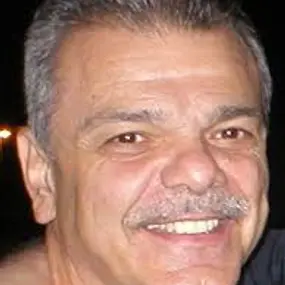
Billy “Pittsburgh Billy” Incardona is one of pocket billiards’ rare, enduring hybrids: a feared action player with a surgeon’s understanding of one-pocket, a nine-ball force from the era when road men wrote their own rules, and, later, the unmistakable broadcast voice who helped teach the modern world how champions actually think. Born December 2, 1943, and raised in Pittsburgh, Pennsylvania, Incardona’s story is inseparable from the gritty romance of American poolrooms, places where talent mattered, nerve mattered more, and reputation was currency you guarded as carefully as the cash in your pocket.
On our Legends of the Cue six-part series, Billy takes listeners back to the origin point: a kid’s fascination that becomes an obsession, and then becomes a life. He describes those early days in Pittsburgh, learning at places like the YMCA, soaking up patterns and angles, and quickly discovering that pool wasn’t only a game of balls and pockets, but a game of people: who’s watching, who’s talking, who’s under pressure, and who’s pretending not to be. That “people-reading” skill becomes one of his defining traits. Billy wasn’t just learning how to run racks, he was learning how to "match up", how to hide speed, and how to control the emotional temperature of a room.
Pittsburgh in those years was fertile soil for that kind of education. The city produced tough players and sharp minds, and Billy grew up in an environment where pool culture was both competitive and intensely social, where you could learn a world-class lesson simply by keeping your mou… Read More