

 Apple Podcasts
 Spotify
 Ewa Mataya Laurance - Part 3 (The Perfect Storm: Fame, the WPBA Boom & One More Run)

In Part 3 of our four-part Legends of the Cue conversation with pool Hall of Famer Ewa Mataya Laurance, the “Striking Viking” hits the most turbulent—and transformative—stretch of her career.
We rewind to 1990–91, the period Ewa calls her finest run: taking over World No. 1, stacking five tour titles, and earning Billiards Digest Player of the Year. But the wins came with weight. Newly divorced and raising her daughter as a single mom, Ewa describes the constant hustle—practice squeezed into basement sessions, tournaments with a child in tow, and the pressure of turning greatness into a living.
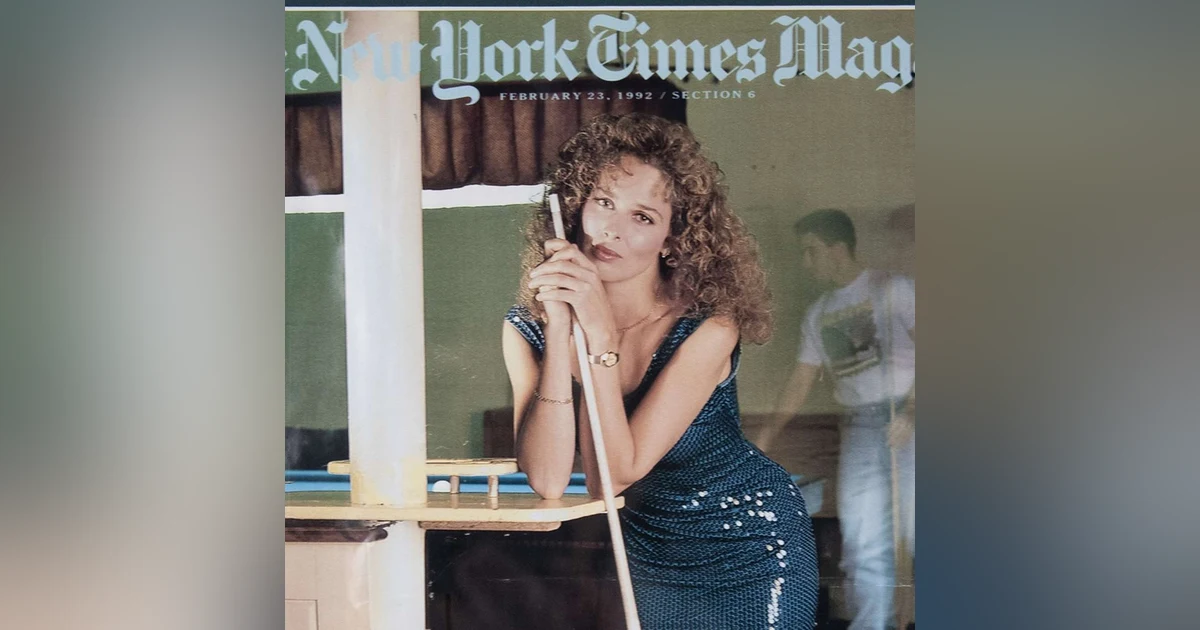
Then comes the moment that changed everything: the 1992 New York Times Magazine cover story. Ewa walks us through how a “sure, another interview” turned into a two-week deep dive that flipped her life upside down—followed by an avalanche of mainstream attention (Letterman calling the poolroom, national TV hits, glossy magazines)… and a rare opportunity for women’s professional pool.
Because the timing was perfect. As the spotlight intensified, Ewa and fellow players were building the nuts and bolts of a new era—helping launch the WPBA Tour into bigger markets and bigger moments. But the tradeoff was real: fewer hours at the table, more days on the road, and the delicate balance between promoting the sport and protecting your game.
We also hear how meeting (and later marrying) Mitchell reshaped her world, why the arrival of Allison Fisher changed how many top American players approached fundamentals, and the emotional punch of Ewa’s 1998 Brunswick Boston Classic win—running a gauntlet through the very best when she “had something to prove.”
Finally, we reach her BCA Hall of Fame induction and the unforgettable phone call to Sweden—where her dad isn’t quite sure what a “Hall of Fame” even is.
You need to stay tuned for our fourth and final episode with "The Striking Viking"
Give Allison, Mark & Mike some feedback via Text.
Follow our show and/or leave a review/rating on:
Our website: https://www.legendsofthecue.com
Apple Podcasts: https://podcasts.apple.com/us/podcast/legends-of-the-cue/id1820520463
Spotify: https://open.spotify.com/show/4Za0IMh2SeNaWEGUHaVcy1
Music by Lyrium.
About
"Legends of the Cue" is a cue sports history podcast featuring interviews with Hall of Fame members, world champions, and influential figures from across the world of cue sports—including pocket billiards, snooker, and carom disciplines such as three-cushion billiards. We highlight the people, places, and moments that have shaped the game—celebrating iconic players, memorable events, historic venues, and the brands that helped define generations of play. With a focus on the positive spirit of the sport, our goal is to create a rich, engaging, and timeless archive of stories that fans can enjoy now and for years to come.
Co-hosted by WPA and BCA Hall of Fame member Allison Fisher and Mosconi Cup player and captain Mark Wilson, Legends of the Cue brings these stories to life—told in the voices of the game’s greatest figures.
Join Allison, Mark and Mike Gonzalez for “Legends of the Cu...
So let's go to 1990. Arguably uh your finest stretch of pool, would you say 1991, kind of that uh that stretch?
Ewa Mataya LauranceThat's when I took over, number one, yeah. And again, I had you know split up, gotten divorced from my from my husband's ex-husband from Jimmy. So again, the pressure was on, trying to make a living. My game was still good, still playing a lot, always playing downstairs in the bed, you know, in the basement, where I would go to the pool room, practice when she went to school, made the tournaments, and I would bring Nikki with me, and she'd sleep under or on top of the pool table, or somebody would watch her. Laura John and Sammy used to watch her a lot, wherever it was. Just, you know, everybody kind of helped me with that. And then, you know, like I said, I took over number one, which became a big deal. So I started doing more media, more exhibitions. Fronts week used me more games start cracking a little bit because you can't do, you know, work your craft was a really hard time as far as I I can't spend the time on the table. I miss some tournaments, you know, that kind of thing.
Mike GonzalezYeah. But uh, five tour titles that year, 1990, you were named Billiards Digest Player of the Year.
Ewa Mataya LauranceMm-hmm. Yeah, big shot.
Mike GonzalezLet me ask you this, and and you probably know this lady because you've played a lot of celebrity golf. I'm assuming you've met Jan Stevenson. And I would suspect you and Jan have a lot in common, a lot of parallels in your career. And um, you know, you probably know what I'm getting at. She was viewed back in her day as probably the the sex symbol, if you will, that was promoted as such by the LPGA tour, right? I mean, they they they really used her and employed her to attract new fans to the game, and that was the way they did that. I have a sense that uh that uh you probably got distracted as she trying to play a little bit of that role, either on behalf of your sponsors or on behalf of the tour. Take us through that because she she certainly has regrets. I mean, the way she views it is while while she wanted to do everything she could to promote golf and the tour back then, she thinks it detracted from her overall performance. And and from the very beginning, she was a grinder, a hard worker, probably like you were. Nobody knew that. Nobody worked harder at their game than Jan Stevenson. And she thinks it kept her from winning more events uh because of that commitment she made to promote the tour.
Ewa Mataya LauranceOh, of course it did, and I know 100% it did for me. But to regret, you know, Mitch and I talk about it sometimes. Yeah. Like, could I have more titles lined up? Yeah. But it wasn't it wasn't a choice. If the money would have been where you could win 30,000, 50,000 for a tournament, I I wouldn't have had to do what I did. I mean, I had a responsibility. I was a single mom. I was still wanted to play, but I mean it it was, and you know you're you're you know, I always thought about it is that just like an actor or a singer, or this is not like being a doctor or in a lawyer where you work yourself up and all of a sudden you're a partner. You gotta make as much money as you can in the moment. Or you say, I don't care about the money. I had an opportunity, I mean, my life turned upside down in 1982, February 1980, no, I mean 92, when the New York Times magazine came out. I had no idea what that would entail. And again, never the whole limelight being somebody never really mattered. I mean, it was it was pool that mattered. Always was pool that mattered. Always been a bit of an introvert, never liked the whole center of attention. It got thrown into me and I got I got better at handling it through the years, but it was never who I was, ever. So that was great, but I also have to take responsibility that I took I took advantage of it as much as the sport did. It helped out. Now, if I love that, I mean I I you know sometimes I've talked to Janetica, but she she enjoys that limelight, and she enjoyed taking that part farther. She loved the game as well. But I mean, she I've always been kind of I don't know, Swedish upbringing. You know, you're no better than anybody else. That's what you get when you're Swedish. End of story, period. I don't care who you are, Björn Borg, Ingmar Stanmark. It's how how Swedes are raised. So maybe that's why it is, or maybe it was my personality, but that changed everything and it took all the time away from playing. You know, I went from practicing or playing pool six, ten hours a day to three hours every four days, and that doesn't work if you're trying to, you know, stay on top.
Mike GonzalezYou referenced to the 1992 New York Times magazine article where you appeared on the cover. Pretty big deal.
Ewa Mataya LauranceYeah. I didn't know. I had no idea. I got a phone call. I'd been ranked number one for a while, and all of a sudden got a phone call, and this woman, Alessandra Stanley, called me and she said, I, you know, I work for New York Times magazine. And back then I was doing TV shows and I was doing magazine newspapers when we went to tournaments, when I was home, there was, you know, it was a lot of kind of hoopla at the time. So here's another newspaper, okay, another newspaper, New York Times, great, whatever. So she said, I want to come and do an article. I said, okay. And I told her where I lived, everything else. She says, Okay, I'll be there, whatever it was. And she ended up staying for about two weeks in in Grand Ledge or just outside of. So she spent a lot of time with me, with Nikki, interviewing, doing much of what we're doing now, going through history, blah, blah, blah, history of the sport, and everything else. And then we went to Milwaukee for the 1990 to national championship in Milwaukee. And I won that tournament. And she was there and did a whole, you know, article, took pictures of Laura John of myself or Jeanette, all these people, you know. Then she went out to Reno, interviewed a bunch of the men, then she went with me back home. Then I had I got asked to be on Montel Williams' show in LA, so she flew out there with me, came back, and we did all this. And now I'm about to go to Sweden to visit my family. And she says, uh, we have a photographer coming out, want to take some pictures. And I go, I am leaving the day after tomorrow for Sweden. I'm packing. I can make sure my daughter's stuff. I don't have time. I'll set, I said, I'll send you a headshot. Brunswick made some headshots. I'll send you shot. She goes, uh no, we actually need a photo. And so finally, this guy comes out, amazing photographer. I had this dress that my friend that I used to work at the Playbook Club had made me buy. And so I brought about a dozen different outfits to wear. And he just went, you know, we did a couple of shots in jeans and whatever. And he said, try this one. Eh. And it ended up on the cover of all places. And I mean, the whole world for me turned upside down. I had no idea.
Mike GonzalezSo I assume this then led to things like People Magazine, Sports Illustrated Forbes, Glamour Magazine, Late Night with David Letterman, the Today Show, Live with Kelly and Michael, Entertainment Tonight, etc., etc., etc.
Allison FisherWow. Yeah, it was nuts.
Ewa Mataya LauranceYeah, it was massive, that was for the sport. It was. And the best part, well, first before we tell you the best part of it was I gotta tell you a funny thing. There's a kid uh named Kevin that was working at at uh the pool room in Lansing, where I was playing or practicing, and it's in the middle of the day, and then this guy, Kevin, he goes playing on the table way down. He goes, screams across the room, he goes, Ava, I said, Yeah. There's a guy, it somebody says he's David Letterman wants to talk to you. That was like, holy crap. Oh, wow. The best part about it was that as that was happening was uh was the time that we had really figured out the the nuts and bolts, what we were gonna do with the WPBA tour. Sherry was very involved at that point. She wasn't when we started first were the men, but now she's really involved. Vicki was on the board, I believe. It may have been Peg, Belinda, I don't know who else was on the board, but Vicki, Sherry, and I did a lot of work together behind the scenes and on the board. But we had it ready to go. So come January 1993, which was, you know, we had 10 months of this excitement going on and being on TV, we launched a tour. And I mean, we had PR all the time, every morning show. We would all get up at five o'clock, four o'clock to do the five or six, six or seven o'clock station. We were in Dallas, we were in LA, we were in Chicago, we were in New York, we were all in the big markets across the uh the country. So we got, you know, the LA Times or the Chicago Tribune. We had all the big local stations, all the media. I mean, it was really great. We so the timing of that New York Times article coming out and the tour being ready to go, that did not hurt. The fact that it was all at the same kind of peak. And this was following the court uh coattails from the 1988 movie or 89 Colored Minds. Perfect. So it was like the perfect storm.
Mike GonzalezYeah.
Ewa Mataya LauranceYeah.
Mike GonzalezWell, you're still playing good pool back then because you win the WPBA National Championship as well as the WPBA US Open Nine Ball Championship '91. And then three years later, the World Nine Ball Championship, your first, I guess, world title officially, right?
Ewa Mataya LauranceThe first official world. We had a lot of world titles back then. The the Clyde Children's Tournament, though, that was called the World Open, and a lot of World Open events that Rempi and myself and Laura John. And I mean, we all were, you know, every other tournament was called the World Something organization back then, really. That doesn't mean they weren't as good as a World Open because the best players were still in the United States. They just threw titles on them right and left a little bit more.
Mike GonzalezSo where was that event played? Do you remember?
Ewa Mataya LauranceThat was in Chicago. Chicago. I can't remember what the hotel was, do you, Mark?
Mark WilsonArlington. It was right in Arlington, what's it? Illinois.
Ewa Mataya LauranceArlington.
Mark WilsonI don't know if it was a horse race track there. Yeah, yeah. Arlington Heights.
Ewa Mataya LauranceI know I remember you were there.
Mark WilsonYeah, I had a good finish there.
Ewa Mataya LauranceYeah. Yeah. Played great.
Mark WilsonBack in my younger years.
Mike GonzalezYeah, yeah. Something else happened in 94.
Ewa Mataya LauranceI got married. I got married in 94 to Mitchell. Yeah, there you go. Oh, that's good. Yeah. How did you two meet? Mitch and I, oh God. It's a good thing. What you have a lot, you know, you don't have to use tape anymore to because it's it's kind of long. I'm going to do the short story. So Harold Simonson from Fool's Billion Magazine, and Sherry and Harold's other bunch of other kids. He had like six kids, and and me and somebody else. I can't remember if Jimmy was, I don't think he was, but we were all going to drive down together to play in the I mean to go to the Billiard Congress of America trade show down in. So we had planned this whole thing. We're going to go down to Louisville, it's going to be great. And then, and we had a lot of fun together back then. Then I get an exhibition. I get a call to do an exhibition at a pro golf event up in Traverse City. And I'm going, okay, so it was quite a bit of money. So, but it was right at the same time we were supposed to leave to drive down there. So we came up with this plan. Harold was driving this big RV, and we drove, and he was gonna drop me off at the airport to fly back up to Michigan in Traverse City, where we started from. We went back up there to do this exhibition. Well, we barely got there alive. He dropped me off. I get to Detroit, and the flight is canceled because there's a snowstorm or something in Traver City. It didn't work, whatever flights were canceled. So this guy, George Huff, he said, well, you couldn't make it. He said, How about you keep the retainer and I have another event coming up in North Carolina? And I said, Great. So I went to North Carolina for a different pro event, golf event. And Nick Varner and I were doing trick shots and raising money for charities, playing a rack for $25, whatever it was to like a Vegas night they had there. And Mitchell and a bunch of other actors and athletes were coming out from LA as the celebrities to play in the golf event. And that's that's how we met. That's originally how we bumped into each other. And then about a year and a half later, we decided to start dating.
Allison FisherSo oh, it's lovely. He's a lovely man.
Mike GonzalezWe'll hear we'll hear his version of that later this month, too.
Ewa Mataya LauranceOh god. Yeah. Yeah, you better prepared for you think he's really long-winded. I'm like, you know, so yeah, he's got to see him every now and again. He's much better at telling stories. You what?
Allison FisherYou can poke him every now and again. Yeah. If he's rambling. Yeah. And I do.
Mike GonzalezIf we fast forward now to 1995, just one year later, a young lady from England turns up. And Allie, Eva must have been, I mean, at this point, remarried. She must have been a really toned-down version of herself by the time um uh you came to the States, huh?
Allison FisherToned down version of herself. Well, wait, wait a minute. We've got to backtrack a little bit because we first met somewhere else, didn't we? I think it was 1988. Ava and Steve Mizerat came to England and we did a doubles challenge. Stephen Hendry and myself, who was a top snooker player. So we were two snooker players playing two pool players in a convention place, wasn't it? I think it was in Crawley and Statistics. Yeah. And we did a straight. It was a match room. That was a match room event. It was a match room. This is how far back match room goes with pool. You know, it's it's not overnight success. They were doing it way back then. And so we came out. I had my blue suit on, I think, had a tuxedo. I don't know, I can't remember if you were to probably, right? We had a great camera.
Ewa Mataya LauranceI saw a picture a few weeks, I don't know, a couple years ago, and that's what it was.
Allison FisherI'd love to see something from that time. I'd have to find it, yeah. But anyway, we did snooker pool challenges, and uh that was the first time we actually met. And then we met again in 1992 at the Munich Motor.
Ewa Mataya LauranceOh, by the way, I beat her just to get it. No, no, no. We were one-one straight ball and nine ball.
Allison FisherYeah, one-to-one.
Ewa Mataya LauranceConveniently you forgot what happened after that. Nothing to do after that. There was no shoot out.
Allison FisherNo, that was in Switzerland. No, no, no. No.
Ewa Mataya LauranceThe cue ball frozen. Oh, no, you can't reach my. Oh, but I will. I have no memory.
Allison FisherBut anyway, then in two, and then in what was it, two and then 1992, the Munich Masters. That was I went to that on a sort of a whim, really. Stacey Hilliard, who was another top snooker player myself, decided let's go play in Munich, Munich Masters. I don't know why we did, but we did. We grabbed a coup, went over there, played in that. But I met Ava, I met Laurie John, I met Robin Gerda, all the top players I'd never seen on that tour. And it was just it was fantastic. And then there was a big party at the end, and it was it was really nice, you know. Everyone really got on well and it was good fun. Really enjoyed the event, but I wasn't ready to do anything at that point. I think the WPBA tour was a go. Mike Massie was talking about it. I think Vivian Jeanette were talking about it.
Ewa Mataya LauranceAnd then I didn't go over it again, we met in Switzerland too.
Allison FisherAnd in Switzerland we met a guy called Thomas, I never remember his last name, I can't remember, but Thomas. He had us over again. I was with Ronnie O'Sullivan this time, uh young, very young Ronnie O'Sullivan, myself, going back to the city.
Ewa Mataya LauranceThat I have a picture of, by the way, I can send you.
Allison FisherLovely. Um Davicki, right? I don't think there was any was there anyone else? Yeah, there was a guy, Mike Matty maybe. Mike Massy, I think, was there.
Ewa Mataya LauranceWe did last year.
Allison FisherRonnie was only 14, I think, at this point. Yeah. And anyway, we did snooker pool challenges there, and it was a lot of fun. You know, we had a good laugh and we went on the ski slope, didn't we? Which I was terrible at. But anyway, it's very entertaining, and I could see how wonderful all the pool players were and Ava, especially. So they we met a few times prior to me coming to America. I also met the first Moscone Cup was 1994 with Jeanette and Vivian on the American team. And so that was another introduction to some players there. And then I was ready in 95. That was when I made my decision. I came to the trade show, Las Vegas. Oh, you came there before the tournament in Charlotte? I found out how to get on tour. Oh, okay. Mark and Mark was running the tour at that point. Do you remember Mark and what's his wife's name?
Mark WilsonOh, Mark Kord. Mark Kord, yeah.
Allison FisherMark Cord. I think he was running it. And so I found out how to get on tour, basically. And Charlotte, North Carolina was my very first event. And I walked into Mother's Billiard Parlour, and that was your home turf at that point, wasn't it, Ava? Just so wonderful. Every everyone was really amazing when I landed. I really enjoyed it and they were very welcoming. But anyway, that was the first time we really met on, you know, for to play pool. And of course, you beat me. Yeah. So I lost to Jeanette and Ava in that event. And I remember I got a ball in hand and I didn't know really what to do. I wasn't looking at I think there was a three-ball combo or something, and I didn't see it, wasn't really that versed in playing it. And I didn't look at it, did something silly, and then she made the nine and and then beat me in that event. Haven't forgotten it. But that became my home territory after that. Yeah. I stayed there the extra week and then we all drove down to Florida. I've we to had Laurie John on this podcast before, and I was telling the stories about that trip. When her and Robin used to play the what was it, the basketball. Oh, the bubble. Yeah, yeah, bubble. Bubble baller.
Mike GonzalezWas it spit bubbles or something? Yeah.
Allison FisherSpit bubbles. Spitball. Robin was tar topic. Yeah, anyway, it was a good it was a great introduction, really, to all the plans. So that was 1995, back to where we were.
Mike GonzalezAva, what do you remember about uh life on the road with some of these girls, some of the fun trips?
Ewa Mataya LauranceOh gosh, there's so many of them. Some that I don't really need to share, or my co-host don't want to share.
Mike GonzalezOh, yes, you do.
Ewa Mataya LauranceNo, there's little one. Oh, careful Allie. No, but I remember we had a tournament. Vicki and I were sharing a room. We had driven up to up north Milwaukee. I mean, Wisconsin somewhere. I can't remember where it was. Uh it was probably late 80s, or no, it must have been early 90s, late 80s, maybe. And I was blow drying my hair, and it was so hot in the room. Vicki had it so hot it was freezing outside, but it was steaming, and I blow dry my hair and I go. So I went and opened the window and just gave it a little bit of a crack just to get some freezing air in there. And then got ready, and we both had matches coming up, and off we went. And then we came back to the hotel. And there was ice this thick. There was no way, no way. We stood there with The blow dryer trying to melt the ice. There was no way to close it. So we laid on the beds. We took beds. I mean, all our clothes put on top of us, tried to sleep. Finally, we heard a noise and looked out. And Mary, Mary Keniston, she doesn't, she has strange sleeping habits. And so she was coming back to the room about four o'clock in the morning. We asked if we could stay in her room with her, even if we slept on the floor. It was so cold. But I mean, little things like that, you know, when you share a room and you are just being goofy. And it wasn't like we did anything real crazy. But yeah, I remember that. I remember Vicky and I got a job in Japan. And it was a tournament over there too. The very, I think it was the very first or second tournament in Japan, but we were coming in early to do exhibitions. And we're racing, we're getting to the airport, everything's fine. We're going to check in. And she grabbed her husband Bob's passport instead of hers. Oh. So we missed our flight and got rerouted, put on a different flight, flew. They couldn't fly from Tokyo to where we were going. Osaka, I think we were going to. So we had to stay in Tokyo. And then I realized there the people that have hired us have no idea where we are at this point. None. We don't have a phone number. They don't have, there were no cell phones. So Vicky took one look at me once I figured all this out. And she kind of went into the bathroom, locked the door, and took like a four-hour bath because she didn't dare to come out because she knew I was sleeping. I was so pissed. I mean, it was just, you know, so it was just a lot of crazy fun. We just, I don't know, just getting lost on trains. Remember, Lori John and I got lost in Japan, driving through Europe on some old rickety car. I mean, it was just so many fun, fun, fun memories. I can't even, I don't regret any of them. I really don't.
Mike GonzalezWere you with Lori John when the hotel valet gave her the wrong rental car?
Ewa Mataya LauranceIt was. Ava, Ava and Laurie John. Okay. You know, it's not that funny, okay? The car was green with a beige interior. We had. I kept saying Lelori John. It's weird. I there was a it was a console here. I could put my elbow. I'm driving. I'm going, where'd it go? Where'd it go? The shift. Yeah.
Mike GonzalezA couple of real car nerds, huh?
Ewa Mataya LauranceYeah, everything was. They went from this to one down here. And they still never dawned on on unless we had the wrong car.
Allison FisherThat's so funny.
Ewa Mataya LauranceOh, people we have heard a lot of trash talking about that. That's a good one. That's how that's true. She told that story from start.
Mike GonzalezI didn't have all we got all the details. Well, let's get back to playing then. So we'll go back uh having uh Married Mitch 95. You you win um the Houston classic. Allie comes to town. I'm sure I'm sure that changed things uh for a lot of folks because uh she started exerting herself right away on tour and uh made it tougher for most people, I guess. But you win you won. This is what I really want to talk about, the the 1998 Brunswick Boston Classic. Only because of who you beat.
Allison FisherI remember that. I wasn't very happy about that either. Yeah, I remember it. I loved Boston, I loved that club that we played in the Boston Billiard Club. I think you had an affiliation with the Boston Billiard Club as well.
Ewa Mataya LauranceYeah, I represented them and did all their openings and stuff. Yeah, that was that was great. I you know, one thing I've admired about Alison all these years more than anything, her game's like all right, but what I've always admired is her consistency and her desire because it's it's hard to keep that at a top level. You know, there's not a shot, a top player on tour that that I can't make, there's not a whatever, but to do it and keep controlled, to keep in your own bubble, to keep your mind uh focused, to keep interested in, to be gutsy. I mean, it's all kind of together to keep that incredible consistency. And Allison actually for a long time ruined my game. And the reason why she ruined my game is because, yeah, thank you. Well, I think it was a combination of yeah, I started writing books, so now I'm starting to write have to write down things I've never thought of that were natural to me. So we wrote three books and and and I've broken it down to where all of a sudden I start doing like, am I standing right? Am I doing that, you know, and kind of got to, which has never been me. I've been kind of a more of a natural, long bridge, long backstroke kind of a player, which takes more practice, obviously, than if you're more concise. And Allison coming over, and I think I wasn't the only one. I know Goethe did, and there might have been others because the snooker stance and the short kind of backstroke and everything, we all tried to go, well, this would. And I had this discussion with Siegel because Varner needed to practice all the time. Siegel didn't need to practice as much because his his stands were more kind of automatic. And and Allison brought that to a whole definite another level. So I shortened up, I used to hold my cue stick where my my pinky was always like at the end or past the end of the end of my cue. I shorten up my that, I shorten up my bridge, shorten up my backstroke, and it's figuring it I wouldn't need as much practice doing that as you know, the freewheeling kind of player I was before that. So thanks a lot for that, Allison.
Allison FisherI created the inconsistencies, is what you're saying.
Ewa Mataya LauranceYeah. So for me, the only I think the times that I really looking back, like when my daughter was, you know, born having the pressure to support her. Other than that, there were a couple of times. So that's you know, that is your 88, 89, 90, 91 time when I was really playing well, was when I really said, I'm gonna do it one more time. I don't care what's going on. I may not be number one again. I don't have time. Because at that point, too, I was probably gone, I would say close to 200 days a year practicing. I mean, um doing exhibitions, yeah, doing a lot of corporate stuff and a lot of interviews and a lot of Brunswick stuff. So, but I I set aside time and I said, I'm gonna do it. So for me to win that, and I think I beat Jeanette, then in the then Gerda, and then Allison in the finals. So it wasn't like a fluke that I, you know, went through. And I remember Ali, I don't know if you remember this, but a friend of mine kind of turned some DVDs into, you know, I can look at them on the computer, whatever it's called. And I missed the nine ball to win. I was ahead seven to six. No. Eight to eight to what did we race to eight or nine back then? I don't remember.
Allison FisherNine, I think.
Ewa Mataya LauranceYeah. So it was seven, it was seven. I was on the hill to win. So I was on the head hill eight to seven, and I missed a nine ball. I ran a good rack, and then pressure, whatever it was, I missed the nine to win. And then you broke and didn't make anything, and I had a really long tough cut on the one and and ran all the way out to win it on the hill. So it was it was for different reasons that tournament winning that meant so much, and beating like the number four and two and number one, and I blew it and then came back at the end. It was like it was yeah, yeah, yeah, yeah. Had everything in it.
Allison FisherYeah, yeah. Well, what I had something to prove there. Yeah. It wasn't you've always you've always been very determined at the table, no matter what. Yeah. Every time you've played, especially when you played Jeanette, you two coming into the arena was the best because they're two tall players, they match, you know, and they they look so different, and they're both determined and they're both fiery, you know, and that was the best to watch. Yeah, it was a great era for me of coming over.
Ewa Mataya LauranceYeah, it was fine.
Mike GonzalezYeah, it wasn't too long after that uh Brunswick Boston Classic win that uh you were named to the BCA Hall of Fame. This was in 2004.
Ewa Mataya LauranceYeah.
Allison FisherI remember that. I remember the ceremony.
Ewa Mataya LauranceYeah, it was great. I remember my favorite part was well, first I called Mitchell and he bawled like I I mean, he was at a big work, he was working somewhere in the golf world and he started crying. And I gotta call you back. So but the funniest part was I called my dad, my mom and dad, and my dad was all excited because I was the Hall of Fame, which doesn't exist in Sweden. Nobody, you know, he didn't know what the Hall of Fame was. He was a little confused why I was in the Hall of Fame. Like, are you sure you want to do that? And I'm going, yeah, it's great. Well, the reason, the reason why is because he had been over here and seen at some point a sports illustrated Hall of Fame issue. So he thought I was that's what it was.
Allison FisherHe was thinking, here she goes again. Yeah. Yeah.
Ewa Mataya LauranceSo yeah. He didn't really understand what that was, but that was great.
Allison FisherDid they come over to to witness it?
Ewa Mataya LauranceFor the Hall of Fame? No, they did not. They didn't come over that. I remember Jim Bukula flew them over for I was inducted into the BB BBIA, the Bowling and Billiard Institute of America. Um what it's called, but yeah. So they did that in Reno Nevada, yeah.
Allison FisherThank you for listening to another episode of Legends of the Q. If you like what you hear, wherever you listen to your podcast, including Apple and Spotify, please follow, subscribe, and spread the word. Give our podcast a five-star rating and share your thoughts. Visit our website and support our Paul History project. Until our next golden break with more Legends of the Cube, salon everybody.

Pool Professional
Ewa Mataya Laurance, forever known to fans as “The Striking Viking”, is one of the most significant figures in women’s professional pool: a champion who helped define an era, a broadcaster who helped explain the game to the wider world, and a leader who fought to move women’s billiards from smoky back rooms to legitimate sponsorship, television, and tour stability. Her story isn’t only about trophies. It’s about an immigrant’s stubborn commitment to a dream, the realities of making a living in a niche sport, and the will to keep building something bigger than yourself—while still caring, first and last, about playing pool.
Raised in Sweden, Ewa grew up athletic and fiercely competitive, a self-described “tomboy” who preferred sports and action to anything delicate. She played team games, but the longer she competed, the more she wanted full responsibility for outcomes. Pool gave her that: complete accountability, a mental battlefield, and an endless puzzle. What hooked her wasn’t just pocketing balls; it was the strategy, especially the pattern play and precision that turned runs into something planned, not accidental. From early on she gravitated to the “chess” side of the game: cue-ball routes, discipline, and learning how to control a table under pressure.
As a teenager, she began traveling and competing seriously, and by the time she reached international events she had already developed the engine that would define her career: practice, repetition, and a refusal to accept limits. A formative trip to the United States opened her eyes to the scale of … Read More