

 Apple Podcasts
 Spotify
 John Schmidt - Part 1 (Breaking Barriers, Building Grit)
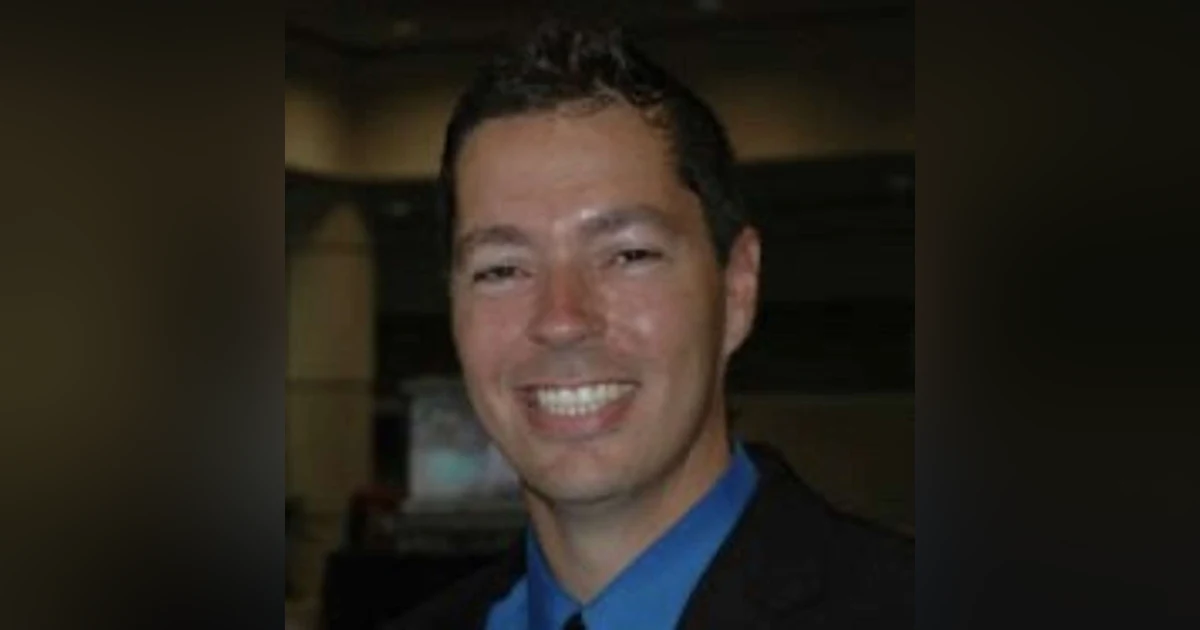

In this episode of Legends of the Cue, Allison Fisher, Mark Wilson, and Mike Gonzalez sit down with one of pool’s modern legends—John Schmidt, affectionately known as “Mr. 600.” Schmidt etched his name in billiards history by surpassing Willie Mosconi’s fabled 526-ball straight pool record, a mark that stood unchallenged for 65 years. But as listeners quickly learn, his story is far richer than a single number.
From his humble beginnings in Keokuk, Iowa—born on a bridge, no less—to a childhood shaped by blue-collar toughness and resilience, Schmidt’s path was anything but conventional. Growing up in small towns, delivering newspapers, dreaming of a BMX bike, and competing in youth sports, he eventually stumbled into pool almost by accident. What started as casual games with his younger brother in California soon lit a fire that would carry him into the heart of America’s pool halls.
Schmidt recalls the fascination of seeing a cue ball draw back for the first time, his early struggles as a self-described “walking ATM” for seasoned players, and how observation, grit, and money matches forged his competitive edge. With candid humor, he paints vivid scenes of smoky pool rooms, $10 sets that felt life-or-death, and the intoxicating blend of gambling and learning that shaped his formative years.
Throughout, Schmidt’s love for golf, respect for mentors like Bobby Hunter, and admiration for fellow champions add color to a narrative that is as much about character as it is about cueing balls. Listeners are given an intimate look at the roots of a man whose resilience, fearlessness, and relentless drive would eventually propel him onto the world stage.
This is the first of four conversations tracing Schmidt’s remarkable journey—equal parts grit, heart, and history.
Give Allison, Mark & Mike some feedback via Text.
Follow our show and/or leave a review/rating on:
Our website: https://www.legendsofthecue.com
Apple Podcasts: https://podcasts.apple.com/us/podcast/legends-of-the-cue/id1820520463
Spotify: https://open.spotify.com/show/4Za0IMh2SeNaWEGUHaVcy1
Music by Lyrium.
About
"Legends of the Cue" is a cue sports history podcast featuring interviews with Hall of Fame members, world champions, and influential figures from across the world of cue sports—including pocket billiards, snooker, and carom disciplines such as three-cushion billiards. We highlight the people, places, and moments that have shaped the game—celebrating iconic players, memorable events, historic venues, and the brands that helped define generations of play. With a focus on the positive spirit of the sport, our goal is to create a rich, engaging, and timeless archive of stories that fans can enjoy now and for years to come.
Co-hosted by WPA and BCA Hall of Fame member Allison Fisher and Mosconi Cup player and captain Mark Wilson, Legends of the Cue brings these stories to life—told in the voices of the game’s greatest figures.
Join Allison, Mark and Mike Gonzalez for “Legends of the Cu...
Welcome to another edition of Legends of the Q. And Alison Fisher, tell us a little bit about who we've got today.
Allison FisherWe're very, very lucky. We've got a very special guest, Mr. 600. And I think it would only be right if Mark Wilson introduced him.
Mark WilsonWell, I would have to say we have Pool Megastar and the first man ever to beat Willie Muskone's all-time high run after 65 years, John Schmidt. Welcome, Johnny.
John SchmidtHey, thank you, Mark. It's an honor to be here. I'm a huge fan of yours and a good friend. And of course, uh, I'm a super fan of Allison. When I heard she was going to be involved today, I was very excited. She just exudes charm, beauty, elegance, talent, and I've looked up to her for many years. So it's an honor to be here.
Allison FisherWell, John, I better pay you later for that. That was lovely. Thank you so much. And it's great to see you. I haven't seen you in quite a few years.
John SchmidtYeah.
Allison FisherAnd uh, where are you coming to us from?
John SchmidtRock Springs, Wyoming. Um right in between uh like Denver and Salt Lake City, kind of out in the mountains.
Allison FisherVery nice too. And it's gonna be uh a fun interview, this going through your life story. And uh, Mike, would you like to kick that off? Well, Wyoming, that must be mountain time, huh, John?
John SchmidtYeah, I found out yesterday. But uh it's uh it's out in the middle of nowhere. Almost everybody I talk to says uh they don't even know where this is at, which I kind of like.
Mike GonzalezYeah, yeah. Well, it it sounds like you got our Allison Fisher script, but uh I gotta say, before we went on, you were really gushing about her. You kind of low-keyed this time, you know?
John SchmidtWell, I just I I mean, she's obviously gorgeous, and there's that, but she's just so charming and elegant and friendly. She's made a point to always say hi to me, and she's a real superstar, she's a real legend of the queue. So whenever I see her at tournaments, all the people are trying to get her picture and autograph. And she always made time for me, and I never forgot that.
Allison FisherOh, thank you, Joe.
John SchmidtYeah, you're a sweetie.
Allison FisherDoes every every one of the 23,000 residents know you in that town?
John SchmidtNo, no, I mean I've got a pretty good friend base here, which is why I'm here. But um, no, about twice a week, somebody'll tell me that their uncle could play me pool, you know, who works in the mine or something. It's cute. They're like, oh, he's in the league, he's top 10 in the league. You guys should battle. I'm like, yeah. Yeah. Yeah, that goes.
Mike GonzalezYeah. Well, you know, pool and guns, how could you and Mark not be good buddies, right?
John SchmidtYeah, yeah. I mean, I almost don't trust somebody that doesn't like guns, but don't get me started. I I just I like them, and you know what's funny, real quick. The this is the least populated state in the country. There's 500,000 people here, and there's about 7 million guns. And it's like the safest place I've ever lived. So there you go. People say, Well, the guns are so, yeah, I don't know. But uh when people ask me if I like Wyoming, I say, no, the weather's horrible, there's no jobs, and the crime is like stay in California. Brilliant.
Mike GonzalezWell, great to have you. And as you know, we're we're here to tell your life story. And and and just so you know, uh, of course, you know it's a brand new podcast, but you are our first guest.
John SchmidtThat's quite an honor. You could have picked anyone, thank you.
Mike GonzalezAnd as we talked about yesterday, we figured we'd spend the first half of your interview kind of talking about golf. Uh, I think Allie and Mark can probably just go get a coffee or something, come back in about an hour, and then we'll cut it up with pool. What do you what do you think?
John SchmidtYeah, really. You know, Mike, I thought about that yesterday. I really it's kind of a dangerous balance. If I start talking about my golf life or bragging about what I did, I feel like I'll get lambasted. But I will say I loved golf and it was a big part of my life, and so I miss it.
Mike GonzalezI haven't played in 10 years, but but uh well we'll talk about we'll talk about that. Uh but let's just go back to the very beginning. Um, I think you were born in Iowa, weren't you?
John SchmidtYeah, I was born in Keacuck, Iowa in 1973, and uh moved, you know, lived all over the country, but uh that's where I was born, right on a bridge. We didn't make it to the hospital.
Allison FisherIs that right?
John SchmidtYeah. A policeman delivered me. My mom was in labor at 16 years old in the back seat of a cab, and I got born on the bridge there by a police officer, from what I was told.
Mike GonzalezWow, darn. They got that on your birth certificate then?
John SchmidtUh no, no, it says I was born in Kiacuck in the hospital, but I really wasn't in the hospital. So yeah.
Mike GonzalezSo tell us about early life uh growing up in uh in Kiacuck. Were you there long?
John SchmidtNo, no, I mostly grew up in like Paris, Tennessee, and uh a pretty typical upbringing, you know, little league baseball. I had a paper route. Uh, I had a B my dream was to have like a mongoose BMX bike. Um I mean, I really lived a very typical American 10-year-old kid uh upbringing, you know. So it wasn't anything. Um, I mean, there's obviously a lot of things I'm not gonna bore you with, but in some ways it wasn't typical as I was adopted, never met my father. And so that that sounds like a sob story, but it shaped me in many ways and helped me through life, made me a little bit tougher, more resilient. Um, I wasn't a silver spoon kid or, you know, grew up kind of on the poor side. So I think that's helped shape me in a lot of ways. It's been good.
Mike GonzalezAnd I've heard, you know, of course, pool and golf with you. If you were like Mark and Ali, you were a sportsman too.
John SchmidtYeah, you know, most of the pool players are pool players that fell in love with golf. And I was a golfer who fell in love with pool. When I grew up, my hero was not Efren Reyes or Earl Strickland, it was Fred Couples and Greg Norman and Lanny Watkins and Bruce Devlin who you're friends with, Mike. So I was a golf nut, and I just stumbled into pool accidentally one day, and and I thought it was uh fascinating right off the bat.
Mike GonzalezSo tell us about uh finding pool then.
John SchmidtWell, well, I'll never forget it. I'm in Hesperia, California, in like 1991 or two, and I'd only played pool once. I played my brother, my little brother who's passed away now, but it meant the world to me to beat him. We were competitive and stuff. And so we would have about six dollars in the whole world, and it was three dollars an hour to play, so we knew okay, we could play two hours, and we would just keep track of the amount of eight ball games, and whoever was ahead at the end of the six dollars was the world champ, you know. So I played one time with him, and I can't remember who won, but let's say it was me, just since he can't debate it. And and I remember I walked out of now. You know, as a golfer, Mike, when you make a good strike on a golf ball and it hits the green, it spins, it was solid. So I'm walking out the door and I see this guy make the cue ball go backwards, and I go, Whoa, because I didn't know you could do that. My brother and I are just rolling the ball around with house cues, and he says, Oh, I'm Mike, I'm the owner. And he was really a good player, probably a 700 Fargo. But anyway, what's your name? And we go through all that, and he has me hit a shot and he shows me how to put my tip low. And now I've only played pool like two hours of my whole life, and he has me make it draw back 12 inches, and I was like, Holy cow, that's neat! And uh, so then I started going down there once a week and playing the little ABCD tournament, and they made me a D player, and I never won a single game. I mean, I was the worst pool player in the world, but I thought it was fascinating because I heard people talking about playing for money, and and uh I remember this woman one time, Debbie Brown, she plays me a race to seven for five dollars, which was probably my life savings at the time. I got twice that much now, but she beats me, she beats me seven zero, and I quit. And I remember her calling me a knit. Well, I didn't know what that meant. So I go up to my buddy and I go, hey, that Debbie, um, you know, she beat me seven-nothing, and then she called me a knit. What does that mean? So, so that was kind of my introduction around pool and the gambling, and I'll never forget it. That's funny. They still call me a knit, but whatever. At least I know what it means now.
Mike GonzalezSo, how how old were you at this time?
John SchmidtI was 18, almost, probably almost 19. Well, no, let's see. That was in 92. Yeah, I would have been almost 19. Yeah.
Mike GonzalezYeah. But you would have played up until that time, you would have played the typical American sports, I assume. Uh baseball.
John SchmidtYeah, yeah, BMX racing and baseball and um soccer. I played. I didn't like soccer much. Um the baseball, I just could see I was a runt. I was never gonna be like Mark Wilson's size. I could throw it fast enough or hit it far enough. And so when I got into pool, I saw immediately, here's something that kind of a small, weaker person could compete at against the biggest, toughest guys. And I like that because I always, you know, in golf too, they could hit it past me and it just pissed me off, you know.
Mike GonzalezMark, does that sound familiar?
Mark WilsonOh, yeah. Baseball is my thing, you know, for sure. Um John has so many different rich stories along the way that I'm sure he'll get extemporaneous along and let us know some of his history in sports, and then uh guns came into your life too, John.
John SchmidtYeah, well, my well, my stepdad that adopted me was a construction worker, blue-collar beer drinking. I mean, he was a tough guy. I seen him with my own eyes, and he protected me a few times when people tried to attack me, and he beat the living you know what out of people right there in broad daylight. So he didn't take no, he didn't take no guff from nobody. And I kind of grew up with that. I remember a guy picking on me in high school, and you probably can figure out where this is going. But my dad said to me, You're gonna take an ass whooping, but you've got to fight this guy. You you cannot just let this go on. Either fight him or or you might have to fight me. I I just can't tolerate you getting picked on like this. And so that was his mentality, and it kind of bled over into my pool career where I'm I was real quick to just play people when they barked at me. I played them. I didn't back down. I knew that that's what I was supposed to do. I gotta fight back. And so my dad shaped me in a lot of ways. And you know, with the guns, he was a gun nut, an ex-military guy, and a tank driver in the military. And and so my first gun at 12 years old was a 20-gauge shotgun he got me for my birthday, and it was just like uh getting a Lamborghini or something when you're 12 years old. That was really, you know, that's like your dad saying, I don't think you're a full-blown idiot. I mean, he gave me a real gun, you know.
Allison FisherHe definitely didn't think you were a knit, did he?
John SchmidtNo, no, no, he he he uh taught me a lot about guns and and and I think um raised me to be a proper American and a patriot. And you know, I I say a lot of things and I talk tough and I get mad, but there is some things I'll die over, and my gun rights are one of them.
Mike GonzalezDid you hunt as a kid?
John SchmidtWe went quail hunting and rabbit hunting, um, but it was kind of traumatic for me. I remember I shot a rabbit and we're gonna cook it up in the whole nine yards, and I hated it. I kind of didn't like just shooting because it just felt like why am I shooting this little harmless animal? You know, it didn't do nothing to me. So I wasn't real big on it. Um, but my dad was a deer hunter and stuff, and so I, you know, I've been around that culture, and and I understand you gotta you gotta do it, and there's you know, but I never really was into the hunting, to be honest with you.
Mike GonzalezYeah, I mean that was pretty common where you would have grown up, where I grew up, certainly where Mark grew up. I don't know, Allie, in in England was is hunting much of a thing? Not at all.
Allison FisherNo, absolutely not. So when I came over here, I was like, whoa, my eyes were opened very large over here, but yeah, at least you ate the food, though. Yeah, yeah, yeah.
John SchmidtNo, and I understand, you know, like like here in Wyoming, if there's way too many deer or elk, and they give out a certain amount of tags, and that money goes back into conserving the animals. Hunting is great for the animals, people don't understand that. It's actually great because the the hunting tags provide for game wardens that keep people from poaching, and we build bridges across roads for two million so the elk don't get hit. And so it's the hunters are necessary, uh, but many people don't understand you know how it works.
Mike GonzalezSo yeah, yeah. Well, let's go back to your early pool then. You you mentioned uh one of the attractions uh for you to the game was you saw that as sort of a an equalizer in terms of build and size, but as you got to plan, what really kept you hooked to the game?
John SchmidtWell, well, to be frank, I mean it was a monetary thing. I grew up with nothing. I mean, you know, I I've dead a paper route, I've delivered pizza, I was a janitor, I've had all those kind of jobs, and I was making $4.25 an hour doing hard physical labor. I mean, it was not fun. And so you work all week and you get a check for $82, and then I'd go to the pool hall and some guy would say, Hey, come on, I'll play your race to nine for $100. And I thought, man, if I could figure out how to beat this guy, I could make some real money, but I couldn't beat him. Um, and and so the the monetary side of it was big. And also, like with golf, it was kind of expensive to have a membership. I couldn't afford that, the gloves, the balls, and all of it. But with pool, I could walk in and just sit there like a bum and do nothing until I got a money game. And and my earliest money games were like like races of seven for $10. And I would be thrilled to win two sets and pay the time and make $16. I mean, that was a big deal because that that let me come back to the pool the next day with a little ammo where I could play a couple more people and learn. I mean, I was just in action all the time, and I was terrible. And everybody loved me because I was a walking ATM machine with ears. I mean, I would walk in and they would all light up like, oh, the Schmidty committee's here. They loved it. They loved it. I did tell a guy though, and it's and it's like I said, maybe my upbringing, but I remember this guy and he passed away, but he said to me, and he was one of the better players, and he was giving me the seven ball. He goes, kid, you got the seven for life. And I said, I said, his name was Dean. I go, Dean, you know, I'm one of the best golfers in the state of California from my age. If I played pool as much as you, I would torture you. You'd get the seven. And he laughed and everybody made fun of me, but I believed it. I said, Hey, if I play pool as much as you guys, I'm not as retarded as you think. You know, and but this was like two months in, so I was in no place to be telling people how good I was gonna be. But I just felt like it the game was similar to golf, and I know what I did at golf, and I think I could do this if somebody would teach me.
Mike GonzalezYeah, you know, yeah.
Allison FisherSo where did that what happened then with the teaching part? And where did it turn around for you? Well, the money to become a better player.
John SchmidtAllie, to be honest with you, it was two ways. It was the money games, like the race to seven for ten dollars, and then it got up to where I was playing for fifty and a hundred dollars, which in 1992 and three, and you have $200 in the whole world. I mean, these were like there's a part of your brain that has to light up to figure this stuff out, or you're gonna be like homeless. So when I was playing a set for like a hundred dollars and I had 200 in the whole world, I mean, it had my full attention. And it was sink or swim, and I was reading the magazines, I was watching Mark Wilson do commentary, I was watching you on ESPN, Allison. I mean, it I was taking it all in as fast as I could. And what happened was the players that I were playing, they were where they were at. But what they didn't realize is on a Tuesday night, I was able to lay there at night and envision what I was doing and think and remember and copy and come in Thursday. I could now beat the guy that I broke even with on Tuesday, and they couldn't wrap their head around it. Not saying I was great, but I was better than Billy Bob and Booger and Stinky over here, you know. So it it that's how it all started.
Mark WilsonYeah, you know, that's how it all started. That keeps death videos too, right, John?
John SchmidtOh, I mean, everyone. Well, that was a little bit later. Once I started going to hard times, and I'll tell you how that happened, real simple. I asked a guy in the pool room one day, I said, Look, I don't want to be the best player in the pool room. I want to be like one of the best players in the world. Like, where are they at? And because I didn't know who Earl Strickland was or not. I'd only been playing like eight months at this point. And a guy says, Well, I would go down to hard times in Bellflower and watch guys like Tang Ho and Keith McCready and Efren Reyes is there sometimes, and you know, and then I started looking at magazines that were on the counter and I'm noticing the same names. So I made a you got to understand, this was hard for me to get 90 miles down to hard times. I don't have a car, I gotta ride with a friend, I don't even have a queue. But I found it interesting. And the first time I watched the pros play live, to say that I was mesmerized and blown away. I just thought like, there's no way a human being can play pool like this. This isn't even real what I'm looking at. Um, the first match I ever saw, I paid $10 and I was watching Rafael Martinez play Mike Siegel in like 1992 at the bicycle club. And I'd been playing pool now about eight months. I mean, I couldn't play Dead in the Western. And I watched that match, and man, was I hooked. You know, I saw the spins and the draws and the crowd going nuts. It was something. Yeah, it was really something.
Mike GonzalezWell, you guys know uh the billiard venue he's talking about.
Mark WilsonOh, yeah. Yeah, I played there. I was probably at that tournament, as a matter of fact.
John SchmidtYeah, you I you were, I believe, if if I remember right. Yeah. Yeah. It was wild back then.
Allison FisherI was gonna say the bicycle club's memorable for me because that's where I won my first national.
John SchmidtThat's right.
Allison FisherYeah, that was great place. Yeah, really.
Mark WilsonEfren Reyes was there.
John SchmidtWell, a couple of my friends said, Hey, John, you know, jump in the car. We're gonna go down and watch the pros of the bicycle club. And and I was like, How much does it cost? They said ten bucks. I was like, Oh my god, I'm going, you know. So I went down there and watched, and I and I remember um, you know, you can't talk during the thing, you gotta be quiet. And I remember seeing this is what really maybe got me realizing there's way more than I was seeing. I remember Rafael Martinez, I specifically remember him shooting a nine-ball in. So there's no more balls on the table, you're not playing shape on it, and he spun it with outside English. But at the time, I'm like, okay, I know these guys are good, but but why would he shoot it with side spin? I didn't, I couldn't. My buddy goes, no, that's the right way to play it. So I couldn't wait to get back to the pool room and have somebody explain to me in detail why, because I thought side spin was harder. That's what I'm reading, that's what you're telling me. And then this guy in a tournament, is he just showing off? What's happening here? So, so I was fascinated with the stuff I didn't understand, and it just kept me uh captivated. And here we are. You know, I never would have imagined 30 years ago. I mean, it seems surreal that Allison Fisher would want to hear what I have to say, Mark Wilson would want to talk to me. You know, it just it doesn't even seem real.
Allison FisherIt's very entertaining. I'm loving it so far. So much fun.
Mike GonzalezUh the way you learned, it sounded like most of it was through observation.
John SchmidtYes. Well, that's how I learned golf. I mean, I would watch golfers and the way they took the club back and their tempo, and I just feel that I feel like the best players in any craft are very good at um observing and emulating and copying. You know, and and like Allison and Mark and I, we have seen a pool cue move through space and time correctly so much that we just know what that looks like. Now, to where when we give a lesson, if the student is not moving the cue at the right like speed and timing, it just instantly looks like a car wreck to us because we've seen it done so much, like somebody playing a violin. It just looks right in our mind. Um, so yeah, observation and and and of course, I was also lucky that um, you know, I had some people help me and show me things and teach me because we didn't have YouTube back then and and internet and Facebook Live. I you had to read it in a magazine and go dig in the dirt and figure it out. You know, like the golf saying, dig in the dirt, that's where you find it.
Mike GonzalezYeah. Anybody in particular you'd want to talk about and highlight in terms of influencers or teachers?
John SchmidtSure. I mean, for one, all the people that played me the money matches. Without them, I it would have been a too long of a process. Um, once I showed some promise, Bobby Hunter took me under his wing, who I'm sure Allison Fisher and Mark Wilson know. Great guy and a great player. And he showed me straight pull right off the bat. And then I really got to give a lot of credit to the accu stats because I probably watched like in '93, '94, '95, '96, was when I was real heavy into it. I probably watched a hundred different matches on accustats. I've listened to Mark do the commentary or play in them. And so that's who really shaped me and shaped my career early. And Allison was on ESPN every weekend, you know. So I mean, just flashing gang signs and running dead out, winning championships. So I learned a lot watching you, Allison. You shoot straight as Wyatt Herp.
Allison FisherThank you. You do so interesting hearing you say all this. You know, the way you began, and you know, yeah. The money, the money. Which is because I was I was brought up in a completely different environment, which was just tournament play.
Mike GonzalezSure.
Allison FisherSo that's all kind of wild to me to hear it and how much it meant meant to you.
John SchmidtI I really didn't I probably would have tried to do that, but I didn't have the money to enter the tournaments. I didn't have a car to get to the tournaments. I mean, I grew up, you know, like you gotta understand, it's almost like nobody that that graduates college with a degree is gonna be a pool player. So obviously, a byproduct is we're usually not real rich growing up. And so it kind of fits together. You know, usually a pro pool player, you interview them, they're not like, well, my dad was a heart surgeon and I was at the country club and just cook up nine ball. It doesn't like like when I, you know, I was telling a story once. When I go to one pocket tournaments, I'm around like drug dealers and felons and criminals. And then I go to a straight pool tournament and it's architects and lawyers and doctors. So I see it all isn't it? Yeah, it is.
Mike GonzalezThat's interesting. Of course, uh I've talked to Mark and Allie about this. My observations of the pool world and how it compares to the golf world. You can imagine the 108 people we've interviewed, John, their backgrounds, they're a little bit different, aren't they?
John SchmidtOh, yeah. Yeah, I mean, you know, everybody's different, and I'm not gonna like generalize the whole thing, but like with the PGA tour players, people are kidding themselves if they think these kids don't come from money. You know, their parents were rich and they got to play golf since they were an embryo. And then at 12, they're in the USGA junior championships, which cost thousands to travel around. And so, you know, there's there's that like racing. The guy with the most money wins. You know, the the journeyman guy is rebuilding his motor in his garage on his own dime every four races, but the factory guy has a brand new car every weekend and and a mechanic to do all the work. So, any, but that's what attracted me to pool, you guys, to be honest with you. With pool, you could be short, tall, rich, poor, black, white, and grab a house queue off the wall and compete. With golf, there's sort of that barrier of like, well, you don't even have a golf membership. How are you gonna practice? And so um with pool, I always I always like the fact that anybody can compete at it. And, you know, fortunately, I ended up one of the better players in my craft, and I had to compete against everybody. There's not like, well, John Schmidt was rich, so he had all the opportunities. So that's a that's a uh uh thing I wear with pride, and it's and it's um, you know, in pool, it's kind of a common, common thing.
Mark WilsonOne thing I would add is that uh I think maybe the hard, tough route that you had, your dad uh taught you how to be mechanically inclined where you could fix things and get your hands dirty and work hard and fight that kid. Yeah, I think that grit really showed up because pool is so hard. Yeah. Some of that, and then like you're saying, scratching by trying to win ten dollars was a big deal. Oh, yeah. Those things add to that depth that you don't get if you're blessed with good uh wealthy family. Right, right.
John SchmidtSo no, you're right, you're right. Now looking back, looking back, Mark, it's funny because I remember when I was, you know, competing in high school championships. I lived about an hour from Tiger Woods. Well, we didn't call in Tiger Woods, his name was Eldrick. I mean, he wasn't a big deal. He was a great player for his age, but he wasn't Fred Couples, he wasn't Greg Norman. He was just a kid like us, and so I when I watched him play in person the two times I had to compete with him, I mean, I seen a million kids that age that hit it like that. I was like, big deal. So I I look back and I say to myself, you know, maybe, maybe I was a little better at the golf, and if I would have stuck with it, I might have could have done something with it. But I just thought, like, well, Tiger was the best in the world for our age, and he isn't gonna be a pro. He isn't gonna make it. Well, not only did he make it, he became the best player in the world. Just like when I got into pool, I never could believe that maybe someday I could play similar to a Johnny Archer or Rafael Martinez. I mean, that I'm just trying to beat Booger over here for $10. So I never in my mind thought I could do that. And I kind of wish I could reverse the clock when I had the chance at golf. Because the guys that were my level at my age, they did turn professional and they did. I mean, I'm not talking club pro. I mean, they went on tour. You know, I grew up with the best junior players in the world, and I just went and became a bus boy why they went out on the PJ tour, and I'm like, what is wrong with me? I was thinking kind of like kind of uh defeatist, you know.
Allison FisherWell, I have a questionnaire. Did you have a mentor at golf? Anyone pushing you that?
John SchmidtNo, not at the golf. No, I just watched it on TV. Yeah, watched it on TV.
Allison FisherIt might have made a big difference to you if you had somebody pushing you in that direction who believed in you.
John SchmidtYes. Well, you know, anybody that listens to me, I say stuff like, you know, I talk about my straight pool numbers, and I of course it's fun to brag and talk about my high runs, but that's that's not really what it's about. The straight pool, I remember in golf, you're trying, you know, like look, Mike, you know this. If you're a really good golfer and you say, I went out and played golf this week, and people don't go, Well, what did you shoot? Well, I don't know. I just hit the ball around. No, you keep a score. It's all about the score, that's all that matters. And it's the same with pool. Bobby Hunter told me, if you can run a hundred balls, you're a great player. Now, if you can run a hundred balls every day, man, you might be able to quit your job and go out on the pro tour. And he goes, If you can run a hundred balls two or three or four times in a day, like you can win championships on the pro tour. So I was like, I'm in Carson City, Nevada. I have no way to know that that's true. He knew. So I got obsessed with the number. With golf, there was a number, with pool, there's a number. And so my mentor was always that invisible opponent of like for you, Allie, it's running a century at Snooker. You knew when you could do that, and you could do that at will, you like who's gonna beat you out there at the at the um the big tournaments on live television. And so that was my barometer. That's what applied pressure. Um, and and then when I went out to my first, I guess we jumping ahead a little bit, to my first pro event, you would call me a rookie, but at 30 years old, I had run over 200 probably 60 times by then. Like I was not no rookie on a pool table. I knew what I was doing, but I was thought of as a rookie, and I was able to beat Alex Pegalion in my third professional tournament, the Reno Open. How could you do that? Because in practice, I was going against that number incessantly to where I knew Alex isn't gonna do any better than run a 200 every day. So when I draw Alex, he's not even there in my mind. I'm just playing the table, if that makes sense. That was the way I did it.
Allison FisherYeah, that's the perfect way to be. And it's I think it is.
John SchmidtI think it is. You had your own stats to I had my well, the golfers do the same thing, Allie. If they're at their home course shooting 65 every other day, they know they're a threat to go do it on the PJ tour, the hole's the same size.
Allison FisherSo, something I want to know also is what did it feel like when you first broke a hundred?
John SchmidtOh, I rem oh, I remember it like it was yesterday. My high run was 42, and I'd been playing now, I'd been playing some pool. This was in this had to be in 95. So I've been playing pool three years, but I'd only played straight bowl for two months because I mean I just had met Bobby Hunter in Carson City and all that. So my high run was 42, and I remember running 112 on a world, and I'm sure it was ugly. I mean, I don't remember, but I'm sure it was ugly. It was a 112, and I mean, this was before cell phones, so I couldn't wait to tell everybody I'd ever met, and they didn't understand the magnitude of it. But here's where I really knew something changed. I remember this now pretty vividly. I wasn't able to do it for like another like four days, and then boom, I do like another 115 or something along those lines. And then lo and behold, if I remember right, I do it again like two days later, and then I finally have back-to-back days where I run a hundred. And then, and then I had days where I couldn't do it, I'd run an 80. Then I ran a hundred, like something crazy, like eight or 10 days in a row. And then you know where this is going. I had my first day where I did a hundred twice in the same day, and then I was like, What's up now? You know, like and and I just would I would go to LA and I would play people for money that you know they didn't know me, and I was just this kid. And when I was 23, I looked 13, and and so people just really underestimated me. And it was just like walking around just finding hundred dollar bills on the ground for me. I never because I didn't have to play champions, I got to play the ding dongs like me, but I really wasn't a ding dong. I was running centuries and nobody knew it. So I think straight pool is what pushed me over the edge and kept me alive financially, and I was able to secretly um improve without people knowing it. Nowadays, when you win a match on live stream, everybody looks up your Fargo and they know how good you are, but I was like in the shadows. I mean, can you imagine how tough it's gonna be to play a kid that's running 100 every day and you've never heard of him? Like, I assassinated a lot of people that thought I was a jump. And at the end of it, they're like, Who are you? Where are you from? And I'm like, I live up in Hesperia, up in the ghetto.
Allison FisherAnd you were making life-changing money for you.
John SchmidtFor me, I was now looking back, you would laugh. This is no money to you guys. But I mean, I probably I remember starting with $12, and a year later I had $18,00 in a band of hundred dollar bills, and I left it with my dad. And my dad was like, my dad thought I was just out playing drunks. I go, no, dad, I I'm becoming one of the best players in the state of California. Like, there's maybe only 10 people out of 40 million that'll play me for money. And of course, he's looking at me like, wow, my son's an idiot. Like, are you crazy? And so I remember him watching my first money match against Ismail Paez. This is the 19. No, this would have been in 2000. I'm skipping ahead, but 2000, because he had just got second, Earl Strickland, in the in the Cardiff Wells. So my dad's never seen me play pool. And I'll condense this down. But basically, I say, Dad, I'm gonna go down and play this guy named Moro, and he's probably the best player in California or one of the top three. So my dad drives down and he watches him in Riverside, and he watches him for a half an hour. And my dad is like, You can play that guy pool. I mean, my dad had never seen nobody play like this. And my backer tells my dad, Well, we think John's the favorite. So I my dad has to go to work. He's a machinist, he has to get up the next day and do that. I come stumbling in 22 hours later, and I was three sets winner. And that's when my dad really knew I wasn't just out hustling drunks, that I was a legitimate force to be reckoned with. Um, you know, because he was always like, When are you gonna get a real job? I go, Dad, I never had any money when I had a real job. Now I'm a pool player and I got so many hundred dollar bills, I don't know what to do here. So it was it was a whirlwind. Like the mid-90s was a real whirlwind for me. Um, just going from dead broke to, you know, when you have 18 grand and you're a single guy, 25 years old, that's like having a million dollars. Gas was 90 cents a gallon. Like I was on top of the world, and I hadn't even played a tournament yet.
Allison FisherDid you think it was never ending then at that point?
John SchmidtNo, no, no, that's one thing about me, Allie. Growing up poor, I always knew because the guys that I was playing for money, like they wouldn't play me. I'd come back and meet them. Now they're asking for weight. So I tucked that money away and I didn't know for what, but I knew to save that money because everybody you beat, that's one person you can check off the list that don't want to play you. But those people became my friends and supporters and backers. So some people it they I beat them and then they wanted to see me progress and they helped me.
Allison FisherJust wanted to touch on that. You mentioned you started to have backers, so what happens then?
John SchmidtWell, that that well, the first backer ever, I remember Bobby Hunter, who was my hero, backed me in Reno. This is probably 1996, because I'm living at Carson City, I'm around Bobby every day. And I played this kid named Jeff Beckley, who was a hell of a player.
Allison FisherI know Jeff, yeah.
John SchmidtYeah, probably the best player I had ever, you know. I'd seen him in Pro Billiards magazines, and he played like Bob. So Bob out of the blue, I'm sitting there and I'm really unknown to anybody that can play. And Bobby goes, Jeff, what do you want to do with my buddy Schmidty here? And Jeff's like, bet real high. And Bobby goes, Well, I'll let you play. I made ahead for a thousand. I don't think I'd ever play for more than $200. So I was bordering on a heart attack. I've always struggled with performance anxiety and stuff. And so I was like, Oh my god. So I get up there and I play so horrendous, you cannot believe it. And Jeff's on the hill. He's up seven games. I'm gonna lose. And Bobby Hunter pulls me off to the side and he goes, Look, I expected this. You needed this. I figured you wouldn't be relaxed. And you were gonna lose, and it's okay. You learn from this. So that little pep talk, I don't know, calm me down or if the luck changed, I somehow pull the coin all the way back to even, shaking like a leaf the whole time. And Bobby pipes up and goes, Hey Jeff, you want to bet 2000? And Jeff goes, sure do. And I beat him, Allie. And at the time, that was like the biggest moment of my life. I mean, it was looking back, it's just another battle. But at the time, this was the most oh, it was the most money I'd ever played for in front of my hero, Bob, against the guy I'm scared to death of. I mean, it was something.
Allison FisherBig turning point.
John SchmidtIt was a big turning point. And Bobby goes, I'm telling you, you might be something special. He goes, You don't have near the experience that he's got, and you found a way to dig in and beat him. He goes, I'm I don't know what to think. You might be able to really make a living playing pool. Because I still wasn't a seasoned pro yet, but I was knocking on the door.
Mike GonzalezI'm sure for all of you, as you look back on your careers, you see your careers as a series of building blocks, these little experiences like that that build on one another, including playing, you know, with the heat on and with the pressure on, and and and they all just sort of accumulate to the point where, okay, I'm ready.
John SchmidtYou're absolutely right, Mike. And the the most you know we hear these corny sayings, you you learn more from losing. I've taken some brutal losses. I've slept in my car and lived on a candy bar for two days, freezing to death a hundred. Well, maybe not a hundred times, but enough. And those experiences shape me um in how to match up, how to save my money, how to treat people. Because if you treat, I don't care how good you play, if you treat people bad and you lie and steal and cheat, they'll figure it out. And they won't help you, and you can't, you can't make it. You know, the reason that Mark is my friend is I I think Mark believes more in my character than my game. And and I've earned that. I've treated Mark the way I think he'd like to be treated. And and so that helped me a lot. When I lost, I tried to look them in the eye and shake their hand and pay them the money and not be a jerk and just do the best I can to take my lumps and learn from it. And um, and the people are everybody watches you more closely when you lose. When you win, it's easy to be gracious. See how you act when you lose all your money and you gotta go sleep in your car. Then you'll see who's who and what's what. And so that I learned a lot from my losses, believe me.
Allison FisherThank you for listening to another episode of Legends of the Q. If you like what you hear, wherever you listen to your podcasts, including Apple and Spotify, please follow, subscribe, and spread the word. Give our podcast a five-star rating and share your thoughts. Visit our website and support our Paul History project. Until our next golden break with more Legends of the Queue, so long, everybody.
Pool Professional
John Schmidt is one of the most compelling figures in modern cue sports, a champion whose story blends Midwestern toughness, road-warrior grit, and an almost monastic devotion to the craft of running balls. Known around the world as “Mr. 600,” Schmidt is the man who authored the historic 626-ball straight pool (14.1) run, eclipsing Willie Mosconi’s legendary 526 mark that had stood for more than six decades. But the number only hints at the journey.
Born April 12, 1973, in Keokuk, Iowa, Schmidt’s beginnings were humble, blue-collar, and formative in the way they taught him to compete and endure. In the Legends of the Cue conversations, he comes across as a kid shaped by small-town life, everyday responsibilities, an early understanding that nothing is given, and a stubborn desire to earn what he wanted. That toughness shows up later in his pool life not as bravado, but as an ability to keep going when the money is low, the rooms are hostile, and the pressure is real.
Before pool became the obsession, Schmidt was also deeply connected to golf, a thread that never really leaves his story. It isn’t merely a footnote; it’s part of his identity and, at key moments, a refuge and reset button when the pool road took its toll. In his own telling, the competitive instincts and self-discipline required in golf, managing emotion, committing to a process, staying present over long stretches, translate naturally to what elite pool demands.
Schmidt didn’t grow up as a junior prodigy with a formal program and a sponsor pipeline. He came to pool later than many … Read More