

 Apple Podcasts
 Spotify
 Justin Bergman - Part 2 (Action Rooms, Road Trips, and Junior Glory)
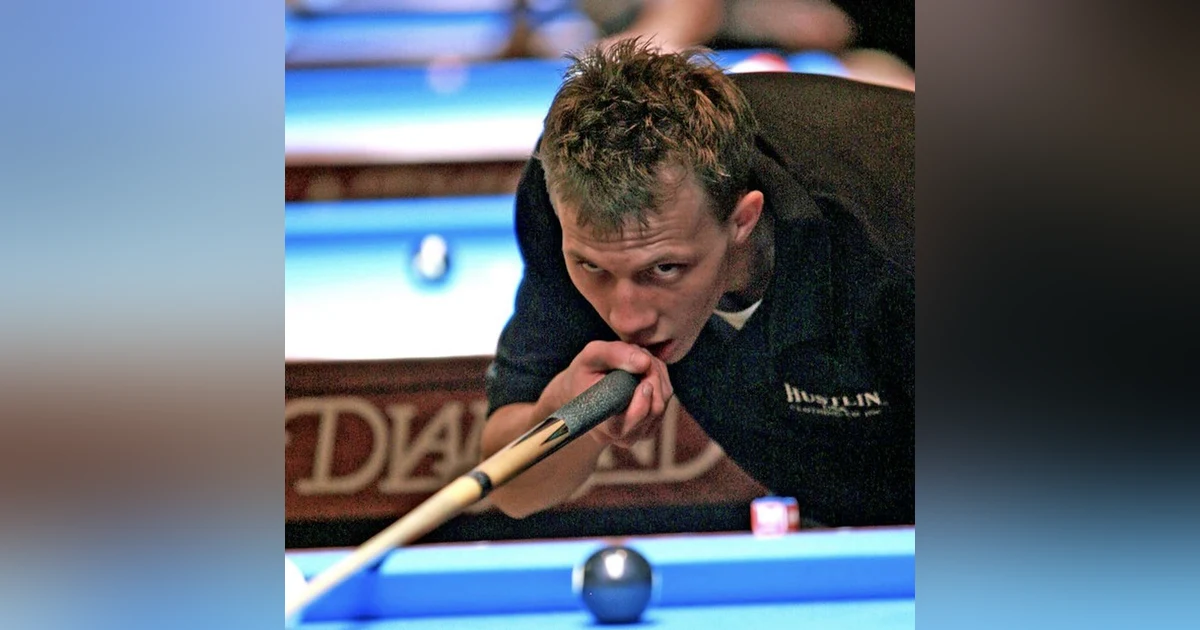

Part 2 follows Justin Bergman from gifted young player to feared road man, and it is packed with the kind of stories pool fans love. Justin talks about the pros and great players who passed through his orbit while he was still a kid, including Efren Reyes and other international stars who came through Mark Wilson’s room. He explains the way he really learned to practice — not through endless drills, but by throwing out all 15 balls and playing rotation, a method he still trusts today. The conversation also opens into a broader appreciation of cue-sport genius, with great discussion about Efren’s astonishing versatility and why certain players seem to see the game on a different level.
From there, the episode moves into the action side of Justin’s life. He recalls gambling as a teenager, keeping a ledger of players and places, flying to California for weekend scores, and taking a wild Reno road trip that turned into a marathon money match, near-disaster winter travel, and a four-year relationship that began in Utah. It is a vivid portrait of a disappearing pool culture — one built on backers, spot books, action rooms, and the constant search for the next game. Justin and Mark also talk about one pocket, the St. Louis gambling scene, and the late Mark O’Brien’s role in helping Justin develop into a more complete player.
The episode closes on Justin’s early competitive breakthroughs, including BEF Junior National success and overseas trips representing the United States, where he first saw just how high the international standard really was. It is a terrific chapter on education by experience, and on how talent becomes toughness.
Give Allison, Mark & Mike some feedback via Text.
Follow our show and/or leave a review/rating on:
Our website: https://www.legendsofthecue.com
Apple Podcasts: https://podcasts.apple.com/us/podcast/legends-of-the-cue/id1820520463
Spotify: https://open.spotify.com/show/4Za0IMh2SeNaWEGUHaVcy1
Music by Lyrium.
About
"Legends of the Cue" is a cue sports history podcast featuring interviews with Hall of Fame members, world champions, and influential figures from across the world of cue sports—including pocket billiards, snooker, and carom disciplines such as three-cushion billiards. We highlight the people, places, and moments that have shaped the game—celebrating iconic players, memorable events, historic venues, and the brands that helped define generations of play. With a focus on the positive spirit of the sport, our goal is to create a rich, engaging, and timeless archive of stories that fans can enjoy now and for years to come.
Co-hosted by WPA and BCA Hall of Fame member Allison Fisher and Mosconi Cup player and captain Mark Wilson, Legends of the Cue brings these stories to life—told in the voices of the game’s greatest figures.
Join Allison, Mark and Mike Gonzalez for “Legends of the Cu...
Justin Bergman
It was awesome. Mark would always bring pros in, you know. And I'm I could ride my bike to the pool. So Efran Reyes, he had there a f a few times. Why? Johnny Cocharo. And he was always uh he was for he played for Moscone Cup when Nick Vandenberg. He came when he was just a young kid to get lessons from Art. Him and another guy. I I still remember that. Do you remember that, Mark? Yeah. Um Shock was his name.
Mark Wilson
He passed away not too long ago. He was kind of the minder, but he played real good too. And then so Justin and Lawrence would always be the beneficiaries. They'd somehow get to train a little bit with them or play against them or watch them. And so they were pretty heavily influenced with Poole. It kind of was a dynamic that, you know, probably one of these things is kind of serendipity, but maybe by design, maybe there's a bigger thing here with our creator that somehow put you here at that time. Because I really had I'm a lifelong Cardinal fan. And uh I ended up here, but by I could never live in any city didn't have a National League baseball team just because I love baseball. So uh anyway, I lit in St. Louis and thought, well, I'll stay here two years and follow the Cardinals, and then you know, here we are, you know, 30 years later.
Mike Gonzalez
Yeah, yeah. So Justin, when you were when you were playing as a kid, was it just all about playing, or you were you disciplined enough in working with Mark to to in your practice work on drills and other things that did involve just playing nine ball or eight ball or whatever?
Justin Bergman
You know, I never really did drills unless like Mark made me. But I mostly I I remember just playing uh 15-ball rotation. I thought that was the best practice, and I I still that's how I practice. Like, you know, during the St. Louis tournament, everybody had uh, you know, their practice an eight ball or you know, there was a doubles ten ball tournament and everybody just had the ten balls. I always throw off 15 of them out there and run them in order. That's the only really practice I still do.
Mike Gonzalez
Yeah.
Justin Bergman
I don't really do drills or anything.
Mike Gonzalez
So tell me if you do much half-table 15 ball rotation, like Billy in Cardona told us about a story. He he walked in on Efren Reyes practicing one time and and they they barely acknowledged one another. Efren just kept on playing, but he just spread eight he just spread all 15 balls on half the table, proceeded to run them out in rotation, put them back out there, ran them out again, put them back out there, ran them out again, and Billy says it's it's probably the most marvelous display of of execution talent he's ever seen on a pool table.
Justin Bergman
That'd get pretty uh crowded. I mean, it's already crowded on a full table sometimes.
Mike Gonzalez
But just, you know, just it with kiss, bump, carum, you know, just all the tricks of the trade to figure out how to navigate your way through a half table 15 ball thing. I'd do you ever practice like that?
Justin Bergman
I never even thought about that. But most people would probably be right, right. That's that's efferent for you.
Mike Gonzalez
Yeah, yeah. I mean, Billy was just astounded by that. And and uh I think he quit after three racks, right, uh, Mark. Who knows how how far he could have gone?
Mark Wilson
But I've watched him do those things so often. Sometimes he'll put two racks of balls out there and play f uh 30 ball rotation, and you shoot the one, the one, the two, the two, and I've seen him run racks like that spread over a table. Yeah, and then the other thing he does uh in the Philippines, they have outdoor pool rooms, and he'll come to the table and scatter out the balls and put the one on the spot, start with a spot shot, run the entire rack. Then he'll put up another spot shot, run the rack, then the third time maybe he'll have one miss, he'll shoot that shot three times, and then he starts over, and he'll develop a 30 or 40 person crowd watching him practice like that because it's so stunningly amazing. Outdoors, like Justin said, wind blowing through your hair, flies landing on the cue ball, a jeep pulls up and gravel dust comes billowing across the table. That's just what happens. And but it's amazing how good he can play like that.
Justin Bergman
I heard Bustamani telling uh Scott Frost, they did a like a match room interview recently, and they asked Bustamani how uh he met Efren, and he said the first time I met Efren, they took me to play him and he gave me like 40 or 50 points playing rotation. That's like half the rack, you know, almost or something. And he uh hijacked Bustamani. Bustamani's like, Who is this guy? Like, you know, Bustamani was beating everybody in the Philippines, even. And you know, Efren just gives him half the rack and and beats him. That's crazy. That'll leave a scar. Yeah.
Mark Wilson
You won't forget that one.
Justin Bergman
Yeah, that's amazing.
Mike Gonzalez
What was your favorite game as a kid, Justin?
Justin Bergman
Probably nine ball. Yeah, yeah, because that's what the pros played. I liked eight ball. I I still like eight ball. Yeah. But uh yeah, probably nine ball.
Mike Gonzalez
You were too young to to have really experienced a whole lot of straight pool growing up, and so nine ball would have come into its own by the time you were playing, right? Yeah, yeah. That's what almost all the big tournaments were nine ball. Yeah, Mark, that's what you guys would have been playing back then, right? Always. Yeah, yeah. Very little eight ball.
Mark Wilson
Well, the eight ball, part of the reason they don't play eight ball is that there's never any standardization to the rules and there's tons of little is it open after the break? Uh if I scratch on the eight, uh, is a ball in hand, uh do I spot balls? On and on and on where nine balls a little bit cleaner, faster. ESPN said we had to quit for straight pool and go to nine ball to keep the uh attention span open. Keep it moving, yeah.
Mike Gonzalez
How about three-cushioned, uh, Justin? Did you play any three-cushion as a kid or even since then?
Justin Bergman
No, I wish I did. I I still don't. I think I've only played the game a a handful of times, but I got a lot of respect for. I mean, it's probably one of the hardest Q sports games there is.
Mike Gonzalez
Mark, you'd be an advocate of that, right? For a young kid just to kind of even out his skills a little bit. Absolutely.
Mark Wilson
What happened was I was too stupid, and I was around good billiard players, and they'd say, Hey, you're playing good pool, but come on, play some three cushion billiards. I'm like, ah, that's for old men that can't hit the pocket anymore. I'm not doing that. You know, and and and then because I was dumb, and then three years later, here I'm actually around national class three-cushion players. And so I did take it up and and truly love it and enjoy it now. But that was the difference that Efran has over everybody else. Uh he got so good in rotation that nobody would play him in throughout the Philippines. And so he took time off to three years because nobody would play him and just emphasized billiards. Now, not just three-cushion, but caroms. One cushion, two cushion, walk line. And kind of, I don't know if mastered would be the idea, but he won the consolation bracket at the world three cushion tournament. So and that's against Bloom Doll and Coolman's and all the top-tier guys. And while he was doing that, it was simultaneously there was a nine-ball tournament at the Beer Cafe in Chicago. So the World Three Cushion title was at Chris's, about three, four miles away, and he got permission to play his nine ball sets and then go across town and play the world class three cushion and back and forth. He won the nine ball tournament, beat Dallas West in the finals, and won the consolation bracket of the World Three Cushion Tournament simultaneously. Incredible.
Justin Bergman
But it's that's like Otani pitching and hit our hands.
Mike Gonzalez
Exactly. Literally. Yeah, just uh uh a a skill level that uh you can you can really appreciate uh because he's probably has no peer as you look across all the games he's he's become so adept at, right? 100%.
Mark Wilson
Some guys maybe could beat him a set of nine balls, they would not like it playing a one-pocket billiards, three-cushion, uh caroms, any any cue sport if they had to play a composite thing, even in this old age, I don't think anyone could beat him.
Mike Gonzalez
Yeah, yeah. So so Justin, as you were uh you said you at some point started traveling around the Midwest, uh playing some tournaments against all the best players in the Midwest. Was this before or after you had a car or were driving, or both? Um both. Yeah. So who was driving around? Your dad taking you from tournament to tournament?
Justin Bergman
Or he did. I had a couple road parts, Lars, the kid that we were talking about. Um he was like my first partner. Um an another guy was Chuck Ralston I used to ride around with. Um really them two, and then I kind of started to go off on my own. Justin Hall was another one. We had an adventure.
Mike Gonzalez
Oh okay.
Justin Bergman
A few of them. Do tell, do tell. Yeah. Um I think I was eighteen, I think we were still in high school, and there was a big tournament in Reno. Remember them tournaments, Mark? Yes. Reno opened, and uh it was like a hundred dollar entry fee. Uh it was probably twenty grand for first place, and this was in like December, like right before Christmas break. Probably wasn't the smartest idea to take our car in the middle of winter, right? But uh Cross the Rockies. Right. But uh so I was gonna go by myself, and then the last minute I was like, you know, I had plenty of money actually at the time. I probably had like five or ten thousand, you know, I brought it all with me. And uh so I'm getting ready to leave, and uh I just called Justin Hull up and I said, Hey, you want to go to Reno with me? He goes, Yeah, come pick me up. I picked him up and we were gone for for three weeks. And uh yeah, that was it was quite an adventure for sure. Now you're shortening it up a little bit, you're leaving a lot of details out here. Yeah. So I we ended up meeting these girls in Utah and I ended up dating one of 'em for four years. Her dad was a good pool player, Auden Baker. But uh yeah, I we get to Reno and uh we're not even there an hour, and we get up to the to the pool tournament, and I'm I'm just hitting balls and we're we're trying to get in action, right? Or we wanna we wanna play. And uh this Chinese guy comes up to me because he knew that we were, you know, trying to play somebody and he says, Hey, I got a guy that'll play. It ended up being Brandon Schuff. I didn't know him, he didn't know me, you know. I was 17, 18 years old, and so I think I'm stealing, right? I'm like, who's this guy? I don't know him. So I'm like, Well, what do you guys want to do? And he says, Well, we'll play for like 500 or a thousand. And I'm like, sweet, you know, easy money. So we're like three to three, and we agree to you know, we're betting like two thousand. And now here comes Tony Chohan and Ronnie Wiseman and all these guys, and they knew me from Derby, they started betting on me, and the guy that was back in Brandon actually owned a bunch of hotels all over Nevada. And uh, we ended up playing a a set for like over 10,000. And I I think I had like 4,500 of my own money bet. Now I only had like, you know, not much after that, so and I'm far from home. And uh it ended up becoming in a headset, and uh he had me down like the whole the whole time he was on the hill multiple times. So if he wins one more game, right, uh I'm busted. And it was like God was on my side or something, he would make the nine and scratch on the break. I think he did it twice. I had to ask Just I bet he remembers Justin Hall, but I came back and beat him. But it it was like a 14-hour match. But yeah. And then we went to California. We almost died on the way, you know, because the snowstorm was so bad. And so on the way home, we we took like a 10-hour detour. We drove through California and went home the southern way. But yeah, it was a that was a lot of fun.
Mike Gonzalez
Was that your first big long road trip? Yeah, yeah, I think so. And was was that your biggest score up uh up until that point, would you say, or not?
Justin Bergman
No, no, it was a good one, but I I I made I made some big scores for sure.
Mark Wilson
Here's what I remember, Mike. He him and Justin Hall might come to my pool room. And uh, you know, just little young well, he's still in high school at the time. And on the weekend, Friday, they'd leave school and get on a plane and fly to California and come back for school on Monday with $2,000. That's what I remember. It didn't happen just once either. Remember when you used to fly to California? Oh yeah. And the older guys would think that this little kid, what the hell, you know, and then Justin would just go out there and it was just almost free money for him.
Justin Bergman
Oh, I used to take it so I would write down, I used to actually have like a ledger every pr every player I played, what we bet, how much I won. I I would have places that I knew they gambled, I wanted to go back or heard about. Um yeah, I I pretty much gambled every day playing pool or tried to.
Mike Gonzalez
Yeah, well, uh in Cardona, Mary Kenniston, McCready, they all had their spot books, didn't they? Mm-hmm. Yeah. They kept really good track of where all the action was, who the players were, what the lines were, what the bets were, everything, right? Who the backers were.
Justin Bergman
Yeah, and and unfortunately that that that's like them days are long gone now, you know.
Mike Gonzalez
But yeah, could could I mean you grew up, I mean, we're talking about 90s, early this century, you're playing here now, and and uh, you know, it's it's the age of the internet. You know, but the old guys could stay under the radar when they went on the road. They go into a small town, nobody knew them. There was no internet. Yeah.
Justin Bergman
Yeah. And just a lot more gamblers in the pool hall, more money, you know, more cash. But it's probably for the best that the game's, you know, evolving how it is. What do you mean by that? You know, well, dude, you just don't really want the players to be gamblers, you know, right? More, you know, make it more professional. There's a lot of these young kids, they don't they don't match up, they don't gamble. It's all, you know, they can make a lot of money through streaming now, streaming your own matches. Sponsors. When I was like 18, 19, there wasn't, you know, Earl Strickland or Allison Fisher probably could get a sponsor, but you know, I couldn't. But now, like, because you know, you're being seen through the streams, like a lot of these young kids got better sponsors than pros were getting 10, 20 years ago. Yeah, yeah.
Mike Gonzalez
And if, you know, I suppose if you're a younger player these days growing up in Austria or or the Netherlands or Spain or Germany, there was no gambling culture for them. Right. That's all they knew, right? It was more the the professional aspects of the sport.
Justin Bergman
Yeah. Yeah, definitely.
Mark Wilson
I don't think the gambling is a bad thing. It's some of the antics that goes around it, because everybody gambles to some extent. If you get in your car and drive across town, that's a gamble of some substance. If you own stocks, if you got married, you bet half everything you ever own. So now you're playing a pool game for $200. I mean, come on. But it's the antics, you know, the dumping and the unscrupulous behavior that I object to. But back in when I was playing, that was the whole thing. There was only two tournaments a year, and one of them you couldn't get into is only 32 elite pros. But but there also wasn't casinos in every town, internet, cell phone. You don't have a movie at the grocery store for a dollar, uh, all these things that pull for your time. And so uh it it was it was great back then. It was small stakes, it was fun, it got you better. You got in there and you had a gunfight. And much like with Justin, sometimes people always emphasize the money too much. He wants to beat you. He would beat you for two dollars. You know, I mean, he just wants to win. And then the money was secondary, where a lot of times today people make the money the primary thing, so then you don't you lose the passion. You gotta have that heart and want to play.
Mike Gonzalez
Justin, you remember your first bet as a kid?
Justin Bergman
Probably not. No. I wish. My memories ain't all that great.
Mike Gonzalez
Probably would have been low stakes though, right? If it's a ten years old playing for fifty cents or a buck or something.
Justin Bergman
Yeah. Yeah. We u we used to do that. Me and Lars, we used to play a dollar race to three for a dollar. You know, I was ten or eleven, he was thirteen or fourteen. And we would play ten ten, twenty of them sets a night at teachers back in the day.
Mark Wilson
Yeah. Well, sometimes he'd stay the night at your house and you play all night or Justin Hall or something like that, right? So Yeah.
Mike Gonzalez
Yeah.
Mark Wilson
Absolutely.
Mike Gonzalez
When did you feel that pool had become your primary source of income growing up?
Justin Bergman
My whole life. I've never had a job, a foot like a real job. I've been like a house pro at a at a couple pool rooms, you know, but uh to me that's not a job. So um like it's probably around age twelve or thirteen I started to make, you know, probably a couple hundred dollars a week. And I was like, wow, I can play pool and do this. Yeah, yeah.
Mark Wilson
I'm rich. Was Mark O'Brien the part of that, uh, helping you uh early times? He just passed away, right?
Justin Bergman
Yeah, yeah. So sad. Yeah, he helped me out a a a ton. I mean, he he used to be uh he used to own a pool room here called Ride the Rail and he was a St. Louis cop and he was more about one pocket. You know, he always used to tell me, You gotta learn to play one pocket. I'm like, uh, the stupid game, you know. I want to run balls, but he help he definitely helped me become the one pocket player I am today. So how old were you when you got introduced to one pocket? Probably 15, 16 years old when I started to go to this other pool room in Missouri called Ride the Rail, 20 or 30 minutes from my house, and that was like a a 24-hour pool hall. So I'd go to the pool halls around here, you know, in the daytime, and then seven, eight, nine o'clock at night, I would drive to ride the rail, and I'd be out until two, three, four, five in the morning a lot of times, even on school night.
Mike Gonzalez
Yeah. I I don't remember one pocket is a game where I grew up, you know, in Southern Illinois and then central Illinois, even in college. Never remember seeing any one pocket played. Uh it wasn't until I got back into the game two or three years ago that I you know, I started seeing videos of guys playing one pocket. Uh I it just I don't think it was played where I grew up. Really?
Mark Wilson
Not back in that era, my uh he this more modern era, and Mark O'Brien knew that there's a lot bigger bets, a lot but you know, you could kind of guys would play you that that they wouldn't play you nine ball, and he knew that Justin would would be able to earn, you know, money and build his game, learning skills that come from that.
Justin Bergman
Yeah. St. Louis is really uh kind of a one-pocket city, you know, back then there was a lot of action. There's three or four guys that didn't really play all that great, but they would bet pretty high playing that game because they thought, you know, they could win by outsmarting you, you know, or getting a g a good spot.
Mark Wilson
Jake the stockbroker, and then you had Harold that owned uh Billiards on Broadway. He always had good players and they always he had a pool room where you only played one pocket. You couldn't play nine ball. He didn't allow it for beating up the cloth. Really? Yeah.
Justin Bergman
Yeah.
Mark Wilson
Yeah.
Justin Bergman
Still to this day. Yeah. They they have a couple table like cue and cushion, you know, they used to have a one pocket only table.
Mike Gonzalez
So was the BEF Junior National 18 and Under Boys Championship your biggest early win?
Justin Bergman
Probably. Yeah. Meant the most to me at the time. Yeah. How about that one? Where was that at? I so I I first played in it when I was 10, and that was in New Jersey. Wow. And I got fifth. Shane McMinn won it that year. He was 14, and I I remember I was in awe of him. Because I like I f he could have won a pro tournament back then. He was that good. Actually, I think he did like a few months later, he got second to Jose Parica in like a a a major, major tournament. But then the second year I was eleven and I got second and that was in Tulsa at McGoose and uh Josh Brothers beat me in the finals and I cried for about two hours in the bathroom after. And then I finally won it you know, like a year or two later and that was uh trying to think where it was. The first year I won it. It was in Michigan, I b I believe. At the University of Michigan, maybe. Ann Arbor? Um Yeah, Ann Arbor. Yep. Yep. And then I got to go to Germany and represent America and the and the world and Chang Jung Lin. That was where I first met him. Lu Chao Ching, Alvin was in it. Justin Hall. Another great young player who passed away. Tyler s uh Tyler Strong from Oklahoma. Joey Gray was there. Another good player from Oklahoma. I think I got fifth. And then I then there was then we came back and I think I won it like three years in a row after that. So I got to I got to go to Australia twice, Austria to represent my country. Yeah.
Mike Gonzalez
Was the Germany trip your first overseas trip?
Justin Bergman
Yeah. Yeah, it was. Where was it in Germany? Willingen, Germany. Which is like two or three hours from I think it was west of Frankfurt. Oh. It's kinda in the mountains.
Mike Gonzalez
Yeah.
Justin Bergman
Small town. Yeah, but you you could you could drink, you know, in Germany at 15 years old. Like you could just walk up to the bar and get it was awesome. It was a lot of fun. Yeah. I lived in Frankfurt.
Mike Gonzalez
And then that's when I really I lived in Frankfurt for a while. Yeah, I think if you go two hours, you're probably already into France. So it's probably a little closer, but it was over there by Wiesbaden and somewhere that area probably.
Justin Bergman
South of Frankfurt.
Mike Gonzalez
Could be. That's down toward Munich.
Justin Bergman
But what a great experience as a as a young guy. Yeah. Yeah, it was awesome. And then that then put the really the Chinese Taipei Taiwanese players like were levels ahead of all of us. Is that right? Yeah. I just remember that. You know, Kopen Yi, he was another one. He was later, like when I was like 17 or 18, you know, I would see him in it. But the player that really stood out to me was the Wu Cha Ching and Chang Junglin. They were a couple years older than me, but man, th those guys played like you know, the best pool I ever seen. They just played perfect pool. What did you take away from that then? That you gotta uh really practice if you want to compete with these guys, you know. You gotta take it up a notch, huh? Yeah, yeah, for sure. Have you ever played Chang? I I I did get to play him. I I think I only played Chang twice. I played him in Houston and I played him in the international open. It's heartbreaking he passed away at 40.
Mark Wilson
Yeah, it was just like a year ago. But he was one of my favorite players of all time because he had a very simple and compact stroke, but he had a mental intensity that was uh very uncommon. I've never seen this before. And I just uh loved his game and you know he he had like a capacity that almost mentally will balls in. He does not make mistakes. He he kind of reminds me of Yap today, to be honest with you. Once he makes one good shot, it's just like an Anaconda with a coil around you. He just doesn't get out of line, and then the next coil gets around you pretty soon you can't even move. I mean, that's just how they play.
Justin Bergman
Yeah, just plays perfect pool all week. I mean, tough to beat. And uh I mean it to tell you uh something about that competition out there, you know, he wasn't even winning, you know, a lot. I mean, you know, there's 40 of them guys now that just play perfect pool.
Mike Gonzalez
Yeah, yeah. So help our listeners because at some point you you I think you probably made the decision, hey, look, I'm not gonna go chase all these tournaments all over the world. I'm not gonna do all this traveling and and go that route necessarily. I've kind of settled into my way of working that seems to have worked for you very well. How was that decision made? Was it sort of a gradual thing, or did you realize early on that, eh, I don't think that road life's for me as far as the tournament play goes?
Justin Bergman
Well, I like I like being home, you know, I like being around my family, my friends. I I used to be, you know, gone 300 days out of the year. It's I just don't really like that. I like to play a tournament and then be home for a week or two, then go back out and play a tournament, then come back home. I don't want to burn myself out tournament, you know, going from tournament to tournament to tournament. It's exhausting. To me anyway.
Mike Gonzalez
Looks glamorous. It's not a lot of fun. It's a tough schedule, isn't it?
Justin Bergman
Yeah, absolutely. And a lot of times you're you're you know, you get done playing a twelve hour, you know, session, you know, the best players in the world, you're really concentrating, you know. It's tiring, and then you know, then you get four hours sleep and then you gotta make it to the airport and you fly there, and then you gotta play in two hours.
Mark Wilson
Mark Kendall says that he doesn't get paid to perform, he gets paid to travel. Because he loves the performing part of it, and it's the same thing here, you know. Exactly. It's the hardship of that travel, he's talking about 3 30 in the morning lobby calls, meaning that's where they meet to go to the airport.
Mike Gonzalez
So yeah, five or five or ten percent of your time is spent doing what you love, and then you gotta still deal with all the rest, right? Yeah.
Justin Bergman
Yeah. But that's what it if you're gonna play pool, they're not coming to you tournaments, you know.
Mike Gonzalez
Yeah, yeah, but I travel. As you look back on your oh 39 years or so, would you have made a different decision earlier on, or you kinda like the path you chose?
Justin Bergman
No, I'm I'm happy overall. I mean, I I probably when I was younger, I might even take it more serious and, you know, practiced a little bit harder, maybe played some bigger events because you know, I've never played the world championship. I think I've only played the US Open three or four times, you know. I'm not I haven't really played a a lot of uh, you know, major tournaments. But I I'm going to this year. So yeah.
Mike Gonzalez
So what's what what's changed? Just trying to trying to get uh position for the next Moscone Cup?
Justin Bergman
Yeah, that definitely that's a huge part of it. You know, I'd like to be a part of the team. I think I can make a difference.
Mark Wilson
And I and I miss it. Great to hear. Yeah. Yeah. Yeah. I've always advocated for Justin to go, but you know, he he's he operates a bit different. He's not regimented like I might be. And so one time I was saying, Justin, come and stay at our house, and you know I'll help your break and we'll train together. And and then but he didn't feel it. And he's kind of an artist that has to feel it. That's why when you see him show up, he feels it. If he doesn't show up, it's he's just not feeling it. And so there's no regimentation for it. And I was lamenting to John Schmidt. I go, damn, I wish Justin, Kathy'd feed him. He could stay at our house, he knows we love him and look after him. And and uh John goes, No, you'd ruin him. How am I how am I gonna ruin him? He goes, No, because you'd have him up at 6 a.m. running two miles and then eating tofu all day. He's not gonna make a ball. And you know, the moment he said that to me, it rung true. I like, yeah, that's right. He could not operate like that. He has to have it, it's his own. If he feels it, great. If he does it, so that's why I don't pressure him at all. Is that he knows how to support him anytime, anyway. You know, that's just like that. But it's not just me, it's all the people in St. Louis. And anyone that thinks that uh Justin's not for real, they can win the arch. The St. Louis arch, just bring your money over here. Everybody here will bet on him. Seriously. So uh he's the most beloved pool player I've ever seen.
Justin Bergman
I'm just I'm a bad listener. If I'm being told I gotta do something, uh I'm probably I never listened to my parents, and I probably put them through too too much. Yeah, I I just gotta do it, I gotta do it on my own.
Allison Fisher
Thank you for listening to another episode of Legends of the Cube. If you like what you hear, wherever you listen to a podcast, including Apple and Spotify, please follow, subscribe, and spread the word. Give our podcast a five-star rating to stay golden. Our website for our fourth history project. So long, everybody.
Pool Professional
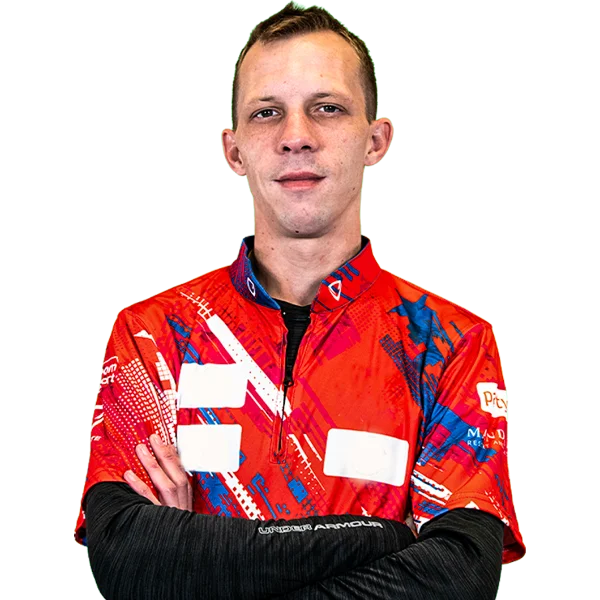
Justin “Iceberg” Bergman has long held a special place in American pool. Born on August 20, 1987, and raised in the St. Louis metro east, Bergman grew up around Granite City, Belleville, and Fairview Heights, Illinois, and has remained deeply rooted in that community throughout his life. Fairview Heights has long been home, and as he makes clear in conversation, Southern Illinois is more than just where he is from — it is where he belongs. It is home to his family, his friends, and the pool culture that helped shape him into one of America’s most respected cueists.
Long before he became a feared road player and Mosconi Cup competitor, Bergman was simply a gifted kid with uncommon focus. As a youngster, he played baseball, basketball, and golf, but pool quickly became his passion. His father was a league player, and his uncle had an eight-foot table that became a magnet for family games and action. Justin soon found himself taking money off older cousins in three-ball games, and around age 12 he got his own eight-foot Gandy table at home. From then on, pool was no longer just a hobby. He would race home from school, drop off his backpack, and head straight for the table. That daily ritual became the foundation of his game.
A major figure in Justin’s development was Mark Wilson, who met him as a boy at Teachers Billiards and quickly recognized something special. Wilson saw a young player who was not only talented, but serious, disciplined, and strikingly calm under pressure. One of the most memorable stories from Justin’s early years perfectly explains how… Read More