

 Apple Podcasts
 Spotify
 Keith McCready - Part 2 ("Earthquake” in Action)
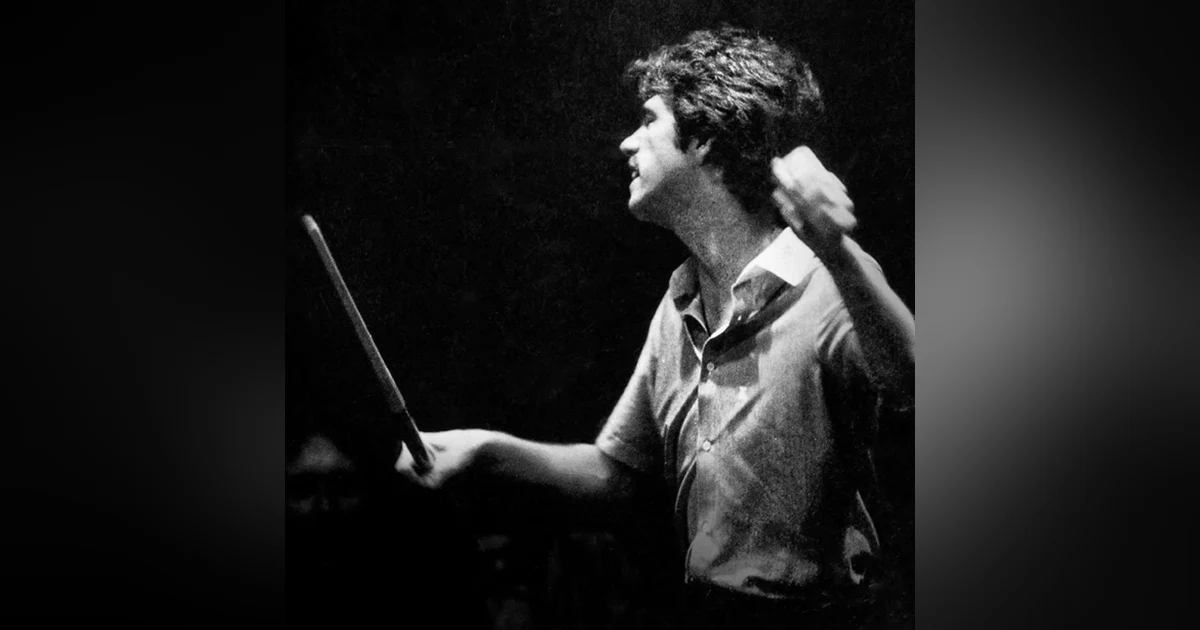

In this second installment of Legends of the Cue featuring the incomparable Keith “Earthquake” McCready, the stories get wilder, the stakes higher, and the characters larger than life. With his trademark wit and fearless honesty, Keith takes us deep into the gritty underworld of American pool during its most colorful era — where the lights never dimmed, the games never stopped, and the money was always on the line.
From marathon gambling sessions at California’s legendary Billiard Palace to encounters with icons like Minnesota Fats, Ronnie Allen, and Danny DiLiberto, McCready recalls a time when skill, nerve, and street smarts were the only currencies that mattered. He shares how his early years were a “mini-laboratory” for learning to play under relentless pressure — and the sometimes-questionable methods players used to keep going for days on end.
Listeners will hear Keith’s hilarious and heartbreaking tales of triumph and trouble: falling asleep under pool tables with cash in his pockets, only to wake up robbed; being “jarred” mid-match by opponents looking for an edge; and hustling through the West Coast’s roughest rooms armed with nothing but talent and charm.
Co-hosts Mike Gonzalez, Allison Fisher, and Mark Wilson bring warmth and insight as they guide Keith through these vivid memories — from his friendship with the greats to the challenges of vision loss that ended his playing days far too soon.
Equal parts humor, danger, and heart, this episode captures the essence of a man who lived pool at full throttle and left an indelible mark on the game.
🎱 Join us for Part 2 of “Earthquake” Keith McCready — the stories only he could tell, from a life lived at the edge of the table.
Give Allison, Mark & Mike some feedback via Text.
Follow our show and/or leave a review/rating on:
Our website: https://www.legendsofthecue.com
Apple Podcasts: https://podcasts.apple.com/us/podcast/legends-of-the-cue/id1820520463
Spotify: https://open.spotify.com/show/4Za0IMh2SeNaWEGUHaVcy1
Music by Lyrium.
About
"Legends of the Cue" is a cue sports history podcast featuring interviews with Hall of Fame members, world champions, and influential figures from across the world of cue sports—including pocket billiards, snooker, and carom disciplines such as three-cushion billiards. We highlight the people, places, and moments that have shaped the game—celebrating iconic players, memorable events, historic venues, and the brands that helped define generations of play. With a focus on the positive spirit of the sport, our goal is to create a rich, engaging, and timeless archive of stories that fans can enjoy now and for years to come.
Co-hosted by WPA and BCA Hall of Fame member Allison Fisher and Mosconi Cup player and captain Mark Wilson, Legends of the Cue brings these stories to life—told in the voices of the game’s greatest figures.
Join Allison, Mark and Mike Gonzalez for “Legends of the Cu...
Now we just talked to Mike Massy a few days ago and he related a story, and this is at the extreme where five days straight played. And you can only do that one way, right? You get a you need some sub some sort of substance to keep you going, right? So I I would think that back in your day with with you know your group in where you played, I look upon it as a bit of a mini laboratory, if you will, in terms of you guys trying to figure out if oh if we're gonna play under the gun and we're trying to fight the the you know the not dog it and and and manage the pressure and all that comes with plan for stakes like that, you guys are trying to figure out, all right, how do I, as you say, level out for long periods of time? What does it take? Can I do it naturally? Do I need to to use some sort of speed? What what worked, what didn't work?
Keith McCreadyWell, the uh what level would level me off would be the my Budweiser. So I would drink my beer to level me off a little bit, simmer me down and and mellow the nerves, I guess you would say, you know. Because when people are doing speed, people that you know are probably playing in gambling matches for high stakes or whatever, and they're gonna have to play a while, I'm sure that you know, it's it's more or less it's going to the underground pool players. It's not so much the tournament, you know, people, you know what I mean? A lot of, you know, I c I can see that a lot of the uh, you know, real strong players, they don't need to do that because they're concentrated on their tournaments. But when you have the weaker players or, you know, that are trying to make a dollar, because they they they can't make no money in the tournaments. There's not no way for them to make any money in the tournaments because they don't play good enough. It's just it's just the bottom line. And and with these fields nowadays, you know, as Allison, I'm sure you you can relate to that. I mean, if you're not on your A game, you're just you're it's true.
Allison FisherIt gets tougher and tougher, yeah.
Keith McCreadyYou you're sh I mean And the standard is really good as well, you know. And and you have to be you have to it and with me and myself and my my eye condition, I can't I can't do that anymore. I I can't play big tables because even if I got contacts or buy big old glasses, it would be very difficult for me to still be able to play. You know, I think I could still play on a bar table a little bit, I could compete there, but you know, with my eyes being the way they are.
Allison FisherWhen was the last time you picked up a queue?
Keith McCready2005.
Allison FisherReally?
Keith McCreadyOr 2006. Yeah, yeah. Except that it was a couple of times here that I played in a in a couple of little local tournaments over over there in Laurel. But besides that, I haven't I haven't uh played any pool.
Allison FisherThat's a long time ago, isn't it?
Keith McCreadyNow yeah, yeah, it's do you miss it's difficult. Yeah, I do. I mean, yeah, I I I miss beating on the people. You know, but you know, I I've it's to go there and just show up.
Mike GonzalezYeah.
Keith McCreadyYou know what I mean? And not be able to to not be able to compete. That's never been in my DNA.
Allison FisherRight.
Keith McCreadyYou know, and so it's difficult it's difficult. I'm going there here. If I could play, you know, like if I was to try to play somebody now, you know, they're gonna try to rate my game a little bit better than what it is, and they're gonna have to rate it on a bar table, which there's gonna be respect for my bar table, because they're gonna see me hitting balls in the pockets here and there. So they're gonna see that, but you know, having the stamina and the ability to take somebody off and down, a good player, well, that's probably not gonna be there. So I got I'm gonna have to pick on somebody that's, you know, somebody like a bookmaker, or put somebody Scotch doubles in with somebody that's like a C player. You know, there I'm gonna have to maneuver around a little bit instead of being able to taxi somebody up there, you know, one-on-one. And if I do play somebody one-on-one, it's gonna be somebody I can beat. You know.
Mike GonzalezYeah, yeah.
Keith McCreadyYou know, it's you know, I'm not gonna, I'm not gonna play any no world champion, you know. I think those days are over for me. You know, it's just not there in the cards.
Mike GonzalezKeith, uh back to Southern California as a young man, you had a chance to run across Danny DiLaberto, didn't you?
Keith McCreadyYeah, me and Danny were good friends. Me and Danny actually went to the San Anita a couple times with his family and stuff. You know, and that's I'm going way back, you know, when I was 16, 17, 18. He Danny would always try to help me, you know, and give me some advice, and uh and which Danny was very smart. Very his IQ was real real strong, you know, like Jimmy, believe it or not, Jimmy Reed was another one which was, you know, real smart IQ and and always tried to help me, you know.
Mike GonzalezHow about uh help our listeners understand the history of your nickname? And did you have any nicknames before earthquake?
Keith McCreadyWell, they all my friends called me evil, evil doctor.
Mike GonzalezEl Diablo.
Keith McCreadyThat's nice. The evil doctor evil doctor was uh my my nickname. And you know, earthquake came after that. You know who named me earthquake, don't you? Scott Smith. Scott Smith, yeah. But before that, my nickname was Evil Doctor.
Mike GonzalezEvil Doctor.
Keith McCreadyAnd and let's not forget El Diablo.
Mike GonzalezWe will not.
Allison FisherYou seem quite proud of those nicknames.
Keith McCreadyI did a lot of damage under those nicknames. Brings back a lot of memories.
Mike GonzalezWell, what did you think what did you think of Minnesota fats when you were a kid?
Keith McCreadyLoved him. I loved Minnesota. How could you not not like Minnesota fats? I mean, me and Buddy Hall used to smoke that good weed and and we'd we'd bust up laughing uh while watching Fatty. I mean, it was he was hilarious. You know, I actually saw you know uh Fatty right before he died in over there in Nashville, and um it was too bad, you know. But we lost a great man there. But he was he was he he he he was one of a kind, Fatty was.
Allison FisherDid you ever did you ever see Allison? No, no, unfortunately, I wish.
Keith McCreadyYeah, he you would have you would have loved Fads.
Allison FisherWhat was your age difference between you and him, do you think? 'Cause I I haven't got a clue.
Keith McCreadyI'm not sure what the age when he died, but you know, it's gotta be pretty close right now, you know. I mean, I I'd have to say Fatty was maybe 71 or something, you know, in in that area, you know. I don't know. I'm not sure, you know, I but I don't think he was no 75, you know.
Mike GonzalezSo did Ronnie uh did Ronnie Allen set up a little game with you and Fatty uh late in Fat's life?
Keith McCreadyHe did. We were actually I was with Charlie the Ape, ended up screwing me out of some money. And uh we were up there in St. Louis and and you know this was one of Fatty's gonna be one of Fatty's last tournaments, you know, that he goes to because he's he was starting to decline then, but but Ronnie Allen was real good friends with Fats and you know and so he he promoted Fats to play me. You know, he said, let's let's you know, play the kid and uh make this your one song going out party and you couldn't do it with a better kid than me. And so we play it's so we we got the game down and Fatty played. We played five hundred a game and we played ten to eight, eight to seven playing uh one pocket. Or no, no, we played ten to eight playing banks, and then we played let's see eight, eight, seven in one pocket? Yeah, yeah, somewhere around let's see. It was oh yeah, it was ten to eight, eight to seven playing one pocket, and it was eight to seven playing banks. And uh we played five hundred a game and we're cutting up with everybody, having a blast. He was hilarious, you know. And we had a great time, and I ended up winning a total of eight games for $500 a game, you know. And so when it was over, he went to his room, he came, he said, I'll be back down and pay your money. And he came down with four five hundred dollar bills signed.
Mike GonzalezHow many of our listeners have ever seen a $500 bill?
Keith McCreadyYeah, I know and and then Charlie ended up screwing me out of those $500 bills, and he and he told me, Oh, well, we'll wait to see what happens when it's all over with. I said, What do you mean? We'll wait. Give me my hand, MF. You know, and he just he couldn't allow himself to do it, and you know, so he ended up screwing me out of that deal.
Mike GonzalezYeah. So you must have a few pay ball stories for our listeners. Tell us a little bit about that game.
Keith McCreadyGot a lot of pay ball stories. Uh, that's where, anyways, that's when I was 14 and 15, and Vern there was a place called the Billiard Palace. It was in Bellflower, upstairs place, and that's where all the champions went. That's where you had your Ronnie Allen, your Richie Florence, your Wade Cranes. Actually Rempe came in there maybe once or twice. Billy N Cardone, Cole Dixon, Danny Cersei. Anyways, we were all playing snooker. And the games would start on Thursday and so every once in a while you'd you'd get a couple during the week, but not too often. Everybody would sort of prime themselves for the weekend, you know, Thursday, Friday, Saturday, Sunday. You know. Well, there were times where we played four days. And and I had uh I had played a three-day deal, and I ended up winning about four grand one time. And so I went over there in the corner, you know, got underneath the table and slept because you could, you know, because the place was open 24 hours. And what wasn't supposed to be, but it was. You know, the games would keep going. You could go to sleep, say if you you were there a day and a half playing and you were tired, you could you could go over there, go underneath the t uh pool table, sleep, wake up and the game would still be going, shake the pills, and you're in the next game. I mean, it it was one of the best games ever, you know. And so one time, you know, I'd played, you know, I don't know exactly how long it was, but it was a long time. I was tired. And uh I went to sleep and I woke up, and lo and behold, somebody cut my pockets out my 4,000. I mean, that's what kind of people we're dealing with then. It's not fair. Yeah. And I woke up, I'm I'm looking to get, and I look down and I see my all my pockets cut. I'm all my and cold.
Allison FisherIt's so mean.
Keith McCreadyYeah, and I mean, you had ever every type of person in there. You you know, you had you know, dopers, you had uh bank robbers, uh You're looking at everyone.
Allison FisherWho is it?
Keith McCreadyYeah, you're trying you're trying to look around and they're looking at your holes in your pockets. I'm sure that when I got up, the the person, you know, he probably was still there, you know, just wanted to see the look on my face. Yeah, you know, but you know, I at my guess I would think he would have been gone, you know, because somebody knew who did it, you know, but I to this day I still don't know who did it, but but I mean it was just brutal, you know. You need a bodyguard when you're napping under the table. I I didn't do that ever again.
Mike GonzalezYeah, yeah.
Keith McCreadyThat was the last time I did that. I'd I'd I'd I'd go down the street and get a room or something if I had to, you know.
Mark WilsonOne thing for the listeners, uh the uh pay ball is a uh numerical game. It's played with six balls on a six by twelve stucker table. Each ball has a value, and the last ball has double. And if you break and run, you get double double. So it's a pretty big game, and they're playing five or six-handed, and probably guys like Thirsty and uh some of the names that you name were in that game, so it was not a a top lever game. There might have been some druggies in there too, but by and large, it was a very competitive game.
Keith McCreadyYou know, they're they were coming out of the woodwork. I mean, there was a lot of them coming out of the woodwork to stake the players because the action was so good. I mean, and every time you'd play in the games, they'd be seven and eight-handed, and you're playing twenty and forty a ball, thirty and sixty, you know, double on the run out, seven, eight-handed, strong action.
Mark WilsonRight. Right. You're winning a few hundred per ball.
Keith McCreadyAnd these tables were tight, you know. I mean, I know Allison's played on, you know, those tables that she's played on, those pockets are a little looser, you know, compared to these tables that we were playing on. And but, you know, you shoot the cherry, you shoot the one, you shoot the two, just like you do nine ball, shoot the three, shoot the four, shoot the five, and then the six ball would be the nine ball. You know what I mean? So you you'll be playing six ball, but you know, the the last ball is double.
Mike GonzalezYeah, yeah.
Keith McCreadyBut you know, playing payball is different than playing. You know, I'll give you an example. Cliff Cliff Thornburg came over there, you know, and I played him head up pay ball, and he quit real quick. You know, and Cliff Thornburg was the best snooker player in the world.
Allison FisherYeah, he was a great player.
Keith McCreadyRight. Well, he checked up a little short.
Mike GonzalezAre you are you playing but you playing uh American-sized balls or snooker balls? Snooker balls. Okay. Snooker balls.
Allison FisherI wish I'd come over there and played with you.
Mike GonzalezThere we go.
Allison FisherI wish I'd come over there and played with you. I'd have given you what four.
Keith McCreadyI know, I know you would, but but it but you know, this but like I said, you know, they played it, they play a a different game now called Liability. It's like Snooker. That's a different game. You would love that. Yeah. You know. Yeah, the liability. When you you rack up three reds, six reds, you can you can do nine reds, or you can do the all reds. You know, the all reds is like what Ronnie plays with. And but we played, you know, sometimes, you know, three reds, you know, and and uh that's played, you know, if you get a scratch, it's cost you so much amount of money and and and and if you run twenty-six balls or twenty-six points, you know, like say if you're playing three dollars a point, you know, or five dollars a point, you know. A lot of times it would be five dollars a point. So if you run twenty-six, it'd be a hundred and thirty. You know, and hundred and thirty, you know, twenty-six was pretty good, you know, but playing payball, you know, I broke and ran out uh three racks and three balls one time. Which that was big money because it's double on the run out, playing twenty and forty. So you got two eighty times six, you know, and and that's every rack. So three racks plus three racks, three balls. You know, well, I mean I never seen anybody run twenty-one balls in that game ever, you know. And I did run twenty-one balls, you know, which I mean just to make a make a ball on the break in that game was difficult. You know, a lot you see how these guys are breaking the balls now, you know, and they make that ball in the side pocket, right? Well, they do the same thing on the snooker table, and that's the way you would try to break them. I see. You know, you try to break that ball on the side, and I happened to make it all three times and get a shot, and you know, and tightest table you you'd ever want to.
Allison FisherYou know, it was tight. Yeah, you know. What amazes me about really all poor players, they may have left school or finished school, but they're really good at maths. Mathematics.
Keith McCreadyYeah. I've always been very good.
Allison FisherI've always been very good with numbers, I'm noticing.
Keith McCreadyThat's that's what my old lady says to me. She says, you know, one thing you don't have any adult skills, but the one thing you do have is numbers when it comes to money.
Mike GonzalezShe says I love that.
Keith McCreadyShe says, I'm very good with numbers when it comes to money and stuff.
Allison FisherIt's good upbringing.
Mike GonzalezKeith, the other s the other skill I think you developed as a young man, you probably really got good at reading people.
Keith McCreadyOh, well, of course. You know, it's it's it's it it didn't take me long to realize that somebody's a little bit nitty or they're not. You know.
Mike GonzalezWhich which means nitty.
Keith McCreadyWell, I'm Nikki. Nitty. Do you know what nitty means? No, I'm not sure. I'd like to know that. Okay. Nitty is a person that has got no gamble.
Mike GonzalezOh.
Keith McCreadyA little bit reserved.
Mike GonzalezYeah.
Keith McCreadyYou know what I mean?
Mike GonzalezYeah.
Keith McCreadyBut the strong part about me sometimes is those people that were reserved and a little nitty, I could get them gambling. And that's the art of a good hustler. Persuading them. Well, it wasn't so much persuading them. It's just when you can make somebody do something that they didn't know that they were gonna do, and now they're in it, that's that's the art of a good hustler, in my in my eyes, you know. And making people like it, even if they lose. That's a real art, isn't it? Every once in a while you'll run across a hard nose. You know, I've watched I've run across a couple of them, you know, but if you can make somebody gamble and lose and smile and laugh and giggle, well, that's that's the art of it. You know, it's that's what you want. It's what you want. And you then you don't mind so much if you if you lose to a guy that's got that kind of character, well, you don't mind because you know you're gonna be able to get back in the pit area. But you lose to a guy that you know you ain't gonna get no gamble with uh anymore. Well, I mean that that's when it's bad. Like say you get broke to a guy that you know you can only win one set and he's a big knit. You know, that's not good. That's not good at all. And so, you know, I sort of learned my lesson at a younger age dealing with those type of guys, with a conversation piece that I always had, you know, but he's always had that conversation piece working, you know.
Mark WilsonYeah. One of the very essence of Keith McCready from my experience was that he he had a rough beginning, but he also had a talent. And then from being around Ronnie and all those guys, he had a personality that was magnetic. And so he would get people gambling in the crowd. No matter how big he was betting, he would still make side bits in the crowd, and he would go through and say, How about you? No, I've better got a bit of that. No, absolutely. He didn't make four farms.
Keith McCreadythe the essence of Keith is that was that was part of it, you know, and you know, like even at a at a couple of Valley Forge events, even, you know, after when I was with Jenny, we I busted I busted a couple of ring games and I was making bets all over the place and I started laying two to one you know i on the in the ring game to a couple of guys and we ended up making some pretty good money, you know. I think I run and I s it and trust me, I still to this day still believe I had this this disease in my eyes, but you know Yeah I had it for quite a long time and didn't really even realize it, you know, but I ran an eleven, a ten, a seven and a six and the game and then after the six they just they quit. You know and that was after two times in it and they then they wouldn't let me they wouldn't let me do it anymore over there.
Mike GonzalezYeah Keith you've alluded a couple of times to your eye condition it's it's uh it's called macular degeneration and it's just not something that you can reverse is it well there's no cure.
Keith McCreadyYeah that that's that's the big issue and uh you can contain it which I've made a lot of I've made a lot of headway. It's realistically I had a real bad case of it. When I first started this process well here's that when I was walking around here in the house and everything I would be bumping into things and and just doing things that weren't normal. And you know and the old lady you know thought I was full of s you know and I can't imagine that yeah and and and then all of a you know finally you know she said well we're going to get your eyes checked and then when we did that they saw that I had two big it was you could see it in the x-rays two big masses of macular degeneration you know and so we I got sent to the other doctor and he says he said we got a lot of work. You have a real bad case of macular degeneration and we're gonna start giving you eye injections today.
Allison FisherOh it's wet and dry macular right you've got the bad one then if you have an injection yeah. No I have in I I I have I had em I I still have 'em he said that I am legally blind right as you know as we're starting these he says we got a lot of work to do he said you hopefully you will be able to see he said but you know we got work you know so now I've been doing these for like two and a half years and which it seems to be working you know but it's like like when I I'm I'm looking at you guys now you guys are blurry you know but yeah it's probably a good thing in Mark's case and Mike's case but not mine.
Mike GonzalezNo she goes blurry then I go then I go blurry.
Allison FisherLook at that what are the odds of that right you're just right on cue. Exactly that was weird.
Keith McCreadyYeah I played a couple times trying to play pool and I could see something was off when I I was actually trying to practice and play in one pocket and I'm and it took me about an hour you know to actually to be able to where I could you know see the balls better you know to get focused in so I mean there was a chance for me to you know but it's not the same you know it's just not the same.
Mike GonzalezYeah.
Keith McCreadySo but I think on a bar table I could play a little bit but yeah four four and a half by nines are dead now.
Mark WilsonWell good luck with that I would think on a bar table now you at least you got a good case for getting the seven ball right you know they got they got that they got that a lot they they got that Alabama thing going on you know and for that big money and stuff and I'm trying to get in as a six they won't let me in as a six they uh they told me I could play as a seven which isn't a bad number but you know I would I don't want to have to play in three four events before you know yeah yeah I'd be be able to be competitive you know yeah Keith I have a couple things that I would like to hear your opinion on and so for those listening Keith grew up at the end of the straight pool era and then traversed into the nine ball era and so when we first began it was all straight pool California's more progressive so nine ball came about a bit more but going back to well Richie Florence a great player a great straight pool player renowned gambler but he had that little air of class and dignity always dressed nice and he carried himself like why would you play for ten dollars? I mean you know the least it would be a hundred you know and he was always that bigger suave kind of a guy yeah you do you remember him that way yeah he was he was pretty much sort of that way a little bit you know it it's funny that you know when you go back to the straight pool days when I first was watching pool was at the Elk's lodge and I believe it was in nineteen seventy two and that's when you had your Irving Crane your Joe Balsus I think Miserac was even coming up then you know uh uh you you had your Pete Margot uh Johnny Urbelino Lascotti Lascotti played yeah you know a lot of the nine ball players didn't play you know but Luther Lasseter you know Wimpy was Wimpy was Wimpy was funny.
Keith McCreadyWhen one time he was playing balses and bosses is running out and they're playing a hundred and I think it was 150 points or 125 points and balses needed three balls and Wimpy's over there asleep in his chair he's over he's asleep over there in the chair bosses misses they wake him up hey he gets up and runs 150 and out wimpy wimpy 150 and out or 125 and out I forget what it was I think it was it could have been 125 and out but because they you know some tournaments played played 150 balls but I think at the outs lodge it was 125 but you know it could have been 150 you know I mean 150 sort of sitting in my mind a little bit but there was another time we were in San Francisco and they had a pro tournament there and it got over with I think it was Sunday night and we went over to a pool room in Oakland that was 24 hours and it's six by twelve Castro Valley?
Mark WilsonI don't recall that's the problem. So but it was 24 hours and we're playing payball and the game was uh I don't know if you remember Gene Cooper Gene the Machine bar table specialist guy pretty good player I know gene and I was in the game and Buddy Hall and Mike Siegel and then there was a couple shortstop kind of guys in there and so the game went on the the price went bigger and bigger and about two in the morning Keith comes in and he looks at us and he goes what are you lobsters doing over here and he wants to get in the game and so we said okay okay yeah and so he gets in and he played god awful and and could not make a ball and then about two hours later Keith busted that ring game and that's when Buddy Hall and Mike Siegler were in their prime not kinda okay yeah yeah you remember that yeah I think it was Castro Valley if I'm not if I'm not mistaken it was Castro Valley.
Keith McCreadyYeah I remember that.
Mark WilsonBucktooth place didn't he have a place it was bucktooth. Okay well that's where we were yeah yeah it was Castro Valley yeah and that's yeah that's when they were in their prime yeah yeah six in the morning I remember going across the Golden Great Bridge and they had that they they had that snooker cable in there too you know now the first time I met Keith this would have been about let's see let me think a minute maybe 75 or 76 1975 and there was a big tournament in Iowa in Burlington Iowa and it was they had a convention center but all the hotels put in pool tables for this and they had these little funny angled commercial grade fixer tables that were treacherous down the rail they really hang balls easy and this played right into Keith's hands. This was his specialty it was the first time I met him he was probably 18 at the time I suppose and he came there with a guy named Tony Banks I believe is that yeah yeah okay and so Keith sets up top in one of the hotels and gambling games and ring games and all the and high stakes everything was high stakes yeah and the tournament was secondary to the gambling but anyway Keith went through a litany of top top players beating them for all their money and the work gets out. Well Louis Roberts can't stand it he cannot stand that that he's got to challenge himself it's not that he has any he doesn't detest Keith but there's a new kid that shoots straight Louis's gonna have to fire all his money at that he just can't stand it. And you and Louie are very similar in that you don't back down from people you look for the best guy and that's Louis you know to his T. And you guys played in maybe a 10 hour session it was long and Louis went empty and Louis lost it all finally and I'll never forget this it was about 10 in the morning Louis broke he sold $100 tilt shirt for $20 Keith got it all and so he looks in the crowd big crowd and I've watched too and he goes come on guys I can beat this kid I can beat this kid now I broke him I think two or three times. Oh yeah you definitely did and so uh he put he finds a backer from Milwaukee his name was Al Barry and Al's a super nice guy and he goes uh come on Al come on give me a chance I can for sure beat this kid but Keith's beating 10 hours and Al says all right Louie says I'm gonna give you $500 that's it don't ask for any more I'm gonna give you $500 but Louis down thousand so now the only way it's gambling is if it's a two out of three race. And so Louis does it so he gets in there Louis beats him the first game then they skirmish a little bit the second game Keith wins now it's Hill Hill Keith pops the nine in on the break to end the whole match right there. It was heartbreaking for poor Louis but yeah do you remember that?
Keith McCreadyYeah I've I've I mean I broke Louis lots of times. Oh I'm sure yeah and he had and he he could you know at that time he had muche cues too you know and and he'd always come to the tournament with two or three Mutis and and stuff and I can't even count the times he I'd give him back money and he'd fire it right back at me. Oh yeah oh yeah yeah but getting back to that Burlington Iowa tournament that was a those were I mean the tighter the tables the better I played you know and and the more gaffier the better for me. Well that was the year Jim Mattha barred me from the ring game after I busted the ring game a couple times you know and he barred me he said yeah you gotta be 21 to play here. And he and and he wouldn't let me play. And yeah I was the only one run being able to run out on these boxes. You know it was but I wanted I I I beat everybody I played there. I I think I beat Don McCoy twice. I beat Mike Corello and let's see once actually Dan Lewy was there too you know I think and uh Dan Lewy started putting me in the box from the start and then I and then I went on my own after that but yeah it was it was funny.
Mark WilsonYeah you won twenty or thirty thousand at that thing.
Keith McCreadyI I win like yeah over then they then they put that florin in on me and they jarred me and I ended up playing him five hundred a game and I lose eight eight games which was four grand and uh so I waited there I waited there until that jar came off because I know I got jarred and I was you know you you know I was pissed. So I waited there till it all wore off then I proceeded to bust the whole joint right after that. I proceeded to break ever and I wanted everybody's money. I didn't care who it was you know I just wanted everybody's money.
Mike GonzalezSo explain explain the term jarred for our listeners jarred is when they they slip some type of Mickey or pill in your drink or some powder or you know or even eye solution will get it done. So you knew you were off a little bit then huh?
Keith McCreadyOh every time I get down to seven or eight I it started trembling and I couldn't make it. You know yeah.
Mark WilsonWell Florin you had to be giving him a big weight because he was a mobster from Des Moines. Absolutely scenario with Florin involved and but he was not a nice person as I recall and uh dangerous. Yeah.
Keith McCreadyAnd dangerous yes but yeah I ended up I ended up uh getting all the money back and breaking him you know speaking of dangerous were you pretty adept at avoiding danger well sometimes danger finds you you know you know we we were around some real serious characters back then you know off and on the court you know so you could be playing or something then all of a sudden something bad happens just out of nowhere and everything changes you know there was been some fights I was playing Jimmy Reed one time in in the in this bar in Anaheim and Ronnie Morris's father you know and he had this karate studio karate studio and uh he had some friends with him that you know came into the bar a lot of times and we were playing and all of a sudden everything started getting thrown around and cables tipped over and me and Jimmy Reed I'm I'm underneath the pool cable and these bikers come in there's about fifteen, sixteen bikers with balls and chains and oh I mean it was a rent anyways to make a long story short Rodney and his three friends they laid out all these bikers. There was eight ambulances there. They were history I've never I mean you want to talk about the sh coming down that was it. That was you know like you see this stuff on TV sometimes where you know you got these brawls well these guys were serious brawlers you know I mean they taken two and three guys on at one time and they're all big all muscle you know and and you know thread faster than lightning. Another guy just stone cold cold you know big old son of a gun you know just you know like a football player you know all muscle you know and just I mean there was only four of them and 16 bikers and they all got laid out. You know and and I stayed underneath the table till you know I could get my chance. That's right. Well I wasn't really I wasn't worried about that at that I'm just worried about getting out the front door.
Allison FisherYeah you know at that time yeah so I waited for my time to get out the front door when I seen everybody was over on this side it's not easy to see you know but when I could see that little window I got out of there and you know yeah yeah but but you never but you but you you would never know what what could come down you know you know around our avenues I mean it was wasn't the easiest you know life you know yeah to be around thank you for listening to another episode of Legends of the Cube if you like what you hear wherever you listen to a podcast including Apple and Spotify please follow subscribe and spread the word give our podcast a five star rating and share your thoughts our website and support our full history projects until our next golden break with more legends of the queue so long everybody
Pool Professional
Keith “Earthquake” McCready, also known to many fans as “El Diablo”, is one of pool’s most unforgettable originals: a fearless shot-maker, a born entertainer, and a road-seasoned money player whose life story feels like it was written for the movies… because, in a way, it was. Born on April 9, 1957, in Elmhurst, Illinois, McCready’s early years became a collision of natural talent, turbulence, and survival, with pool providing both a refuge and a proving ground.
In the four-part Legends of the Cue conversation, Keith’s beginnings come through as equal parts gritty and mythic: a kid learning to navigate grown-up environments far too young, discovering that a cue, a table, and a fearless heart could open doors, or start fires. The story traces his move to Southern California and the formative years that followed: the childhood runouts, the early gambling, and the immersion into a West Coast poolroom culture that was as much apprenticeship as it was trial-by-combat. By the time most kids were worrying about school and sports, Keith was learning to compete under pressure, to read people as well as angles, and to understand that in certain rooms the score wasn’t the only thing being wagered.
Part of what makes McCready’s story so compelling is that it’s not a tidy rise, it’s a raw one. He describes a life shaped by loss and instability, and he talks openly about how pool became an anchor during times when not much else felt steady. In those early years, he encountered larger-than-life characters and influences who left permanent marks on his approach to the g… Read More