

 Apple Podcasts
 Spotify
 Keith McCready - Part 3 (“It’s Like a Nightmare, Isn’t It?” – The Color of Money Years)
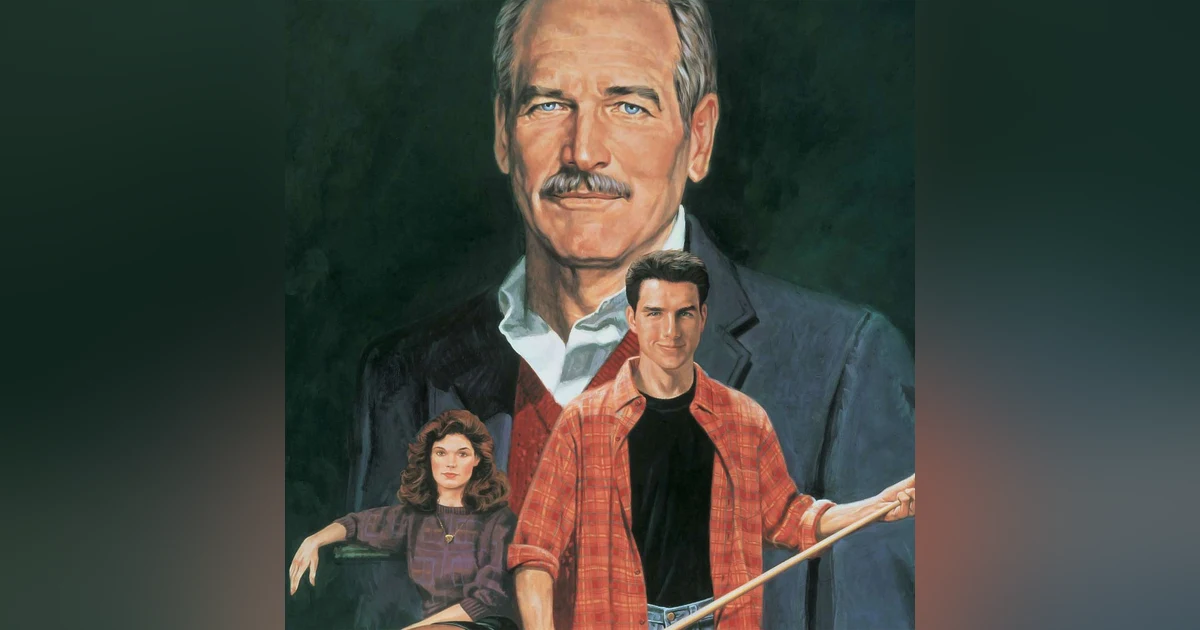

In this third installment of our four-part Legends of the Cue conversation with the legendary Keith McCready, we dive into one of the most fascinating chapters of his extraordinary life — his unforgettable role as Grady Seasons in Martin Scorsese’s 1986 classic, The Color of Money.
Keith takes us behind the scenes of how a real pool hustler from the road found himself sharing the screen — and trading lines — with Paul Newman and a young Tom Cruise. From a serendipitous encounter at the 1985 U.S. Open 9-Ball Championship in Norfolk, Virginia, to a whirlwind Hollywood audition, Keith recounts how his fiery personality, quick wit, and unmistakable flair caught the eye of Scorsese and his casting team.
Listeners will hear incredible first-hand stories about life on the movie set — helping Cruise look more like a real pool player, watching Newman prepare for his Oscar-winning performance, and the chaos of shooting pool scenes that sometimes took 37 takes to perfect. Keith’s memories spill out with his trademark humor and honesty — from “borrowing” a few cues on set to the moment his ad-libbed line became one of the film’s most quotable.
But this episode isn’t just about Hollywood magic. It’s about the crossroads of pool and pop culture — and how The Color of Money reignited America’s love affair with the game. Keith reflects on the movie’s lasting legacy, his brush with fame, and how the hustler’s life and the Hollywood spotlight briefly collided in a way that only “Earthquake McCready” could make happen.
A must-listen for any fan of the film or the golden age of pool.
Give Allison, Mark & Mike some feedback via Text.
Follow our show and/or leave a review/rating on:
Our website: https://www.legendsofthecue.com
Apple Podcasts: https://podcasts.apple.com/us/podcast/legends-of-the-cue/id1820520463
Spotify: https://open.spotify.com/show/4Za0IMh2SeNaWEGUHaVcy1
Music by Lyrium.
About
"Legends of the Cue" is a cue sports history podcast featuring interviews with Hall of Fame members, world champions, and influential figures from across the world of cue sports—including pocket billiards, snooker, and carom disciplines such as three-cushion billiards. We highlight the people, places, and moments that have shaped the game—celebrating iconic players, memorable events, historic venues, and the brands that helped define generations of play. With a focus on the positive spirit of the sport, our goal is to create a rich, engaging, and timeless archive of stories that fans can enjoy now and for years to come.
Co-hosted by WPA and BCA Hall of Fame member Allison Fisher and Mosconi Cup player and captain Mark Wilson, Legends of the Cue brings these stories to life—told in the voices of the game’s greatest figures.
Join Allison, Mark and Mike Gonzalez for “Legends of the Cu...
So, Keith, as I understand it, uh you started sort of playing professional events around the age of 21, is that right?
Keith McCreadyWell, I won my first, I guess you could consider it an event was over there in Sacramento in 1979.
Mike GonzalezThe nine open.
Keith McCreadyThe first big tournament for me. You know, and and tournaments back then didn't pay. You know, they paid, you know, 3,000, $5,000. You know what I mean? If you got a five or six thousand dollar tournament, that's pretty good, you know. Um, but the first one I won was in Sacramento. It was Barry Hubbard. I beat him in the finals, and you wouldn't believe what happened there. He had me eight to nothing going to nine, and boom, whoa, here I come. I hit him with a six, six bagger to close it out. Beat him nine-eight in the final.
Mike GonzalezYeah. That's a pretty good first win.
Keith McCreadyYeah, yeah. I mean, it was a real good win, you know, and you know, it sort of just set the tone for, you know, because I wasn't a tournament player.
Mike GonzalezYou know, I it was a means to an end for you. I mean, it you it it got you to the venue.
Keith McCreadyWell, it it got me believing to where I could win, but you know, it's it's it's you know, it's still a lot of work to you know to win a pool tournament.
Mike GonzalezYeah. And we we probably don't have a a comprehensive list of all your wins, including maybe some regional titles, state titles, whatever, but you won the 1983 King of the Hill. You win the the 1984 Clyde Childress Memorial Nine Ball Open. That was at the Maverick Club in Richmond, Kentucky.
Keith McCreadyYeah, I loved that tournament.
Mike GonzalezYou beat you beat Earl along the way there, didn't you? Yeah.
Keith McCreadyA couple times. Yeah. Okay, well then in 85 we played again, and we went hill hill again, and I lose it, and I made a hell of a shot to to win it, and then I dogged it. And with the whole crowd was, you know, electrified. And when I when I made this one shot on him, you know, my heart was about to pop out of my chest, and and I, you know, was trying to roll the ball. You know, and you know, with that humidity and stuff over there in in the Maverick Club, it's not that easy to roll balls, you know, and and and I missed it.
Mike GonzalezThis one you won in 1984, Mark, he beats Earl 11-2. And then and then beat and then uh probably eventually you went to the loser's bracket, or maybe you won the winner's bracket because Earl came back and and uh you beat him in the final 11-9.
Keith McCreadyI thought it was 11-10. We we had two 11-10s.
Mike GonzalezGotcha.
Keith McCreadyAnd uh uh both of them were Hill Hill, you know. It could have been 11-9, but I'm pretty sure it was 11-10 both Hill Hill thrillers.
Mike GonzalezYeah, I I love this story of of the next year. You you go out to the BC Open 9 ball in Bing Bingham, New York.
Keith McCreadyThat was 85.
Mike GonzalezIn 85. Tell us a little bit about that one because that was a little unique.
Keith McCreadyThat was it was a unique tournament. That tournament, my friend Jay Helfert gave me a Q stick and everything to go over there and play. He wanted me to play in it because the prize money was so so so big, you know, 25,000. Well, they haven't had a tournament pay that much money ever since Richie Florence back over there in Lake Tahoe. You know, so all these other tournaments that you're seeing playing didn't come close to that money. So Jay wanted me to go. So, you know, I took a barbecue over there and and uh was playing in that tournament. I started playing, I actually started playing it pretty good and started out good. And when it was all said and done, nobody got past four games. I went undefeated. I beat, you know, if if if you saw the the lineup that that tournament had, I mean, every great player in the world was there, you know. And and nobody got past four games, you know, in any in any match.
Mike GonzalezYou beat the Mike LeBron.
Keith McCreadyAnd Mike LeBron, yeah, Mike LeBron was in the finals. He had me three to nothing. I beat him nine to three.
Mike GonzalezWith a borrowed stick.
Keith McCreadyAnd with a borrowed stick. Yeah, and not only that, see, like all the races, all the matches were a race to 11, you know. So now, and they they should have had to beat me twice. Then it comes down to well, well, we're gonna have to do this. We're gonna have to play one race to nine because of of the filming for all the money.
Mike GonzalezGotcha.
Keith McCreadyYou know, so I mean that was a big letdown because I had there's not no way LeBron was gonna beat me two sets, yeah, you know, in my eyes. Yeah, you know, and uh and now all of a sudden we're playing one set, race to nine, you know, instead of going to 11, and you gotta beat me twice, big difference. Yeah, and uh so I wasn't really happy with that, but you know, it is what it is.
Mike GonzalezAnd yeah. So we're sort of in that 1985 time frame. Uh we're gonna talk a little bit about the color money and and and how you got into that. But uh, it was around this time, maybe 1986. Seems like you might have a story about Gene Beluchas and Buddy Hall.
Keith McCreadyOkay, yeah. Well, well, that I I I think it was in 85. It could have been 86, I'm not sure. Uh, but it was let's say 85. Okay, it was 86 because I won it in '85. And this happened at the same tournament in '86. Okay, so Jeannie was uh Jeannie was there. Uh and you know, she was everybody was, she had big crowds every time she played, you know, everybody loved watching her play. And well she got up there, she played Miserac the first uh first or second round. She beat she she beats Mizorac nine to two. And so, you know, I didn't really think nothing of it. And you know, I'm chirping like a bird a little bit. And you know, I'm actually I'm I was gonna I I bet I bet three grand, my own money, that she didn't six, right? And I'm chirping it up a little bit. Well, she gets up there and runs and if it from the lag, she runs five racks.
Mike GonzalezSo and this is against this against you. This is plan who?
Keith McCreadyMe.
Mike GonzalezThis is plan U.
Keith McCreadyYes, next round, yeah. After she beat Ms. Rack nine to two.
Mark WilsonThat's right.
Keith McCreadyAnd I'm chirping like a bird. And you know, and I told her I was gonna treat her like a man and this crap, and you know, and she got up there and she put it on me. I think yeah, I think she beat me like nine three nine four or something like that. And you know, I couldn't, you know, I was sick, you know, I couldn't swallow a BB at that time. And so the next match, you know, I'm walking down the hall, and you know, and here comes Buddy Hall. Buddy Hall's next, you know.
Mike GonzalezFor Gene.
Keith McCreadyYeah, for Gene. And uh Buddy, you know, with his slow walk and deliberate, you know, walking to his match, going real slow. And he says, Keith, don't say a blank word You know, with that sultry look he's got. Don't say a word. So now I didn't say nothing. Gene gets up there and beats him nine-three. Okay. Oh, and you know, I don't know. He got that he got that he got that look on him, and I'm walking coming down the hall again. And I don't even dare look at him. You know, you know, I got with him later on, but you couldn't talk to him right there if if God give a little green apple. You there would be no way to say anything to him, because he was hot, you know, and you know, Miserac are Miserac already blew it off, you know, and and me, I just, you know, I was over, I was over over with it after a couple of two or three beers, you know. But but Buddy, Buddy took it hard, you know. And uh and so then come to find out, well then after that, you know, Kim finally beat her, Kim Davenport. So and uh I think she ended up getting like fifth or sixth in that tournament, you know, because Kim beat her, and then uh Kim might have went on to win that tournament, you know. But there was a there was a thing that happened, you know. Uh Jeannie was asked the question. She was either doing a podcast or an interview, and they asked her, they said, you know, this was time after this tournament. It wasn't, you know, right after the tournament or anything like that. This was down the road. And she said, they asked her, what was the most favorite match in your life so far that you have enjoyed winning the most? That was the question. And she says, and out of the sky, she said, by far beaten Keith McCready in Binghamton, uh, New York.
Mike GonzalezThat's great. Yeah. What a memory.
Keith McCreadyYeah, she something I guess she'll never forget, you know. But she, you know, I was a little hard on her, I guess you could say, you know, trying. But she the one thing with she always had my respect, you know.
Mike GonzalezYeah.
Keith McCreadySo but and she didn't, you know, she didn't she didn't she didn't care what other people thought of her. She just she went in there and just did her thing, you know. But I mean, she was she was good like Allison, but uh, you know, could she have beat Allison? I don't know, maybe. Did she win as many tournaments as Allison? Absolutely not, you know. And she quit, you know. I think she she got mad at, you know, the people, you know, in the business or something like that. I from what I've heard, or I remember, I think Robin Bell was playing or something like that, and something happened. And and after that, she just she just X' herself out of, you know, playing playing in tournaments.
Mike GonzalezSort of got upset that uh they were trying to uh put a dress code on both men and women that were inconsistent, right? And uh and and and she was playing on both sides, right? She was playing in men events, she's playing in women events, right? She didn't think that was fair, and she stood her ground and and basically pretty much effectively boycotted the sport, which was a loss for the sport, I think. Oh, yeah, of course. So, Keith, we we obviously have been seeing the the the whole time we've been with you that beautiful poster behind you, which uh for our fans who will have a chance perhaps in the future to see a video version of this is a poster from the movie The Color of Money. And just to remind our listeners a little bit about that movie, that was uh a movie that came out in 1986. It was uh obviously uh a Morton Scarsese production, sort of meant to be a bit of a uh follow-on to uh the movie The Hustler, which you might remember featured Paul Newman as fast Eddie Elson and and uh and Minnesota Fats. And in this particular movie, it was uh starring again Paul Newman as a much older fast Eddie Felsen. Uh a role for which he won an Academy Award that year. So a young Tom Cruise was featured in this movie. Uh this was still fairly early in his career. He played a character by the name of Vincent. There was also a young lady I went to college with, Mary Elizabeth Mastrantonio, who played uh Vincent's girlfriend in that movie. I remember seeing her in a production of West Side Story back in 1977 at the University of Illinois. She was a beautiful Maria, but uh quite an acclaimed actor actress in her own right. So, anyway, uh great movie, certainly the last great pool movie. And so at some point prior to this coming out in 1986, they were obviously looking for people to play certain roles. And Keith, as I understand it, they came to the U.S. Open Nine Ball Championship in Norfolk, Virginia back in 85, Scorsese and Cruz, and maybe one of Scorsese's casting people to find some talent. Tell us a little bit about that.
Keith McCreadyOkay, well, everybody that was going to this tournament already knew that the movie people were gonna be there. So and I happened to be, I was down there in Olatha before that tournament in California, and we uh and I've been losing a little bit of money to Efren at that time. And so coming from Olatha, I went over there to to Norfolk, and you know, I was I was getting 9-7 from Efren. So I saw Martin Scorsese, I saw Tom Cruise, I saw the casting lady, Gretchen Rennell. Uh and Disney was there too. So I was I was adamant about getting in the in the pit and and playing Eferin again. You know, but she had me lose her. And so anyways, we start playing and and I looks like I'm playing pretty good on him. And so I beat him seven games in a row. He never got past three or four balls in any game, and I'm chirping like a bird. And cruises can't imagine.
Mike GonzalezI can't imagine.
Keith McCreadyCruz is there, casting ladies there, Martin Scorsese's there, and he's loving it. And uh so af yeah, after I get done with Efren, Efren quits. They started calling people back to audition for parts. You know, to to read lines. Well they take me back there first. So Martin has me reading for three characters right then and there, you know. I was back there three hours reading lines and and you know, going over them and and you trying to give my best shot, you know, with whatever. And everybody else that went in there was in there five minutes just to get an address. And uh uh it was pretty funny. So they weren't uh nobody nobody was in there any length of time, you know, but me and and then before I left they said we're gonna be getting a hold of you. Most definitely. You know, we we've got we got our eyes set on you for sure. We we don't know about what's gonna happen with the other characters, but we got our eyes set on you. So I didn't really have a a number to really be able to get a hold of hold of be able to get a hold of me. So I gave him my friend's number, Jay Hopert. And uh so the uh the movie people, you know, were getting ready to do their thing and everything, and they're looking all over for me, and they finally they finally find uh find me. And so Jay gets me on a plane to uh to the audition in Chicago. And there's like I as soon as I get off the plane, there's a guy with a big sign that that says color of money. And they said, you know, look for the guy that's got the sign color of money. And so I see him. So I go in the limo, big black limo. We take it to the you know where they're gonna have the other auditions for all the other pool players. Well I'll I get out of the limo. This is funnier and sh and there's like 400 pool, there's 400 pool player pool players in line, you know. Oh my for the audition. And I'm and I'm with the casting lady, and as soon as I got out of the limo, the casting lady greeted me. Well, I see all these, I see all these pool players in line. Well, I just wrap my arm around the casting lady. You understand? And we start walking. And I start looking at them, all the pool players, oh they're you know, they're they're really they're going at it, you know. They're they can't stand it, you know.
Mike GonzalezAnd jealous.
Keith McCreadyYou could just hear them all like, yeah, this, you know, this jerk off. You know, you could just imagine what they were all saying. This McCready, you believe this. And and and I was just eating it up and and just really rubbing it in, you know. And so we walk all the way to the front, we go in the gate, and I said, How you doing, boys? And so it was funny. So yeah, so all them players that were were in those lines, they get directed to uh cages like they're doing with Trump, you know, they're putting the ice cages, yes, and they put all the extras right, you know, the certain players are are trying to read for parts, you know, but they put them all, you know, and then they call your name, you know. And so once we got situated in there and everything, and I started reading right away, you know, and uh so then they put all them players in a cage, and it didn't look like none of them were gonna get anything. And uh so I guess they had already interviewed Grady, you know, on the off. You know, Grady was there a different time period than I was.
Mike GonzalezGrady Matthews.
Keith McCreadyYeah. Right. And then he didn't, you know, they had, I guess they I saw where they had Larry Schwartz and Mark Jarvis in a couple little scenes, you know, but no speaking parts. Or I don't know, maybe Jarvis had a speak little something to say, I'm not sure. But and then Jimmy Mattah, you know, once we started shooting, you know, Jimmy was in there as an extra and uh uh there was a scene that came up where you know when his scene that you saw in the movie, I got him that scene. I'm the one that got him that. Because I told Martin, I said, I got the perfect guy for that character right there to play that part. You know, he didn't know who Jimmy was. And uh so I I got him that part, and you know the rest is history. You know, he he was he got in it, you know.
Mike GonzalezAnd uh that was toward the end of the movie.
Keith McCreadyI guess they put Mizer too because he was in that scene, I think, too, right?
Mike GonzalezHe was in the scene uh playing in Atlantic City against Fast Eddie.
Keith McCreadyYeah. Yeah. Okay. But I mean he wasn't in that scene where Matt'a come up r rolling up on somebody or he was or was I don't was that Julian?
Mike GonzalezI'm not sure. I'd have to Yeah, I think it was I think it was a it was John Taturill. Julian and Jimmy. It was Julian and Jimmy, I think, come up with the case.
Keith McCreadyYeah, so that was John Taturro. Yeah. Yeah, I think so, but and then after that it it you know I got the par, I read for the three characters, and you know, Grady, as you know, Grady Season probably fit me the best. And then we were shooting and you know Tom Cruise had a table in his in his apartment up there called Sh I guess it's Condo or Chicago Towers. And I went up there for two days and was trying to help Tom. You know, we were going over our scenes, but I was trying to make him help him look more like a pool player. You know.
Mike GonzalezAnd uh And how did you do?
Keith McCreadyI thought I did pretty good because he was a lot better after I did what I did than from sort of what I saw on the set. And it was just you know, just a little bit of help of you know, just trying to, you know, make him look a little bit better with his stance and being able to bend down and it all worked out and and Mike helped him a lot too, you know.
Mike GonzalezUm Mike Siegel.
Keith McCreadyYeah, Mike it wasn't easy, you know, but you know what was funny, you know, as you know Tom, he he likes to shoot all his scenes, you know, do all all the things and that that one shot where he jumped the ball. He was trying to do it and trying to do it and trying to do it, and it took like thirty-seven takes, you know, to uh try to shoot this one shot, you know, and him trying to get over the ball and everything and jump it, and and finally we brought Mike in. Or they brought Mike in to shoot the shot and you know, Mike made it on the first drive, you know, so we didn't have but it it was taken forever to shoot that one scene, you know. It was tough action to you know, because you uh you know, every time that you shoot a scene and and you s and they say roll it action. Uh you know, and when the scene's over, takes them you know, 45 minutes, you know, to get everything all right again or to an hour, get everything set. Well, it's not it's not a 10-minute deal, you know. They you gotta get everything all in order and everything. So, you know, you go to 45 minute takes, 37 takes, that's a long day.
Allison FisherHe's much better at jumping out of planes and hotels and skyscrapers, I think. I agree. Yeah, stick to what you know.
Keith McCreadyI mean, yeah, he he he's he's doing well for himself as far as that goes.
Mike GonzalezUh but uh yeah, he remember all your lines?
Keith McCreadyMe? I I think I do. It's like a nightmare, isn't it? It just keeps getting worse and worse, doesn't it? And then, oh, the impossible dream. Lucky little prick. No, I said something like, I can't help it, take it on off, you lucky little prick. Something like that. But that was me adding. That was that wasn't in script. That was me. So that was something yeah, so that was that was an original Keith McCready. Yeah.
Mike GonzalezYeah. Now a lot of that was shot at Chris's Billiards in Chicago, right?
Keith McCreadyActually, I actually a lot of it was shot at the Navy pier. Chris's Billiards had Yeah, Chris's Billiards uh was uh they it had it had it had the pool room scenes, you know. But the tournament scenes were all done at the Navy pier except for uh two days we took off to Atlantic City and we shot the scenes in Atlantic City. But the scene where it looked like Atlantic City was shot at the Navy Pier. So if you if you understand what I'm saying. They just made it look like Atlantic City. But it but it was but the going through the casinos and stuff like that when Paul Newman was walking through the casino and and stuff like that.
Mike GonzalezOkay, so Keith, a lot of fact and fiction floating around out there over the years about the pool cues featured in the movie. So why don't you kind of clear up the story on what was used, what really wasn't used, how'd that all happen?
Keith McCreadyWell, McDermott and Josh were the distributors for the uh movie. Uh as far as the real Balabushka, as we all know that that wasn't a real Balabushka. All the extras on the set used McDermott's and uh Josh's. The cue I was actually playing with was a Josh, I I think. Uh that and that cue that was displayed as the Balabushka, I mean it sort of looked like a Josh to me. So uh and it was I don't I'm not sure if it was a Billy Stroud Josh, or it probably was because I know he was connected with the movie people, you know.
Mike GonzalezYeah, let me let me just add what what I've seen and then Mark jump in if you know anything. But for for Newman's uh cue, you know, uh uh my understanding was it was a Josh. For Tom Cruise's cue, it was a Josh 8 uh J18, which later became uh the Aces High sort of uh thing that looked like a Balabushka. It was later to become the uh the the 10-N7. Forrest Whittaker, uh who played the Amos character, was uh used uh one of the McDermott C series cues. There's a lot of McDermott's, I guess, donated for the movie.
Mark WilsonYes.
Mike GonzalezUm your particular one uh I show as a McDermott D17, possibly.
Keith McCreadyMine?
Mike GonzalezYeah.
Keith McCreadyIt could have been, yeah. It was either McDermott or John. Yeah, I mean it it it had that plastic looking joint. So, you know, I think the if I remember right, the McDermott had that kind of joint on it. So it probably was the McDermott, yeah.
Mike GonzalezYeah, I had heard they donated about 80. Well, I actually left with about four cues myself when I left and Mike Siegel, who played the technical director on the show and did that. Technical advisor. Yeah, he was he was he was a Joss guy, so maybe he was the one instrumental in getting Josh cues into the hands of Cruz and Newman.
Keith McCreadyIt could have been. It could have been.
Mike GonzalezYeah, Mark, anything else you'd you'd add to that as far as what you've heard over the years?
Mark WilsonUh I have not heard, and that cues are not really my thing. I use them, but uh it's I don't study it and I don't collect. Yeah, yeah.
Mike GonzalezWell, anyway, uh great movie. I just watched it again last night with my wife to kind of refresh my memory. So I think I had all of your lines memorized, but uh for the ending, uh you probably have all seen the movie, right?
Allison FisherYeah, a long time ago. I saw it.
Mike GonzalezThe final scene, obviously, is Cruz coming back to the green room, and Newman wants to play him, wants to play him for the 8,000, which was his stake in the match that that uh Vincent dumped and finally talks Vincent into playing. The money gets thrown on the table, and Newman says, I'm back. Now you can read a lot into that. My takeaway was everything in the movie leading up to getting Cruz to the table to play for that eight grand was all Newman just manipulating Cruz to get him to that game.
Keith McCreadyWell, it was more or less manipulating him to uh, you know, because Newman believed in him. Uh and you know, and he was willing to go out and you know, try to pursue his career, you know, and he thought it, you know, could do it as a pool player. I mean, that's that's the way I read into it.
Mike GonzalezBut once, you know, once it seemed like Vincent and his girlfriend dumped Newman on the road before they got to Atlantic City. Newman then got real serious, didn't he? He went and got some glasses, started working on his game, and really preparing. And I'm not sure if it was so much preparing for the tournament as it was that ultimate match he was aiming toward with. I think he knew everything that was going to happen. I I really do. I think he knew he was gonna dump. I I think he knew that money would be at the table for that big game in the in the green room afterwards. I just think he manipulated that whole thing. I may be giving him more credit than he deserved.
Keith McCreadyHe might be getting, yeah, but you know, I mean, I believe that there was probably a little more manipulation for having maybe a sequel to that. Uh, you know, as far as far as bringing in, you know, a takeoff from that whole scene.
Mike GonzalezYeah.
Keith McCreadyYou know, it's okay. So because when he when when he when he says I'm back, that that left a lot of doors open, you know, to bring something else in.
Mike GonzalezYeah. So color of money too. Now you got an old Tom Cruise. Who do you pair him up with?
Keith McCreadyKeith McCready.
Mike GonzalezYoung Keith McCready, huh?
Keith McCreadyUh you know, I've I've I mean I I thought about that. I mean, I would definitely like to come back and maybe play maybe something like Paul Newman's character, you know, and yeah, and do it all over again and maybe take you know a couple players, yeah, you know, yeah, yeah, and travel around with them and teach them the the ins and the outs of of the hustling. But I mean, that'd be a lot of script and a lot of things that I could never remember if I wanted to, you know.
Mike GonzalezSo what happened in the aftermath of all that? Were you did you take a lot of gas from your buddies, or how'd that all work out afterwards?
Keith McCreadyYou know, it was funny. You know, after that movie came out and we were at the premiere in uh in Hollywood, I was getting on an airplane about three or four days later, and and I forget where I was going, but there was like four or five people on the airplane that recognized me right away. And they said, Hey man, you know, I watched the Color of Money the other night, and you sure look like that guy that played Grady Seasons. And I said, Well, you got him. And uh and I was and then I was signing autographs on the plane.
Mike GonzalezI'll be done.
Keith McCreadyI mean it's and then people got wind of it, oh ps, ps, ps, ps, ps. You know, they didn't they didn't, you know, they thought I was an actor. They didn't know that I was a pool player, you know. Yeah, but yeah, that was sort of sort of weird, you know. It was sort of sort of funny.
Mike GonzalezBut what a great experience.
Keith McCreadyHad a had a great time, you know. It was a real good time, you know, working with uh uh Cruz, Newman. Newman was my man, you know. Uh Cruz, you know, he was he was an up-and-coming young actor, you know, he was 20 or 21 at that time. You know, he was the up he was an up-and-coming star, and he was actually doing Days of Thunder when he was doing Color of Money, too, you know. So he was doing two actually two movies at once. And uh you know, which is two entirely different characters, you know.
Mark WilsonYeah.
Mike GonzalezWell that movie did a lot for the pool world back then, didn't it?
Keith McCreadyYou know, we need another one. Uh it'd be nice to have another mo pool movie come out. But it did do a lot. It it started, you know, vamping up a lot of the pool rooms. Everybody started, you know, getting more into pool. More families started coming out watching pool. You know, with me, it you know, did it hurt did it hurt me in some areas and as far as me trying to make a dollar? Possibly. You know, but to get I guess notoriety or uh exposure. I mean, you know, I was exposed before, but you know, back then, you know, you people would make phone calls and stuff like that, because phones weren't really out, I don't think, at that time.
Mike GonzalezRight, yeah, no.
Keith McCreadyLike they are now, you know, and uh but I mean, did did it kill me as far as being me being able to make a dollar? Yeah, but if I if I would have pursued it in a way to where and treat it like a business and use the the movie The Color of Money for a business for uh trying to uh promote myself, you know, get somebody that knows how to do trick shots because I can't do them and do some exhibitions because of the color of money. I could have probably done that, you know, like like Alison. I mean, I would she would be perfect to, you know, do something like that and we go around and cut up and you know, and play and you know, stuff like that. But you know, like people are do do are doing that a little bit, like Rodney Morris is running around. You know, you got some of your older people, Earl, you know, running around with, you know, certain Dennis Hatch, you know, and stuff like that. So I could have done that, and I've I've been offered, you know, some things to do like that, but I haven't done them. I it's really difficult with my eye situation really to do anything. Uh I mean I could, I could, I guess I could go there and bullshit, you know, but uh yeah. Well they pay for it, right? Yeah, but I don't, you know, I don't want to just give them the bullshit. You know, I want to be able to to you know be able to play and you know, I mean cut up and you know, I could go there with pictures and autograph pictures and stuff and sign balls and stuff like that. Which, you know, I could make money doing that. But yeah.
Allison FisherThank you for listening to another episode of Legends of the Cube. If you like what you hear, wherever you listen to a podcast, including Apple and Spotify, please follow, subscribe, and spread the word. Give our podcast a five-star rating and share your thoughts. Visit our website and support our full history projects. Until our next golden break with more legends of the cubes still not eat, you can't get a lot of people.
Pool Professional
Keith “Earthquake” McCready, also known to many fans as “El Diablo”, is one of pool’s most unforgettable originals: a fearless shot-maker, a born entertainer, and a road-seasoned money player whose life story feels like it was written for the movies… because, in a way, it was. Born on April 9, 1957, in Elmhurst, Illinois, McCready’s early years became a collision of natural talent, turbulence, and survival, with pool providing both a refuge and a proving ground.
In the four-part Legends of the Cue conversation, Keith’s beginnings come through as equal parts gritty and mythic: a kid learning to navigate grown-up environments far too young, discovering that a cue, a table, and a fearless heart could open doors, or start fires. The story traces his move to Southern California and the formative years that followed: the childhood runouts, the early gambling, and the immersion into a West Coast poolroom culture that was as much apprenticeship as it was trial-by-combat. By the time most kids were worrying about school and sports, Keith was learning to compete under pressure, to read people as well as angles, and to understand that in certain rooms the score wasn’t the only thing being wagered.
Part of what makes McCready’s story so compelling is that it’s not a tidy rise, it’s a raw one. He describes a life shaped by loss and instability, and he talks openly about how pool became an anchor during times when not much else felt steady. In those early years, he encountered larger-than-life characters and influences who left permanent marks on his approach to the g… Read More