

 Apple Podcasts
 Spotify
 Keith McCready - Part 4 (Playing Life on the Edge)
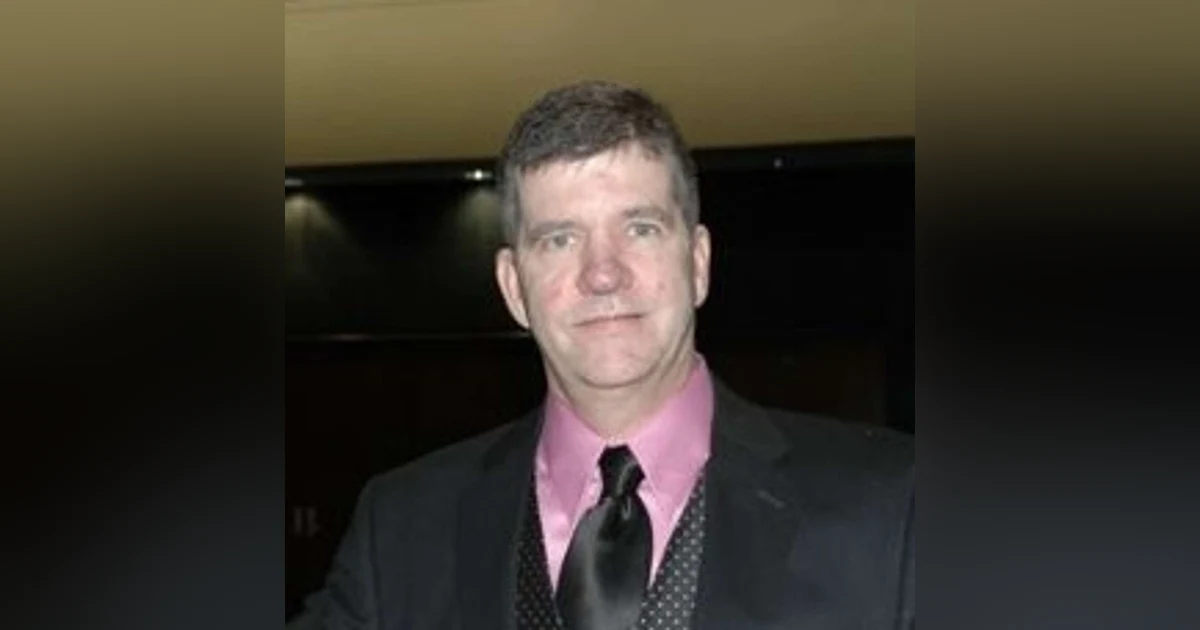

In the riveting conclusion of our four-part Legends of the Cue series with Keith “El Diablo” McCready, the legendary shot-maker and showman opens up about the artistry, heart, and hard lessons behind his unforgettable career. From his early days hustling in rough-and-tumble pool halls to his fearless showdowns with icons like Efren Reyes, Keith reflects on the fearless attitude and creative flair that made him both a crowd favorite and a feared opponent.
Joined by co-hosts Mike Gonzalez, Mark Wilson, and Allison Fisher, Keith takes listeners inside his singular approach to the game — the “twisting” of balls, the mastery of cue-ball speeds, and the instinctive genius that made his play “poetry in motion.” He shares candid reflections on learning through combat, staying out of his comfort zone, and how he found magic not through mechanics, but through pure feel.
Off the table, McCready speaks with honesty and humor about his journey through triumphs and turbulence — from the high-stakes gambling life to lessons learned from age, injury, and self-discovery. In his unmistakable style, Keith reveals what he would and wouldn’t change, the one “mulligan” he might take, and how he wants to be remembered: as an entertainer, a fighter, and one of the best “for the money.”
It’s Keith McCready unfiltered — colorful, insightful, and full of soul. A true original whose stories, passion, and spirit capture what makes the greats of the game timeless.
Give Allison, Mark & Mike some feedback via Text.
Follow our show and/or leave a review/rating on:
Our website: https://www.legendsofthecue.com
Apple Podcasts: https://podcasts.apple.com/us/podcast/legends-of-the-cue/id1820520463
Spotify: https://open.spotify.com/show/4Za0IMh2SeNaWEGUHaVcy1
Music by Lyrium.
About
"Legends of the Cue" is a cue sports history podcast featuring interviews with Hall of Fame members, world champions, and influential figures from across the world of cue sports—including pocket billiards, snooker, and carom disciplines such as three-cushion billiards. We highlight the people, places, and moments that have shaped the game—celebrating iconic players, memorable events, historic venues, and the brands that helped define generations of play. With a focus on the positive spirit of the sport, our goal is to create a rich, engaging, and timeless archive of stories that fans can enjoy now and for years to come.
Co-hosted by WPA and BCA Hall of Fame member Allison Fisher and Mosconi Cup player and captain Mark Wilson, Legends of the Cue brings these stories to life—told in the voices of the game’s greatest figures.
Join Allison, Mark and Mike Gonzalez for “Legends of the Cu...
So coming off that color money uh experience then back in 86, uh, you still had a lot of wins in you. And again, in some cases, they were a means to an end because you still had the gambling part of of these visits to these tournament sites. But I think the point, Mark, is when you when you hear about winning the the 1987 Southern California Nine Ball Open, the 91 Lexington All-Star Nine Ball, the Smoky Mountain Nineball shootout in 94. And even in this this century, the 2004 Northeast Nine Ball, the 2005 Virginia State.
Keith McCreadyI didn't even know I won that many.
Mike GonzalezWell, you know, it just goes to show, Mark, doesn't it, that yeah, he's noted as a gambler and a hustler, but this guy could play.
Mark WilsonThere was a period of time where Keith was top of the heap. And if he came to the tournament, then the rest of the guys had a chance for second. And so, and that that period you know rained on for a number of years. It wasn't the flash in the pan type of a thing. And so yeah, he piled up more wins than he can remember along the way, no doubt about it.
Keith McCreadyYeah. Yeah, I mean, I I forgot all. Yeah, it's hard to remember everything, you know, but but now, you know, it's like when Jenny mentions certain things, then I I get, you know, to where I remember things, you know, and I just have to be reminded of certain things. I've and I now I do remember winning those tournaments, you know.
Mark WilsonWhen you when you look at the skill set that Keith has, it's a bit different than a lot of the other pool players, but it also starts from kind of his hard-scrabble beginnings of learning to play with grown men at a very young age and playing tough, tough players. And so Keith was never regarded like a lot of the other American players that are known for shot making and breaking. Keith was more of an artist. And when you'd watch him play, it was fascinating because you know how I was much more mechanically sound and structured. Keith had this feel for the table. And so while his break wasn't the best in the pro tour, what he did have secretly was that he could bank like a wizard and various speeds to get balls to just kind of bend and arc into the pocket or ease into the pocket and get different positions than a lot of the other players were capable of. And that kind of distinguished him on the tour, I would say.
Keith McCreadyOne thing, you know, I actually learned a little bit of that kind of what you're talking about there from watching bugs bank and compress the cue ball, twist, turn. You know, I learned a lot, you know, watching that kind of thing happen. I didn't know how to twist balls like the way he did. And then, you know, I'd go on the off and start working on that and watch the way he did it. And you know, it was sort of, you know, a weapon, you know, once you did you play bugs? I did play bugs. He gave me eight to seven playing banks and I beat him.
Mark WilsonYeah, that's a pretty tough spot for him to climb over that one.
Keith McCreadyWell, he and I can bank, you know.
Mike GonzalezThat's what I'm saying. Yeah. So, Keith, Keith, a couple times in the interview, once earlier just now, you've mentioned this term twist. For our listeners, try to try to explain for our listeners what you mean by twisting the ball.
Keith McCreadyWell, it goes, it's it starts with your wrist. The way you're moving your wrist around on the cue ball, you got the cue ball and you say you you got the center of the cue ball. And you can twist the balls. You don't have to tighten them up to twist them. You know, like my wrist is is pretty loose back there in a lot of spots. You know. If you see me having to tighten up on a ball, it's be because it's because I gotta hit it with a little bit more power stroke. And you know, and I gotta generate a little bit more stroke on the ball. You know, but if you see me doing something else, it's usually uh just with my wrist and my fluent, you know. I you know, I guess I I don't know with the right word, you know, like a lot of people say, you know, you're like watching poetry in motion, you know, you because you're very f you know, I'm fluent at the table, and everything looks easy the way I'm doing it. Uh where people struggle with mechanics and you know, certain shots that they have, and you know, I make them look easy. You know.
Mike GonzalezBut to your point, Mark, you probably wouldn't accuse Keith of following your six-step approach to pool.
Mark WilsonNo, but he didn't learn it that way. So as long as you pour in the hours and you and then he he's got he's like steel that's tempered in fire, you know, by being in that crucible of combat and where you're battling, you he you can learn it other ways. You don't have to have strict, but you have to pour in the hours.
Keith McCreadyYou learn, yeah, you learn it as you, you know, when you're in combat all the time, you learn it as you go, you know, from you know, making mistakes and and dogging it. And as you go on, you you develop more better skills, and and it comes, you know, hitting balls and taking the time. And you you gotta do it by yourself. You you you gotta it's it's it's hard, like I said before, it's hard when you're going to a tournament and and be practicing it with everybody. And you know, and the things that you need to practice that I'm you know, I'm I'm working on twisting and turning the cue ball and using my Q-tips, my Q-tip high Englishes, and and my and you got your long strokes, you know, for your long straight ends. You gotta be able to make those balls. And a lot of it comes the way you center up the cue ball, you know, and and then you go, you know, with banking. I watch Piggy Bank, I watch Bug Bank, Cannonball. I mean, you watch them, they all dipsy do this hand, and and you know, they they turn a lot of their banks, you know. You know what I mean by that? Yeah, they they twist them in. They it's all you know, finesse and technique. And that's how I I learned how to bang them, but you know, and through combat.
Mike GonzalezYeah, yeah. Now, one thing I one thing I find interesting, for as long as we've talked here today, we haven't really said much about one pocket. You're in the one pocket hall of fame for crying out loud.
Keith McCreadyI don't know how I got there for that, but you know, I mean my one pocket, I learned it as we went, you know. But you know, I'm not a I'm not a great one pocket player. I make a lot of good shots, I can make things happen, I can win games where a lot of people won't. Uh the uh but I mean I mean I'm getting two balls, I was getting two balls from Efren and and maybe needed more when when I was first learning the game, I was getting 10 to 7 from Scott Frost. So 10, 7, 9, 7. So but I was still learning the game. And you know, the one thing about one pocket, you can you can actually almost learn something every time you play, especially if you play guys that move good. You know, because there's moves that come up that I still to this day don't know. And then when I see it done in front of me, well, yeah, here man, man, I'm gonna add that shot in into my repertoire. But I like I like to twist and to turn the balls. They they get you out of a lot of jams, you know.
Mark WilsonAnd your capacity that to generate bank shots at soft speeds really plays well into the one pockets. So maybe you lack some of the moving, but you overcame it with firepower on moving those balls to your pocket.
Keith McCreadyYou gotta you gotta know how to uh be able to hit these banks with different speeds. You know, you got your low, you got your low medium, you got your medium, you got your medium high, you got your extra high, and you got your full blast. You know, it's those, you know, on the cue ball, those are the the spots that I'm looking for. And then, you know, and it also works the same as when you're aiming. You know, when you can get all your uh speeds, those six speeds that I just said, and do it off the cue ball with all the six different spots on the cue ball, with all those different speeds, now you're doing something. Now you're gonna now you're gonna be able to, you know, do some high octane stuff that a lot of people don't know.
Mike GonzalezRight.
Keith McCreadyAnd that's and that's you know, I so when I'm teaching my you know myself to you know other people and I try to explain that to them, like if I can get you to where you can hit that cue ball, and these, you know, with the cue ball, you got you know, you got your low, you get your medium low, you got your medium, medium high, high, extra high. But then now once you start going off to the left, you got all these other ones, left here, left here, left here, left here, left here, left here. So then when you get to the third angle, the third shot on the cue ball, that's just it's you know, those are like if you get out there that outside of the ball, it's either gonna be a draw left with a lot of whip in it, or it's gonna be a little bit of a cue tip left, extreme left, and that's when you're you're just floating the ball in the pocket, and you're coming around, you know, you're it's like a roll shot, but you're you're just floating the cue ball into the object ball when you got those little off-angle cuts. You know what I mean? And you know, stuff, you know, just stuff like that. And then when you got the the center on the extreme left of the three, you know, it's that's that's you're not gonna use that a whole bunch of times, but you'll use it when you gotta probably come down a little bit left of center, and you've got to whip that cue ball. And now the same thing works on the right side. When you got to go inside Englishes from your your one, two, three, four, five, six, and you go one, two, three, four, five, and then you get all the way to the far right side, and you're you're whipping a cue ball, and you're gonna whip it around three rails with the inside English. You know what I'm saying? You got the table like this, and you're going inside and you're going bimp, bimp, bim, and over. You know what I'm you know what I'm saying, Mark, right?
Mark WilsonMm-hmm.
Keith McCreadyDoes it make sense?
Mark Wilson100%. Well, yeah, when you and so some of his vernacular is slightly different than mine, but nevertheless, he he gets the effect. He understands the sport. And so one of the things that always made Keith special was he wasn't irreverent, he wasn't disrespectful, but he was fun. He always had that fun element to him, and he drew a crowd. And so, if let's say he won a big tournament, he he he's right away looking for the best player in the room to gamble with. And and he'd look at Efren, and and and Efren had this wispy black mustache, and he looked over and he'd go, Hey, how about you, catfish? What are you ready to do? But it was a term of endearment, not being derogatory. And and then Efren would like it. And then, but Keith, see, when you live on the edge, when you your whole life is on the edge, the only way you get a thrill is being on the edge. You can't play comfortable, you have to get yourself exposed where it's going to be hard. And playing Efren was gonna be hard, and that's where right where Keith went, as soon as he had money.
Keith McCreadyYeah, I I lose a lot of money to Efren. I only beat him a few times, you know, three, four, five times. But you know, you learn there's things you did I learned playing Efren.
Mark WilsonAnd you can't get that any other way unless you put yourself you have to expose yourself.
Keith McCreadyI'm not gonna get it from Efren's ghost, you know.
Mark WilsonExactly. Yeah, you're not gonna be part of a movie if you don't put yourself out there.
Keith McCreadyI'll tell you what was a damn thing. You know, I could play opposite-handed pretty good, you know. And you know, I beat Siegel playing opposite-handed, and I beat Wade Crane playing opposite-handed, Buddy Hall, and these are all good opposite-handed players. And I'm playing Efren one time, he's given me the eight, and we both play opposite-handed. Well, I didn't know Efren could play opposite-handed. You know what I mean? Well, well, I jumped at that game. And and we played, we played for a dime, we played for a thousand, and I'm trying to settle out of court. I'm trying to settle out of court about about, you know, 30% into the game. I could see that this man played as good left as he did right. I mean, it was ungodly. And uh, I said, oh boy, you know, I mean, you know, I'm in trouble here, and I was trying to settle out of court, and he wouldn't let me.
Mike GonzalezAnd uh you had to ride that one out. Yeah. What was your favorite game, Keith?
Keith McCreadyAny game I could win at.
Mike GonzalezThere you go.
Keith McCreadyYeah, I mean, I but I enjoyed One Pocket, I enjoyed Banks. I liked bar table pool, the big cue ball. I enjoyed that. Because my break was better.
Mike GonzalezYeah.
Keith McCreadyYou know, any game you can win at, you enjoy.
Mike GonzalezYeah.
Keith McCreadyI mean, you keep losing at a game, well, I mean, is it any fun? Hell no. Nobody wants to play a game that that they keep losing at.
Mike GonzalezYou know, yeah, right, right. Well, before we put a bow on it, there are a couple things I want to do. Uh uh, one would just be to to ask you, tell our listeners kind of what you're up to these days.
Keith McCreadyWell, we, you know, we I live we have a nice home. We have another dog. We just lost our other dog, you know, 13 years, and we love them to death.
Mike GonzalezThat's tough. Yeah, yeah.
Keith McCreadyAnd, you know, I deal with my eye situation every day. Uh I look at all the sports. I try to mingle with the sports and and the horses here and there. You know, money forbid. Uh lately it's been tough. Money's been tough, so I've slowed down a little bit. But uh and then um just uh do the chores around the house that need to be done so she can get her work done. You know, wash the clothes and do dishes and get just regular stuff, right?
Mike GonzalezJust regular stuff.
Keith McCreadyYeah, and walk. Uh I try to get out and walk when I can. My back's been a little bit messed up lately, you know. So I've been trying to uh you know work the kinks out there, you know. But you know, I'm 68 now, so it's not getting any easier, getting older.
Mike GonzalezTell us about it.
Keith McCreadyBut got to uh, you know, I think the uh you know the exercise is very important. Yeah, you know, and walking is important. Uh you know, once you lose your legs and you lose start losing your limbs and your organs, you know, it's it's a problem.
Mike GonzalezYeah, you gotta keep moving. Yeah. All right. So this this uh this I'm gonna do a quick segment with some questions. All right, I'm gonna give a shout out to our listeners that are part of Great Play Great Pool. We've got a lot of friends listening from U.S. Team Billiards that Mark's quite involved with. And uh, and I I posed this question, Keith, uh, on the AZ Billiards Forum, which you're as familiar with, and I figure we'll start doing this uh just to have a little fun. And I said, Look, we're gonna have Keith on the show, and if there's anything you might want to ask him, feel free. So let me just go through a few of the questions. And uh this one was from Boogeyman. And he says, I just want to hear his stories, you know, stories of things he saw and other players. Uh he said, I don't know anything specific, but I'd ask, but I'm looking forward to the podcast. So just a little shout out to Boogeyman, not really a question. Here's one from West Coast. He had five of them, but I'll ask you one of his questions. He said, Who is the toughest player you ever competed against? And how did you fare against this player overall? Was that Efren?
Keith McCreadyWell, probably. I mean, it would probably have to, I mean, he's rated uh you know, by all these other things that he was the best. Efren Efren, but you know, I felt in certain situations he could be beatable, you know. But I checked up for sure, try trying, you know, lots of times. But when we first saw each other, and you know, we went 1110, 1110, 1110, 1110. And I wasn't in the greatest shape at that time. And I mean, his his style and everything is just he just didn't look like that he played as good as he does, you know. I mean, it was sort of sort of like my style. They say you know, my style is lit on Orthodox, but so is his. So was his or is his. But you know what I'm gonna, but it's what's funny about that when when I started playing well, you know, I didn't get paid off like I thought I should. You know what I mean? So I mean, and that was a problem with a lot of them, you know.
Mike GonzalezYeah, so here's a question from SJM. He he he asked a few, but but uh one in particular I'll ask he said, Did you play at the rack in Detroit back in its heyday? And do you have any stories from that?
Keith McCreadyYeah, I did play at the rack. I was there. Oh there was a lot of gambling going on there. I didn't I wasn't able, I was get I was offered to get staked in a couple games, but they never they never surfaced. I had a guy named Red Fox, he was behind me a little bit, and uh and Jonesy was staking a bunch of people, and uh there was a lot of games going on, you know. Let's see who was playing. Um well you had cornbread, you know, cornbread red was there a lot. Al Sherman, he was a big money man, staking players. Corello was there. My Corello was playing some big one-pocket games. Um Hopkins even went over there a couple times and win some money. Let's see. Cecil Tugwell was there, and Cersei showed up. Um yeah, as far as the b the money games, Cardone, Cardone was Mr. Engineer. And you know, he he had his hands in a lot of the stuff at games going in the pool room. You know a lot of people had their hands in games and stuff like that, but as far as action goes, there was a lot of money being bet.
Mike GonzalezYeah. Yeah, gotcha, gotcha. Let me ask you one more. This is from Sunburn, and Sunburn asks, have you ever been a commentator in pro matches?
Keith McCreadyI enjoyed it a couple times. Would I do it? Yeah, I would do it. I think I would you know, I think I could be pretty good at it.
Mike GonzalezThat was his point.
Keith McCreadyYeah, I think I could be pretty good at it because I would try to, you know, say what I would think I would do. You know, and there's a lot of times what I think I would do don't match up with what the announcers say. You know, so and you know, in some certain maybe some spots that I could be off a little bit, it's because they didn't try it. You know, and then I see that their way would be okay, I'd be the first one to admit I like that shot better. You know what I mean? For that certain situation. But there's there's there's certain things that you know, with these jump cues and everything nowadays and you know when the when they brought the red dot cue ball in and the blue dot cue balls went away, well, and the rules changed, no more rollout, well my game went down the seven ball. I didn't even want to really want to play pool anymore because it they turned it into a luck box, you know, took all the skill away from the good player and made it accommodating to uh the B and C players to where they have a chance to win, you know, and and people that don't know how to jump are in trouble. You know, and and I was w one of those guys. I didn't like taking jump cues out, you know, and it w it wasn't a weapon for me, it was at a disadvantage. So people would know that, you know, when they're playing you, they just push out for a jump shot. They know you can't do it and you gotta give it up. It's no good. You know? So Yeah.
Mike GonzalezYeah, good point. Good point. Keith, is there anything else you want to talk about?
Keith McCreadyIf there was anything that I could talk about as far as is is the players that are trying to learn how to, you know, to get themselves better, just the only thing I I could say is just the cue ball is everything. Master the cue ball, master the Englishes, master the speeds, and just go off of like what I said, the low, the medium low, the medium, medium high, high, and then extra high. And and if you can exploit that all over the cue ball, except for your far angles, you you don't, you know, you you only need two or three techniques with that. If you're that outside of the cue ball. But you know, being you know from the middle to the two outside points of the cue ball, which come up a lot, you know, just keep on working on the different speeds. You know, just because you make one shot one way with one speed doesn't mean anything if you can't make it at all speeds. So practice that and work on that as far as speeds go with your cue ball. And and you know, take the time to use your your q-tip highs, your q-tip lefts, and your q-tip rights with all the different speeds. I mean, a lot of people might just try to just go low, medium, and hard. That's not it. You got you gotta you gotta go in the in the medium, low, medium, low, medium, medium, hard, hard, and a little bit of extra hard. And then, you know, the sixth one is the power stroke, and that's getting way up on the rock. When you gotta really, when you gotta really smack it, you know, and Mark knows that. You know, when you gotta smack that ball and make that cue ball dance a little bit and come around two rails, and you know, you you gotta try to, you know, make it come two rails and off the side rail and back over here, you know, it's not gonna be done with just a a little three-quarter stroke shot, you know. Yeah, you gotta pop it. And and that's the only thing I would say to all the people trying to learn and learn how to get better. Just practice, work on them cue ball techniques. And they're they're techniques, they're shots, but they're techniques, and you gotta learn them all. You gotta learn all the speeds with all the different uh spots on the cue ball. If you can do that, you know, there's there's some shots that you're not gonna have to hit as hard. Just experiment with, you know, your speed then. You know, take it down.
Mark WilsonYou really nailed it earlier when you were talking about getting out of your comfort zone, too, because you always stayed out of your comfort zone. And that's what most people were complacent where we don't want to expose ourselves to that much risk. So we look bad and we're self-conscious where you weren't. And uh, I think that now that that would be a good message to send on it. You gotta push out of your comfort zone.
Keith McCreadyYou want to get you want to get better, you gotta here. I mean, for the way the situation is now, take the time to uh, you know, get your get somebody that knows something. And don't be afraid or ashamed to ask. A lot of people will hide because they don't want to ask. Well, and you know, because they're embarrassed to ask or whatever. You want to get better, take the time, spend the money to do it. But have somebody that knows how to put you in overdrive. You know, how do you take, you know, there's there's teachers that will teach to a certain level. And if you can't teach the person to get better, you know, to a certain ex point, good teachers won't teach them any further than what they'll go. Teachers will teach to collect that money. I mean, myself, you know, like I, you know, I don't know about, but if I can't help the person, if we get to a certain point and I can't help them anymore, you know, that there's I can't do any more. You know what I mean?
Mike GonzalezSo, Keith, uh, as you may know, we always like to end our interviews with three final questions. And we're gonna let the Duchess ask the first question.
Allison FisherAll right. Well, Keith, firstly, thank you for sharing such a wonderful, colorful journey of your life. It's been really fascinating to listen to and a pleasure to have you here. So here's your question, Keith McCready. If you knew when you were 20 what you know now, what would you have done differently?
Keith McCreadyWell, it's like I said before. I I I wouldn't take back anything that I did because that was a way of life back then. Could I have slowed down in certain areas? Of course. There was I want to consider myself as a professional, you know, and try to, you know, be a professional. But that time period back then with the people that I grew up around, it's way different now. And you know, back then you could go around and you could hustle, go to bars and you know, be able to make money here and there. And nowadays it's a lot different. And you sh and you still gotta you still gotta play real good. You know, especially with these kids nowadays. I mean, I mean you've seen 'em. I mean I mean they I mean, to be honest, I think they play better than we did, you know, a couple of these young youngsters. But but then again, then I look at it. When they don't break the balls good, they're just an average player themselves. I could have slowed down maybe a little, like, you know, as far as drugs and but like I said, I I I I just can't take the like the cigarette smoking was the worst thing that I believed was my worst habit of of anything. Uh but I had here, you can't take you can't take away all the endeavors and all the fun I've had in my lifetime. That's why I was thinking that that's unreparable. I mean, I used you know, women, I had women, you know. Uh I had fun. You know, I can't take that away. Women pool players, not many. You know, it's sort of just it's just acquaintances, yes. There's a lot of them I like, and uh you know, and I think a lot about them. You're one of them. You're one of the women that, as far as I'm concerned, titles and you doing it as long as you did, I think you were the best. I mean, and that's bar none. Thank you. I mean, there was other one other was other women that were, you know, like in my era, you know, Robin Dotson, Robin Bell. You know, she was good, she was she was sort of she sort of had my style of, you know, the way she got down on the ball and stuff like that. She's a good player. You you know, you had m your Mary's and Kenningstans back then, and uh, but pound for pound, winning tournaments. I don't I mean, how long how many years did you do it? I mean I mean lately I don't think you've probably been playing as much. Okay, but when you were doing it there was a there was a mark there, you know, you were a target because you were the best. It was like when Jeannie was playing. You know, Jeannie was probably you know, Jeannie played like a man. But Jeannie Jean Jeannie didn't win as many tournaments as you. You know? Big difference. You know? Uh Jeannie played there's you know she played uh it was she was one of the very few that that could stand up to men. And you could too. If you had to play men all the time, trust me, you'd beat you'd beat more of them than you're gonna lose to, you know. But in your era, in your time, in my opinion, you were the best artist to beat. You know. Now you have your Kelly Fishers and you have some other couple of those Oriental girls that are hard to beat, and you have your your Jasmine Oceans, but on any given day you can still beat them. You know, so but they could never win as many titles as you did for so many years, you know, and that's something they're not gonna be able to take away from you. I mean, the the player it's like you know, it's I'm gonna give you an example. When I was in my prime, the players know what I was, you know, who I could beat and who I couldn't. A lot of the players wouldn't come. They detoured me. You know. It's the same thing with you when you were at your best. And and and and and bottom line, you were a snooker player, converted into a a a pocket billiard player. You know what I mean? So and I and I played good snooker, I mean myself, but I played a different kind of snooker. I played payball. You know, big it's just it's a little bit different. But you know, it took it took somebody really strong to beat me off when I was in my prime. And the same thing with you, you when you were when you were dominating, shh, a lot of those girls didn't have a chance, you know, in my eyes. I mean, you know, right? Am I right, guys?
Mike GonzalezOr fair enough. Thank you very much. Fair enough.
Allison FisherSo I'm guessing that you wouldn't have changed anything.
Mike GonzalezJust the smoking. Just the smoking.
Keith McCreadyJust the smoking, because you know, you know, I guess a a character sa assassination of myself. I I can't I can't, I'm not gonna do that. Because I had a lot of there's there was so many things where I had fun at. That's what it's all about. You gotta have some fun.
Mike GonzalezYeah, fair enough.
Keith McCreadyGreat memories. You can't take that away. So I'm not gonna, I'm not gonna, I'm not gonna take that away. I'm gonna take I'm gonna take the smoking away. And the drugs, I'm just I'm really glad that I got off of the drugs.
Mike GonzalezYeah.
Keith McCreadyYou know, but the drugs were used for a purpose. They weren't used to do every day. You know, they were used here, and I and here, and I'm the only one, I'm I'm talking about it. But here, trust me, there's a lot of them out there that they're you, you know, don't think that they try to act like they're Mr. Goody Two-shoes. And trust me, they're not. You know, they got them skeletons in their closet, and they want to try to act like that, you know, that they're so more superior or above. You know, that's the way it was back in the 80s. And so I'm not gonna mention any names, but you know, it's a bunch of bullshit. You know, it's hypocrite, it's it's hypocritical.
Mike GonzalezAll right, Keith, second question. And as a golfer, you know this term. I'm gonna give you one mulligan, one shot to do over. Where would you take it?
Keith McCreadyIf I could do anything all over again, one mulligan.
Mike GonzalezYeah, is there one shot that you missed that would have made a difference in a money match or a tournament that you can think of?
Keith McCreadyThere were shots that I worked on, you know, and mastered them, I guess you could say. The uh the inside kills is something that, you know, are something that I mastered and and and those shots probably were the hardest to learn, you know, to master. But everything else, you know, once I once I dug into it, you know, it was became pretty natural.
Mike GonzalezFair enough. All right, Mark Wilson for the final question.
Mark WilsonAll right, Keith. How would you like to be remembered in our sport? What would Keith McCready say?
Keith McCreadyWell, I would like to be remembered as an entertainer, which you know, there's gonna be a few bad eggs in every batch, you know, but a lot of the players like me. So uh and the ones that know me and know what I did at a certain time in my lifetime, they know they know what time of day it was back then. Uh as far as now, you know, I'm sort of uh out of the you know pool a little bit, you know. My lady watches more pool than me. But uh I'd like to be remembered as one of the best for the money. I mean I mean and they can't take that away because I think I shot the money ball just as good as anybody at one time, you know. I had that reputation of of you know shooting that money ball, you know, better than most. You know, so and I just you know, I just you know, I don't want to be remembered as, you know, a nothing. You know, I want to be remembered as the and and the players that are still alive that knew me back then, you know, those are the ones should be able to vote.
Mark WilsonNot the evil doctor is uh that that was the term because he won those money games. That's where that came from. It wasn't he's a bad guy.
Keith McCreadyAnd and and I won those money games, and I did very evil things on a pool table that people have never seen.
Mark WilsonYeah.
Keith McCreadyWith no gaff, with everything, you know, all these things now, it's all it's all gaffed, it's all gaffed up, you know, and uh, you know, it you know, we all played with wooden shafts and everything like that. They got all these other things that uh people are using nowadays. I mean, I mean, it's like gaff gaff wedges. You know, they get took they took some of the gaff wedges out of golf. They should, you know, bring the pool back to where they take a lot of them gaffes out of the pool and bring it back to the originality of a pool. You know, or yeah. I mean, you're you but that's what I would like to see.
Mike GonzalezBut yeah, Mark Wilson, it's been an absolute delight spending this time with El Diablo.
Mark WilsonOh, I agree. Uh a complete joy, and uh we got him collected for posterity, so everybody will know who Keith McCready was.
Mike GonzalezYeah, Keith, thanks for joining us, and uh, we really appreciate all the time you've taken with Mark I and Alley to capture your story here on Legends of the Q. We sure appreciate it.
Keith McCreadyOkay, we appreciate you guys. Thank you so much.
Allison FisherThank you for listening to another episode of Legends of the Q. If you like what you hear, wherever you listen to a podcast, including Apple and Spotify, please follow, subscribe, and spread the word. Give our podcast a five-star rating and share your thoughts. Visit our website and support our poor history project. Until our next golden break with more Legends of the Cube, salon, everybody.
Pool Professional
Keith “Earthquake” McCready, also known to many fans as “El Diablo”, is one of pool’s most unforgettable originals: a fearless shot-maker, a born entertainer, and a road-seasoned money player whose life story feels like it was written for the movies… because, in a way, it was. Born on April 9, 1957, in Elmhurst, Illinois, McCready’s early years became a collision of natural talent, turbulence, and survival, with pool providing both a refuge and a proving ground.
In the four-part Legends of the Cue conversation, Keith’s beginnings come through as equal parts gritty and mythic: a kid learning to navigate grown-up environments far too young, discovering that a cue, a table, and a fearless heart could open doors, or start fires. The story traces his move to Southern California and the formative years that followed: the childhood runouts, the early gambling, and the immersion into a West Coast poolroom culture that was as much apprenticeship as it was trial-by-combat. By the time most kids were worrying about school and sports, Keith was learning to compete under pressure, to read people as well as angles, and to understand that in certain rooms the score wasn’t the only thing being wagered.
Part of what makes McCready’s story so compelling is that it’s not a tidy rise, it’s a raw one. He describes a life shaped by loss and instability, and he talks openly about how pool became an anchor during times when not much else felt steady. In those early years, he encountered larger-than-life characters and influences who left permanent marks on his approach to the g… Read More