

 Apple Podcasts
 Spotify
 Kelly Fisher - Part 4 (From Snooker Star to Nine-Ball Queen)
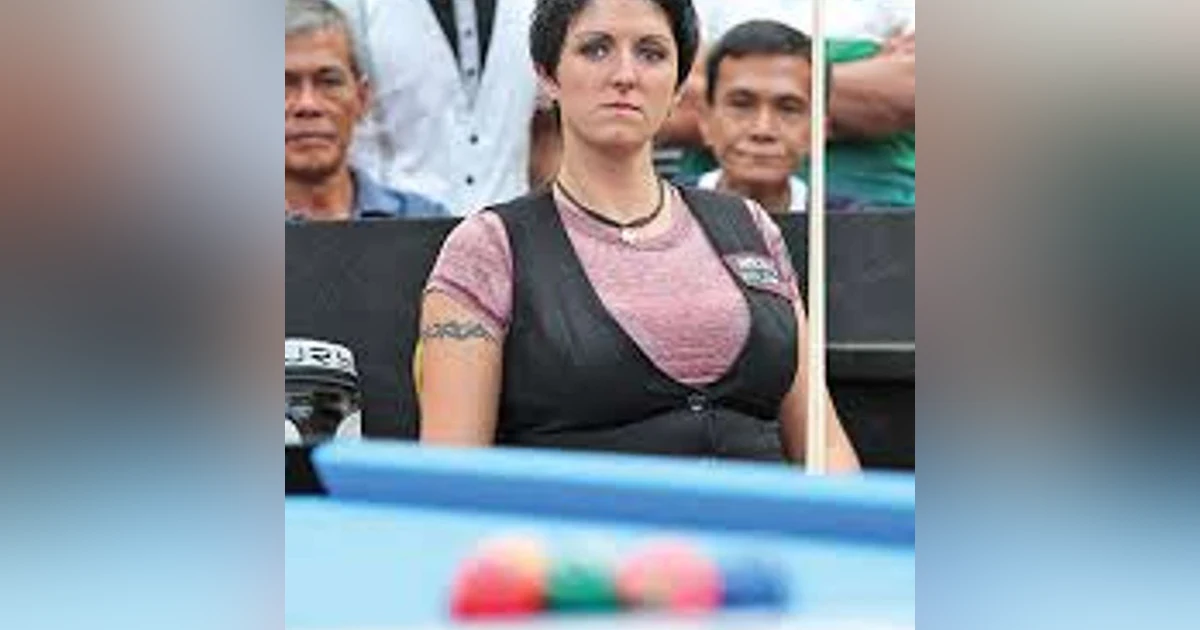

In this fourth installment of our Legends of the Cue conversation with Hall of Famer Kelly Fisher, MBE, we follow Kelly’s remarkable leap of faith—leaving behind the world of English snooker to chase a new dream across the Atlantic. With just £400 between her and partner Val, she arrived in America in 2004 armed with little more than determination and a borrowed cue. Within days, she was learning the rules of nine-ball on the fly—and astonishing everyone by finishing runner-up in her very first event.
Kelly recounts those early, lean years with her trademark humor and grit: playing for rent money, learning to break, bank, and jump from scratch, and adapting to a fast-moving, often unpredictable pool circuit. With guidance from several early mentors, she rose quickly through the WPBA ranks—culminating in her breakthrough 2005 West Coast Classic victory.
Listeners will also hear about Kelly’s emotional journey off the table: her friendship and fierce rivalry with Allison Fisher, the bittersweet memory of winning while her mother battled illness, and the powerful “red feather” moment that reminded her she was never alone.
As the conversation turns to the evolution of nine-ball, Kelly and Allison share fascinating insight into how technology, table conditions, and break formats have reshaped the modern game—from wooden racks and Sardo contraptions to today’s precision magic racks and power breaks.
With warmth, wit, and hard-won wisdom, Kelly reflects on how a young snooker champion from Yorkshire became one of the most respected and resilient champions in women’s pool.
🎙️ Legends of the Cue — celebrating the stories behind the greats who shaped our game.
Give Allison, Mark & Mike some feedback via Text.
Follow our show and/or leave a review/rating on:
Our website: https://www.legendsofthecue.com
Apple Podcasts: https://podcasts.apple.com/us/podcast/legends-of-the-cue/id1820520463
Spotify: https://open.spotify.com/show/4Za0IMh2SeNaWEGUHaVcy1
Music by Lyrium.
About
"Legends of the Cue" is a cue sports history podcast featuring interviews with Hall of Fame members, world champions, and influential figures from across the world of cue sports—including pocket billiards, snooker, and carom disciplines such as three-cushion billiards. We highlight the people, places, and moments that have shaped the game—celebrating iconic players, memorable events, historic venues, and the brands that helped define generations of play. With a focus on the positive spirit of the sport, our goal is to create a rich, engaging, and timeless archive of stories that fans can enjoy now and for years to come.
Co-hosted by WPA and BCA Hall of Fame member Allison Fisher and Mosconi Cup player and captain Mark Wilson, Legends of the Cue brings these stories to life—told in the voices of the game’s greatest figures.
Join Allison, Mark and Mike Gonzalez for “Legends of the Cu...
Ellie, uh I'm interested in if you ever participated or partnered with like Ronnie or Steve or Jimmy or maybe even like a Tony Mayo or your experiences with Barry Hearn.
Kelly FisherWell, to be honest with you, the mixed doubles, they had, I think Ali will tell you better, they had a one or two big tournaments, and unfortunately that were just before I began playing. So I never got to partner up in any tournament that never had a mixed doubles while starting my career. So I never got to partner with any top player in any big tournament, unfortunately. Of course, going to all the various tournaments, I also tried to make it on the men's tour, which was very tough. But I did a good show in, you know, but I certainly didn't make it high enough in the rankings to make it onto the pro men's tour. But I got friendly and and knew all the guys I knew Ronnie well, still do. Jimmy, Steve, you know, obviously playing at the venues of the men's, John Higgins. We're all we all know each other on and off the table, but never actually partnered up with them.
Allison FisherDidn't you grow up with um Mark Selby and so when he players up? Yeah, because I remember you talking about him.
Kelly FisherYeah, I played in a lot of uh junior tournaments and even Pro Amps, we called them. Willie Thorne Snooker Club in Leicester. Willie Thorne, obviously, as you know, his it was his brother that owned the club after Willie. And yeah, Malcolm, yeah. And I was really good friends with Malcolm's daughter. So I went I was there a lot and I played in all their events. And when Mark Selby was he was a couple few years younger than me, he came on the scene, and you know, we would you could tell he obviously had talent, but he's done far better than than you'd have ever thought, really. He's you know done fantastic. But yeah, Mark was there, and uh the likes of Matthew Stevens, Paul Hunter, um, even Sean Murphy. Ronnie was a bit older than me, but he was about, but he weren't in the juniors. I I got to meet up with Ronnie a bit later on, but yeah, so kind of know all the guys very well, and we all travelled a lot to Prestatin. You'll remember that one place, Alec.
Allison FisherHoliday camps, yeah. The holiday camps.
Kelly FisherYeah, where you could win a free week going back there. To go back there. Yeah, not that you'd want to, but yeah, it's not very enticing when you looked at it. No, um, and then to as far as Gary Wilson being on on uh the TV show we talked about earlier. I mean, the I was on the TV show, what's it called again, Alec?
Allison FisherBig Break.
Kelly FisherBig Break.
Allison FisherBig Break.
Kelly FisherYeah, I was on that as a junior and then also as an adult, let's say, yeah, professional. So it was good. I mean, it was great times. I wouldn't change it for the world, but it was tough because you were literally fighting for to pay your mortgage, to pay your bills. You know, I had to win, I had no choice. One good story for you, I was playing in the European Championships, and I actually was just recently won a Hayball European Championships a few weeks ago and European Open. I just won two events in Germany, same place, exact same location, hotel, venue, everything. As I'd won the European Championships in 2002, one or two, and same place. And in 2000, the difference was in 2001 or two, whichever it was, I was playing Wendy Ann's in the final. Now, me and Val had gone there again, no money. We didn't have any money. We'd gone there and relying on me to win it, right? So we had no credit cards back then, we had just no money, and we put all the drink and food, put it on the hotel room, put it on the room, put it on the room. So the final was £1,350 for the winner, £800 for the runner-up. And it they split the sessions over two days for whatever reason. So I was 3-1 down, first to five, I believe. And the next session was the next day. So that morning or that night before, I went to check the balance of the bill to realise that the balance was at 1300 and 1,320. No, and if I lose this match, I'm 3-1 down. If I lose this match, can't pay the bill. Wendy, can you lend me some money?
Mike GonzalezYou're cutting you're cutting vegetables in the kitchen.
Kelly FisherYeah, back to that. Yeah, well, I've not done that yet at this point, but yes. Potatoes and peas next. Exactly. And uh, you know, other than asking Wendy, I back then you couldn't just wire money over or PayPal or there was none of that. So I don't know what would have happened. We talked about having to wash the dishes or something, stay, you know. Yeah, you don't know what you've got to do. I went, I've already told you the result. I went on to win it, and somehow I had a it was Hill Hill, it was 4-4 or whatever. Wow, 3-3, and I had a 60-something clearance to to win that. And I literally we paid, handed over, got given the money, handed it over at the hour later, paid the bill, and I had 35 euro left. I remember that number. 35 euro left.
Allison FisherThat bought a couple of bees, did it, to celebrate?
Kelly FisherNo, well, to be honest, we were leaving, we were leaving. I just checked out and we walked out of this, it's still there, the exact same white revolving door. I were laughing just a couple of weeks ago. I'm like, can you believe it? The memories come flooding back. And then I had 35, we had to between us 35 euro left from winning the tournament, and we were skipping and jumping because we didn't have to face not being able to pay the bill, you know. Yeah, true story.
Allison FisherIt's living on the edge. Living on the edge. Wow.
Mike GonzalezSo let's talk a little bit about that history. Of course, I think we're talking uh for our listeners back to the year 2003. The decision is made. I think I'm gonna come to America and play pool like somebody else we know. You know, tough decision, easy decision. I guess there were elements of both for you given the circumstance. But uh the first thing I guess our listeners want to know is well, wait a minute, what what makes you think you're gonna be able to play pool at the highest level, having played Snooker in English Billiards?
Kelly FisherWell, I mean, I think, you know, if you're a previous champion in anything, it's a new goal, a new challenge, and you're up for it. You know, I had nothing to lose, bearing in mind that the current situation with my factory work. I had nothing to lose. So it was the daunting part was actually packing up and leaving that house, leaving my home and and leaving the family, and and and me and Val just having to leave our family behind and and go to the unknown with with no money other than £400, $700 between us, not knowing, you know, no return ticket. That was it. So that was the most daunting. But again, in the 20s, it's a bit different as well than you know, later in life. So off we went. Yeah, we arrived on the Wednesday in February 20 2004, right? And Kim said to me, There's a tournament on Fr at the weekend in Maryland. We were staying in uh New Jersey at this point. Tournament in Maryland, if you want to go. Yeah, yeah, sure. So we had no cue, no cue, no nothing. Didn't know the rules, did not know the rules.
Mike GonzalezDidn't know the rules.
Kelly FisherNo, didn't know, no, didn't know anything. So arrived on the Wednesday, jet lag, Thursday, Friday. We go to Maryland and stay now, and we begin to stay in the hotel. Friday evening, funnily enough, Mark, Wendy Ann's showed was showed up at the same tournament. I'm like, this is weird. I've just left Snooker in the UK playing you in every final to come to America and you've showed up anyway. She didn't know the rules either. And Kim and Tiffany Nelson, Kim Shaw and Tiffany Nelson spent that night showing me, Val, and Wendy actually, the rules. Kim had loaned myself and Val a queue and Tiffany, they gave gave us a queue each to play with, and that were it. We learned the rules the best we could that night. We played at the weekend. Put it this way, I got into the hot seat. I was in the hot sitting in the hot seat, and in the end result, I got beat by Japanese. What was her name again? Miyuki Sakai. I don't know if you remember her. Yeah, I got beat by her, double beat by her in the final because I've never seen anything like it in my life at that point. That while she's the she's potted a ball, she decides to put the cue behind her neck and start stretching and doing yoga positions. And I'm like, what is going on here? Where am I? And you know, she's stretching to the left and right and touching her toes and swizzing around, and I'm like, I've never seen anything like this.
Allison FisherYou didn't do any kung fu moves, you didn't know she was doing that.
Kelly FisherI should have done something. I should have scrubbed my carrots or something, I should have done something, you know. But no, I've never seen anything like that, you know. So I lost the double hill to her. So I I got second, and Val got third, and along mine and Val's way, I forget which way round, but we both beat the likes of Romana Dokovic, we beat Kim and we beat Tiffany, and all that, and got we got second and third. And I remember the money that we got like between us, something like $1,600. And I remember throwing it up in the air, thinking, wow, in one weekend, can you I can't believe this? We didn't expect nothing. And that was literally landing on the Wednesday as as we went on the Friday and began Saturday. Yeah, yeah, yeah.
Allison FisherOur stories have paralleled a lot along the way. Really? Yeah, it's like me hearing it again. Really? But when I first came to America, I thought that first tournament, I'm like, I can't believe this. Yeah, the money I came in ninth, I think, won 1200, and I'm like, wow.
Kelly FisherYeah.
Allison FisherSo much more than we won in Snooker. That's right.
Mike GonzalezWell, how long did it take you to get comfortable with nine ball? We really felt like you knew what you were doing, you understood the rules, you understood most of the strategy and so forth.
Kelly FisherThe like I said originally, the potting of the balls weren't the problem. That that was something and position to a degree. But the amount of spin and the shot selection, I was everywhere. I was just playing snooker way, really. But kicking was very weak, banking. I had to learn breaking, jumping, kicking, banking from scratch, and that took a while, you know, and the strategy side of it. I had help from uh Mikey Knapps in New Jersey. Um, he spent a lot of time with myself and Val while we were house pro at that pool hall, thankfully, that gave us some financial support. And Mikey spent a lot of time with me and Val. We got to learn the game, but it you never stop learning, first of all. But it took a while to be able to break with any, you know. I mean, I could break the balls, but to have any clue what I was really trying to do took a long, long time, a lot longer than I would maybe want to admit. Jumping was always challenging for quite a long time. The banking, it took me literally to buy back then a DVD of Tom Rossman and have a notepad and do the MM system that he's got and write it down and pause it and rewind it and you know, to learn that, then take your pen and paper to the pool hall and practice it. So, you know, a lot of work went into it, but it was exciting. I didn't care. It was exciting. I was, you know, going to these events, qualifiers, and these small events, and coming away with more money than I would between us than we'd seen in Snooker. Yet it costs more because of flights and things, but it was, you know, we were saving up money, and it was it was like so exciting to the point that when I I basically qualified for the Windsor one, which I told you already about Ali's famous comeback. Did you hear the little jaggy in my voice? Then did you hear that? Yeah, and yeah, up until that point, you know, I I were qualifying, and back then you had to become either number one on a regional tour or you got spots for individual WPBA events, but that was the only way you could become professional, and it was tough travelling all around the country, Arizona, Texas, you name it.
Allison FisherNew adventures, right? New adventures and new challenges, yeah, exactly.
Kelly FisherYeah, it was very exciting in in our twenties, you know, missing family, of course, but and going back as often as possible. But it was it was exciting, nevertheless, and then you know, it's in my nature, maybe not Val's nature as much as me, but she is competitive. But it was in my nature, you know, as soon as I played in a WPBA event, right, I've got a you know, my challenge is to win one, and then from there become number one, and then from there a world championship and world number one, and it's just the way I'm programmed, really.
Mike GonzalezWhat was the toughest adjustment coming to America for you?
Kelly FisherGood question. I mean, I must say it all went very I couldn't have asked for it to go any better. A couple of things I had to get used to was like the Miyuki Sakai god lover doing a stretching during her match and Vivian Virriel doing the tornado spinning around. That was my first TV.
Allison FisherThe antics, isn't it? It's the antics of players and Jeanette and things like that.
Kelly FisherI've never seen anything like that before. So that took a uh you know, some adjusting for sure. Other than that, I must say that I was tremendously well, everybody, all the professionals, all the players. It was great to catch back up with Ali, and there were a few other British players that had come over as well at that point, Sarah Ellaby, Karen Corr, Julie Kelly, etc. So yeah, I felt home from home really, pretty much. Pretty much.
Mike GonzalezDid you find your fellow pros uh forthcoming with tips and techniques or kind of close to the vest because you're a competitor?
Kelly FisherUm good question. I don't I'm not really aware of it that either way, really. I didn't really ask either. I think it's just a known respect, really, especially coming over. I don't I got help from Kim and Tiffany, you know. I mean, the people that were there when I was practicing, but as far as when you go to tournaments, I didn't really, you know, ask for any help or um can't remember being given any help as such. But I had I had some great people that did help along the way. John Barton, who does JB cases, he spent a lot of time with both of us showing us different ways to practice and you know, different shots to learn and things like that, along with Mikey Naps, like I said, and very lucky to just meet really nice people all all along the way. Very, very lucky. Yeah.
Mike GonzalezSo you first broke through with your first WPBA win-win in 2005?
Kelly FisherYeah, I believe. Can you have a look, Mike?
Mike GonzalezOkay, well, I've I've got I've got a list that says the first four tournaments of the year Allison Fisher, Alison Fisher, Kelly Fisher, Allison Fisher. And that would have been who was Mueller at the time they sponsored these first three events.
Allison FisherMueller Products. I think they did a variety of things. Mueller Products. They weren't was it like a superstore? Right. Yeah, distributed distributor, yeah, online as well.
Mike GonzalezYeah, different things. You you guys went from the Carolina Classic to the Great Lakes Classic to Kelly's breakthrough at the West Coast Classic. And uh so it was that the first professional win on the on the women's tour then for you.
Kelly FisherYeah, yeah, it was. It was the San Diego, yeah. I'll never forget that.
Mark WilsonYeah, it was uh I I remember it vividly as your first big breakthrough. And then you won the next two years in a row, so we started calling it the Kelly Fisher uh benefit tournament.
Kelly FisherYeah, yeah, yeah. Yeah, that was my favorite. Still is my out of all the WPBA events. The the V was it Vieya, yeah, it was.
Mark WilsonI loved it there too. I loved it.
Kelly FisherIt was my favorite place.
Allison FisherWe all love that one.
Mark WilsonOne of the worst things uh for Kelly was that uh Steve was not very fair-minded in some ways, and because she played so fast, he would always make her play last to catch up the session. And I always and then he would order me to do this, but I always felt it was unfair she should get to play like all the other normal. But Guy Young Kim also kind of, and I always thought it was kind of unfair they pay an entry fee. Why is it that they have to do it for his convenience as opposed to the way the flow chart works, you know? So but anyway, I do want to thank you anyway, though, because those are long days for me, too. So when we put you out there and you smoke somebody nine to two, it's like, all right, I can clean these tables, go to bed. Right. Yeah, yeah.
Mike GonzalezIt's probably fair to say that at least early on, you kind of like playing on the West Coast because all these early wins, West Coast Classics, San Diego Classic, Pacific Coast Classic, San Diego Classic, but on and on and on. It was like the first 10 or so wins seemed all out west.
Kelly FisherWell, yeah, I never I never really noticed that or paid attention to that. But yeah, it's that San Diego one was a special place for me. I really not only did enjoy it there, but it was like a lucky place for me, I feel. The one in Oregon, that's right, I did win that there too. Yeah, it's it's something I never noticed, Mike, until you just mentioned it.
Mike GonzalezWell, you you broke through and won the US Open Nine Ball Championship in 2008, and doing so, you became the women's number one ranked player. Do you remember who the number one ranked player was at the time?
Kelly FisherProbably this one here. I don't know.
Mike GonzalezWas that that short spell of a few months where she lost the number one ranking? I don't remember. Maybe she does.
Kelly FisherOh no. She's being quiet right now. You're talking about me? Yeah. Of course, we are.
Mike GonzalezAre you talking about me like I'm not here? Welcome, welcome, Alison Fisher, to the show.
Kelly FisherOh, well, you're in a different world there for a minute.
Allison FisherNo, I was thinking about it. I remember you winning that one. I remember that.
Kelly FisherDo you remember the year before in 2007, what you did to me?
Allison FisherOkay.
Kelly FisherRemember that one? Oh, do tell one. Do tell. No, do tell. Seriously. Come on. Yes, it wasn't what you did to me as such, it was what I did. But to I went to the city. I mean, I remember it the eight ball. Yeah. Yeah, I do remember that. Me and Alison were in the final, and uh I was on the hill six-five up, and I'm on a very easy eight, but I've got to stun down past the nine and back up again off the bottom cushion, bottom rail. And I potted the eight, made the eight, and clipped the nine and scratched at pocket speed to go for Alison to get on the hill. Well, it shoulda, could have been mine, but yes, then she decided to break and run. Yeah.
Allison FisherOh my god, do you remember that though? I remember that. I was sitting in a seat and I thought she could hit the clip the nine here and scratch, and she did.
Kelly FisherWhy didn't you come up?
Allison FisherI did not believe it. Well, I wasn't gonna tell you. I go, yeah, you know, just break this break the concentration. And then in the last game, I nearly screwed up several times and I hooked myself, didn't I? Do you remember that? Anyway, I did nothing. But it was a really weird, and I remember something obviously very sentimental and close to your heart was when you won the VAS event, and I think you had to rush home, didn't you?
Kelly FisherYeah, yeah, that's right. I won the it was 2007. I won the VAS, and and my mum had been sick for a while, and it was uh unfortunate it was cancer. So, but I didn't know the severity of it, but I got a phone call from my dad to say, you know, congratulations. I spoke to my mum a few days, you know, that I'd won, and I could tell she wasn't right, but then it was like, you know, I think my dad said you need to come home, and unfortunately, we lost her. We lost her about a month later. And funnily enough, the you know, she was so happy that I'd won that. But funnily enough, the US Open that we're talking about. With that final with Miss Scratching on the eight, that was after my mum had passed away. My first event back, I'd skipped one or two, and then that was my first event back. And I got so emotional. We had to always do a speech afterwards for the ESPM. And after it wasn't about losing, but I got this emotion come over me that I had a lump in my throat. I think it was just the emotion I'd gone through with losing my mum. And a lump in my throat, and I couldn't control that my eyes watering. And I had to get up and do a speech any moment. I'm like, I can't talk or anything. And we stood in the middle of this casino convention room, and all of a sudden, caught my eye was a red feather out of nowhere, small red feather. And it caught my eye as I'm stood there choking, trying to hold back tears. And I watched it, and all the way down, it went all the way down and landed on my right foot, this red feather from the middle, and I had this warm, peaceful feeling come over me. And I picked the feather up, I put it in my pocket because I was ready to go. And I did the speech, congratulating Ali for winning. No problems, and I've kept that red feather still to this day. It was definitely a sign from my mum. I do feel like that.
Allison FisherYeah, definitely. That's really neat. I remember that. I remember watching it with you. We could both see it like fluttering.
Kelly FisherYeah. And it landed on my right foot, right?
Allison FisherAmazing. And I remember you putting it away and you know keeping it. Still got that.
Mike GonzalezWhat a special memory. Yeah.
Allison FisherYeah. Yeah.
Mike GonzalezWell, you win that nine ball US Open in 2008. Not only did you become the number one player for women, but you were Billiards Digest Player of the Year in 2008. So in uh five short years, four or five short years, you had really come into your own on the pool scene.
Kelly FisherYeah, I think once I got the feel for it, I knew I could do it. The problem is, like we said earlier with Nine Ball, it's very that's I mean, Alison's done unbelievable because it's very difficult to dominate, you know. The game has got its lucks, and it's very difficult to dominate and keep winning. There's so many great players. In the snooker, there wasn't the depth of that many great players, whereas in Pool there was, and it is still is, if not even more nowadays, it's it's getting scary. But you know, to once I got the feel for it, I thought, you know, that's a goal, a realistic goal that I can achieve. But I didn't know how long it'd take me, and I didn't know, you know, there's no guarantee. And I knew with the game I'm playing that it might not happen, but that was my goal. And when I did win my first event and then lead on to become number one, and the next goal was the world championships. You know, you never stop, Mike. It never stops. Even now to this day, I've still got goals, it never stops.
Mike GonzalezYeah, so we'll we'll come to the the first world championship. Uh you won in 10 ball in 2011. Before we do, I'll ask you both this, and and Mark can chime in as well. We're we're still back in 2008 sort of time frame, so it's nearly 20 years ago. What's changed with nine ball? What aspects of the game of nine ball are more important or less important now than they were back when you were playing? Because conditions have changed, right? Cloth conditions, probably a little quicker these days. Uh uh, maybe rail conditions. Certainly queue technology has changed. You know, magic racks versus just rack versus uh Sardo rack. I mean, there's different racking mechanisms. What what aspects that maybe have changed uh compared to when you guys were playing in 2008?
Allison FisherWell, when I first came over, one major thing was that we had a different table sponsor at every event. So we plan on different equipment all the time, different tables. And then another thing that changed was we used to do winner breaks. So I think when somebody comes along and dominates a game, they start to change the rules because it gets a bit monotonous for some people. So it started to become alternating break. And some people obviously preferred that because it's like tennis taking, you know, turns. So that was a major thing back in my time that changed. We hadn't really gone from a wooden rack at that point, and then the sardo rack came in. So that was more of a you know, it's a contraption, of course. It was massive contraction on the table, and it did indent the cloth a little bit. It was the same effect as a magic rack. So that was a thing that changed, and then of course, Kelly, if you want to take over here, because then the equipment changed and so on and so forth.
Kelly FisherYeah, by the time I come along, apart from the the first year or two, I believe, when I was qualifying, I remember it still being different, like tables, Connolly, and you know, went from a few different tables, but then I believe Brunswick sponsored it, and then it was the same. So the conditions were were the same. Every event were playing on the metro, I believe. And and I noticed that it went, it was alternate break by the time I come. Yeah, it was, and the wooden rack, and that was another ordeal because it was rack your own, and you had certain players, and we'll not mention any names, but you had certain players that would check the rack, and you know, it's impossible to make every ball frozen without a without a magic rack. And the sadho had gone been and gone by this point, I think. And I only saw the last end of that. I never actually played a tournament with a sardo rack, I don't believe. But wooden rack, and you're trying your best, and you you let the opponent look at your rack, and no matter what, you know, Mark, you'll remember how many hours delay because of the wooden rack.
Allison FisherOh, yeah. I mean it was awful, and and then you're relying also when it got to the TV stage, Steve racking the balls. I sat there one time, I was five five with Jeanette, and the nine went straight in, and I just stared at him because that's a racking situation, and that was another you know, he couldn't see very well, he needed his glasses, so you weren't you know you weren't getting good racks, you know. So it was an issue, it was an issue, definitely.
Kelly FisherIt's still happening now. I've just come back from Temball and we've got referees with glasses or not glasses, and you know, even happened to Alex in the final in the eight ball. You're not sure if you're getting a good rack or not. Yeah, and you can't look. You can't look, and I'm not blaming, whereas in WPBA we could look, yeah. But I'm not blaming the referees, they are doing the best, you know. You know, I believe that. Um you can different when you see somebody that doesn't check probably, but they're really doing their best. But after a week tournament, there's going to be indents everywhere, and it's just very difficult to rack. But that's one of the big things back then. What I've I struggled with. I found it a little bit intimidating because I was new to the tour, and there were certain players that just you could not please. And in the end, I'd say rack your, you know, you can rack your own because I got off, yeah. But it weren't long before that intimidation wore off. Uh, the more I got to know them, and the more I'd played them, if you say, if you will. So that that wore off, and then like it's a big it is a big family, the WPBA. Everybody always has been since I've experienced it anyway. Everybody got on very well. So it wasn't I always were trep very well, like I said. So that intimidation didn't last long, but the racking was certainly one thing that sticks out in my memory.
Mike GonzalezYeah, are are the ladies, would you say they're better rackers today than they were 20 years ago? I mean better breakers today than they were 20 years ago.
Allison FisherYes. Well, we got okay, yeah, yeah, probably, but we've also got a rack that is the same every time. You know, you've got a magic rack, the balls are the same every time. So once you get the speed down, I wouldn't say they're hitting it super hard, not even hitting it hard sometimes. No, it's just knowing how to hit it and where to hit it. So maybe the accuracy is good. But with a magic rack, you know, we're not playing a three-point rule. I mean, we have moved the nine-ball onto the spot as opposed to the one ball, so that's changed. But if you get that cut rate right, it's no different, especially if you don't have a three-point rule.
Mike GonzalezSo you get more consistent results, I guess, from the magic rack, right?
Kelly FisherYeah, that's right. Um and it becomes a bit the say, a bit you know, predictable kind of.
Allison FisherAnd to be honest, before you say something, the stardow back in the day was the same thing, right? That was Karen Korr's domination of the sport, was the stardo tight right. Because she mastered soft breaking, and the only problem with that was make she made the one in the side, and of course, anyone can soft break, you have a choice to soft break or half break, right? She mastered it, and the only problem was the commentary remained the same, the balls would go almost to exactly the same place, and it was very difficult for the commentators to commentate that. So that was a downside. Kelly, you were gonna say something.
Kelly FisherYeah, I was gonna say that you know, playing these ten ball and nine-ball events on the Predator Pro Billiards series, their referees rack in with a wooden rack or a predator rack. And yeah, the the problem with that is what we just spoke about, that you know, because it's somebody else you're relying on, you can't check the rack. So the girls, all of the ladies are having to really wallop them, you know, hit them hard because if not, you you have no chance. No chance. So when I look at the the break from my memory, the break now a days to my memory from 20 years ago, I would say there's a lot more girls that have a power more powerful break than back then, you know. But same as what you said about Karen mastering the Sardo, we're we had like Christina Takach mastering the magic rack with one ball on the spot, and a little bit of the nine ball on the spot, but especially with one ball on the spot. So therefore, they can soft break if they know where all the balls are going and and they've mastered it, you know. So there's pros and cons to the magic rack and and uh regular rack, and you know, there's not a perfect perfect solution.
Allison FisherYeah, it's nine ball. I mean it's now we've gone to world rules, right? Which is to take away the three-point rule and then put the nine on the spot. The world rule on the WPBA tour.
Kelly FisherOh WPBA, yeah, but the WPBA is nine on the spot, no three-point rule. The WPA rules are nine on the spot with a three-point rule. Why are we not playing a three-point rule on WPBA? Because they wanted to introduce it in and they thought the three-point rule would be too difficult for the players.
Allison FisherPublic, but we've been playing it for a long time.
Kelly FisherNo, not public, not public, players. Players? To make the three-point, yeah.
Allison FisherYeah.
Kelly FisherBut if if it keeps growing, WPBA with the sanctioned events with WPA, um, the events that are over a certain amount of money will be forced to do the three-point roll. But it's got to be over a certain amount of money, yeah.
Allison FisherYeah, okay. Thank you for listening to another episode of Legends of the Queue. If you like what you hear, wherever you listen to your podcast, including Apple and Spotify, please follow, subscribe, and spread the word. Give our podcast a five-star rating and share your thoughts. Visit our website and support our Paul History project. Until our next golden break with more Legends of the Queue, so long, everybody.
Pool Professional
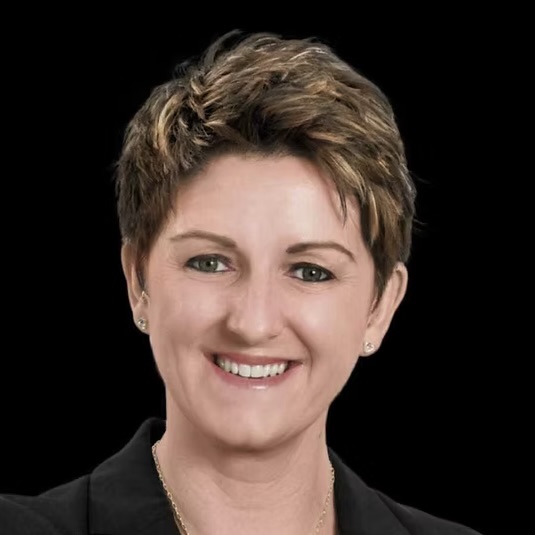
Kelly Fisher’s story is the rare cue-sports journey that doesn’t just cross continents and disciplines, it redefines what “world-class” can mean when talent meets toughness, curiosity, and an unrelenting standard for excellence. Born in South Elmsall in West Yorkshire, she grew up in the kind of close-knit, working-class environment that quietly forges competitors: you learn to stand your ground, you learn to show up, and you learn that results matter. Kelly’s first tables weren’t glamorous arenas under TV lights, they were the everyday proving grounds of English pub culture, where the game is part sport, part social ritual, and part apprenticeship in nerve. That early setting helped shape the trademark qualities fans recognize today: poise under pressure, a steel-threaded mindset, and an ability to lock in when everything is on the line.
Very early on, it became clear she wasn’t simply “good for her age.” She was exceptional, driven, precise, and hungry for structure. That structure arrived in the form of coaching and disciplined training, most notably through long-time mentor Lionel Payne, who has spoken publicly about meeting Kelly when she was still a young teenager and watching her potential ignite into something historic. Their relationship is a key through-line in her career: the belief that talent is only the entry ticket, and the real separation happens in the routines no one sees, repetition, fundamentals, and the willingness to be coached even after you’ve won everything. Kelly herself has repeatedly credited the consistency of that coaching bond over… Read More