

 Apple Podcasts
 Spotify
 Mark Kendall - Part 2 (Riffs, Road Gigs & Runouts – The Relentless Drive of Mark Kendall)
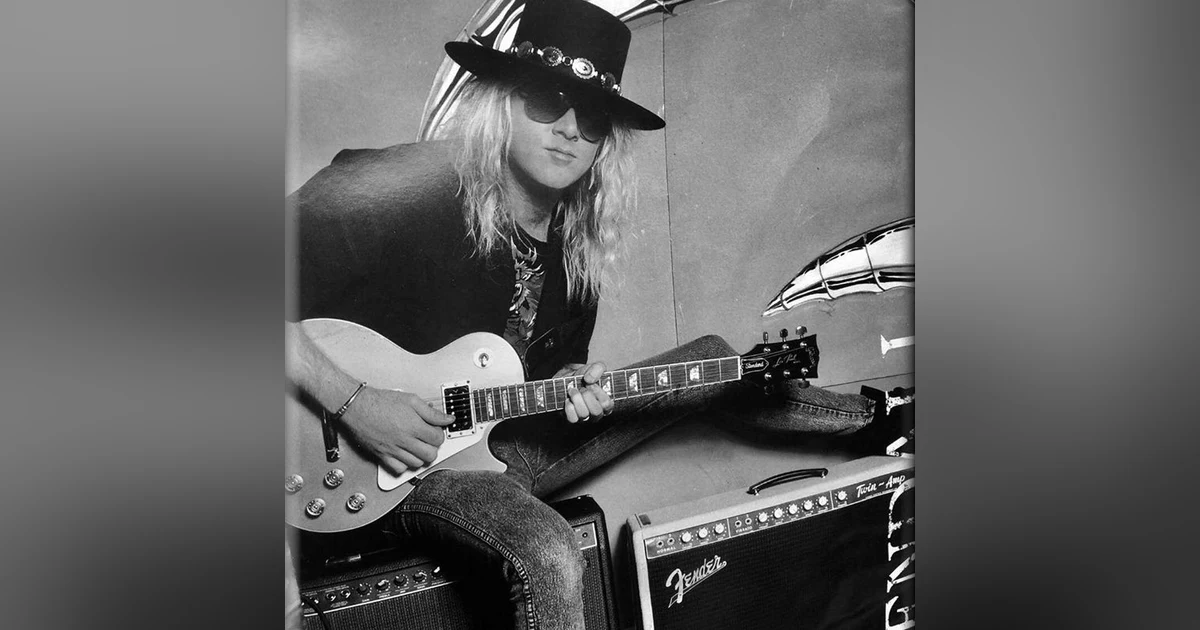

In this second installment of Legends of the Cue with Mark Kendall — famed guitarist, songwriter, and founder of the multiplatinum rock band Great White — we journey deeper into the fire and rhythm of a life shaped by equal parts grit, melody, and cue chalk. From his early days strumming in garages and dreaming beyond backyard gigs, to the electric moment when fate and a record label executive collided in a smoky L.A. club, Mark shares the unlikely path that led him from factory shifts and cover sets to international stages alongside Whitesnake and Judas Priest.
With his trademark humility and humor, Mark recounts the grind behind the glamour — five-set club nights, demo tapes financed by his singer’s father, and the relentless work ethic that kept him chasing opportunity long before the spotlight found him. Alongside co-hosts Mike Gonzalez, Allison Fisher, and Mark Wilson, we explore how passion for both guitar and pool intertwined to fuel his creative energy, and how lessons from the felt mirrored those from the stage: precision, patience, and performance under pressure.
Kendall reflects on the rise of MTV, the shift of the music scene in the ’90s, and the enduring connection with fans who’ve grown up with Great White’s anthems. He also opens up about his love of the cue game — trading riffs for runouts, and late-night rock shows for all-night pool halls with legends like Grady Matthews.
This episode captures the drive, discipline, and sheer joy of a man who never stopped learning — whether from Hendrix or Hall, Morrison or Mosconi. Mark Kendall’s story reminds us that greatness is earned one note, one stroke, and one dream at a time.
Give Allison, Mark & Mike some feedback via Text.
Follow our show and/or leave a review/rating on:
Our website: https://www.legendsofthecue.com
Apple Podcasts: https://podcasts.apple.com/us/podcast/legends-of-the-cue/id1820520463
Spotify: https://open.spotify.com/show/4Za0IMh2SeNaWEGUHaVcy1
Music by Lyrium.
About
"Legends of the Cue" is a cue sports history podcast featuring interviews with Hall of Fame members, world champions, and influential figures from across the world of cue sports—including pocket billiards, snooker, and carom disciplines such as three-cushion billiards. We highlight the people, places, and moments that have shaped the game—celebrating iconic players, memorable events, historic venues, and the brands that helped define generations of play. With a focus on the positive spirit of the sport, our goal is to create a rich, engaging, and timeless archive of stories that fans can enjoy now and for years to come.
Co-hosted by WPA and BCA Hall of Fame member Allison Fisher and Mosconi Cup player and captain Mark Wilson, Legends of the Cue brings these stories to life—told in the voices of the game’s greatest figures.
Join Allison, Mark and Mike Gonzalez for “Legends of the Cu...
I like this hearing. We got the fourth grade to I'm gonna I want to get the chicks out to I want to leave a body of work for when I'm gone.
Mark KendallNow I've heard people say that stuff I just played it because of the chicks or whatever, but I truly played it. I think the hook for me was improving on it. The more I improved, the more obsessed I became. You know. I was playing air guitar at my desk at school, you know, thinking of something in musical in my head. I mean, I was really it it it just eventually, you know, it's for one thing in baseball, it's a very tough situation. If you almost have to rise above the entire league and be getting write-ups in the paper, and then you might get scouted. You only might get scouted, you know what I mean? And it's usually some really badass pitcher, you know, or or something that that gets a deal. I just didn't it it wasn't so much that oh, I'll never make it in baseball, so I'm just gonna go with the guitar like you know, it wasn't that kind of deal. It was just I loved the guitar so much and making music and playing in front of people that it it just kind of won out. But I wasn't gonna let Pool out of my life by any means. It just I was very relentless as far as when when I did get a band together, I played as often as possible, even if it was free. Because I I'm just trying to put myself in a position to get lucky and have somebody in the crowd one night that can help us, you know. And lucky for me, the stars lined up and a guy finally an AR man from a ri uh a record company saw us play and gave us his card, and we went down to the record company. Ever since that day, it it's been a whirlwind. They flew out a producer from Germany, and we're in the studio making records, you know, just crazy.
Allison FisherHow old were you when that happened, that turning point?
Mark KendallI I was when that happened, I was 24 years old. So I've been doing, I've been playing for six years before uh, as far as you know, my road to trying to get, you know, somebody to help or get us, you know, a record contract or whatever you want to call it. I my my thinking, my goal was always just somebody to get me up a couple more notches than where I'm at right now. I wasn't like thinking super big picture, like I want to play.
Allison FisherInternational, yeah, stadiums.
Mark KendallSo my goals like that. I I kind of my goals were kind of making little steps, you know. But I I figured if somebody could help us that's in the industry that that could get our music to the people that we were writing, that that could be pretty cool. So our first tour was with a group called Whitesnake in Europe, it's 1983, you know, and we are as green as grass. I mean, you know, we're scared to death, you know. But luckily for us, the band itself kind of took us under their wing. They wanted us to do good, and and that was helpful. Instead of being the big intimidating rock stars that are out to kill us, they were they were more they were more like, hey, don't worry about it, go go get them, you know, have a great show and and encouraging. So that was helpful. So then when we came back to the station opened for Jesus Priest, we had a little bit of seasoning, you know. So it wasn't so scary. But we're playing arenas every night, and this is a far cry from where it came from, you know. We were playing in backyards where you pay a dollar and they have a keg of beer, and then helicopters come within four songs and all that. Fun time. Yeah, we were playing in in clubs, we were playing all like a lot of cover songs, like five sets in a night, five 45-minute sets. I mean, it's a lot of work. And then I go the next day and go work in the potato chip factory, you know. Or I had another job painting A and PM signs, you know, just painting the back white, and then they put the lamination on it. So I had a lot of jobs like that, painting numbers on curds, you know, you do about anything you can uh to survive. But uh until you're you know, there's some luck involved, but I I really believe that we're semi-deserving because we we did work real hard with our work ethic as far as playing shows, you know, putting ourselves in a little bit better position to be discovered because we figured if you're just playing two times a month, what's a chance a record company's gonna be there? You know, we gotta get in Hollywood and and go where they are, and maybe they'll pop in. And that's what happened. Lucky for us, man. And and then you better have a good night that night. If life landing shows up and you have a terrible night, you know, that wouldn't be good. But uh yeah, so that that was kind of, you know, and I hear bands they they talk about how bad their deal was, and we didn't have the best deal either. But here I am, you know, 42 years later, it's still with a career. You know what I mean? Definitely has to do something to say about that because it's better than where I came from, and we've gained a lot of fans and our music, you know, we kind of grew up with our fans. They they know the songs, they come to see us play still. We just played in Detroit, Indiana, and Las Vegas uh you know, three days ago.
Mark WilsonYou know, so my older brother, it's cool. I love those things.
Mark KendallYou know what's funny? In Hollywood, they did a mural on the side of this building in a place I've never played before called Guizari's, where kind of Van Halen started. They used to play there five nights a week and put me in the dead center of like the mural playing guitar with like the doors, Yui Lewis and the news, you know, Van Halen, Botley Crew. It's like the funny part of it, I never played that club before, but I think the reason is because we had success and and it was where we got our start that it it that but to make me a part of that was kind of like you know, you really feel like I'm not worthy. Are you kidding? I'm up there with the doors, the first albums I ever got in my life when I was like nine.
Mike GonzalezYeah.
Mark KendallThis is crazy. This is uh it's really quite surreal in a way because I'm nine years old. I'm listening to the doors, just completely floored by how great their songs are. They're so in incredible, incredible. And Jim Morris and the way he sang and everything is so unique. And then, you know, 30 years later, I'm like on the side of a building with them. You know, can you imagine how crazy that is? This isn't ego I'm talking about. I'm just talking about the unrealness of it, you know, if that's a word, unrealness.
Allison FisherIt is now. We'll take it.
Mike GonzalezThank God for that. You talk about influences like Jimi Hendricks and Jim Morrison, a lot of parallels across those two guys, right? Born about the same time, died about the same time. Both were gone at age 27.
Mark KendallRight. Yeah. I yeah, I don't really have an answer for that, but there was I I guess a lot of experimenting around with different chemicals and drugs and stuff. To I I don't know, it was just the era, I guess, the uh you know, with the psychedelics and and all that stuff. I I've never been a drug person myself. I just you know it wasn't my drug of choice. I used to drink beer like a crazy man, which is really happy that's not in my life, but I've never been anything that would like hinder my playing ability. You know, you know, I I was more into like I can't imagine playing like high or something. It would just be distracting, yeah, I would think. So I don't I don't know how they did that, but Hendrix, the thing I love about Hendrix, it wasn't just the rock part of his playing, but he played some beautiful guitar stuff that was with a clean air sound of and wonderful songs. Like that's why when I first listened to his album, Jimi Hendrix already experienced, I was singing along with him because I love these songs so much. Hey Joe, you know, where are you going with that gun in your hand? Yeah. Even though his his range, his vocal range was kind of limited, the way he delivered the song was very believable. You knew he meant the words he was singing. So um there's a lot of loves about that. And then cream, they were very riff-oriented, you know, kind of changed the landscape a little bit as far as uh using the Wawa pedal and stuff that Clapton did is uh first time you really heard that.
Mike GonzalezMy sixth grade band did White Room in the White Room. And I was the singer, but I don't dare sing now.
Mark KendallOh, come on, Chris now. Now we know that.
Mike GonzalezI thought every kid had a rock and roll band when they were younger, you know?
Mark KendallGod, I didn't have I never jammed with the drummer when I was 10 years old and and I played with that other guitar player, the porch goes just me and him, right? We don't have a drummer or bass player, nothing like that. One day I'm messing around with my baseball cards in my room, right? 10 years old, sitting there. I got this big, you know, shoeboxes full of you know, rookie cards be worth I don't even know how much today, but I kept hearing this drummer, right? The drummer kept playing. The first couple days I just kind of I don't know if I blocked it out but didn't pay that much attention. But when it kept coming and there was no band or anything, I asked my mom, I go, hey mom, would you go with me? And we go ask that drummer. He lives right next to Carol. I go and knock and just see if he would jam with me and Kurt. You know. And so we go over there, we knock on the door, guy's name's Jim, right? He answered. This the guy playing drums, answering the door. And my mom explained, this is my son Mark. Uh, he has a friend, and they they were wondering if you ever had free time, if he would mind playing with them. And he and I'll never forget his words. He said, Holy cow, I thought you were here to complain about the noise. So, anyways, he mercifully, this guy's 20 years old, he mercifully plays with two 10-year-old boys. So we had a wagon, we wheeled our our stuff over to his house and played in his garage. I set my app up by this big tire, and and Kurt was on the other side by a workbench, and he had a beautiful white set of drums. And I'm like, okay, so we're getting ready to start. I go, hey, you know Gloria? And he goes, Of course I do. We're jamming with the drummer at it was just so legit. And and and here's the funny part that the next day at a baseball game, right? And I'd never hit a home run. And I would I was just so excited to tell my team about we just jammed with a real drummer, you know, just so it's so awesome. And anyways, so on the I I know the pitcher's name and everything. Base is loaded, I'm up to bat. Antoine Reed, this left-handed black dude, just threw fastball. I hit the ball perfect off the bat. I mean, it was literally the non-stinger right on the barrel, and it goes over the fence.
Mike GonzalezNothing feels better.
Mark KendallI hit a man slammed my first home run. So I go, my uncle, I mean, my cousin Jerry was the coach, my dad wasn't the manager. And nobody made a big scene, you know, but they they were a thrill for me. We, you know, we kind of hot. But I don't know, you know, I think back and I don't know if I was just so excited about playing with that drummer. It's just I had this extra energy, you know what I mean? And somehow that gave me the power to hit a home run. I don't know. But I'll just never forget that with the cleanness of that head. I just, you know, it wasn't even really that hard of a swing, it's just I hit it so perfect. It just got through hard. Timing. You know, for a 12-year-old, it threw real hard.
Mike GonzalezYeah.
Mark KendallBecause I was in the majors at 10. Yeah. If you were good enough, they would put you in the majors in Little League, which is 10, 11, and 12. But it was mostly 11 and 12-year-olds. So I'm 10 and hit a home run. So that was pretty cool, man.
Mike GonzalezAnd you go home and play Gloria. What else was on your playlist at 10 years old?
Mark KendallUh, in my early part?
Mike GonzalezYeah.
Mark KendallWell, my dad, he's the one when he first brought me Hendrix Cream and The Doors, he said, here, Mark, he goes, I got some records here. These are popular groups. Hendrix and Doris and Cream.
Mike GonzalezYeah.
Mark KendallThese are popular groups. Anyway, but then he started bringing, he brought me a 45 of a group called the Yardbirds, and it's the first time I ever learned a song by listening to it on the record. It was called For Your Love. With Clapton? For your love. You know, I bring you diamond rings to dad to dad for sure. Yeah. Love that song. Yeah. And come to find out I didn't play it absolutely correct, but I, you know, it's pretty fun to learn from listening by ear and you know, be able to put it on my guitar. So that's when I that was kind of the embryo of me learning songs from records. And then my dad would bring home a bunch of records that he find, and I don't know what they call that. It's like Bargain Bin, I think, like where you can get a bunch of that's when I discovered like the moody blues and some of these kind of bad finger, and some of these kind of off the logger, you know. And uh didn't really learn anything off those albums, but I I liked a few of the songs. Anyways, yeah, I just carried on. I started making my own music when I found the singer Jack Russell, who became my permanent singer because I was in a different band. He came, I finally got a hold of him. A friend of mine told me he saw the singer, this kid, he's only 16, but he doesn't sound like 16 when he sings. And he can sing anything. And I go, give me his number, man. I want to call this guy. I called him for two weeks straight. He kept telling me he had the flu. He actually answered the first time I called. Said he had the flu, wouldn't feel good. But he kept giving me that excuse for like two weeks straight. I'm like, okay. You know, call me when you're not sick or whatever, dude. Anyway, so so I kind of give up on it, but he ends up calling me. And I said, Well, what do you think about coming and auditioning for my band? And he's like, Okay. So he came down. We played a couple songs, foreigner songs, something else, sang it perfect, right? So we took a break and we're in this bedroom. And he goes, You know, Mark, he goes, I'm really more into playing original music. You know, I want to be the next let's definitely. And I'm like, okay. Yeah, I go, I showed him a couple ideas I had. He goes, you know what? What do you think of this? If you get rid of that fat dude and the guy with the mustache, I'll join your band. And I go, that only leads me. And he's like, that's what I mean. Let's go make our own band. I go, I'm totally into it because I I'm over it too. So I ended up getting my gear the next day, and we had to go pick up his gear. He told me that he was sick, but he goes, I gotta come clean. He goes, I was actually playing with another band, but they're awful. He he goes, the the drummer's pretty good, but they're very non-rock star, like he had cloak bottle glasses and all this. But anyway, so which is kind of weird to talk about it. They were nerds, just you know, he wasn't one for euphemisms, he he didn't speak around any soft language, you know. But anyways, uh, so so we went and picked up his gear, and then I met his parents, and they were so sweet. Their parents were just amazing. And his dad actually financed some demos for us once we uh once we got a bass player and drummer and stuff. So we were making demo tapes, and and everybody that's been in band with Jackie gets them a job in the in his factory. His dad was a big superintendent of some big factory that did underwater power. So it's like these big tube sheets, and you put the tubes through the sheets and dynamite blowing off. We're wearing safety goggles, helmets, earmuffs, you know, you know, wanting to be rock stars, and here we are, like, you know, doing this really insane job, you know, whistles going off at the lunch truck, the whole deal. So uh, but it it have it didn't, we didn't really work that that long because uh we got that opportunity with the record company guy. And so, but then here's the funny part. We did a five-song EP. It only had five songs on it on both sides of the record. One of the songs got in heavy rotation on the radio, which is unheard of because we really didn't have a proper record deal. We only had a distribution deal. So they're playing us in heavy rotation with Tom Petty, and it was just I'd never heard of it in my life. A local band with no record deal hanging in with Tom Petty on the radio. Automatically, the biggest labels in town were all bidding on us, you know.
Mike GonzalezThat's correct.
Mark KendallUm it was all done because the manager knew what he was doing, the AR guy and stuff, getting us in the loop. A lot of things came our way, so it happened very quickly.
Mike GonzalezYou know, who was writing the music at this at this juncture?
Mark KendallI wrote all the music for the band, and I would hum the melodies, what I was hearing vocally, and Jack, the singer, would insert words, you know, and then we kind of go back and forth on that. That that's the way we were so it was just him and I. I come up to musical ideas, and and I always did that with singers. I would because I'm kind of the melody man, it's like I have this ear for music and I think I know what it should do. But I'm really just Doing it for a guideline for them, and then they can change it. And I've actually had singers change my idea completely and have it be way better. But this at least gives them some singers, you can't just hand them music and have them come back with a song. But some can. That's a legit singer. Jack would have the greatest voice on earth. I I just thought he was the greatest singer, but needed a little bit of help getting started. Um, you know, so we all we all had our strengths and weaknesses and weren't afraid to admit it, what the weaknesses were, you know. We just worked what the strengths were and and concentrated on that. So we didn't care if grandma came up with a lyric, you know, hey, is it okay if we use that? I really like that. You know, so we you know, we didn't let our egos get in the way of something that's gonna make the song better. The song was always the baby that we wanted to grow up and do well and go to college. So so so we always let our egos not get in the way of making the song the best it can be. You get me? So that's the way we kind of work.
Allison FisherWell, you're always so cohesive as a band, or did you go through any tough times as a band? Because you stand your egos didn't get in the way, which is wonderful.
Mark KendallBut many tough times, um, you know, where addiction kind of got in the way a little bit. Just you know, ups and downs with the industry in the early 90s when Nirvana came out, which I thought was the greatest thing I've ever seen. Uh you know, these guys wearing Pendletons out there like they don't care. And they but they had this melody in their music, but very jangly, very, you know, kind of like the I don't care thing, but there was really some pretty, quite pretty melodies in the music. And it was a breath of fresh air for me. No matter what it did to our genre, I didn't really care about that. I I just go, this is legit, this is cool. This I like this stuff. But it it it didn't help us. So that was kind of a little bit rough going through the 90s, but what happened was after you're bombarded by this one style of music, this you know, whatever they call it. I can't remember what they named it, but it it was kind of neck negative lyrically to where but I liked it. I liked a lot of it. There's a band called Alice and Chains, I thought they were wonderful. But their lyrics were about problems and how screwed up the world is and that kind of stuff. To where our music was more like escaping your bills and problems in the world for a couple hours, let's let's have fun and party down. You know, not the most intellectual, but still, you know, let's have some fun tonight, you know. Come on down.
Mark WilsonYou were kind of on the rise, Mark. You you guys kind of peaked as MTV came aboard, right? Yeah, yeah.
Mark KendallYeah, the MTV really helped because it helped get our music to the people with another entity, another, you know, venue, and and you get to see our images, you know. The only thing I didn't like about it was there's only one thing I didn't like about it, and that is when you're doing a concept video, you're kind of eliminating what a listener might think your song means. Yeah, you know, it you're kind of going, here's what we're saying. I I kind of like radio better because they hear the song and they come up with their own visions, you know, and I I I like that better than just you know, a tunnel vision version of the concept of this song, you know. Okay, you just have to believe this is what it is. Uh so that's that's what's my only criticism on doing music videos, but at the same time, you sell millions of records, so well, how how can you complain about it?
Mark WilsonRight. What was your pool game like during those days?
Mark KendallAt a newest moment. Actually, quite good, Mark. Um, in the 90s, like I said, every day I was matched up somewhere.
Mike GonzalezUh huh.
Mark KendallI found out where the most action was. I was all over it. And well, you know the story about when I met Grady Matthews, but I might as well tell it. So we're in Cleveland, and this is after, you know, a few years after Colored Money or whatever. And I see Grady Matthews, and he has a pool jacket on with you know a rack of balls on the back or whatever. So I come up to him and he's sitting with Jimmy Fresco. He they're standing there in line to check in. And you know, I tell him what a huge fan I am of pool, and I you know, tell him I'm in a rock band, but I I love pool. I've been playing a long time and I just love it to death. And I and I saw you in the color of money, you know. He goes, You recognize me from that 30-second spot. Anyways, he goes, he goes, so that's your tour bus out there? He goes, Well, we're in town playing a 14-1 event down the street, it's like three blocks away. And he goes, he goes, You mind if we go up and look inside of that thing? And they go, Oh, no problem, no problem. So they get checked in, I take them out to the bus, and they're checking out, you know, the whole bus and the bunks and everything. We get to the back lounge, right? And they walk in, and I have like 35 accessats tapes like stacked up by the TV. And Grady goes, he goes, look, you know, most of these rock bands have girls in the back of these things. He has access tapes.
Mark WilsonGrady was very disappointed.
Mark KendallI didn't watch pool in the back of the bus all the time, you know, just watching matches. So much. I learned a lot of those accuracy tips. That's one. I'm probably the best customer patterns. I had 200 accuestats tips, including instructional videos, uh, everything you can imagine. I just watched match after match, and I've met most of the pros over the years. You know, some of them had Pool, like CJ Wadi. You know, they play me. CJ played me cheap, you know, give me the sixth ball or something. Uh David Howard, I played, actually, I you know, I played David Howard. I drank about three Diet Cokes and I was a little nervous. I hadn't really woken up yet. So I'm playing awful, right? I'm just like, just dogging it. You know, we're just practicing, hitting balls. I'm not warmed up at all. But after we played for about an hour, I was a little bit warmed up. So the first guy that comes in the pool hall, he goes, Hey, that'd be a good game for you. You guys should gamble. And, you know, play a cheap, nice game, you know. So I get I get up and I play perfect kind of guy, just silly drill him. And he goes, Thanks a lot, David. And he goes, That's not the way you played on me. Yeah, but I was all shaky and nervous. I'm playing a pro. I drank three die cups, you know. You know, I'm trying to shoot out during shooting out my streak. You know, I don't got my arm going at all. I'm not I'm not hustling, I'm sure. But I ended up I ended up playing his his brother, who's a real good player. He played on the McDermott tour, and he gave me the eight. We broke even. I was happy to break even in that game. Ricky, Ricky Howard, he was really solid. Uh, and I played my very best pull. It was like the best I played, and and broke even. I was happy to break even on that match. But yeah, so what it was all the years, Mark, that I played the most pool, like daily, like when I was going down the pool every day, that was my best pull when I put the time in. My band always took the time away from pool from me, you know. So I I was forced to go do that. So it seems like every time I'm in stroke and I'm playing my speed, like with my caliber, you know, whatever that would be. Some like I would consider myself an A player at, you know, but I'm I was definitely capable of being a D player on one match or two. You know, I might just play awful. But but my high speed, I mean, I you know, I I ran four racks of nine ball on somebody, you know, turning, you know. So I mean, I you know, when I was playing all the time, it it's a different deal than when you're here's what I noticed when I'm not playing all the time, I might come back in the first two matches I play like unbelievable, but then I'll play the most doggyest match ever. It's like so the consistency, you don't yeah, you know what I mean. I don't know if that's happened to you guys, but it but you put in so much practice you probably you know that that's your life, but uh see you can't get away with that. You can't cheat the game.
Mike GonzalezYeah, you know, yeah.
Mark KendallYou you you have to put the work in, and that way you're confident going into the tournament. And so if you have a couple good matches, you might play a third good match, you know. And you might lose, but you're playing, you know, your game, you know. Yeah.
Allison FisherSo uh do you are you a technical player? Do you have a capri-shot routine and everything?
Mark KendallI know you've worked with Mark, but you uh yeah, Mark uh straightened out a few things for me that I didn't know until I saw it in slow motion that my cue wasn't going perfectly straight. It had a little curve at the end and stuff like that. Enough to where maybe I wouldn't miss the ball, but I need to do something about that. Yeah, so I've worked on trying when your cue's flying straight, that's that's a pretty good thing.
Allison FisherYeah, it's the hardest thing to do, isn't it? It's very hard.
Mark KendallIt's not, it's not, and you really don't realize that until you see it when Mark analyzes it and breaks it down on camera and then does it in slow motion, you see it beer. I'm I was in shock. I can't believe it. I go, holy cow. So I think what it is, you really have to go through the cue ball and just keep it straight. You know, uh keep it, you know, the key ball's everything. I've kind of learned a lot about the key ball, just you know, telling Mark earlier we're texting back and forth, and um talk a little bit about CJ Wilder's game and how close to center he was all the time. That's one thing I noticed. He even maybe more than other players I trained, other top rows, he caught a lot of center ball, you know, I just whatever. Unless he needed English. And one of my bad habits was using too much English on on the cue ball when it was unnecessary. And it it's gotten me in trouble so much that I have worked on that part of my games where you know, a little bit more less English. And it's actually a different animal. Now you you need to make balls doing that. You know. I'm used to using too much English, but the ball goes in, you know. Position play is the other thing. You know, when when there's a certain way you play position, what I learned that, you know, just from Buddy Hall instruction and stuff like that is you need to have other options when there's balls in the way of that traditional way of getting shape. So he gives you about, you know, two or three more options than it that was really valuable. Yeah, I I tried to take advantage of all that, but also playing better players. That's that's the most that helped my game. And the only reason I got on Joe Rogan is because Jay Halford said I'm the best celebrity player in the country. And Jay Halford has been around pool like forever. You know what I mean? But he's seen me play a lot, like when I was playing really good. So that he's judging by that, you know. But maybe when he says that, I haven't been playing much, you know. So he's judging by the speed I was playing when I was playing, you know, a lot of pool. She'd see me match up and and stuff like that are hard times with people. But so Joe Rogan didn't call me on there because I'm the bitching rock star. He called me on there because I played pool. Because he's a pool fan. He liked pool. He liked the pool games. Did he play you? Did you get to play him? Yeah, I played him. Yeah. He's a pretty good player, but uh, you know, I'm he's not uh he can run it rock and eyeball. Actually, you know, I beat him, of course, but I it the the table was tight. He had an Ernesto table in there where the pockets are like, you know, we're the snicker balls, bro. His pockets are tiny, man. But uh yeah, Joe Rogan's uh actually he he loves pool. I mean, that guy, he he he's like me, a lot of passion, a lot of love for the dude.
Mike GonzalezWe hope to get him on our program sometime.
Mark KendallHe's a sweet, yeah. I I went on his show, I I did an uh episode, and I wanted to pick his brain a little bit because he has so many guests on his show, different backgrounds. You know, I want to talk about health, fitness, you know, some of the vitamins regimens he uses. Do you drink certain juices or anything? I want to find out this stuff, you know. Maybe I do something that makes me feel really good all the time. You know, and uh so I kind of picked this prank, you know, it in different areas we talked about a lot. So I it was really enjoyable to to be on that that show.
Mike GonzalezAnd today he's like, you know, he's having more uh just an array of guests that is just in all different fields, you know, doctors and uh pretty it's gotta be it's gotta be really interesting to be Joe Rogan and take in what he takes in every day in terms of the lifelong learning that he experiences with all those different interviews and different backgrounds.
Mark KendallYeah. Yeah, he's learned a lot. I I think it you know, to have when you got people on your show within all these different areas, you're gonna learn some things.
Allison FisherSo I go on a show and I'm you know, uh I love the information uh, we're gonna be a little bit more than a little bit.
Founder and Lead Guitarist - Great White Band
Mark Kendall is one of those rare guests whose life story makes perfect sense only after you hear him tell it: a Southern California kid raised on jazz and melody, who grew into the soulful, blues-rooted lead guitarist of Great White, and, at the same time, became a serious, “put-the-time-in” pool player whose love for the game runs far deeper than a celebrity hobby. On Legends of the Cue, Kendall doesn’t arrive as a rock star dropping in for a few quick pool stories. He shows up as a student of two crafts, music and cue sports, still chasing feel, still chasing precision, still chasing that elusive flow state where everything clicks.
Born April 29, 1957, in Loma Linda, California, Kendall’s early environment was steeped in sound. He describes a musically gifted household, his father a jazz trumpet player, his mother a jazz singer, and his grandfather a pianist, the kind of home where rhythm isn’t an abstract idea; it’s the wallpaper. Kendall has often cited Jimi Hendrix, Cream, and The Doors as formative influences, not merely for their technical brilliance, but for their emotion, the sense that every note is a confession. That focus on feel would later become a signature in both his guitar playing and his approach to the pool table: when it’s right, you know it; when it isn’t, no amount of explanation can fake it.
His guitar journey began young, he was hooked early, and the instrument became his voice. But what makes Kendall so compelling for Legends of the Cue listeners is that his pool origin story is just as authentic: the family garage table, the p… Read More