

 Apple Podcasts
 Spotify
 Mark Wilson - Part 2 (The Journey From D-Player to Professional)
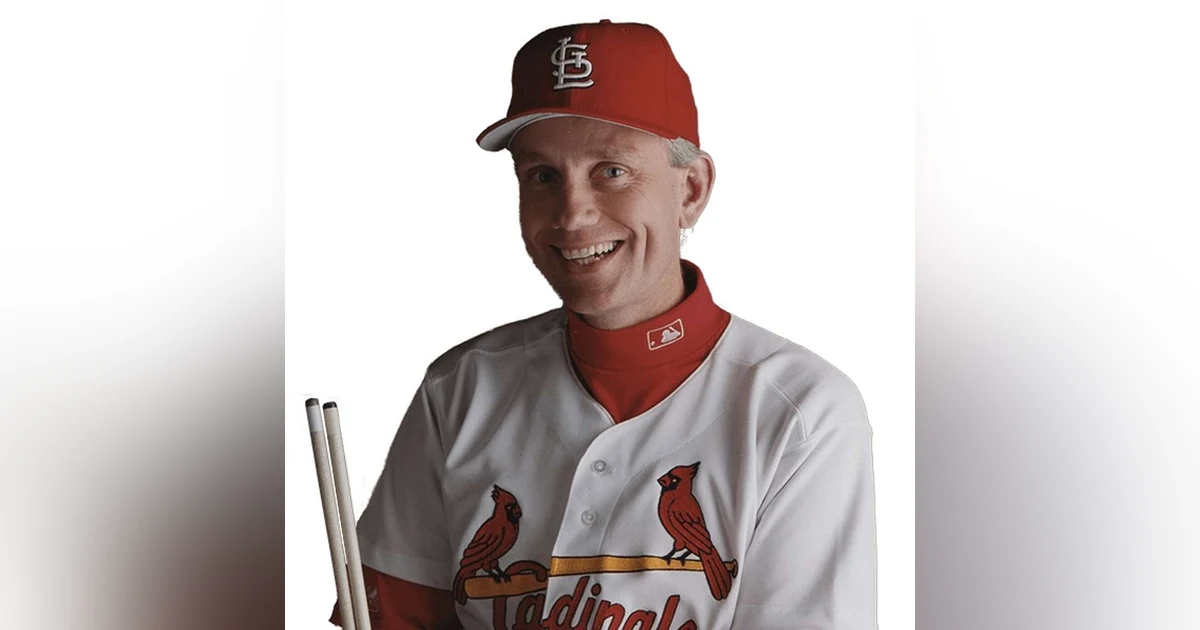

In this compelling second installment of our five-part Legends of the Cue conversation with renowned player, teacher, and former Mosconi Cup Captain Mark Wilson, we dive deep into the crucible of commitment and the hard-earned lessons that shaped his extraordinary career.
From his earliest days at Jerry Briesath’s legendary pool room in Madison, Wisconsin, Mark recalls the struggles of being the worst player in the room—and the obsessive drive to change that. He shares vivid, often humorous stories of self-imposed discipline, like spending hours working on a single shot or denying himself access to the pool hall as punishment for a lack of focus. His unflinching honesty reveals what it truly takes to master a craft, including isolation, sacrifice, and resilience.
Mark opens up about the emotional rollercoaster of his early years, from losing 40 straight tournament matches to the elation of his first breakthrough win. Through brutal losses, sleepless nights, and cue sticks nearly snapped in frustration, he never lost his love for the game—or his belief in the process.
This episode also introduces some of the colorful characters who shaped Mark’s evolution: mentors, fellow grinders, and road warriors who left an indelible mark on his development. From lessons in grit to cue maintenance, every experience added another layer to his deep respect for the sport.
If you’ve ever wondered what it takes to transform raw passion into professional prowess, this episode is a blueprint in perseverance. Mark’s journey is not just about pool—it’s about pursuing excellence with your whole heart.
Stay tuned for Episode 3, where Mark's game begins to rise and the Mosconi Cup enters the frame.
Give Allison, Mark & Mike some feedback via Text.
Follow our show and/or leave a review/rating on:
Our website: https://www.legendsofthecue.com
Apple Podcasts: https://podcasts.apple.com/us/podcast/legends-of-the-cue/id1820520463
Spotify: https://open.spotify.com/show/4Za0IMh2SeNaWEGUHaVcy1
Music by Lyrium.
About
"Legends of the Cue" is a cue sports history podcast featuring interviews with Hall of Fame members, world champions, and influential figures from across the world of cue sports—including pocket billiards, snooker, and carom disciplines such as three-cushion billiards. We highlight the people, places, and moments that have shaped the game—celebrating iconic players, memorable events, historic venues, and the brands that helped define generations of play. With a focus on the positive spirit of the sport, our goal is to create a rich, engaging, and timeless archive of stories that fans can enjoy now and for years to come.
Co-hosted by WPA and BCA Hall of Fame member Allison Fisher and Mosconi Cup player and captain Mark Wilson, Legends of the Cue brings these stories to life—told in the voices of the game’s greatest figures.
Join Allison, Mark and Mike Gonzalez for “Legends of the Cu...
Just curious, did you take notes? Like when you finished your day, did you ever take notes about the game or?
Mark WilsonYeah, not as religiously, but I certainly made notes of things that had triggered something, I thought, or what I wanted to make sure I emphasized. And, you know, to give you an idea of this, this is the craziest thing ever. I don't even think I told you this before, Allie. Uh there was this uh I was uh let's say I'm the worst player in Jerry's pool room. Now, Jerry's the best player by far, high-level pro, could break even four days with Nick Varner. So you know he's playing good. And then there was a bevy of guys that I consider to be life masters, meaning they've run a hundred balls playing 14-1 straight pool. So if you do it one time, you're a life master. Never there. That was our A players. And then there was a bevy of B players that could run 40 balls in straight pool and two or three racks of nine ball, nine-foot tables was everything then. There was no such thing as bar tables for for that era. I guess there was in bars, but never in the pool room. And so everybody comes there that's serious. And then there was some C players, and I was probably among the 18-year-old D players that just began. And so we would we would challenge each other and play games a buck a game, two dollars a game. And it really wasn't uh winning so much the money, but it was that I don't want to be the worst guy in here. And so this would happen, where you know I would lose and I would win, and then if you beat me, I would try to get a quick lesson off of Jerry the next day, and I would practice all day and wait till you got off work and try to ambush you so that I'm not the worst player anymore. And there was one specific shot that I always missed. It was a little half cut down the rail that was up a couple diamonds and maybe a diamond off, and the cue ball was near the long rail on the other side of the side pocket, and he made it 75% of the time. I doubt I made it 30%, but I'm equal to him on the rest of the shots. Now we're terrible players. And I thought, you know what? Tomorrow, tomorrow, I'm dedicating the first four hours of my practice to that one shot, and then Tim will never beat me again. And Tim he was a little bit of a hothead, but he was fun, he was very competitive, but he would get angry if I happened to beat him. And so uh I'm like, tomorrow I'm just gonna play and I'm gonna know every time how Jerry's told me, I'm gonna do it exactly like Jerry told me. I'm gonna just get that tip to finish straight every single time. So I'm sleeping thinking like this the whole time. Go to bed sleeping that, wake up thinking that. Jerry gets there, I go to work. So I'm just gonna dedicate and I sat up careful and I hit the ball, just like he told me, but it didn't go in. I thought, no, that's weird. I did everything he said, and I'm gonna know that tip finish all day long. That's my job. I gotta know it. I bought a hundred lessons. If I don't pay attention, if I don't do what he's telling me, hit it again, miss it again. Now I'm pissed. Now, about the third or fourth time, now I'm about ready to break my cue. And I just now I've given up altogether on any form of technique. I'm just gonna rip that as hard as I can. That pocket's gonna know that I mean business. And then I get psychologically, it's weird what goes on in your head. I go, come on, calm down, calm down, relax. Now you promised yourself you're gonna do this, and that yeah, you don't even know your last tip finish, and you promised yourself all night, damn it. So uh I get back and then I'd make a couple, and then I think, okay, okay, I got it. Then I'd miss three or four. Now I'm pissed. Then I'd make a couple, then oh, I don't even know my tip finish the last 10. What am I doing? And so I'd sit down for a moment, calm down, okay, relax. So this cycle persisted for the oh a little over an hour. And I planned to devote four hours to this, and finally, again, another spell where I didn't know one single tip finish, despite the fact I promised myself. And so I said, you know, you do that one more time, you're not gonna be here. Now I'm living my whole life to be at Q Neak every day, and I thought, you know what, you don't deserve to be here, and also with Jerry, he likes money. Okay. And so when I'd walk in, he'd smile, but it was basically he could write down on his notepad $20. Mark's gonna spend $20 today, and so which is true. So uh anyway, I'm over there and I get all angry again, and now another now relax. No, uh no, you're going home. You don't deserve it. You take your cute apart, you're not gonna be here. But my apartment has nothing in it, you know. I mean, there's nothing more boring than my apartment, but I thought it's just a life support place, and so I phased out three or four times like that, and now we're about an hour and 20 minutes in, and I've kind of calmed down and gave myself a break, and then I didn't I didn't pay attention, and then I go back. So I thought, okay, you're putting your cue away. You don't deserve this. And I so I took the balls up there after an hour and 20 minutes, and Jerry's worried about his 20. And he goes, uh, hey, uh, what's up? I go, Oh, I'm just not into it today. So now I'm walking back to my apartment. It's maybe one o'clock in the afternoon at the latest, and I'm thinking, this is crazy. Your whole life, you would need to be up there. You're not gonna get any better in your apartment. You can't, but no, I went there and I sat in my apartment. I wouldn't allow myself. I wrestled with this terribly, and I just stared at the wall. No, you don't go up there, you don't follow, you don't even know where your tips are. You bought 50 lessons and now you don't pay attention. You're not going up there. And I swear to you, it was so horrific. You couldn't have put me in prison and been more. I wanted to be there so bad. Oh, it just killed me. And uh, I think I may have had to do that to myself one other time. You know, like, but now, today, guess what? I never not know where my tips are at now. I don't want to have to go through another one of those prison sentences like that. That was awesome.
Allison FisherThat is amazing.
Mike GonzalezAllie, how would you like to live in his head?
Allison FisherOh, yeah, exactly. Yeah, Psycho for sure. And the isolation.
Mike GonzalezYeah, think about this. We're talking about uh 50 years ago or so, right? 1975-ish. Where in America is this repeating itself? Who in America is doing what you did 50 years ago?
Mark WilsonWell, nobody would even do it then. It was so crazy.
Allison FisherYou know, I would Well, I also think you brought up something earlier when you were talking was that the distractions now. There's too many distractions. Yeah. Lifestyle, social media, phones, everyone has a phone. There's so many distractions now. It's really tough, I think, on youngsters. And the discipline isn't there.
Mark WilsonAnd the attention span is you know, like everything you do, you gotta do two minutes or you can't, you know. So yeah, I think there's some of that, but then it kind of goes to the lack of discipline and and then a lack of really focus on what is it that you want. Uh and I wanted this so bad. I wanted it so bad, but there was no signs of hope. I had completely flatlined. You know, you'd say this patient has died. You know, I mean, there's no hope. Even Jerry, I don't think he I don't think Jerry really even believed in me, but he would put on the brave face because I paid him for a lesson, you know, but I don't think he even really believed. I think he's still stunned.
Allison FisherSo, what brings you back from something like that? The feet those feelings, what brings you back to the table?
Mark WilsonUh, you know, I hate the fact that I'm this bad. I can't believe I'm this bad. I've never been this bad. And uh, I'm not really a quitter. I I do remember this. I made a vow to myself when I quit my job, I'd saved up $2,000, which I thought was a lot of money. My apartment's a hundred a month, but I don't spend it on anything else. And I thought, you know, and people would always quizzically like, are you insane? What are you doing? And I thought, you know what? Uh I don't know if I'm gonna succeed. But what I do know is I'm gonna get another job and I'm gonna save up another $2,000. And then I'm gonna do it again, and then I'm gonna do it a third time. And then at that time, I may have to take a hard look at this, but I am gonna give it a hell of a go. I I I just knew that it was all I was willing to do, but I don't know why. I don't there was no, I don't even know what the point was. It's just that I loved it, is is what I knew. It really didn't have a purpose. There was no tournaments, you couldn't make even the US Open probably only paid two or three thousand dollars, which was a lot of money by at that time, but it wasn't life-changing money at all. It's because probably the median, uh, a good income you made fifteen thousand a year or something like that, if you were just a working person.
Mike GonzalezMaybe not even that much. So you go back to that one year where you're gonna invest your $2,000 nest egg, you're gonna see if you can make a go of pool, you're gonna commit your whole life to it. Uh, at some point that year's over, and you got to say, wait a minute, I how am I gonna make a living? Can I do it playing pool? And if so, it isn't gonna be playing any sort of professional circuit that didn't exist, as you said. What was going through your mind in terms of how you're gonna live?
Mark WilsonWell, I was young and I I'd made a vow to myself that I'm gonna go all in on pool, which means I'm not gonna have a wife, I'm not gonna have a house, I'm not gonna have a new car, I'm not gonna have kids because it's not fair to them. And I don't know when or if if I ever make any money, but I don't care. And so the trade for not having a standard life, uh you know, I just not very conforming person. The that trade was uh I'm gonna devote everything to pool and just see where it goes. It would, I think it's almost like being a nun in the church or something. I mean, it was that type of a like I I just made the sacred vow, I'm gonna stick it out for a while and just see. But I gotta, I'm not really a half-in guy. I I kind of either do it or I don't do it.
Allison FisherIt's a lot of sacrifice, isn't there, in trying to be good at something.
Mark WilsonI think that, but it wasn't viewed as sacrifice. It was I I could not wait. I I literally could not wait. I wish he opened the bullroom at eight in the morning. I mean, I would I would be up and uh gung-ho. You've never got a more positive, uh enthusiastic guy for this than I was. Where it came from, I don't know. Well, I was kind of that way another in baseball for sure. You know, we would play, we would play in January. I mean, that was we don't care.
Mike GonzalezI can relate somewhat to what you're saying, Mark. I mean, for those that know me, uh, would see that when I get into something, get my teeth into something, I am all in. Um, I don't know that I would have necessarily taken pool to your level, but even today at age 70, I finished my morning cup of coffee. I can't wait to come downstairs and and and grab my cue stick.
Mark WilsonYeah, you don't travel anywhere without your cue, do you?
Mike GonzalezI do not.
Mark WilsonNo. And I was very much that way. You know, it's weird too. That like I I don't really care about anything else, but I I would never leave my cue in the car. Ever. I just uh it's like my pride and joy, you know. I just I don't go anywhere without it. That's that's my whole defining thing. So how long were you in Madison working with Jerry? Well, uh I I moved there to study or there. I used to commute 186 miles each way and buy a hotel for the weekend and pay for a lesson, and then I made that commute two out of week two out of four weekends a month, and then three out of four weekends a month, and then I just finally moved there, stayed there eight years, but heavily three years, I would say. Real heavy into that.
Mike GonzalezAnd when did he when did he kind of get you and introduced to Sailor?
Mark WilsonNo, he didn't. He he never really mentioned much about Sailor. It was the other guys in the pool room. And uh they were saying, you know, advanced stuff, Sailor's your guy, you know, over in Racine, Wisconsin, which I'd never heard of, but a couple hours away. And I and finally at first I dismissed it because you couldn't possibly be better than Jerry. But uh finally pursued Sailor down the way. And but this was a couple years further down the road. Okay, all right. Yeah, right, right when I was playing with Jerry, he he wouldn't open he had a family, so he wouldn't open on holidays and stuff. So I'd encouraged him to do that, and then I'm there nonstop. I said, Well, I'll tell you what, I'll open on Christmas Day and I'll open on Thanksgiving Day, you know, because I have nothing else to do, and there's not gonna be any business, so then you know, I would surreptitiously hit balls rather than work. Um then if somebody came in I'd dispense a table, but then I had a way, and then oh yeah, Jerry has this famous cue collection. He's got a Belabushkin, a Zambodia, Josh, and they're all uh high-end collectible cues that he acquired, and they were never to be used, and some of them had never hit a ball, so he thinks.
Allison FisherOkay.
Mark WilsonSo uh because I I would be there working by myself and I'd just be looking longingly like, what would the Zambodia even hit like? I mean, I can't even imagine. Oh my god, and then nobody I'd look both right, nobody's there. I'd have to go down there. I wouldn't chalk it, but I would just play with it for just a little bit just to see if it was magic, you know, and and uh that was uh that was kind of a funny time too. He says, uh, you know, you play pool here all the time. I'll tell you what, uh, I'll pay you two dollars an hour when you work the counter, but what I really want you to do is I want you to go through all my house cues twice a week with a wet towel, a dry towel, and some 600 sandpaper and make sure they're clean and not sticky. And if you see one with a bad tip, I want you to take it in the back room and put a tip on it. So he taught me how to put tips on by hand. And so I would do that. And he would pay me $2 an hour, and then every other Tuesday was payday, and so I'd write down all my hours, and then on, you know, every Tuesday, every other Tuesday we would go in there and he'd figure up, you know, well, I always owed him money. I'm like, I don't know how much longer I can afford to work here. You know, I mean it was kind of a funny thing, but it was really like going to grad school, it was totally worth it. And then and then uh he says, I'll tell you what I'll do. I'll tell you what I'll do. Pool times a dollar eighty. So every hour that you write down that you worked, I'll let you have two hours of free pool and we'll just trade that way. It won't be a cash thing. And I'm like, hey, uh so now I'm going from two dollars an hour to three sixty an hour because I was gonna pay for the pool either way. Sure, yeah. And so I gave myself, you know, effectively a double raise there. So that was good. And and that was just, you know, that that was probably the first five years I was in Madison, started off like that. So, but I'm scratching by on my 2000 miserly. I didn't, I didn't there was no extravagance whatsoever. It was like the most, you know, austere type of a life, but it was a happy time because I wasn't obligated. I don't have a phone bill. I don't have I had a student's apartment that the electricity was paid for and the water was paid for. It was a hundred a month, and I just didn't spend any other money except for just a modest amount of food.
Mike GonzalezInteresting. Interesting. Like I said earlier, I don't I don't know who today, 50 years later, is making the kind of personal sacrifice that you've made to get as good as you got.
Mark WilsonThe it was uh yeah, no, uh absolutely insane. But um I just wanted to try it. And just uh, you know, I'll go back, I'll do something different. I just can't live my life in a factory. I just know I can't do it. And I used to see that all the time, and then guys would save up for their retirement because they were miserable at their job, and then two years later they'd die after they retired. It was I just can't go that route.
Mike GonzalezSo when did you begin augmenting your three dollar and sixty cent non-cash income with other other pursuits like betting, hustling, whatever?
Mark WilsonIt wasn't really hustling. It wasn't, but there was guys in the pool room, we played for a dollar a game, two dollars a game, and if I won 20, that was good, and if I lost 20, it hurt, but uh it was still worth it because I'm gaining, you know, it was always a lesson or a little gain. And then, you know, that happened, you know, probably six, seven months in. I was starting to do that. And but I was never brought up to gamble. I'll never forget there was a guy named Larry Paquette, and he was a very experienced player, but I was hitting now, finally hitting the balls better than him. But then we would play, and I would so choke on the money ball that I ended up losing 40 bucks. And it really was a stinging loss, not because of the amount, but more because I know I'm better than him, but I just couldn't couldn't cash it in because my entire life, my grandparents and parents, you save that money for college and don't even think about spending any birthday money that you get that goes in the bank. And and so I was so predisposed that I shouldn't be doing this, that it was kind of like uh betting on dog fighting or something. Like we're you know, you you know you should lose for even doing something so uh against God, you know. So it was just kind of like that. I knew I shouldn't be doing this, but I wanted to get better, and they told me, and sured me that's how you get better. And so it took a while to get past that stigma of not doing it and then embracing it. I think also one of the things in my life when I look back is uh I wasn't I was a good athlete, but not aggressive enough. And so if you hit me, I would hit you, and I was okay that way, but I would never really attack. And uh then I I met a player, Jeff Carter, and uh boy, you talk about uh like he would be like a charming and witty guy, but he was also moody and temperamental, but a phenomenal player, and he was hyper-aggressive, and so he would stay with me because I had an apartment, and I would allow it because I might learn something, and I really did adore him. I idolized his skill set, but which was significantly double me for sure. He was actually good and he was very confident and cocky, and so uh, which I never was, but he did get me into the aggression thing uh better and taught me some things. He was a little bit irreverent, and he really didn't care if he did tear your cloth or whatever. I mean, where I was always real careful and perfect, you know, and and uh but it developed me. It it helped a lot in my early days, despite the fact I did have go through some terrible, painful uh he'd take me on the road and I'd lose all the money at player's places. But he was experienced, he didn't lose, but I would occasionally, and he would take me in places where he knew I could win. And I wanted to do it for the experience. It wasn't even about the money, although the money, all the money ever represented to me was that I could go longer without having to go back to work where I could just solely devote myself to fool. Oh, really? Yeah, and so uh that that's what it meant. I I really didn't care about whether you're not gonna get rich anyway, you know. So I I was doing that, and I can remember times I'd have to go back to the hotel because he couldn't go in with me and I'd lost for whatever reason. Sometimes it wouldn't even sound, but anyway, it just happened. And he'd go, he'd be laying there watching TV, and he knows that I probably won. He'd have his head behind his shoulder. He wouldn't even look at the door, and I was dreading facing him for losing our bankroll. And he'd say, uh, what'd you weigh? Meaning, how much did I win? And I'd say, Oh, well, it uh no, it wasn't really that uh what I mean, serious. Come on, tell me how much you weigh. I say, uh no, because uh he made the nine on the break a couple times, and uh you gotta be kidding. You surely no, there's no way. I go, Oh no, I did. Oh, come on, you know, and then then it would get a little bit more vulgar at that point, you know. And then oh, I can remember sleepless nights of uh the stinging rebuke that he gave me for losing in places, but I wasn't experiencing we're playing on the road on crappy tables with uh negative attitudes and bad plays, you know, and then stupid rules and all these different various things that my emotions would get in there, and then I'd start to doubt myself, and then I'm not playing good, and then the other guys get lucky, and oh, some tragic. I can remember one night I was thinking about just stopping on the road, throwing my cue out in this cornfield, and never ever playing again. I know he's gonna be better now.
Allison FisherWe've all thought about snapping the cue or throwing it in our minds, haven't we? I don't think that's not crossed anyone's mind.
Mark WilsonHave you ever broken a cue?
Allison FisherMe, no. I've never broken a cue. I've never like broken it in half, snapped it or anything, or held it up to a fan thought about it. Do you know what was funny though? When I first, well, early in my years in America, I played in a US Open women's straight port, and it was alongside the men. And this was the first time I'd ever seen Mike Siegel play. First, you know, I hadn't really heard much about him because I hadn't lived here. And they're saying this is a great Mike Siegel, and he was playing Ralph Sukay in the final. And I'll never forget it. He stood there, he missed an easy shot into the side pocket, and he stood there and he held his cue and he gradually bent his cue. He had both hands on it, and he bent it and bent it and bent it till it snapped. I'm like, oh I've never seen anything like that before. I couldn't believe what I was witnessing that the guy snapped his cue right there in slow motion. I was like, that's the great Mike Siegel. Wow.
Mark WilsonYeah. Mike, have you ever broken a cue?
Mike GonzalezUh no, never even thought about it. Uh well, you're mature. Well, when I was when I was young, I'm I'm thinking to myself, man, it cost me a lot of money for this cue, which wasn't much, but it was a lot at the time, right? So why would I do something silly like that? Have you broke a cue?
Mark WilsonNo, but I've banged it hard enough it could have broke. I I mean, I am completely blanked out, pissed. And uh I banged it, but it didn't. But Jeff Carter broke a lot of them when we were, I mean, and and vicious. I mean, oh my goodness, they would be toothpicks, it wouldn't just be broken half. But the greatest cue-breaking episode ever, I've seen a lot of them over the years. Strickland was famous. Yeah. But there was a guy at Cunique one day, and I was watching, and he lost this match, and he he went over and he shook his opponent's hand, and he went over and he took the top off of his case and opened it, and the queue was still together, and he just gently pushed it over his knee until it broke, and then he deposited it into the case. I just love that cute break because it was there was no emotion, there was no violence or it was just real calm. He just quietly did it. King caught.
Mike GonzalezYeah. It's one thing disrespecting your own property, but don't ever break it over a table. Yeah, no, we completely agree. Right. Bad form.
Mark WilsonWell, it's just it's it's stupid to begin with. But there was a kid, that kid I was telling you about Tim, we used to call him Linhead. And he had this real tight curly hair. And and but he was fiercely competitive and he was prone to little bouts of anger. And so Viking Q was right there in Madison. In fact, that's where I first lived when I moved to Madison was right above the factory. But uh Tim would sometimes, if I was getting the best of him, he'd bang his cue on the rail until finally the shaft would snap off and it cost 40 bucks. But the problem was he was gone for two weeks because he didn't have a queue. And so Jerry would see this, and Jerry needed the revenue. And so uh when Tim was when he'd snap and break a queue, then Jerry would be out without that business for a couple weeks, and Tim would play a lot of different people. So one day this is happening, and Tim was acting up, and Jerry says, Tim, Tim, Tim, don't break the queue. Listen, just take one off the wall and I'll just charge you 10 bucks. So Tim thought that was a good idea. So he would pay you know the 10 bucks. And sometimes he'd start seeing himself getting excited and he would pre-pay, knowing that he's gonna break a queue. And I would love it because I know I'm starting to get the best of him at this point. Well, then Jerry said, Tim, Tim, I got some cues in the back room. Mark hasn't put a tip on. I'll only charge you five bucks for those. And so this made very good economic sense. So then Jerry would see him gacting up and he says, Tim, you want me to get one? And one day he goes like this, better bring two. And Tim would violently, but then Jerry wasn't without business for a while, and I wasn't without a customer either. So that was good.
Mike GonzalezYes. So who were some of your other influences? You mentioned Jerry Bryce's, but during that whole time where you're spending uh a lot of time there in Madison, uh, who who else really influenced you?
Mark WilsonBoy, there was a bevy of great players in there, some real talent. And uh Randy Lamar was this guy, and uh he won the state championship a number of times, and he could fend off pros. He was a hundred-ball runner, but um he had this grit, he had this fight. Like even if you get him down, Randy's still gonna beat you. And I always admired that so much about him. His tenacity level was just uh it was very, very uncommon. And there was sometimes little bar tournaments nearby, and we would go playing him, but it'd be like the Randy Lamar benefit. I mean, you're just playing because he's gonna beat you, he he's gonna win this tournament every time because he desperately needs it. And so uh that was one guy, but his stroke was not pretty by comparison to other guys. It wasn't a bad stroke, I don't mean like that, but it wasn't like there was this other guy left-handed, Kenny Cross, and Kenny was left-handed and smooth, and uh, his delivery and he was confident, and he kind of exuded this thing that was very, very motivating, I would say. But uh, and then there was oh my goodness, Jeff, and then there was Bill Cress who was around there. He was a gambler that was kind of a swashbuckler, uh scrappy kind of a guy. And then uh there was a guy that won the collegiate nationals, uh, Andy Tennant. And with the prize came a lesson from Willie Musconi, and and I'll never forget, he was a real kind of uh odd guy, but uh non-emotional guy. And he wanted to beat Jerry so bad, and Andy had run 100 balls before, but Jerry would get the best of him every time. Um but Jerry was world-class, he has a winning record career-wise against Dallas West, who's just 40 miles south in tournaments. Jerry's probably like 11-7 against Dallas West, who's in the Hall of Fame, and so uh, but Andy'd want to beat Jerry so bad, and Jerry would come out from behind the counter and they'd play, and Jerry'd get the best of him, a little more consistent, and but very good. Andy was too. So one time after Andy won that, and he went and got this lesson from Moscone, and he always talked in a monotone voice, and he would like and he'd come in and he'd go like this, Jerry, I can beat you now. Like that. And then Jerry would just kill him, and then Andy wouldn't be around for a while. But but he was a tremendous player, you know. And but there was I bet there's uh eight or ten more guys that are life masters that would come in there, Mike Van Bleck and Jim Fitzpatrick, and and and they were all guys that were just like gods. But even it is true, they were this good. It wasn't me embellishing this, it was uh road players that come through and they would just get smoked. I mean, they just cross Q Neek off the list, so you can't win there. Yeah, you know, and they just wouldn't, you know, finally.
Mike GonzalezWere there people that stopped playing with you as you got better?
Mark WilsonOh yeah, sure, of course. But but that was that was quite a ways down the road. There was a there was a guy that was the editor of the newspaper, and uh real learned, classy guy, Joe Capucella, and he would play me, and he wasn't he didn't need the money, he had a good income, but he'd make me play him a game of straight pool, 75 points for a dollar in the time or two dollars in the table time. And so we'd play probably five or six games a week, you know, two or three nights. And the first year, maybe the first nine months, he was beating me 75 to 20 or 15 like that. Way better player, and then I'd do something stupid and shatter him open, and then he'd get all those. He wouldn't put a big run on you, but he didn't make unforced errors like I was prone to do, and I would take desperate chances, and naturally I'm not very good, so it didn't work out. But so he beat me like that, and I just kept playing, you know, that we played two games a night and two or three times a week, and then then the scores started to get to be 75 to 30, and then 75 to 40. Finally I was 75 to 50. I'd improve quite a bit. But at this point, I've lost a hundred consecutive games. Most people wouldn't stick to it that good, you know. But so that's why I was talking about tremendous ignorance earlier. You gotta stick at it. And then finally I won a game, which was epic. Because uh and he would be kind of uh in that uh top of the C or bottom of the B class. And so I won one game finally, and now I've devoted my whole life to it, and then we started to hold him off. I was only 175 to 60 I'd lose. Well, finally I started to beat him on a pretty consistent basis. And one time I beat him three times in a row. And he came in and and I'd lost over a hundred games in a row. I wouldn't even want to know how many. But he said, I said, okay, Cappy, you ready? He goes, Oh no, too tough, old buddy. And so he quit. And most people would be upset because I've lost more than a hundred consecutive games, but uh it was such a badge of honor that Cappy, who's uh the houseman that just hardly anyone can beat, uh, I'm now have outgrown. And uh so and I really wanted to move into that upper group anyway.
Mike GonzalezYeah.
Mark WilsonSo it was it was just like going to school. I mean, he taught me so much and consistency, and I I really guys like him I owe a lot to, no doubt, even though they'll never get, you know, they'd be unsung heroes of my Art Poole career, I would say he would be uh a good model for that.
Mike GonzalezYeah. You know, you look at the written record for some of you folks, and of course, Mark, we got to get you a wiki page, first of all, because everybody has a wiki page.
Mark WilsonOh, old guy don't know a wiki page.
Mike GonzalezWe need to get a Wikipedia page for you to outline all of your record. But you know, if you look at the written record, uh there's sort of this big gap from, you know, let's let's talk when you're 20, you know, just getting started, serious at pool, to 1994 when you're you're playing in the first Moscone Cup, right? So you got to kind of fill that void in progression from 75 to 94. That's almost 20 years. Yeah. How your game advanced, who influenced you, what were the breakthroughs you were making in your own game, what other personal struggles were you going through? Just kind of take us through what that progression continued to be.
Mark WilsonSo the first year is kind of what I've just described, maybe the first year and a half to two years. And about that stage, I was up to now. I'm I'm probably I'm probably at this point not hardly beating Cappy, but I'm a C player now. Okay, so a little bit better, not great, but uh probably, oh yeah, I do know. My high run was 22, okay. Straight pool. And but what had happened? I missed the break shot. I missed a two-ball that hung in the pocket, and a ball that I shattered out of the pack came across and knocked it in. So it's a legal 22, but not a clean 22. Okay.
Allison FisherDo you love how we can remember things like that?
Mark WilsonOh, that's a very fascinating.
Allison FisherLike how long ago was that?
Mark WilsonUh I remember, yeah, exactly. I remember the first time I broke and ran a rack of nine ball on a nine-foot table. It was just epic, you know. So there's moments like that. Well, anyway, so now I'm getting a little better. And they opened up this thing called the Wisconsin State Nine Ball Tour. And each month you'd play one, so uh, it'd be in Milwaukee and then Rassine and then Green Bay, Appleton, Beloit, Madison, back to Milwaukee, and then you know, Kenosha, something like that. And you play 10 of these events, and it cost $30, which was quite a bit more money back then, especially for someone living like I was. And I wasn't skilled enough at all. And so uh, but it drew uh 200 ball runners, pros, the best players in Chicago, the best players in Milwaukee, Dallas West came, Tommy Spencer, uh Jim Matthaya occasionally would come over from Michigan. And I so wanted to be part of that group, even though I didn't have the skills. But you're guaranteed you'd play in a group of five, and you got to play four times win or lose. And so I was looking at as like tuition, uh, and yes, maybe I don't win, but I'm playing with the very guys I want to learn to play against, and I want to see what they do. And so people, you know, kind of chided me, like, what are you doing? You don't need to drive to Milwaukee, I'll play you for $30. And I go, No, I understand, but I just want to see them, and uh, I could lose to you or anyone else, but I just want to play them. And I'm gonna go there, oh, my whole heart was in it, uh nervous as hell. And uh I'd play, and then I'd lose 7-0, and then my next match I lose seven to one, and then I lose my third one seven-zero. And then I'd be over there, I got an hour before my next match. I'm over there, I got one match left, wouldn't matter win or lose, what's gonna happen? I am practicing it like it's a world championship, and so serious. And and then because if I could just get two or three games, I got more for my $30. So I did this, and I went, and there really wasn't, you know, well, there were some not great players too. You know, I'm describing a lot of good ones, but there was a few that they were slightly better than me, but not great. And so uh at the end of 10 of those tournaments, I went to all 10. My record was zero wins, 40 losses. And I can remember uh a couple times I got down to the last game and my heart was throbbing so hard, I was praying that God would just let the nine ball go in on the break because it would validate I'm heading the right direction and it would give me a surge of confidence out of this. And so, uh, but it never happened, and I lost every match. And so if anybody said to everybody, who's the worst player that played all 10 of these? Oh, hands down, it's unanimous. I I for sure it's me. Okay. But also in that same span of time, I would leave, I would stay and watch the single elimination finals, and then I would drive an hour and a half back to Madison, and the pool room would still be open for an hour and a half, and I would not stop by the apartment, straight to the pool. And I got things to work on from the day that I saw that I didn't do, what I need to do for next month. Here's and we got cracking that night on it. And then uh at the end of those ten tournaments, if you also said who was the most improved player of that, it would also be me at that point. Despite I was up to horrible, you know, or just like that. And so I never won a match for the whole year. And then midway through the second year of doing that, I somehow had a miracle and won one. And I don't know how it had to be an act of God that the stars lined up, and I probably got a little lucky, or a couple people took me a little lightly, and then I was having at this point because I'm playing so much pool, that I would have little sprees of where I'd play like perfect for three games, and then I'd be paralyzed for seven games, and then it would just go back and forth. And but but I probably had that little spree at the exact moment, and then the guy's feeling pressure, like, oh my god, this horrible player's about to beat me. And then and then and then I would just somehow I won one, and I'm telling you, it was $300. The tires on the car did not touch the road on the way home. I swear it was just like a floating, like, I cannot believe this. I've won this, I can do this, I'm getting it, I'm gonna be good. I'm I'm oh, and once again, did not stop by the apartment, straight to the pool room that night till the end, and right back there when he opened. I I could not wait, it was even more motivating, you know, that hey, maybe I could. Maybe if you knew how gruesome the how hideous it had been for so long to have one little breakthrough was the most inspiring. I was inspired anyway, but this was like a super magnet, you know. I mean, now I really got to do it. And so uh that was that was probably my that's where I started to break through, and then I started to score in the money every time, top eight every time. And then starting to get third and second and then first, and then finally I won three in a row a couple times, and it came with a pretty nice little trophy, and then they have a big playoff at the end, and I won that a time or two, and then the straight then at this point now I'm playing in the pro division in the straight pool, and that was held at the Mecca Auditorium in Milwaukee, uh, the home of the sports show was associated with that. So thousands of people come through, and they have big seating and two tables and referees, and and I won the pro division of that. And then at that point, then I'm starting to roll. But this is probably four or five years in of uh every day, at minimum ten hours a day, minimum, willful. You know, it wasn't like I said, Well, I gotta practice. I couldn't wait, could not wait to practice. And I was burning through a tip, a LaPro tip, not from sanding it, but from chalking it in four to six weeks. And uh burning through shafts, you know, where they just get too flexible from so much playing all the time. And my hand is still, I mean, this hand that looks sometimes like I didn't use soap, but it's just like a tattoo. It's underneath the epidermis, you can't rub it off from playing so much. And just love it. You know, I mean, just loved it so much. It was just it meant everything to me. But also, you know, I made a commitment and and there was no when you're young, I don't have responsibilities. You know, and I I I chose that to begin with because I knew it wouldn't be fair to my wife and kids, so I can't do that. And I know there's no retirement, I know there's no money in it. I I understand I'm I'm trading for a happy life. And so that's why, you know, today I'm still passionate about giving back to the sport. It's provided me a tremendous life. And there's some of my constituency that's better. You know, I should have got a million dollars like Tiger Woods or something like that. I never felt that way. I always felt like it doesn't owe me anything. But I my my my goal is when I get to the old folks' home, I have to have the best real stories of anybody that ever lived. Otherwise, my life's a failure because they all lie. You know, everybody all is, oh no, Sonny, I used to be one of the best, or I used to do this, or you know, I invented the spaceship or something. You know what I mean? Like, no, it's all lies. I gotta have real stories, or else it invalidates anything I ever sacrifice for.
Allison FisherNo stories and the pool table.
Mark WilsonYeah. Yeah. Yeah. Oh, I still love pool.
Mike GonzalezAnd a book, which we'll talk about. But you can just all the all the old fogies in the home, you could just hand them one of your books, you know.
Mark WilsonThey'll never tolerate it. I hope I just die in a ditch before I have to do that.
Allison FisherThank you for listening to another episode of Legends of the Q. If you like what you hear, wherever you listen to your podcast, including Apple and Spotify, please follow, subscribe, and spread the word. Give our podcast a five-star rating and share your thoughts. Visit our website and support our Paul History project. Until our next golden break with more Legends of the Queue, so long, everybody.
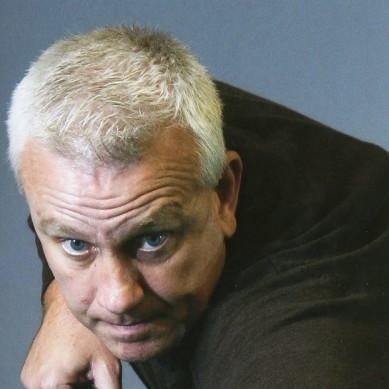
Mark Wilson is one of American pocket billiards’ most respected “complete professionals”, a high-level competitor, Mosconi Cup closer, international team captain, broadcaster, and master teacher whose life in pool has always been anchored by discipline, dignity, and a deep belief that the game deserves to be presented at its very best. Today, many fans know him as a co-host of "Legends of the Cue" alongside Allison Fisher and Mike Gonzalez, but Mark’s story stretches back decades, through smoky poolrooms, cross-country road trips, pressure-cooker arenas, and collegiate classrooms, always driven by the same idea: if you love the game, you owe it your best.
Born and raised in Moline, Illinois, Mark grew up on the banks of the Mississippi River in a working-class household and was a sports-first kid, especially baseball, long before pool captured him. He graduated high school in 1973 and attended Blackhawk College to play baseball, while also pursuing studies aimed toward law school (including three years of Latin, an early hint of the seriousness and mental structure he would later bring to cue sports). But as he tells it in the "Legends of the Cue" series, pool’s pull became impossible to ignore, and the path he’d mapped in academics slowly gave way to the life he truly wanted at the table.
By 1975, Mark had become a professional pool player, entering an era when there was no steady, modern “tour” economy, and many players stitched together a living through regional tournaments and action. He describes that period with clear-eyed hones… Read More