

 Apple Podcasts
 Spotify
 Mark Wilson - Part 4 (From Personal Trials to Mosconi Cup Triumphs)

In this fourth episode of our special five-part series with Legends of the Cue co-host, former Mosconi Cup captain, accomplished professional player, master teacher, and broadcaster Mark Wilson, we journey through some of the most personal and defining chapters of his extraordinary life in pool.
Mark opens up about an unthinkable personal tragedy that nearly ended his career—and how a single spark of resolve set him on a path toward “relentless positivity” and a renewed purpose. We follow his return to the table, his life on the pro tour, and his travels to Hong Kong for one of the sport’s most prestigious events, where a career-defining win came with unexpected personal consequences.
The conversation then turns to the highs and lows of professional pool’s evolution—from the meteoric rise of the Camel Pro Billiards Series to the missed opportunities and missteps that left the sport struggling to sustain mainstream appeal. Mark’s candid reflections reveal a deep love for the game and frustration with decisions that shaped its modern era.
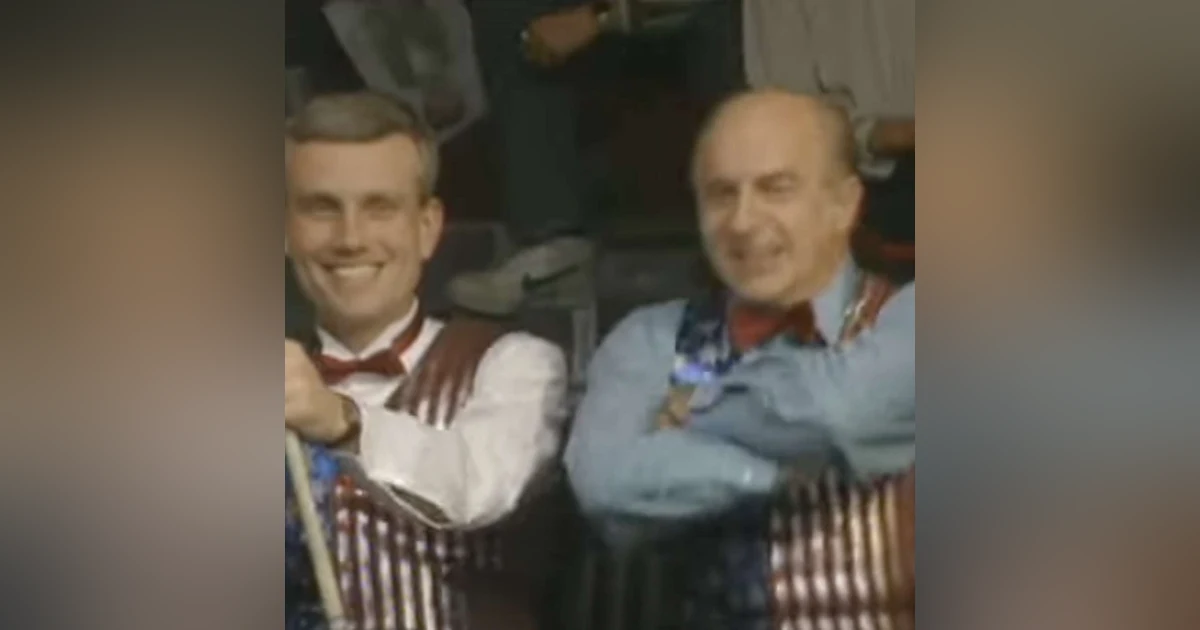
We also step into one of pool’s most electrifying stages—the inaugural Mosconi Cup in 1994—where Mark competed alongside legends such as Lou Butera against a European side featuring Steve Davis, Jimmy White, and a young Allison Fisher. With behind-the-scenes stories, colorful personalities, and heart-pounding match moments, Mark relives the intensity and camaraderie of those early Cups, including a memorable post-event invitation to train with Steve Davis at his home.
This episode blends personal resilience, candid history, and vivid storytelling—capturing why Mark Wilson’s journey is not just a career in pool, but a life shaped by the game.
Give Allison, Mark & Mike some feedback via Text.
Follow our show and/or leave a review/rating on:
Our website: https://www.legendsofthecue.com
Apple Podcasts: https://podcasts.apple.com/us/podcast/legends-of-the-cue/id1820520463
Spotify: https://open.spotify.com/show/4Za0IMh2SeNaWEGUHaVcy1
Music by Lyrium.
About
"Legends of the Cue" is a cue sports history podcast featuring interviews with Hall of Fame members, world champions, and influential figures from across the world of cue sports—including pocket billiards, snooker, and carom disciplines such as three-cushion billiards. We highlight the people, places, and moments that have shaped the game—celebrating iconic players, memorable events, historic venues, and the brands that helped define generations of play. With a focus on the positive spirit of the sport, our goal is to create a rich, engaging, and timeless archive of stories that fans can enjoy now and for years to come.
Co-hosted by WPA and BCA Hall of Fame member Allison Fisher and Mosconi Cup player and captain Mark Wilson, Legends of the Cue brings these stories to life—told in the voices of the game’s greatest figures.
Join Allison, Mark and Mike Gonzalez for “Legends of the Cu...
Okay, so you're back in Moline. You got your big ten-footer, which is uh, as we said, is a beautiful table. So um, where do you go from here?
Mark WilsonWell, uh moved back to Moline, playing pool, uh Pro Tour, training really hard. Life is good, starting to win a lot of regional tournaments now. Um then I meet this girl and uh we fall in love. It was it was after a terrible episode. My mom uh had committed suicide and I uh discovered her, so that is a life-changing event that will never heal. And uh I went down to the depths of uh I'm gonna throw my life away because it's ruined now. And so then um, distraught, heartbroken, never been devastated like this, never had a blow this severe. And um just gonna throw my life away with drugs and alcohol, even though I'm not that person. And I went through a terrible time where I couldn't go to the pool room. That's never happened to me in my life. And but I was so afraid that someone would come up and want to express sorrow or pity, but I wasn't strong enough to accept it and was uh needed an escape from what consumes your brain every day. So you inadvertently go through you know dramatic weight loss, lack of sleep, uh lack of being able to focus, can't concentrate, and um despair, you know. And then I thought uh one day I thought, you know what? You can't hurt me. Um what do you do? Kill me? I'd do it myself. And uh if I had the courage, what do you do? Take all my money? I don't care. Nothing means anything to me anymore. My whole life has changed dramatically. And then after a few weeks of that, I thought, you know, if I do what I'm thinking about doing, that would be disrespectful to the quality of the parents that I had. And uh I can't do that. That would be wrong. At that point, out of a billion cells in my body, one cell had a flicker of light, everything else was black. And the next day, three cells. And I was just thinking about, yeah, you can't hurt me, I don't give a shit what happens now. And so I'm just gonna go on and make the happiest life I ever could. And that's why you'll never ask me how you doing. It's always better than I've ever been. Because uh, and I learned from that a relentless positivity, because I would have thrown my life away. I was down that hole, but I was already a pretty positive person when that happened to me, and I went completely black. Had I been a little bit negative, there would have been no recovery whatsoever. And so uh it took a long time, but I did uh never heal fully, but you know, semi-operational now, and then I went to the pool room once, finally after a few weeks for a couple hours, and then I then soon I was back in full full go. So I'm playing the tour, and then I meet this girl, and she was cute, and we fell in love, and uh that was good, and she played pool too, and so then as time went by, she got a sponsor, I didn't, but I was winning money, and she really wasn't, but it was good, and sometimes if she did, that was better, and then I had uh opened the pool room, and that did well. So we started off with nothing, and time went by, and then after eight, nine years, pool became hard for her, and she knows I'm hardcore. So she goes, I'm just gonna I'm I'm not gonna play pool. So okay, I let her go. Just because she's so rebellious, if I say no, you gotta play pool, she couldn't do it. So uh I just thought just let her go. Well, then she got a job in a casino, and I'm immersed in pool, and every night she's cocktail waitress at a casino, and all these guys are hitting on her and better offers and like this, and she's out of pool and not gonna work hard at it, like I am. And so now once she got disillusioned with pool, then I didn't look like Tom Cruise anymore to her, and so that's that was kind of the beginning. And at that time I'd won a big tournament in Hong Kong, and uh it was really cool, and ended up that was me and Steve Davis in the finals, and it was the amount of money wouldn't even pay his taxes, but yet it was the best money I ever won. And so I did end up winning, and uh nervous as could be, but I did. Tuxedo affair and uh forty thousand dollars, so that was a big deal. So that was great. It was but this guy, he'd the way he'd do it, you got first-class airfare, you and your wife, first class hotel, which Hong Kong has the greatest hotels in the world, and then all your food. And then if you win something, you win something, so it's all good. Well, now I get invited back again, and because she's out of pool and kind of disillusioned, and kind of I don't know, uh she knew she was gonna leave me. I think it's really what it was, but I was still hopeful, okay? And so uh I Bob invites me back to go over to Hong Kong and defend my title, and I can't wait. This is a Super Bowl pool, and maybe I never win again, but it's such a great experience, and I don't want to miss it. And she goes, uh, hun, we're good to go, and you're invited, and it's gonna be great again, and everything. No, I'm not going. If you go, I won't be here when you get back. And uh, oh man, I I don't like confrontation, I don't want to lose my wife over a pool match, but damn, I don't want to miss this tournament, you know. And oh, it was an awful week and a half, and I just got like sleepless, and why would she do that? And she knows this and just kill me, and I can't miss. And anyway, uh I couldn't come to an answer, you know. And it was well, then finally I'm flying back from Hong Kong hoping that she was bluffing, but she wasn't bluffing. So now I got my good wife, you know. I mean, and and that's that. But the bad thing for my current wife, and I love her with all my heart, Kathy, is uh she can't say, Oh, you're not playing pool. Oh, really? Well, that card's already been played, just so you know, you know. I will be playing pool.
Allison FisherYou made sure of that, but just supportive, yeah. Yeah, Kathy's great.
Mark WilsonNo, she is.
Allison FisherWell, that's a funny story. You lost your marriage over that gun to Hong Kong, didn't you?
Mark WilsonWell, you're never really gonna get great in pool till you blow out one spouse. And so I'm very committed. I don't know about you guys, but I've dead it, you know, and I think most of the rest of us have too. So yeah.
Mike GonzalezSo I think for for our pool listeners, they may not be as familiar with the name you mentioned because you played a great, great player in Steve Davis, but people in pool circles may not know him as well. He's much more famous for the other game, isn't he, Allison?
Allison FisherYes, he was uh one of the best snooker players of all time, and somebody that I emulated my game on. Um I started watching him when I was about 12 years old, I think, playing snooker on TV, and uh a great, great player, and one of the best of all time.
Mike GonzalezWe'll hear that name again too, won't we, Mark? Because as we get into your Moscone playing days, who's representing Europe? Well, one of the fellas is Steve Davis, another person is Allison Fisher. For those that didn't know that women played in that event at one point. Uh, but before we get there, uh, where are we going now in your life, in your crazy life?
Mark WilsonMarried, playing the Pro Tour, uh, going around and got my pool room and life is going good. Efra and I have become fast friends at this point. We're training together quite a bit. And uh then uh you know, we get divorced, and now we went from zero to where we have a couple cars, we own the house, no payments. Uh I got a hundred thousand or plus in the bank, and life is good, but then lose my marriage, and then so off I go on the road again, playing with no the problem is what I didn't have a plan for not the plan that we had. And so then now you kind of go into this chaotic of uh boy, I can't even pick another girl. I mean, I can't even trust myself. You might as well pick for me. I mean, that was a loser I would have bet my life on, and you know, bad move. So then uh where did I go? Well, I moved to Hong Kong. Yeah, Bob. Bob knew I was forlorn, heartbroken. So he's like, I need you over here, son ASAP. And this is Bob Moore we're talking about. He's a cool character. And uh I go, Oh, you do? You big job, big job, need you here, and it pays great over there, and it is a wonderful place. So I went, and then then Bob and being his spontaneous combustible self, uh, despite the fact that he was multi-time millionaire many times over after being poor, he kind of got in a tiff with the Royal Hong Kong Jockey Club, which is actually uh pretty dangerous. It's like dealing with the mafia. And so he comes to me one day while I'm running in this pool room and he says, Listen, I'm leaving, son. I'm leaving the ASAP. I can't tell you where I'm going. It's undisclosed. I don't know when I'll be back. And but you stay on, you everything good, and then so I did. I stayed on, and off he went. But it was now this got chaotic and weird. And it was also right in 1997 when Hong Kong was transitioning from British rule to Chinese rule, and I wasn't really too worried about it, but all these big corporations were acting like it was going to be a major catastrophe. And then I started thinking, man, maybe I am really dumb. I should probably be concerned. And then so then I got a job back here in St. Louis, and I felt kind of like I was kind of taking advantage of Bob. He he did that not because I he needed me, he just knew it'd help me, which it did. And so then I moved back here to follow the Cardinals a couple of years. That was in '97. And I thought, well, I'll just stay there and I'll work at this little pool room because it was a friend, and okay, good, and I'll do him good, and then I'll just buy season tickets and go to the Cardinals and attend all the team functions around town and just be really deeply involved for a couple of years, and then I'm gonna move to a different city. But the only cities in America I can move to have to have a National League baseball team. That's the key. So Atlanta, uh no, really, uh I'm like that. I uh I I don't like the American League because they have the DH rule then, and that was that was just absolutely no go. So uh San Diego would be a good one, and uh Miami was fine. But uh anyway, uh then now I've been stuck in St. Louis ever since, so that two years has turned into 27 years or something like that. And uh have a happy life here. And then the Pro Tour dissolved. The camel tour was really the greatest tour that ever lived, no matter what anyone tells you. And I'm not a cigarette smoker, but I'm gonna tell you if I did smoke, it would be camels for sure, because of how good they treated us throughout this. I even thought about it. I thought I really I should support them. You know, I mean, I really should, you know, and then I'm like, are you insane?
Allison FisherYou talk about smoking, yeah, yeah.
Mark WilsonYeah, yeah. And people say this today. I go, I you know, I'm thinking about taking up smoking. And they go, oh no, don't do it, don't do it. You know, like, oh yeah, yeah, yeah. Like that'd be a quality thing. But nevertheless, they were very fair to us, and it was oh, it was a fantastic tour. Uh nothing like that has ever existed before or since. And there will be people who say the IPT with Kevin Trudeau, which was good, but it only was brief. This is the camel tour lasted five or six years, and it was by far the best game. Yeah. Yeah.
Mike GonzalezYeah. And very invariably, we're going to talk a lot about the history of the game, aren't we? So while we learn about all these great players through the interviews we're going to do, I think our listeners and and us are going to learn a lot more about the history of the sport. And you think about the highs and lows of pool, you you two know it more than than any, but uh you know, as an outsider looking in, I'm thinking, okay, well, I saw a statistic once that back in about 19 late 20s, let's say before the the Great Depression, there were 800 pool halls in Chicago. There are 11 today.
Allison FisherThat's insane.
Mike GonzalezOkay. So obviously, uh the game had really peaked. Every neighborhood, it seemed like, had a pool table, uh, a bar or something that that you could shoot pool. Uh a lot of ten-footers around, a lot of big tables around. Snooker was was prevalent. I mean, I I remember the little town I grew up in in the late 50s and early sixties. Uh we had us two two pool halls in a town of a thousand people with a snooker table in each one and three-cushioned billiard tables in each one, right? Uh try to find a three-cushioned billiard table these days, right? But you saw color of money come out. Boom. And down a little bit. Uh I'm sorry, hustler. Hustler first, right? Uh a wave from the coming out of the hustler and and romanticizing the game and so forth. The Johnson City and all that stuff. And then some point it uh the game is sort of waning. It comes back up with color of money. You guys saw it with money coming into the sport, uh cycles back down. Uh, you've seen these waves up and down, right? Uh when that camel tour ended, probably the beginning of a downward trend, I would suppose, for the for the men professionals anyway, huh?
Mark WilsonBig time. Yeah, we lost, you know, we lost the ESPN to the WPBA at that point. We have bad leadership, greed, and stupidity. And uh they still won't accept it in some cases. Some people have seen the light now. But uh that really it had been so good for so long, and we only dreamed it would get better. So prior to the color of money, which was really the pool boom, uh, the col The Hustler came out in 1960, which is a great movie. I've watched it many, many times, but I was only five or six years old at that point, so I really didn't get it at all. But now in my later years, but when you know you have Paul Newman and Tom Cruise on screen, and it it caused a pool boom in the US that had never occurred. And so everybody, people that don't even know pool, bought tables and and sticks and balls and opened up and just started counting money. The business was so good. And at that point, throughout America, a lot of people wouldn't know this, but it was still pre-alcohol. Pool rooms were forbidden by city ordinance throughout America of no alcohol in a pool room, period. No beer, none of that. And it would but pool was much better then because you didn't come to the pool room for any reason other than pool, and they had you know serious devotees to this. It was really more of a sport at that juncture. And then when they liberalized the alcohol laws, then people started coming there, and then the owners started making so much more money so much faster and so much easier. It was going great, and then it got way better. And so then they started emphasizing the alcohol sales because it generated so much more. And then, if you want to do that thing down there on that table, go ahead, but be sure and get a bucket of beer, was it the basic thing, and so uh that really changed the dynamic, and now it wasn't really kid friendly, and people weren't serious about it, and they just drank, and we really lost a lot during that transition, and that was really the back it went from meteoric rise to almost a catastrophe overnight, and I we didn't do a good job of we should have secured like youth programs and things like that when we had the initial start of the pool boom. But what happened was all of us were ignorant that I'd always dreamed it's just gonna get better, and I and nobody knew it, and then finally it hit. And then, like, okay, here we go. Now we're now we're going. It's just gonna get better, it's not getting worse ever again. It can never go back as bad as it was, but now here we are. Then the pendulum swung all the way back to where we're actually worse off than we were pre-color of money because we burned up a ton of sponsors that are no longer interested in this because we didn't nurture it when we should have, and now it's very hard. And and then you have people trying to run the sport that don't have passion for it, and so their big deal here's our business plan, and it just doesn't exist anywhere else. Uh, we need another one of those movies. Like, seriously, we're gonna pin our business hopes on Hollywood to save. No, seriously. They they say that they reiterate that over and over and over. It's so offensive to me that I just uh like, but they don't know better. You can't hate on them just by like saying your dog has bad manners. They don't know, nobody knew. So that's that's just you know, so I don't hate on them, but uh I certainly don't support the direction that they choose. They're they're restricted now. This is the most preposterous thing ever. I laugh about it, but last summer they chose to sponsor Chinese hay ball, some kind of snooker table eight ball thing. None of the manufacturers in this world part of the world make those tables. Nobody plays those tables. When I watch the game, the players don't know the rules, nor are the referees. It's like, this is the craziest thing. My sport is dissolved to this, you know. I mean, that's that's the best we can do, is we're gonna hope that China saves us. You know, I mean, so uh maybe that sounds bitter. I'm just saying what I witnessed, you know, and it's so it was kind of almost comical that we were restricted to that, you know, like that we're gonna do something that we've never even done with no plan or just hope.
Mike GonzalezWell, we're gonna have a lot of chance across all these interviews to talk and touch on the history of pool, how pool's evolved. Some people perhaps have a positive view of where it's going, others not so much. Uh it'll be interesting to get uh a variety of thoughts and opinions from people at match room to people at WPA to players and and promoters to see uh where we may end up. But uh suffice it to say that that the loss of the camel tour was a big, big blow to men's professional pool in America.
Mark WilsonYeah, it's it's kind of unceremoniously dumped a lot of the older players out of now there's never been a tour, and then they got older, and then they didn't play as much, and then we had that when we had the tour, there would be the camel events, and then there was probably another ancillary. The camel events were eight events a year that were super good, but there was another eight or ten that were equal in terms of the prize money or darn near. And so it was a really you could play 10, 11 times a year, which we have not had. Today we have the U.S. Open, then we have the International Open, then we have the Derby City, which is more of a festival. I'm not putting it down, I'm just saying it's not like an elite, glamorous tournament. The Derby City, you know, there's 500 players and there's 70 pros. And last year I'm doing the broadcast and I'm looking out over the field, and I'm like, well, my goodness, there's my plumber down there playing, you know, and now I have a good playing plumber, but it's not exactly like the Co. Brothers playing, you know. So uh, you know, uh anyway, that was just it's not really it's more of a festival. The other two are big time tournaments where every match could be a feature about, you know, it's gonna be up like the finals. So yeah.
Mike GonzalezWell, let's talk about the Moscone Cup. Uh it's interesting because both of my co-hosts were performers and participants in the inaugural Moscone Cup. This goes back to 1994. The venue was the roller ball in Romford, London, England. So it was almost like a home match for you, Alison. But uh, how did this come about? How did this event come about? Whose brainchild was it and how did it get organized?
Allison FisherWell, I believe it was Barry Hearn Matchroom, and he put that together, didn't he, Mark? And um I knew nothing about Paul at that point. I think I might have played one tournament, so I didn't really he was inviting a few of the snooker players to play in it so that they get viewership from Europe and you know, because they were familiar with Steve Davis and Jimmy White and you know, myself somewhat. And so there were four women in it. There was Jeanette Lee, Vivian Vurial, myself and Francisca Stark from Germany, and and then all the guys from America, and then some European guys, I think it was Tom Storm, wasn't there? Um maybe Ralph Suquet, Oliver Ortman. It was a great, great team.
Mark WilsonLee Tucker was in the first one.
Allison FisherLee Tucker, yeah, yeah. Yeah, so it was a great, great team, but again, I think Steve, Jimmy, and myself really didn't know much about Paul. So we were kind of thrown in there. And um, that was the first time that I met Mark. And you can tell the story about getting in my car, I gave you a ride, didn't I, back to the hotel?
Mark WilsonWell, she did.
Allison FisherI know you love to tell that story, it is true, you know.
Mark WilsonAnd uh we never we won't that was '94 was the only year that we had women in it. And so after we won, the bus was going to take us all back to the hotel. And but the poor bus driver had no idea who's a European player or uh American player, and there's all these drunken British fans getting on the bus, and the guy can't even get the door closed, and he assumes or presumes that everybody belongs. He doesn't know who he's picking up. And so somehow I got shot out and they closed the door, they finally forced the door closed, and off they go. And I'm out there like, I have no idea how I get 40 minutes across London to whatever hotel we're staying in. And I was so fixated and consumed about the match, I didn't even see any of the sights of London because I'd never considered it. I was just we gotta play this match, we're gonna win this match. And so uh then Allison comes out, and oh my goodness, you know, she offers me a ride, which she doesn't really like this part of the story, but I'll tell it anyway. Is that uh man, I would rather ride with her than that stupid bus anyway, you know. And so I opened the door to her car and it's uh debris starts coming out. It's like it's like cassette tapes and uh hamburger wrappers and soda cans that are twisted up, and I'm like, good God, Allie. And she's like, Oh no, no, no, don't say anything because she's so together in every way. And then and naturally all of us American guys were smitten and adored her because. She's just this little debutante with a British wit, beautiful smile, cute as a button. Her little waistcoat fits perfect. Every stroke is perfect. And it's like, oh my God, you can't. This is pure dynamite here, you know. And so uh yeah, when I tell people that, and I I said this Gerda Hofstetter and I, Gerda Gregorson, were having dinner. And I was telling Gerda about the day I got in her car, and she goes, Oh no, it's still like that. And Allie goes, Oh no, it isn't, no, it isn't. And then Gerda goes, Well then somebody else cleaned it, you know. So Gerda definitely does.
Allison FisherYeah, it's definitely clean and nail thanks to those stories going around. Yeah, but yeah, but back to the Moscone Cup, Mark. How did it finish? How did it all end up?
Mark WilsonWell, uh no, I think really, you know, like what was your knowledge when they invited you to this? What did they explain to you? Because mine was very vague. I didn't understand.
Allison FisherNot much.
Mark WilsonNot much.
Allison FisherI think I got the letter to turn up at the roller rink and you're playing in the Moscone Cup. I had no idea.
Mark WilsonWell, somehow. It was fiercely competitive, but somehow I was selected, and I was like, oh, okay, that'd be good. And and but I've never heard of it. And then the people that selected said, uh boy, this is a big deal. It's really big. And I'm like, well, what is really big? I mean, I play in pro events, right? Just like that. Well, it's bigger, but they can't describe it because there'd never been one. So nobody really understands what we're getting into. And then you go there and it's live TV. Barry Hearn had so much clout that before the first 1994 Moscone Cup, he'd had tremendous success in Snooker World. And he calls up Sky TV and says, I'm putting this together, and uh, we don't do anything taped, so we want this live. And they acquired, you know, they acquiesced to his that he would do that. And before the first Moscone Cup ball was ever struck, Barry had prospered on the thing. Now, not wildly, but it's better today. But I'm just saying he didn't lose on the first one, and he was that kind of a forward-thinking go-getter, can-do kind of a guy. I mean, between uh Steve Davis and Barry Hearn and Jimmy White, they're all heroes to me. That's Michael Jordan and you know LeBron James and just such a cool group of guys that I just uh idolize even today, uh, what they did for the Q Sports. Yeah. Yeah in terms of the way they carry themselves.
Mike GonzalezNow, to be clear, uh at least on the golf side I know, the Ryder Cup, which happens only every two years, and they have the President's Cup on the odd years, but uh those players are never compensated directly. I think that's beginning to change a little bit. Uh did they pay you guys?
Mark WilsonYeah.
Allison FisherSurely did, yeah.
Mark WilsonNo, we got $3,000 first year. Yeah. Yeah. And so uh, and then they then they started to make it where the winner got more uh after that. And so uh but it was really a fascinating competition. I'd never heard of this.
Allison FisherNaturally, there'd never been one, so you don't know what you're getting into, but but it was fantastic and um you know, really to look and to look at you know, from being there from the beginning to to what it's become now, it's unbelievable. It's one of the best events on the calendar for the for people to watch and then viewing viewership.
Mark WilsonMost entertaining, most exciting, and it really proves you know, just what ESPN had said years before. It's gotta be short matches, uh it's gotta be entertaining, it's gotta be exciting. Remember the bartender that used to spin bottles in between matches and stuff? Do you remember that in the first one where he'd be twirling, throwing balls, bottles up in the air and like that, Allie?
Allison FisherOh, not not so much. I don't remember. Oh, don't you?
Mark WilsonOh, I just took in every it was uh just fascinating the way they did the set and everything, you know, and then they had you know a lot of good views, and it was just a fantastic memory.
Mike GonzalezJust to remind our listeners, uh, on the American side, uh you'd remember the names Lou Butterra, Dallas West, uh Vivian and Jeanette were mentioned as well, but there was also uh Paul Gurney, Bobby Hunter, and Mike Gulesy. Is that how you pronounce it? Gilease Gulasi, yeah. Yeah, yeah. And uh we're not gonna go through every match, but I would encourage our listeners to go to YouTube and cue up the final match. Anybody remember who was in that final match? Oh, would it be Mo? Would it be Mark Wilson and Machine Gun Lou Boutera? Really? I love watching him play. Boy, you talk about pace of play. We needed guys like that on the golf side of the sport. He didn't waste any time, did he?
Mark WilsonYeah, he was a character of the highest order. Uh and uh naturally I was paired with him in the finals, but it happened to be against the two players I really wanted to play against was Jimmy White, Steve Davis.
Allison FisherYeah.
Mark WilsonAnd so uh our heart was beating, and we we had a chance to close it out, and it was exciting. And then Lou is uh he's kind of a I guess he would embolden you because he's a super confident guy that, like you said, doesn't not dawdle over the shot. He kind of doesn't give himself a chance to second guess. He just commits. Now, once in a while he doesn't make a great uh decision, but he always supports it with great execution, so he kind of gets away with it, kind of works for him. It was a real oddity, and then you've got me here slow as could be. You know, I mean, like the slowest backswing ever and trying to do it right. And I'll never forget that we I got a shot to win. And the cue ball lined up nice on the nine ball, everything was good, and and they're like, you know, everybody's like acting like it's gonna go in. But I remember my heart was pounding so hard, and I just thought just stick with the routine. And but I was praying if God would just let this nine ball go in and make me miss every ball the rest of my life, I will trade you. But please, God, help me now. And uh, and and it went in. And then it was like, holy cow! And everybody's like, Yeah, he knew he had it.
Allison FisherAnd I'm like, it went in.
Mark WilsonI mean, did you see that?
Allison FisherYou opened your eyes, and there it was.
Mark WilsonYeah, oh yeah, yeah, exactly. But uh, what a great experience, and uh it's certainly one of my career highlights for sure. Uh just uh but a fun thing, and but really contributing to the fact that we won was who we were against. I mean, it's all the elites, it's uh Allison Fisher, Steve Davis, Ralph Sukay. I mean, all killers, you know, every one of them. Hall of Famers, too. Yeah, yeah. I mean, it was just a wonderful thing. So yeah, blessing, you know. And for all the failures that I'd had and all the sub-horrible play I did to begin with, there were little crests of moments of you know, something that came to no, I'm just saying it it was it wasn't like, oh yeah, and then I just won. You know, it wasn't like that at all. It was it was and it was respected and appreciated anytime because you'd suffered so much along the way as far as getting better. Yeah, and that's what people minimize. And a lot of times you always hear old guys, and the older they get, the better they played when they were younger. You know, I mean that it's just the way it is, you know. And but no, I remember the reality of it. It was some hideous times in there, and the heartbreaks and got overlooked and second-guessed and kicked around. And so uh I appreciated any kind of little moment of uh positive that was good.
Mike GonzalezThe shot I remember from that last match, Mark. I don't know if it was the six ball to the second or the seven ball, but you remember the shot. It was a little two-rail kick shot back into the side pocket.
Mark WilsonYeah, that was earlier in the rack. That was probably about like the three ball. Yeah. Whoa. I know. Well, God did that. I mean, I can hit it, but I can't make it. No, it was in the middle of the table, Ellie. I kicked two rails out of the corner and hit it. I know I'm gonna hit it, but it doesn't have to score inside. And then cash it in. You know, it's one thing to kick it in, you still gotta cash it.
Mike GonzalezYeah, yeah, and then had a leave, I think, uh, after the shot, too. Yeah, yeah. Oh, yeah.
Mark WilsonI'm telling you, God helped me. You know, he came through once. Uh normally he didn't, but that one time.
Allison FisherThat's all you need that one time.
Mike GonzalezYeah, so the U.S. side prevails. Um, the next year they decide to exclude the women. What was that all about, Allie?
Allison FisherI have no idea. I don't I think that was just a decision to make it a men on men-only tournament. And yeah, I have no idea what happened there.
Mark WilsonYeah, here's what happened. And my beloved, uh, I sometimes refer to her as my daughter, her and Allison. I used to say sister, but both of them have told me privately they prefer me to call them my daughter, so that's okay. I love them the same, either way. But nevertheless, uh, Jeanette had said that uh she needed more pay.
Allison FisherOh.
Mark WilsonAnd Barry's a little bit chauvinistic and just thought, no, I'm not gonna pay her more than I do Steve and Jimmy or whoever, or he's not gonna be mandated to. I don't know exactly what happened, but anyway, and thereafter, women have never participated again, which I think looking back now, we should. I mean, I don't think, but I think it was kind of a knee-jerk reaction that she's gonna demand to the great Barry Hearn this, and the big Barry Hearn says no, and and then it's just been left that way. Yeah, yeah. And uh, I'm not picking on Barry at all. I really respect all he's done. And also, I don't deny Jeanette, you know, she she was an attraction, and she was a great player, and so you know, she probably did deserve more. But anyway, that was kind of where that dissolved.
Mike GonzalezWell, so uh I think fans would have expected, looking back at the history and not knowing it, that okay, uh year two, the following year, you're gonna come over to America and play.
Mark WilsonBut that was that organized. Yeah, no, it w it wasn't strong enough. No, it just wasn't the the the whole thing, it was just a conceptual thing. Right now we're in the proof of concept phase of that.
Mike GonzalezSo it's still in England uh in 1995, and you have a chance uh again to participate in Moscone Cup number two. Some of the same players, a couple of new ones.
Mark WilsonYeah, one of the greatest ones ever. And maybe you knew him, Alex, Alex Hurricane Higgins.
Allison FisherOh, yeah.
Mark WilsonAt this juncture, this is 1995, he's a shell of himself from abuse of his body, but a phenomenal talent. And paired with Jimmy, who's a little bit of a rounder, much like Alex, you know, and the two of them together, there was a synergy there, and that whole weekend, Alex resurrected himself. And the crowd got behind him, and it was the most inside, exciting thing. And we did lose, okay. We did lose to Europe that year. But if I was ever gonna lose a match with Alex and Jimmy together, that was the one to lose. I really because he was just a shell of himself, he kind of lost his way, he lost all his money. He was just this was his last vestige of maybe doing something good in the sport, and he had Jimmy to bolster him, and he performed better than he should have, you know, for for his how diminished he became. And he's kind of now impoverished, and I'll never forget the last day Jimmy and Alex were playing, and in the practice room, they have the TV in there, and they showed this clip that Sky Sports had put together of Alex's highlights and of his career as he went through. All of us had tears coming down, and I'm not prone to cry. But it was just that compelling of a video, if you ever got to see it, and it was just about and then uh at the end we're cheering for Alex. I mean, even the American guy, like, oh man, do it, guy. You know, you can do this. And it was uh so it was if we were gonna lose, that would be the way I would like to lose, right there.
Allison FisherYeah, yeah, he was a he should he really made Snooker because it went from being played not on TV, and when it went to TV, Alex made it interesting and drew the viewership and made T and made uh Snooker popular on television. So the sport has a lot to thank him for. Great character.
Mark WilsonAnd back then, you know, interestingly enough, they there was just one practice table. So both teams just stood around that one table with the TV feed, that's the way it worked. And then you go out and play your matches, but we're all you know, there was a camaraderie, there was a and I'll never forget that last day I was standing next to Steve and I just adore him and idolize him, and you know, we'd become peers at that point and we're talking and chatting, and uh he then uh invited me to come to his home the next day and uh train and snooker. And uh I I was smitten that the at the offer, I actually the year before I'd been so fixated on winning, I didn't see any of the sights of London. And then every time I came back, my friends would go, but you were in London last week, you didn't even go to Buckingham Palace or something like that. I go, No, no, no, I didn't. I just uh played the pool. And they go, Well, oh, that's weird. You know, and so then so many people said that. I thought, well, maybe I should. So the next year I plan to stay an extra day because it just costs an extra day, and so I should do it. So I guess I will do it. Well, Steve goes, Hey, you know, I gotta get off this nine-footer, I got a tournament in 10 days, I gotta get on my 12-footer. Uh, what do you got going tomorrow, Mark? And I go, Oh, uh, nothing at all. Well, why? What was you thinking? You know what I mean? And he says, I thought, I thought you could come to my home and we'd train together. I can't even sleep. I'm so excited. You know, I mean, like, oh my god, Steve Davis, any kid in England will trade their right arm, Mike. Oh yeah, this is a big deal. And oh, I would just adore it. But in Steve's way, now when I look back, he knows I'm not gonna do any good, and I will rack the balls all afternoon. And then put the eight ball back up or the seven ball back up on its black spot and go on and keep counting the points, which I did, you know, but it was amazing, you know, just uh what an opportunity. And then I'll never forget it. The way he warmed up, put the cue ball on the spot and just practiced going straight up and down the table. And I thought that was remedial for me, but he's making two million a year, and he did it, you know. And then he goes, Okay, now you can have 10 minutes to warm up by yourself. Well, now I was a shame to miss the pocket by as much as I'm going to. So I did what he did, but I wasn't planning on it. I was just ashamed to do what I was planning on doing. So I tried to act like, oh no, that's what I do too, you know.
Allison FisherThank you for listening to another episode of Legends of the Q. If you like what you hear, wherever you listen to your podcast, including Apple and Spotify, please follow, subscribe, and spread the word. Give our podcast a five-star rating and share your thoughts. Visit our website and support our Paul History project. Until our next golden break with more Legends of the Queue, so long, everybody.
Mark Wilson is one of American pocket billiards’ most respected “complete professionals”, a high-level competitor, Mosconi Cup closer, international team captain, broadcaster, and master teacher whose life in pool has always been anchored by discipline, dignity, and a deep belief that the game deserves to be presented at its very best. Today, many fans know him as a co-host of "Legends of the Cue" alongside Allison Fisher and Mike Gonzalez, but Mark’s story stretches back decades, through smoky poolrooms, cross-country road trips, pressure-cooker arenas, and collegiate classrooms, always driven by the same idea: if you love the game, you owe it your best.
Born and raised in Moline, Illinois, Mark grew up on the banks of the Mississippi River in a working-class household and was a sports-first kid, especially baseball, long before pool captured him. He graduated high school in 1973 and attended Blackhawk College to play baseball, while also pursuing studies aimed toward law school (including three years of Latin, an early hint of the seriousness and mental structure he would later bring to cue sports). But as he tells it in the "Legends of the Cue" series, pool’s pull became impossible to ignore, and the path he’d mapped in academics slowly gave way to the life he truly wanted at the table.
By 1975, Mark had become a professional pool player, entering an era when there was no steady, modern “tour” economy, and many players stitched together a living through regional tournaments and action. He describes that period with clear-eyed hones… Read More