

 Apple Podcasts
 Spotify
 Mark Wilson - Part 5 (Mosconi Captain, University Coach and Pool Ambassador)
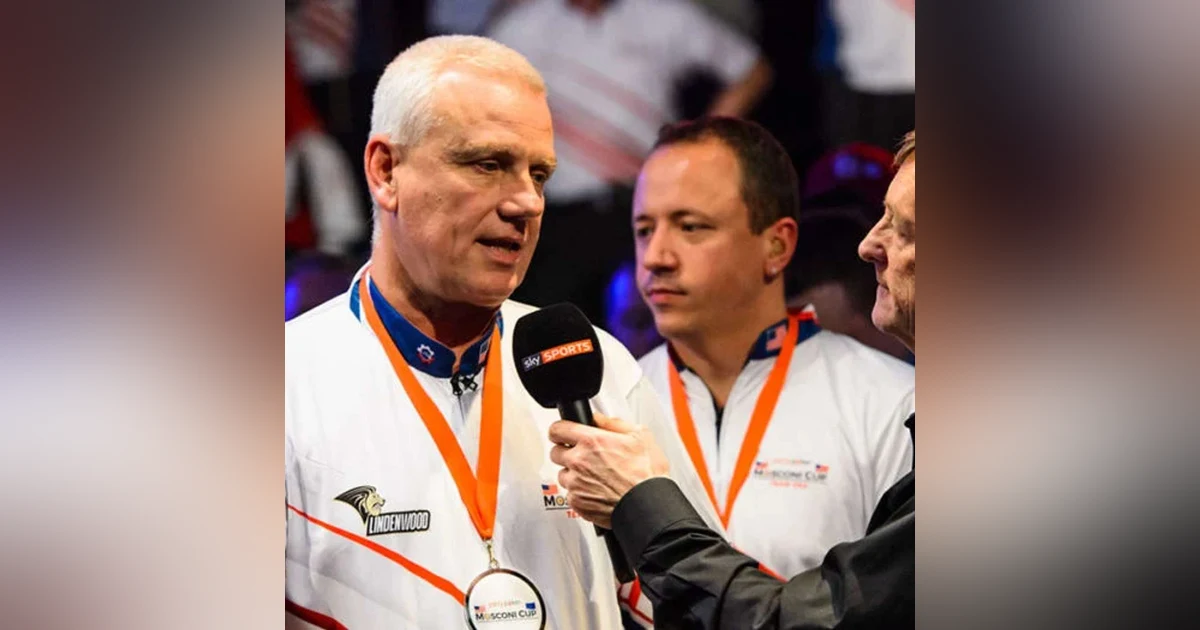

In this fifth and final installment of our Legends of the Cue deep-dive with co-host, former Mosconi Cup Captain and player, professional pool player, master teacher, and broadcaster Mark Wilson, we bring the conversation full circle — from the bright lights of international competition to the grassroots of the game he loves.
Mark takes us behind the curtain of his Mosconi Cup captaincy, sharing the challenges of managing world-class talent, the psychology of match play, and the small strategic edges — like the all-important lag — that can swing an entire event. With candid storytelling, he reveals the intense preparation, lineup decisions, and personal mentoring that went into shaping his teams, including guiding players like Shane Van Boening, Justin Bergman, and John Schmidt through the crucible of the Cup.
The discussion then shifts to Mark’s groundbreaking tenure at Lindenwood University, where he built one of the most disciplined, academically accomplished, and successful collegiate billiards programs in history. He explains how character, accountability, and camaraderie formed the core of his coaching philosophy, producing national champions and lifelong ambassadors for the sport.
We also explore U.S. Team Billiards, Mark’s ongoing “give back” initiative, where he continues to instill professionalism, etiquette, and technical excellence in players of all levels. From creative practice drills to fostering a family-like culture, Mark’s programs reflect his unwavering commitment to pool’s betterment.
With humor, humility, and heartfelt reflection, Mark shares lessons from decades at every level of the game — as a competitor, coach, mentor, and steward of billiards history. He closes with three revealing “final questions” on what he’d do differently, the one shot he’d like back, and how he hopes to be remembered.
It’s a fitting conclusion to a five-part journey through the life of a man who has dedicated himself to leaving the sport better than he found it.
Give Allison, Mark & Mike some feedback via Text.
Follow our show and/or leave a review/rating on:
Our website: https://www.legendsofthecue.com
Apple Podcasts: https://podcasts.apple.com/us/podcast/legends-of-the-cue/id1820520463
Spotify: https://open.spotify.com/show/4Za0IMh2SeNaWEGUHaVcy1
Music by Lyrium.
About
"Legends of the Cue" is a cue sports history podcast featuring interviews with Hall of Fame members, world champions, and influential figures from across the world of cue sports—including pocket billiards, snooker, and carom disciplines such as three-cushion billiards. We highlight the people, places, and moments that have shaped the game—celebrating iconic players, memorable events, historic venues, and the brands that helped define generations of play. With a focus on the positive spirit of the sport, our goal is to create a rich, engaging, and timeless archive of stories that fans can enjoy now and for years to come.
Co-hosted by WPA and BCA Hall of Fame member Allison Fisher and Mosconi Cup player and captain Mark Wilson, Legends of the Cue brings these stories to life—told in the voices of the game’s greatest figures.
Join Allison, Mark and Mike Gonzalez for “Legends of the Cu...
So that was two Moscone Cups, and then later I got to be the captain, which that was a weird thing. I used to once in a while, I'd I'd say, look, I would love to just broadcast a match of the Moscone Cup because I did some for AccuStats and a couple of the networks here. And uh nope, nope, can't do it. We got our own commentator team. So I didn't ask, you know, anymore. I just just one time I thought X Player come back, and I would just love to be affiliated with it because it's like the proudest thing for me and pool. And so uh never. So well then uh what was that? I guess it'd be yeah, just the beginning of 2014. They call me and they go, uh, listen, we're thinking about making you the next captain for the Moscone Cup, but I think it's a prank. You won't even let me talk about it. How in the hell am I gonna coach it? You know, and so then that came about, and that was that was quite a learning thing there, too, in that you think you're gonna be a pool coach, but you're not, you're everything but that. And so I was disillusioned because I thought that you know my task was to win. We we've been losing quite a bit, and you got to win, but you really become a mom and a dad and a banker and a travel agent and a psychiatrist. And no, really, I mean that's what you're dealing with. It's 14-year-old boys that have great pool skills, they don't really have a good mental approach or anything, they're not sound as you would like to think that they are. And so uh, yeah, that was quite the learning curve. And and this is the word, it's not a word, but anyway, it's I misunderestimated my players. So that's what happened. I thought I'd underestimated them sufficiently, but it wasn't quite enough. You know, they're they're even less.
Mike GonzalezWe've got some household names here, too. Shane Van Boning was on that first team that you coached, uh, Justin Bergman, Corey Doell, Justin Hall, John Schmidt. Um, it's not like they couldn't play.
Mark WilsonOh no, no, they're all good players, but there's their psych uh I mean, even Shane does not like the Moscone Cup. And he reiterated that every year that I was the captain, that he doesn't like it. I just want U.S. Opens and I want World Championships. I don't care about Moscone Cup. Well, when you reinforce that, and then you've already got a history of not doing that well, it sort of snowballs on you, and it's really the only event in the world that Shane Van Boning's winning record is sub-50%, even today, after 17 or 18 plays in it. There's no other tournament in the world you could say he's under 50%. It's never happened. And then, but you cannot reinforce negativity, but he's he learned on his own, and he doesn't he knows the other players aren't gonna train like he likes to train and be as serious about it as he is, and so it kind of diminishes him, and then he tries to overachieve, and then it conspires, and the other team feels like they're gonna beat him, and then it snowballs further, and then the next thing you know is body language, he's disengaged, and then it filters down to the rest of the team. So uh that happened, and then my other players aren't it aren't aren't as good, you know. So it was a boy, if you knew what I went through on that one. I guess you know, I have to attribute some of my gray hair to that.
Mike GonzalezYou know, we I think that's you know what what an honor 20 years after being selected to play in the first Moscone Cup, 20 years later you're you're selected uh to be the captain of the US I had three years running, and uh results aside, I I I do remember you talking a lot about some of the statistics you had analyzed and studied to see where do we get our edges, where do we get our breaks? And and you know, it starts it starts with the lag. And I've heard you talk about this more than once that you know you don't win that lag, you're already putting yourself behind, aren't you?
Mark WilsonWhat people don't understand, to include my own players on the Muscone Cup, is that the person that wins the first rack mathematically wins that rack 56.4 percent. If you lose the first rack, you're 43.6 percent to win that set, and so the first rack's a pretty big deal. And then if it goes down to the well, these guys break and run out 30 percent, which can you imagine that, Allie? 30 percent of the it's incredible.
Allison FisherAnd I I remember that was one of Steve Davis's things was to win that first game in snooker. That was a very big deal for him.
Mark WilsonYeah, getting going. It gets your momentum, it gets you, you know. So it was uh you kind of get the upper hand in boxing, it's who gets off first, meaning who hits the other guy first. And I think it's the same thing in pool. You now you got the other guy on their heels, and then if you win that second game, now they're starting to doubt or can I come back? I gotta win every game, I can't make another mistake, and the pressure mounts uh pretty quickly. And so um, yeah, that that was a component of it. And then I'm thinking about the lineup, and it was so fascinating. Like a good baseball manager, he structures the lineup to tailored to like, well, this guy had a fight with his wife, and he's not been playing good and he's down, so I'm gonna put him down in the order rather than expose him up front where he might. Well, I had that with John Schmidt, and he's a nervous guy, but he's a phenomenal talent, and so I'm thinking, where can I get the most utility out of John? I mean, I really got to build him up, and he can do this, I know he can do this, he's that good, but he does have uh plagued with nagging self-doubt for the phenomenal talent, you know. I mean, but he still has self-doubt, and sometimes he reinforces it and he gets prone to be a bit more negative. So I was thinking, hmm, boy, I'll tell you what, if I put him out there, the first match is a team match, so everybody gets exposure on TV, bright lights, and like, but if you put him as the number five player to play that first match, he's out there, but even if it goes down to the last track, he's not exposed to the maximum pressure. And so I think that's what I should do. I put him in number five, you know, get a little feel for it. And then my other guys, like you know, you take like Bergman and Justin Hall, that they don't even think about pressure. That that's the least of their problem. They're not worried about that at all, you know. And I'm I'm pretty confident in Shane, despite the fact his record isn't good. But who do you want out there to play besides Shane? I mean, and people even say, well, he's not a good Moscow player. You want me to leave off Shane Van Moning, you know, like that. Are you serious? I mean, we don't have anyone that's his equal at all. And so uh I'm not too worried about him. But you know, John, I want to get him where I can get him to have the best chance to score. And so uh I'm thinking, well, the first match is a team, and the second match is doubles, and then the third match is singles, and you can never play a second singles till everyone's played as singles. But if I if I schedule John for later in the singles and things don't go well, it would it would compound the issue of him having self-doubt. So I thought, you know what I'll do? I'll put him in the last spot on that first match, and then the next match is doubles, I'll send him to the practice room, and then he'll play the first singles and be right back out there, and he's completely got that going. And so that's my plan. And it works out great. We win the first set, and now we got a doubles team out there, and John's in the practice room. And so, and I've never been to the Moscone Cup as a captain, so I want to sit table side and watch what's going on. But my co-captain, Doc, Don Mordell, my pal, best friend, he uh I said, Hey, listen, I'm gonna just run up the practice room, make sure Smitty's doing good, and then everything's good. Well, I get to the practice room, John's there by himself, and the crowd is pretty hostile, and it's pretty high energy. And uh, I see him in there, and the match has started, and John is in a negative disposition, which I don't want him to go out there and play. He had to play Mark Gray. And I go, Oh, no, no, no, you're fine, Smitty. Just stay smooth. Whenever you feel your heart rate go up, you know where you falter is quick transition, backswing to forcewing. So just stay there. Come on. And but yeah, and he's looking at the TV. We can't get a roll, we'd have to go to a bakery to get a roll. We're not gonna win. I mean, I'm like, he's almost willing to capitulate, like uh what? It's the first second match, and everybody's down there wondering where the hell is Mark? I mean, he's supposed to be down here, but I'm afraid to leave John because of going to nuclear meltdown without me. So I'm staying there, oh no, you got this. I know you got this. The one guy I can count on is you, and so anyway, I kind of get him pumped up a little bit, and but I stay with him the whole time, and uh, we lose the second match, and then John goes down there and he plays Mark Gray, the greatest single Moscone Cup match ever. And I'm not exaggerating. So uh I'll just go yeah, Gray wins the leg, he breaks and runs out. John gets up there, breaks and runs out. Gray breaks and runs out, John breaks and runs out, 2-2. Gray breaks and runs out, John breaks 3-3. This is incredible. Okay, and you never see this performance. Now, Gray is running out in the uh seventh game and uh tries a tough shot and jiggles it, and John runs out and breaks and runs out. That was that set, and it's that quick, too, 20 minutes. It was like, oh man, that really gave me because now if I got John going good, I know you know that's gonna help the other team, uh rest of our team. And truly, I put John on the team partly to kind of nurture Hall and Bergman, who were very young. And I'm thinking, you know, they get tired of listening to the old gray-haired guy, and they kind of respect John, and he's kind of my intermediary, he's at middle-age, you know, and these kids are kids and just aloof. And uh, but uh those kids were impervious to they they don't care, you know. I mean, they they just go play and whatever happens, happens. So, and and John he had a great levity to our group, too. So it was a really good thing having him on the team, and and he rightfully belongs on it even now. People just don't know, but yeah, he'd have to be handled properly because he does have that nagging self-doubt, but he can perform. And um, if he was given more opportunity, he would be one of America's top five, but he also does it to himself by not traveling and playing in tournaments. He's kind of just a he's he's an artist that's aloof, and you can't, you know. One time I was always telling about Berkman, how I could help Bergman. And I said, if it was just me and he just lived at my house, and then we just play every day and I work on his break and I'll get him going, John. I can I guarantee you. And John was thinking about me and he goes, Oh, you'll ruin Bergman. I go, What? What do you mean? No, you'll have him running two miles and he has to eat tofu every day, and you'll just he won't make a ball. And the more I got to thinking about, damn, I think he's John's right. If Bergman couldn't do that, you know. I mean, he has to just he's a little bit like John. He just has to kind of feel it. And if he feels it, great. If he doesn't feel it, he's not gonna perform well. But he always does play good. That was one thing people say, oh, you put Bergman on there, he's like your kid. No, I put Bergman on there because he belongs. Well, anybody that thinks, anybody thinks different, bring your money over here and bring your player. You can win all of St. Louis. Everybody here will bet on him. Yeah, Jason Shaw came here in his prime and Bergman beat him 80 to 59, like that. Now I didn't think Justin should play him, nor do I still think that, but Justin did and beat him soundly, you know, and got the justin and he got uh Shaw down into where he was kind of self-defeated. I mean, he was just one stroking and a bad attitude and everything. Yeah, Justin just never let up.
Mike GonzalezWell, we got a few other things uh about Mark Wilson we want to certainly talk about before we put a bow on this. Uh, one would be your experience at Lyndon Wood University. That was cool.
Mark WilsonYeah, that was I didn't want to, I didn't want to do that at all. What happened was uh I got the phone call and they're saying we're gonna think about uh involving a billiards program here, and your name keeps popping up. Would you come and talk to us about possibly coaching it? And I'm kind of I'm pretty busy and I don't know any high school boys, and I don't want to start something that they're not really committed to, and my life was actually going really good. And the last thing I needed was yet another low-paying job. So uh I was just gonna decline, but then I was urged to go and talk to them. I did. So uh I went there and there was the you know, the president, vice presidents, athletic director, admissions people, and they said, Listen, Linda Wood's an athletic-driven institution, and we insist on first-rate programs. If we installed you as the lead of this billiards program, what would you do? And I was thinking back to my mom, hating pool and like that, and I thought, you know what? The first thing we're gonna do, we're gonna get our grades no matter what. And so, uh, and character, you know, there's always been this character issue with pool that gives it a negative image. We will not perpetuate that one iota, there will be no second chances. That's that's what I would do. And so um, they said, okay, we like it. And here's what we're willing to do. If you prove to us after year one that you have a program, we'll build you an on-site uh facility exclusive to the billiards team, and we will scholarship your athletes. And I was kind of like, no, scholarship my what does that mean exactly? You know, how do we do this? And they go, Well, it won't be a full ride, but you can get them a pretty decent price to get in there. And then I started thinking about the good kids, and even my own parents would have been really good with it if I was going to college with a partial billiard scholarship. So, and it would be an opportunity for me to do something impactful for the sport and to kind of maybe make it what it could be, type of thing. And so we did, and uh that that led me into that, and then the first year I didn't schedule us easy, and our team went 0-10, and we're primarily playing like uh local league teams and things like that, because there's no other college that has a program, and so we we played it, and I could have scheduled us a couple softies, but um, what are you really building at that point? And so we went 0-10, and then uh after that we almost never lost except uh pro teams. There was a couple pro teams that did beat us, but after that we and we won the nationals men's and women's all seven years after that. Uh but we didn't just win it, we got second, third, fifth, and seventh because we eliminated ourselves because we not bragging, not bragging at all. I don't mean like that, because when we went 0-10, but the next year I got Landon Shuffitt and Brianna Miller. Well, Brianna won the nationals four times, no one had ever done that, and Landon won it the first two years, and then we had kids in there that Landon ended up getting second to uh Chris Reinhold Robinson, which he was on our team too, and then Sharik, Sharik got second a couple times that you coached over in Singapore, I think. Is that right, Alec?
Allison FisherI didn't coach him, but I know him from Singapore.
Mark WilsonBut anyway, we had phenomenal talent. So all of a sudden, year two, I became a much better coach when I got good recruits in there, you know, than the first year. And it really wasn't about winning anyway. We did like to win, but I almost never used my A team against another school because it was we were so far above what my C team would win. So I kind of scaled it down, just take one or two of the A players, and then you know, only in the pro events would we take the strictly A players.
Mike GonzalezBut you know, you you you sort of took your concepts uh from there that you had developed in terms of character and uh the way people comport themselves, uh sportsmanship, and carried that over into something else you created, which was became U.S. Team Billiards.
Mark WilsonYeah, we when when Lindawood, what happened really was when you when you're assigned to be the captain of the Lindawood Billiards Program, they don't give you any structure. They say, Okay, you're the lead of the program, and we want you to start this fall, and this is in February. So I'm like, huh, how do you do it? I mean, they don't even have a book or any guidance. Like, we got more, way more information from Mike about how to do a podcast than I did. No, really. And so I started studying other other coaches in sports, and I started showing Bo Shem Beckler and Woody Hayes and uh John Wooden and uh you know uh famous coach Bear Bryant. And to a man, they all said, you know, to have a long-term sustainable winning program is simply comes down to the character of your athlete. And that resonated, like, huh, yeah, right. It's not gonna be structured, you're not gonna have the discipline, you're not gonna be able. I thought, you know what, win or lose, whatever happens here, we're gonna do it the right way. And uh uniquely, okay, out of 50 sports at Lindawood, you know, you wouldn't suspect this, nor did I. We were number one academically out of 50 sports. And at the opening meeting, I always have an annual meeting right at the beginning of the season to state our goals and to get everybody on board. And I would say, because I didn't even think we could possibly be number one, you know, poop players don't have that history for one thing. But uh anyway, I would like, hey guys, listen, um, I don't expect you academically to beat the chess team, but we've got to beat the football team here. Okay, you know, and and so they understood it. I just wanted to be middle. If we were just in the middle and then kind of hide and then look too bad, but no, we got girls on that team that can do uh nuclear physics in their head while they walk around for a shot. I mean, these are girls that are smart as hell, you know. It's like, wow, this is epic, you know. Well, you know them, April Larson, Taylor Hanson, uh Carly. It was so much fun. And once you get that team built, you never allow any negativity whatsoever.
Allison FisherYeah, I had the pleasure of visiting, and it that struck me, I think, was the camaraderie, the respect that you instilled for them for you and you for them, and the self-esteem was incredible, I think. It was a r you remarkable people, really. You were making people um well, go from adolescence into adulthood and they loved you like a father, didn't they? Yeah. The respect. They did, they would fight for it. Wonderful, really wonderful.
Mark WilsonWhat could happen is that uh they knew I care about them. So I could criticize them any kind of way that you wanted to to make them better, because I was just wanting them to be better in every facet, not just pool.
Allison FisherYeah, yeah.
Mark WilsonAnd so, you know, I I would stay after them on the grades, and I had tutors and counselors, like your if your girlfriend leaves you or something, you're distraught. I got a counselor for that, and then uh then we had a great program, and then you know how you know how powerful is it? You got Allison Fisher visiting this week, and she's gonna play and do the exercises with everybody else. If she does them, shouldn't you? Maybe you ought to try to do it really good. And so this happened often enough with a variety of pro players. So all the Musconi Cup players would come through and stay for a few days like that and train with us, and then there was a lot of special guests, and it was uh that really they they knew they were part of something special, and but I didn't know either how it was gonna turn out. I never did this. I I don't even deal with everybody I deal with is plus or minus my age, 15 years. That's my whole life. I don't deal with the young people. But then once we got that, and then it was just a known thing if you're gonna do pool, and so we got the very best players from America, but also from around the world. We had Spain, China, Singapore, Germany, Italy, two from Nepal, uh, the last national champion, Denmark. Can you imagine? People came to little tiny Lindenwood University, 15,000 people maximum, maybe not even. And you know, they would come there for the Birds program. So that was pretty epic, and I learned a lot. And so then when Linda Wood discontinued the program after eight years, um, and and uniquely we were under budget and profitable all eight years, based on the tuition rates, and we were national champions, we're number one in grades, and we have no character issues whatsoever. I'd never let anyone deal with a character if we we had a couple kids that violated it and they were gone. And there was a couple of times we had uh I'm a very lenient guy, I think, but I am pretty strict about that. You don't get a second chance, and I don't hate you, it just means you're an individual, you're not any longer part of this team. But it was actually the best thing that I did, despite the fact that I was internally conflicted about banning someone from the team. That's not a fun thing to do. But if you don't do it, then the cancer grows. And so I just thought, I'm not going that road. I just don't have the time, I don't have the patience, I'll teach you, I'll learn, I'll do everything for you. And then we built that culture where if Mike has a car and Allison needs a tip on her cue, Mike had better damn well take you across town to get that tip put on your cue. We're a family, we all help each other. And I love that they'd be in there doing their homework and talking to each other. It was exclusive to the Bears team. And what'd you get on problem 17? I didn't get it. Oh, oh, okay, I see what you're saying. Hey, we're going to the movies tonight, or you know, like that, or we're going to the cafeteria together. And I loved the bonding that we had there, and it was some co-ed, you know, it wasn't the men's team and the women's team, it was just the good players, you know, all of them. And it was also kind of fun, too. We'd have a match against another school, and I'd put out a few of my very best ones and have present perfect form. And then they go out there and they hardly miss a ball. And the other team just wilts. And then I put out my second volley of players that don't play anywhere near as good, and they're way less experienced, but they look great. And the other team, like, oh my god, you've got to be kidding. These guys are perfect, and then they would wilt if they actually knew how experienced some of my players were. But but the players would just go, and then they had the they were emboldened because they know the front line is going to take care of them, even if they lose, and they just go out there and do what they're told. And never during a match would I ever coach them. That never happened. You just play, you you pick your best shot and you're expected to support it with a good stroke, whether it be the right shot or the wrong shot. I don't we'll talk about it Monday in practice. But we're not because I'm not gonna go out there, you don't really learn that way. You need to get the experience, and then we need to talk about it and we'll try some different things at practice. But I don't want you going out there second guessing yourself. I want you to be committed. So don't play a shot. If you don't sure about it, don't think, oh, he'll probably yell at me because I didn't play safe and I should have, I don't know how, and this. No, you pick your best shot, I'm all bored. Just present a good stroke for me. That's all I ask. And from there, we just grew exponentially. So that part was good. And then when they discontinue it, then US Team Billiards, I hated to lose what I learned over eight years. Because after the first couple years, you don't know what you're doing. You're trying. I don't mean it like that. And it wasn't like I didn't put my heart into it, but then you see little nuances of how you could conduct the practice more efficiently. And that when you came to one of our practices, it looked like a Bill Belichick football.
Allison FisherFantastic. Absolutely.
Mark WilsonIt was constant activity. You're never sitting there on your phone, and it's all productive stuff, and we did real cunning edge stuff, and we had fun. And then I would support it with my own money too. Those kids, it was kind of funny. We would do eyes closed exercise. And uh, for those of you that uh would remember college days, in the middle of a semester, $20 is big money, and so that's just the way it is. And so those kids, we were gonna do this thing, and they love buffalo wild wings. I detest it because it's doesn't have the acoustics conversed. It's not the wings are bad, but you can't converse, and so but they love it, and so they get the cafeteria seven times a week or third, however many times, 21 times, but they're bored, you know, it's frozen vegetables, and it's okay, you can exist, but even anything in the middle of a semester. So I bought these coupons, and then we go to practice, and now you throw the balls out on the table, and then you take ball in hand, and if you run the whole rack, you get a Buffalo Wild Wings coupon for $20. However, uh, you have to do it eyes closed every shot. Well, it's spooky as it could be, but then they learned, you know, as time went by, the first week I gave away one or two of those coupons. Well, then over the weekend, they just go in there and practice it all weekend. Then I come back on Monday, we have practice. Oh my goodness, coach, got one over here, coach over here, because they found out eyes open or closed on the last stroke really makes very little difference, and you feel the speed based on the length of the swing. And so, oh yeah, the Monday come around about 40 minutes, and okay, that game's over, we're all done with that game, but I said we're gonna do this one, you know. But the growth that came from things like that for them developmentally, and then their confidence, and then now I was playing Allison Fisher last week in practice. So, however good college boy is over here, I'm not afraid. I've already lost a better, so whatever happens, and it really emboldens them. You know, they're practicing with Sky Woodward and Justin Bergman off and a lot of these guys, you know, and then some of them have gone on and played Moscone Cups.
Allison FisherThat's great, yeah.
Mark WilsonSo it was a really rewarding thing. Goes to one other thing.
Mike GonzalezYeah, good.
Mark WilsonLandon Shuffett. Okay, so he comes and I'm proud of him. I've known him since he's seven, and his skill is not me, it's his dad and him. Okay, so I'm not taking credit, but Landon comes and he wins the first two national championships, and I'm proud as hell. And he's such a good kid, he's like the role model of everybody. I wish I had been that half that good a kid, but anyway, he's just that. And so uh next year you don't have to qualify if you win the national championship. I go, Landon, no one's ever won four men's national championships. You're on the path. I think you can do it, and we're gonna do this. And he goes, Ah, coach, I can't. Uh it's my my sister's wedding. And uh, oh man, that crippled me inside. Like, what your wedding? Oh, you can it's national landing, you know. Tell her you'll catch her on the next one. I mean, you act like she's never doing it again. You know, I mean, this is a national damn championship right here, Landon. But to his credit, he did go to his sister's wedding, which that was good. And then the following year he got second to Chris, so he ended up with uh two wins. But Pool wasn't really his driving thing either, you know, and he's become a uh high school teacher and uh he does the Bible study at Lindawood in Missouri and likes good coffee, Mike. He's even more serious about than us, and then uh he he takes care of underprivileged kids in the summer camps.
Allison FisherSo I mean he's just a great guy, yeah.
Mike GonzalezYeah, good for him. So uh what else would you want to say about U.S. team billiards? I tried to prompt you into that. Oh, you did sometimes.
Mark WilsonYeah, well that's that's going along pretty good. It's my give back to the sport. So I've been uh working really hard. So we have uh 60 players in Peoria and 60 here in St. Louis. We actually have a little bit more than that, but and then we played team matches. Mike got to participate in one when he came through, and he'll play next time he's here. But it's uh just an outlet to compete uh in an organized, structured way, and then I try to conduct some practices and I also give some pointers along the way, and then I administrate it. So it's about a seven days a month uh gift to the betterment of the sport, and so once again, the character mandates in effect, proper attire, and they all get stroke mechanics uh grades, and uh we we conduct it like that, and we post all the scores, and we have uh some good things coming too. We got a new website that'll be up, and uh that was been a long-term thing because I it was totally me, but there's been some logistical setbacks along the way, and then I just fund this out of my pocket, and so uh I'm not gonna be rich. I made peace with that when I was 19, and so but I am gonna have a great life, and the sport gave me a great experience in my life that I could never repay. And so this is why I continue this, despite the fact that it does encumber me, you know, in some cases, uh, from doing things. But you gotta sacrifice something, and plus, how far can I go? I mean, you know, do the most you can while you're here, you know, and I'm afraid to slow down for fear something might fall off. So I just continue. You know, I mean, like you never know what's up next.
Mike GonzalezWell, you know, I I've told you this, Mark, and I've I've told Allie this as well. Imagine a world where we could clone Mark Wilson and have him in every major metro area of the country running this type of U.S. team billiards program, instilling the values into these players, uh, demanding the comportment and the behavior that you get from your players, just the way they dress, long black slacks, they've got their shirts, they follow your six-step process, their form is beautiful, they're very, very disciplined. You don't see that anywhere anymore. And wouldn't you love to have 50 programs just like that all around the country to develop more?
Mark WilsonJust yesterday we were playing a match, and this happens fairly often. We'll be in the pool room, but it's so foreign to that pool room to see everybody over here in their teen jerseys and their slacks, and people come over and say, Now what's this? What's going on? I go, Well, it's a little something I do to give back to the sport, and so uh that's very rewarding. And then when I look out there and I watch and I study, everybody at the end of one season, which is about seven months, has gotten better. And sometimes they don't even realize it because they see it every day, but I do because I don't only see it all the time. I just see it once in a while, and it's just like so invigorating. Like, and maybe I never lived to see it come to fruition, and maybe it never goes any further, but at least somebody knows what I learned from Saylor, Steve Davis, Allison Fisher, Jeff Carter, Jerry Bryseth. And one of the things, really, in summation of all this, is that when I got that first lesson from Jerry, and uh I was that sub-horrible guy that had to change his mind about I thought maybe I'd be the best player in Wisconsin after playing three months, and meanwhile, I was probably the worst. And once that awakening came and Jerry worked with me, and then do you know? I looked over an hour and a half later and he had the same vigor and enthusiasm teaching somebody else that was as bad as me on a couple tables over. And I thought, how does he do that? I'd have to be so exhausting on anyone. How could he possibly do that? You know, and but it was always he always had that passion, and it just kind of took root. I I could just see it like you can't fake what he does. You you have to actually love it, and so even at 88 years old, yeah, yeah. But it really started there where I saw it. I did otherwise I wouldn't have known it.
Allison FisherAnd so he inspired you. And look at how many you inspire every time.
Mark WilsonYeah, yeah, that's super important. If well, uh I always wish for our sport to be better, and I would do anything I could uh to include. I I wish I wish I had more than one life to give, really, if you want to know the truth. And I mean that sincerely.
Mike GonzalezPeople want to know more about Mark Wilson. There's a few places you can go. You can go to playgreatpool.com and look at everything he's been up to. Uh, certainly you can buy his book, which I have Playgreat Pool, which is probably the best pool book co-authored uh with Donald Wardell, uh, that I've run across. And if you want to instill some discipline in your game, read Playgreat Pool. Mark's had an opportunity to teach some top players uh, uh including Jeanette Lee and Eva Lawrence Mataya and several others uh over the course of his career. He's a magazine columnist for a while with Billiard Digest. Uh, what else is occupying your time these days?
Mark WilsonNo, it's all pool related that, although I do train pretty seriously twice a week with guns, so I'm a pretty devoted gun guy. I do. And uh I didn't do that till I was 63. We had two little girls here, my granddaughters, and I was scared to ever have guns around. And then it's society's kind of collapsed, and I thought, you know, in Illinois, it's hard to get them. Maybe I should get them, but I'm not gonna do it halfway. So I'm not gonna say I'm a great shop, but I can defend myself for sure. And you know, it is funny when you start something like that. And I I bought this my first gun, AR 15. Oh my goodness. You know, right to the top. And so and you rationalize it. Here's what here's what the old guy does. Well, it's worth it because you know, I needed home defense. Oh, really? You need 30 round mag, you know, and that's really the best. But but it's no, you rationalize like that. It's a lie. That's a lie, it's just cool, it's just sexy, you know, and so that's why I bought it, you know. And then I decided, no, you need a shotgun and a handgun for home defense, you know, but but anyway, I got them all. So that's and I drained seriously. So that's one of my little things. And then uh oh I follow the Cardinals a little bit, although they've gotten political in recent years, so I've gotten a little bit uh older and grumpier and been less involved. Uh even and then it it got so it's so money oriented that you can't even find them on the TV channel, which then frustrates me. And then I just like okay, they don't care. Then I'm why why do I care so damn much? So I've gotten a little bit grown away from that, but I still follow them every day, but I pretend that I don't.
Mike GonzalezYou must not have Roku because they were on Roku last night.
Mark WilsonYeah. Oh well, I I do follow them. I know the players, and uh oh, I play poker with one of the players. Pokers, yeah, that's another thing I do. I play casino poker, which is um I did it for many, many 40, 50 years. Well, since school, since grade school, really. And uh it was not that I'm good, it's just that the people I play against are so bad that if you play me long enough, I will finally get you, you know. And and then I know really, it's kind of funny because I don't really want to be a hero, it's just a $15 an hour job with you little comps and uh is tax-free, and I can put my hours in when I want to, but but it is it's kind of a comical thing. And then sometimes I prey on people that probably uh are not as disciplined and uh maybe not too bright, and so I feel kind of guilty about that, but they're gonna lose the money anyway. And I need it, I appreciate it, and a good hypocrite can rationalize anything, you know. So here you go. I was like, lose it anyway. I might as well get it. I want to add just a little bit about the the book, if I could. Okay. So Mike mentioned play great pool, and uh, I refuse to advertise it because it appears as if I'm trying to prostitute it and it's not for everybody, and it's a college-level textbook. And I even had a student, and the the guy is a nice guy, and he goes, Man, I want to buy your book from you. And I go, Okay, yeah, I always have some. And we're walking out to my car, and I'm thinking about it. I'm thinking, look, you're not gonna read that book. That's that's not a good investment for you. Because I can see he's not studious like that, it's not an easy read or a light duty thing. And so I talked to him out of buying it because it's just really not right. No, it is that's why I don't advertise it. And then my own wife, you know, she's like, Well, no one's gonna want to read it. I go, I don't care. I'm not making it 17 years, $70,000. I don't care. It's my legacy of this board. I don't care if nobody, I'll own them all. I don't care. But anyway, so I have that, and then but with that, Doc, uh Don Wardell, I could never repay this pen. And he was my friend, and I'd worked on it for 10 years with two separate editors, and it wasn't, it didn't really hit the target the way I thought it should, but I couldn't place what's wrong. And so he came over and he he took a look at it, and he he said that he would trade me some editing because he could see I would miss the target a little bit, with uh, you know, if he didn't not money, but if I'd trade him lessons, which is in my price range compared to his hourly rate. So I said, okay, yeah, I do it. And so we started off thinking it was gonna be six or seven weeks to finish it, and it turned into seven years, 40 hours a week for seven years, but only one week per month because he's a hospitalist and he had a family. So what he's off two weeks a month, one week was devoted to his family, the other week was devoted to the book, and so that's why he's not listed as editor but co-author and he helped a ton. And it was uh we had some kind of interesting things, but neither one of us uh knew what we were getting into, or you wouldn't have done it. Remember the enthusiasm and ignorance thing I said to begin with? Neither one of us dreamed it could be this hard, or we wouldn't have done it. And uh, but thank God for the poor world, we did. You know, I mean that it's something that will last beyond uh my time. And so now that's why now US Team Billiards is my next thing that'd be like my capstone thing to my career, would be if I could just get some people that understand the sport and the teachings of Sailor and Bryceith and people like that, that will never resurrect easily. Um that's kind of I owe them and I have to repay them, and that's the only way I know how. So the sailor's gone and Jerry's older, and and then many others too, as Steve and Allison and Jeff Carter, and uh on and on and on, many, many others, you know, every seal and buddy hall along the way. So I'm just kind of summarizing that, and that's keeping their story alive if their memory's not gone.
Mike GonzalezSo well, hopefully the three of us will be able to create some content that will help in terms of uh what you leave behind for the world of pool.
Mark WilsonYeah, yeah. And uh, I guess if I was gonna close up with anything, I would say this shoot pool, not people.
Mike GonzalezMark, before we wrap this up, is there anybody else you'd like to acknowledge?
Mark WilsonWell, you know, upon further consideration about my life, story, and billiards, it's not just really about me. I've had great people in my life that fully believed in the direction that pool deserves to be heading. And my pool life has had many blessings. One of those people is Don Wardell, who I call Doc. He poured countless hours working alongside me on the book, Play Great Pool. He later served as my co-captain on the Moscone Cup teams, and I've never spent a day with Doc that I did not learn something of great value. He's also endured many of my life's follies and uh consequently has moved quite a ways from me. Another tremendous guy that deserves mention is Lieutenant Commander Amir Pishdad. He's UNA U.S. Navy SEAL. He demonstrates core values of honor, integrity, respect, work ethic, and discipline. Amir is a go-getter and a can-do guy that has great compassion and generosity. He's taught me relentless positivity and mental toughness. My wife, Kathy. She's not just beautiful, but the most hardworking person that I have ever met. She's been my biggest contributor to every billiards event, program, and tournament. Linda Wood University Billiards Program. Uh she was completely involved in all of the Moscone Cup coordination and events, including the Ballpark Village Festivals. I could never have had great success without her, and I love her and could never repair. Her sons Derek and Dylan, I genuinely love, is my own. They have also played important roles in my pool career by their support and belief. Derek has MC'd many events, created great crowds, and offered the ideas that made things work. Dylan is a terrific man that has always contributed stability and support for not just billiards, but our entire family. His wife, Ashley, is pretty and very intelligent. And her two boys bring me complete joy as my grandsons. Logan, he's kind of an introverted kid, but he's uh got this artistic side to him, and he's very forward-thinking, and I just adore him. He's a joy to be around. And then Oliver, he's he's rambunctious, he's kind of an athlete and a uh go-getter in life. He's a real free spirit. And uh, after one tragedy where he broke his uh leg, he told me I blasted my femur. Which was so true, right uh right to the point. Then I'd be remiss if I didn't leave in uh our newest edition, my granddaughter, Georgia Grace. She's just adorable and got that smile that just melts your heart. And uh, for those uh or anyone inclined that might bring her harm, I would uh like to tell you that uh at 70 years of age, uh prison is uh much less of a deterrent for me. My brothers Steve and Tim, uh they always bring good ideas and uh uh they have the mechanical wherewithal that I lack, so they've been great assets in my life. Uh Mike Durbin, he's been a tremendous friend, and he builds my queues and he's built a facility for me that's just incredible. And uh he's just got impeccable character, and he's the type of guy that I could ask for a substantial loan, and he would not ask if or when, and he would give it to me. And conversely, if he was to call me up and say, hey Mark, I need you right away and bring a big rug and a shovel and some duct tape, I would head out immediately. Jim Coon is uh he's a kind friend and has a heart of gold. He's taught me extreme generosity and living to enjoy life. Another man, Chuck Laird, has always bought the ticket and taken the ride with me in my pool life. He's a terrific player, and I'm grateful to have him on board. Uh lastly, two other uniquely non-conforming influences that approved in my lifestyle: Jack Beal from Peoria and Bob Moore in Hong Kong. Both are interesting free spirits that are no longer with us. And lastly, I want to say thank you to uh our co-host here, Mike Gonzalez, who's taught me so much in a short time. But uh, I don't think anything was more valuable than if you don't fly first class, your children will. Words to live by.
Mike GonzalezYep. You're most welcome. Okay, so we're gonna put a bow on this and we're gonna start a tradition. We're gonna probably do this with all of our episodes, uh uh our other guests. We're gonna finish up with three questions. And so it'll be fun after many, many interviews to kind of compare and contrast the answers we get. Um, but these three questions uh will be standard throughout, and uh I will defer to the only Hall of Famer on the podcast to ask the first question. Ms. Fisher.
Allison FisherHere's your question, Mark. If you were 20 again and you knew what you knew now, what would you have done differently?
Mark WilsonGosh, uh Nick Varner and I talk about this, and just so everybody knows, I have not been prepped on these questions. So this is just off the cuff because after we get done, I'll think of three other things. But uh with technology today, I was very willing to work hard, but I didn't have the know-how. And so it it would have been so much easier to look at the video. And I used to just have to trust Jerry telling me right that I was too quick on the backswing, but you couldn't measure what is too quick. And so, had I known some of the things today, I could have been a better player and I would have worked hard to implement them. And then, you know, naturally with age comes wisdom of the experience. You know, you start off dumb and then you get a little bit smarter as time goes by. I could have used my time more efficiently. Uh, I would have been far more dedicated. I'll never forget this after the first Moscone Cup when I came back, and it was so great, and we did well. But had I known it been like that, I would have practiced even harder. I practiced hard to go there. I would have practiced even harder. It's a career-defining moment, and you only get so many of those. And so uh I think I I would have worked harder. It would be my uh answer.
Mike GonzalezYeah, that works. Okay. Second question. We're gonna give you one mulligan, one shot to do over that would have made a difference. Where would it be? Let's see here.
Mark WilsonOoh, that's tough. I've missed so many. Can I just have a few?
Allison FisherYou only get one.
Mark WilsonYes, I see that. Let's see. Well, I guess it'd be in the finals of a Wisconsin state tournament. I I got down to the final nine ball and it was straight in. I I've been making it all day, and I got hyped up and rattled it. So I guess that would be one just off the top of my head. I'm sure there's many others, though.
Mike GonzalezIs that one that would have cost you the state title, then you're saying?
Mark WilsonYeah. State titles in the balance. I am kind of ashamed of this, but I will tell you, when your whole heart's in it, it hurts bad. But I would never bring disrespect to the sport. But along the hour drive home, the windshield hurt some terrible vulgarity. Really? I mean, I would never do that in public, but uh oh, I would be so upset. And I can remember going to my room after a loss, how bad it would sting.
Allison FisherOh.
Mark WilsonAnd just dwell, I'll just like, why did you what are you doing? Yeah, I mean, you did that, you came all this way, and now you did that.
Allison FisherAnd isn't it weird how you love the game so much, but it hurts you at the same time?
Mark WilsonYeah, yeah. But that's what happens when you put your whole heart in there.
Allison FisherYeah.
Mark WilsonYeah. All right, Allison.
Allison FisherAnd the final question How would Mark Wilson like to be remembered?
Mark WilsonI think somebody, you know, one, naturally, a player uh is more way more important than any of my other accomplishments. Not because I was such a great player, but because I love playing so much, is it really it? And probably because I was a positive influence on the sport. If if that was how I was remembered, that would be terrific.
Allison FisherThat's perfect.
Mike GonzalezThat is perfect. Uh Alison, I don't know about you, but this has been a lot of fun going down memory lane with our co-host.
Allison FisherYeah. I really enjoyed it and I really appreciate everything you've done for the sport, Mark. As a as a friend, and just uh what you bring and what and how many lives you've changed and how much respect you've given the sport. So thank you.
Mark WilsonI appreciate it. And then look at the great life I've had of experiences. I mean, on and on and on, that I was just blessed and lucky, but there'd probably some serendipity in there, and maybe because I was so bad it drove me harder. I don't know. Uh something like that, but it really gave me something that uh I have no when you reflect back on your life, I'll never forget this. Bill Cress was a great player, but he did it for the wrong reasons. He was doing it for money, and he looked at me one day and he goes, You know, Mark, when I began, I did this out of passion. And then it became my job. And today it's my sentence. And it was such a sad summary of down that I knew I couldn't go that route. You know, I mean, I'm not gonna do something that I'm gonna be happy, but that was just his only way to get by, which I had other opportunities to do something, but I chose this because I love it and still am interested in it.
Allison FisherWe're lucky you made a passion into a into a career.
Mark WilsonThat too, yeah. Yeah, you have to be insane to do it, probably.
Allison FisherIt's not easy. It's not easy.
Mark WilsonNo, I know all about it. I'll uh I I've opened pool rooms, uh, did broadcasts, I've uh give lessons, I've played on the tour, gambled, uh uh detail your car if I'm having a bad week. I mean, you know, it's all on the table just for the sake of the sport.
Mike GonzalezWell, thank you very much for being the first of We Hope Many to share your life story here with us on Legends of the Q.
Mark WilsonYeah, that's an honor and privilege to be here with you too.
Allison FisherThank you for listening to another episode of Legends of the Q. If you like what you hear, wherever you listen to your podcast, including Apple and Spotify, please follow, subscribe, and spread the word. Give our podcast a five-star rating and share your thoughts. Visit our website and support our Paul History project. Until our next golden break with more Legends of the Queue, so long, everybody.
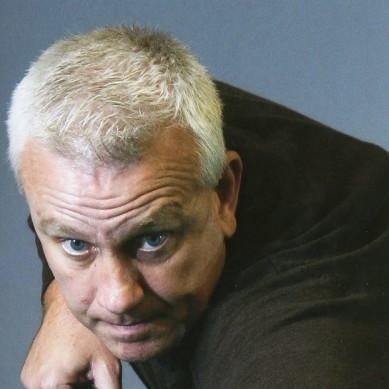
Mark Wilson is one of American pocket billiards’ most respected “complete professionals”, a high-level competitor, Mosconi Cup closer, international team captain, broadcaster, and master teacher whose life in pool has always been anchored by discipline, dignity, and a deep belief that the game deserves to be presented at its very best. Today, many fans know him as a co-host of "Legends of the Cue" alongside Allison Fisher and Mike Gonzalez, but Mark’s story stretches back decades, through smoky poolrooms, cross-country road trips, pressure-cooker arenas, and collegiate classrooms, always driven by the same idea: if you love the game, you owe it your best.
Born and raised in Moline, Illinois, Mark grew up on the banks of the Mississippi River in a working-class household and was a sports-first kid, especially baseball, long before pool captured him. He graduated high school in 1973 and attended Blackhawk College to play baseball, while also pursuing studies aimed toward law school (including three years of Latin, an early hint of the seriousness and mental structure he would later bring to cue sports). But as he tells it in the "Legends of the Cue" series, pool’s pull became impossible to ignore, and the path he’d mapped in academics slowly gave way to the life he truly wanted at the table.
By 1975, Mark had become a professional pool player, entering an era when there was no steady, modern “tour” economy, and many players stitched together a living through regional tournaments and action. He describes that period with clear-eyed hones… Read More