

 Apple Podcasts
 Spotify
 Mary Kenniston - Part 1 (The Athlete, the Hustle, and Finding Pool)
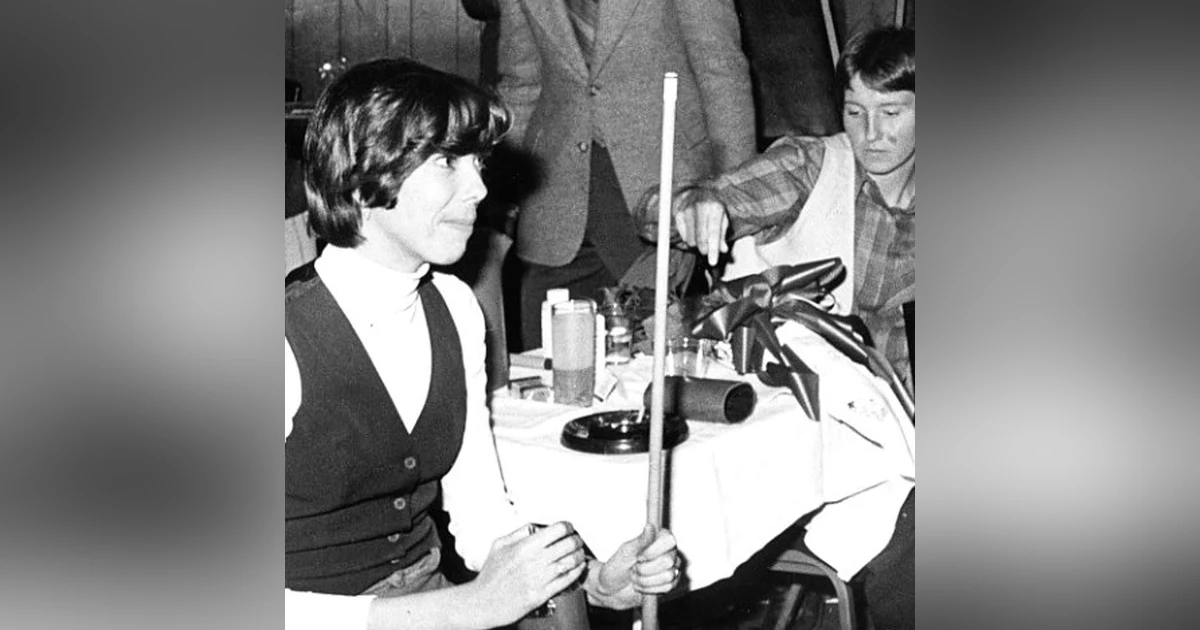

In this first installment of our conversation with WPBA Hall of Famer Mary Kenniston, we begin at the beginning—Long Island roots, a fiercely competitive childhood, and the natural athletic gifts that made her a standout long before she ever picked up a cue.
Mary takes us back to growing up in Suffolk County, where sports came as naturally as breathing. A tall, fearless tomboy with a sharp mind and a gift for competition, she excelled in nearly everything she tried—basketball, softball, field hockey, track, and more. She earned a basketball scholarship at a time when opportunities for women were rare, only to see that dream derailed by devastating knee injuries. But as Mary tells it, one closed door has a funny way of opening another.
That next door turned out to be a barroom pool table in Nebraska.
What began as boredom while tagging along with her boyfriend quickly became revelation. Within a remarkably short time, Mary was beating everyone in sight, winning bar tournaments, and realizing that pool offered something no other sport had: a challenge deep enough to keep humbling her. From there, the story only gets better. After moving back East, she discovered the legendary Guys and Dolls billiard room in New Jersey, where a chance meeting with an older mentor named Bob changed everything. He introduced her not only to the finer points of the game, but to the wider world of serious pool.
Along the way, Mary shares stories that are funny, candid, and unmistakably her own—from beating the boys in high school basketball to discovering, unexpectedly, that her own father had once been a player himself.
It’s the origin story of one of pool’s most distinctive voices—frank, fearless, gifted, and impossible to forget.
Give Allison, Mark & Mike some feedback via Text.
Follow our show and/or leave a review/rating on:
Our website: https://www.legendsofthecue.com
Apple Podcasts: https://podcasts.apple.com/us/podcast/legends-of-the-cue/id1820520463
Spotify: https://open.spotify.com/show/4Za0IMh2SeNaWEGUHaVcy1
Music by Lyrium.
About
"Legends of the Cue" is a cue sports history podcast featuring interviews with Hall of Fame members, world champions, and influential figures from across the world of cue sports—including pocket billiards, snooker, and carom disciplines such as three-cushion billiards. We highlight the people, places, and moments that have shaped the game—celebrating iconic players, memorable events, historic venues, and the brands that helped define generations of play. With a focus on the positive spirit of the sport, our goal is to create a rich, engaging, and timeless archive of stories that fans can enjoy now and for years to come.
Co-hosted by WPA and BCA Hall of Fame member Allison Fisher and Mosconi Cup player and captain Mark Wilson, Legends of the Cue brings these stories to life—told in the voices of the game’s greatest figures.
Join Allison, Mark and Mike Gonzalez for “Legends of the Cu...
Welcome to another edition of Legends of the Cue and Allison Fisher. Not only do we have a WPBA Hall of Famer with us, we have what I would call the sports de facto archivist for photographic history with us today.
Allison FisherYes, we've we're very lucky to be graced with her presence. I've known her for many years. I first came on tour in 95, and that's where I met our guest. And yeah, she's a great, great player back in the day, got a great story. Really looking forward to this one. Mark, would you like to introduce her, please?
Mark WilsonI absolutely would. You know, Mary Keniston and I go back to the beginnings of my career and we dovetailed and paralleled, and not only was she a top player, but she's kind of an outspoken political leader for the WPBA from its inception. Welcome aboard, Mary Keniston.
Mary KennistonSomebody had to do it.
Mike GonzalezWell, Mary, delighted to have you. You know, we've been working on this for a while. We finally got connected, and I think all the technology is working. What do you think?
Mary KennistonI think I think we're here. I think it's good. I think it's good. I'm happy to be here. It's good to see you, Allie. It's been a while. And Mark, you too. Mark's right. We go back a long time when we were both skinny.
Mike GonzalezThat's right. Well, uh, thank you to husband Al for all your technical help, which got us uh to where we are right now. So uh, Mary, you've told us you've listened to all of our interviews, which is first of all very impressive. I'm not uh I'm not sure I would have listened to them all, except I've got to edit them all, so I have. But wonderful to have you. And of course, you know then, having listened to all these, that we like to start at the very beginning as we tell these life stories. So uh you've got to take us back to the very, very beginning. Where did you grow up?
Mary KennistonI grew up on Long Island in Suffolk County, which is the eastern county on Long Island, and I spent my first eight years in Amagansett, New York, which today is pretty much world famous as all the rich people have invaded it and ruined it, by the way. But anyway, my family was one of the original eleven families on my mother's side to settle there. We go back to the mid-1600s. Oh, wow. And anyway, so I spent my first eight years there and along with my other relatives, and then when I was I guess it was second grade, my father got a job up the island. That's what we used to say, up the island. Up the island, yeah. And so we moved about an hour towards New York City. So we were an hour away from Amaganset, an hour away from New York City, and uh, and he got a better job. And then so I graduated high school in 1971, and in between we lived three or four different places. We were like the Jeffersons, you know. As soon as soon as we could afford to, you know, get a better house, we did, you know.
Mike GonzalezMoving on up.
Mary KennistonMoving on up, and uh so by the time I was senior in high school, we had a pretty nice house. But anyway, in high school, I was well, I was in the honors classes. I was smart but lazy. I've always been I've always been lazy. But everything came very easily to me. I never had to study anything, never brought a book home, nothing. I just you know would listen in class and then take the tests and I would get straight A's. And and I lived for sports. I was a tomboy. I played everything. I was the only girl on the block, and I was the best player. Uh no matter what we played. And uh, and then I was tall, I shot up like six or eight inches between seventh and eighth grade. I went from like, I don't know, five four to six feet tall. Wow. Wow, I stayed at five four, I'm jealous. Yeah, I'll tell you what. Uh you know, and I'd spent that summer, it was the summer I was eleven, and and I spent the summer out at my grandparents' house out in Amaganset, and every day I went swimming and fishing, and you know, and my parents would come out, you know, every couple of weeks for the day. And my mother kept saying, Oh my god, you've gotten so tall. And I used to just, yeah, yeah, okay. Well, anyways, I went back to school the first day of eighth grade, and I looked around, and everybody was like a head shorter than me. I was like, Oh man. But um everybody shrunk. Oh, it was terrible. I was so self-conscious, and and you know, I was always skinny, but I was a real good athlete and I played all sports, and I played varsity sports from ninth grade to my senior year. My sport was basketball. And so anyway, I won an athletic scholarship to college for basketball. And it was the only college in the United States that offered women scholarships at that time. This was pre- you know, pre-Title IX. Anyway, they were the national champions, AAU champions in softball and basketball. And AAU was the precursor to NCAA ball, which they play today. But anyway, and so while I was in college, I tore up my knees. And oh, I got, and also, you know, I was always like the best player. Well, anyway, I have to backtrack a little bit. This is funny. So anyway, the first day of practice, you know, basketball practice, you know, all our freshmen came in, and you know, and so anyway, the coach, you know, put his varsity team on the board, on the boards, and he said, Okay, he said, you, you, you, you, and you. Now we're playing five-man ball instead of six-man ball, like I had always played. And he says, Okay, Kenerson, you're a guard. Guard? I've never been a guard, I was always the center. Well, you're a guard now. Anyway, so and six feet tall, I was like average height. It was the first time I was ever in the front row of a photo in my life. I mean, there were girls on our team that was six, eight, six, six, and they were like, you know, like football players. I mean, they were like big. Anyway, so we were running down the field, and so I broke out, you know, with a fast break, and I turned around, you know, and then got the ball. They passed me the ball, and I turn around, and here's this, she's like a fire plug. And she was like 5'6. She made the Olympic team, by the way, a couple years later. We're just standing there with her arms crossed, just like you know, with her arms crossed right in front of her, just looking at me, right? And I went boom! I ran right into her, and next thing I knew, I woke, I woke up, I was on the floor and looking up and I had all these eyes. There she is, she just woke up. She's all right, get up. Anyway, that was so anyway. I was shocked, you know, from that minute on. And anyway, I never made the the varsity team that year. The following year, I did make the team, although I wasn't a starter. And just before the first game, I blew my knees out for the last time. And uh, so that was the end of my career. Never played a game of varsity ball.
Mike GonzalezWell, isn't it it isn't it interesting in athletics? I'm sure you've all experienced it in some form, whether it's in pool or Mark, you played baseball and other things. Mary, you played basketball. How you compete at that local level and you are a star among stars, right? You just stand above everybody else. And then you get out to the county or to the state or to national or even international competition, and boy, do things change quickly, don't they?
Mary KennistonOh, I'll tell you what, it was a rude awakening. You know, I mean, even in high school, we used to have you know, they used to open up the gym on Friday and Saturday nights, and they had a women's girls' gym and a boys' gym. Girls' gym was smaller, but we used to play half-court basketball in the girls' gym. And I was the only one that would play with the guys, and again, I was the best player, and and my specialty was the three-point shot, and I could, you know, swish, swish, swish from everywhere, you know, like that girl from Iowa, blanking out of her name right now. But anyway, Caitlin.
Mike GonzalezCaitlin, uh Caitlin Clay.
Mary KennistonClark. Yeah. And anyway, so the the coach of the boys' team heard about me. So he was came over, you know. You know, and he'd watch us play. And uh anyway, so now a couple of weeks later, it's basketball season, and there's one of their starters got injured on the boys' team. And he came over. I saw him talking to the girls' coach because we were having our practice. And anyway, long story short, I played for the boys' basketball team for one game in uh in high school, made all the local papers, and meanwhile, I made scored 14 points. Wow, yeah, too. Yeah, well, anyway, when I played with the girls, I mean, you know, the score would be like 32 to 12, and I'd have 30 of them. You know, you know, we'd have one girl that we could run and dribble at the same time, another one that could shoot foul shots, and uh, you know, I mean it was just awful.
Mike GonzalezBut anyway, you you played uh you played other sports too, didn't you? Everything besides just basketball.
Mary KennistonI was fast first baseman, even though that's traditionally a lefty uh position. You know, I had such a long reach that you know it was a hanger. And uh I played field hockey, I was the center. I played volleyball, hated that, hated volleyball, it was so boring. And uh you know, volleyball was between field hockey and basketball. I just couldn't wait for basketball to start, you know. Yeah, and uh and I ran, I did track, I high jumped, and uh and I didn't scissor. I didn't I didn't you did the Fosebury flop? No, I didn't do the flop. I did the scissor. You did the roll. No, I didn't do that. I just jumped over it. I jumped my jumped my you know, I I just didn't why do I need to do that? I can just jump over it, and everybody just looked at me. I was jumping my height.
Mike GonzalezAnd uh you know, when you were in high school, that was probably might have been just before the Fosbury flop, actually.
Mary KennistonYeah, I was gonna say starting to come when I was when I was uh junior in high school is when they started doing that. But you know, everybody scissored.
Mike GonzalezAnd uh so where did you pick up all this athletic ability? Your mom, your dad, what side of the family?
Mary KennistonWell, my mother said she was athletic, and my I my father I don't know. He had a tough childhood, you know, so he I don't think he played any sports. He mostly just worked and you know, from the time he was a little boy. I don't know. I was just a natural, and my sister I remember my mother asked me to teach my sister how to do jumping jacks, and I couldn't do it. Just couldn't, I mean, just she just couldn't like I'd have her stand there and just try to clap her hands over her head and she couldn't even do that. And and and my brother, he was worse. So anyway, I don't know where it came from.
Allison FisherWow. So you were the one with the all the athletic ability.
Mary KennistonYeah, and it came naturally to your brother and sister. Yeah, and it came natural to me.
Allison FisherWhat were they good at? Were they good at anything? Brother and sister.
Mary KennistonI can't think of anything.
Mike GonzalezYour genetics are a funny thing, aren't they?
Mary KennistonYeah. I mean, just no, I can't think of anything. No, no, they're not. Oh no, they're not coordinated. They're not coordinated. It's like I got it all.
Mike GonzalezIt's like they I got it all, you know. Oh my god.
Mary KennistonYeah, no, just uh they're average uh or below average, you know, in intelligence. Well, it's not funny.
Allison FisherYou know, hey Mark, I think. They're very humble. She's always suggesting sub par. Well sub horrible.
Mary KennistonShe said it, not me. Anyway, sub horrible. It's just, you know, I don't know. I don't know. It was odd to say the least, because almost all the people that I did play sports with had siblings that played also, you know. And I didn't have that. My sister always used to complain that all her teachers compared her to me.
Allison FisherOh, really? Oh, no rivalry then.
Mary KennistonYeah. Well, it wasn't so much a rivalry, she couldn't stand it because she couldn't, you know, she couldn't cut it. You know.
Mike GonzalezMary, I've got a I've got a hunch that you might have gotten into a little trouble when you were a kid.
Mary KennistonNo, did not. Nope. Really? She's a straight student. Straight A student scout till I was 16. Okay. I was the editor of the school newspaper in my senior year. Spanish club, you know, all the sports. The only reason, don't get me wrong, I wasn't a goody, two shoes, but I knew where the line was. My father used to my father was an ex-cop.
Mike GonzalezOkay.
Mary KennistonAnd he now, when I got to be six feet tall, we were eye-to-eye. And he's built like I am. I was. And and he told me, he says, You get arrested. He says, Don't think I'm gonna bail you out. You spend, you can stay there, you know. And I was, you know, I was scared to death of getting arrested. So even though, you know, a lot of my friends, you know, would get in trouble, I never did because I I believed him. You know, I believed him. He was he was tough. But no, I didn't get in trouble. No.
Mike GonzalezAll right. Well, let's go back to you blowing out your knee then. What happened?
Mary KennistonUh to your studies, to your it was the probably the sixth or seventh time, and I'm talking both of them, you know, not together, not at once, but you know, starting from seventh or eighth grade. Anyway, so I went to the doctors and and they wanted to do knee replacement surgery.
Allison FisherOh wow.
Mary KennistonAnd in those days, it was railroad tracks from the middle of the chin to the you know, to the mid-thigh. And and it was a six months, six to eight month recovery. I was told they would have to like break the knee again to, you know, anyway. I passed. I said, Can I still get my scholarship if I don't do that? And they said, sure. I says, Bye-bye. So, you know, I wasn't gonna do that, you know. So, anyway, so so I wasn't I didn't play ball anymore. So part of my contract was I couldn't go skiing and I couldn't do this and I couldn't do that, and one of the stipulations was I couldn't go to the bars or anything like that.
Mike GonzalezOh my god.
Mary KennistonSo my boyfriend at the time, he was thrilled. Now I could come go to one of the bars. There's like two or three bars in this little town where I was going to school. And so now he could I could go with him to the bar. Well, it turned out that first let me backtrack a little bit. You know, when my my friends were drinking in high school and everything, I tried it, I didn't like the taste of it. You know, I still don't. I don't drink. Not that I have anything against it, I just don't like the taste of it. And uh so now we go to the bar and everybody's drinking, and you know, and in those days the the glasses of beer were 25 cents and tap beer and or less. And it was Nebraska, yeah. Well, and and so I saw these red beers, and I said, Well, what is that? You know, go big red. And so they said, Oh, they pour tomato juice in the beer. I said, Oh, well, maybe I could try that. Well, anyway, that made it a little bit more palatable, but anyway, but so I'm bored to death in the bar. First of all, I was never like a girly girl anyway. You know, I didn't want to sit around and compare nail polishes and talk about the latest mini skirts, you know. I wanted to hang with the boys, you know. And so I was bored to death. And but I'm so I'm watching the pool. They had a pool table in there. And my boyfriend happened to be one of the best players out of the guys that were in there. He held the table most of the time. It wasn't very good looking back on it, but he was better than the average bear. So anyway, I figured, well, finally I got so bored, I put went over and put my quarter up. And he was waiting to break. And he looked at me, he said, What are you doing? I said, I says, I'm putting my quarter up. He says, Well, you can't play. Girls, girls can't play. And I looked at him and said, Well, this girl can. You know, and I then I just slapped it on the thing and I walked back, and all the guys laughed, right? Well, anyway, so now it came to be my turn. I held the table all night long. Now, nobody ever had to hold show me how to hold a cue. I had the I hand. I could see about where I had to hit the balls to make them. I didn't know anything about position, but I could make the balls. And uh and the pockets were huge, and you know, um so anyway, I was stealing. So anyway, so now you know, at least I had something to do. And so, you know, on the weekends, Friday and Saturday night, we'd go to the bar, but my boyfriend broke up with me, he couldn't stand it. But anyway, now because I'd beat his ass every time you know he got his corner up. And but anyway, so now we walked I walked in one night, and and there was a sign that the bar the owner put up, they were having a contest, an eight ball tournament, and which was all we played. And the winner, it was Scotch Doubles, male-female partners, and the winner got a keg of beer. And so anyway, that's stealing. Uh totally stealing.
Allison FisherStealing.
Mary KennistonSo anyway, I went over to my ex and I said, Uh, you want to play with me? He says, Yeah. I said, Okay. So we ended up winning it. And then, long story short, we started now. We kind of got back together. And so we started going around to some of the other bars, and it was there that I discovered that they played for money. They played for a dollar a game. Well, now I was working at the at the Hinky Dinky, that was the supermarket, the local supermarket in the town as a checker, because that's what I did in high school. And uh, you know, I think I made like a dollar twenty an hour or something. Well, anyway, I was coming home, you know, after splitting my winnings or winnings with him, uh, I was coming home with $15, $20, you know. So I quit that job. And so that's all I did.
Mike GonzalezYeah, bye-bye, Hinky Dinky, huh?
Mary KennistonYeah, so anyway, so that's all I did. And then uh now I ended up coming home. And I'm fast forwarding a little bit, but my mother, oh my family, all right, Jefferson's moving on up. We jumped to the other side of the Hudson River. They moved to North Jersey while I was away at college. So when I came home, I'd get lost back and out of the driveway. And so, you know, I would take the car, you know, and just drive around just exploring and just trying to get the lay of the land, you know. But anyway, so one night I came home from work, my mother said, Do me a favor, go down to the store and get a gallon of milk. I said, Okay, where? And so she gave me directions. So when I drove down there, a couple of doors down from the supermarket was a billiard room. It was Geisendahl's billiard room in Belleville, New Jersey. And I thought, oh, you know, maybe after supper, I'll go over there and see if I can make some friends because I didn't know anybody, you know. And so I walked in there, and in those days, Allie, you probably don't remember this, but I know Mark does. The pool rooms just pretty much had a counter where they'd have a houseman, and you'd get the balls, and he'd tell you what table you were gonna go to, and and then when you were done, you'd come back, give them the balls, and you'd pay them and you'd leave. You know, no restaurants or or bars, or you know, there used to be like a vending machine, cigarettes, a vending machine for like candy and chips and a soda machine. That was it. It's all about the pool. Yeah, well, that's what it was. And so, anyway, there was an old Italian man behind the bar, and my my mother's side is Italian. So, anyway, long story short, after I came in a couple of times, he asked me my name, and I told him, and he introduced himself as Bob. Well, anyway, it turned out that he was a retired, he was the national sales manager for a large corporation. Retired, his wife had died a few years before, and he had played pool when he was young and hung around the pool rooms, and he grew up in Philly around Moscone and Karis and Jimmy Fusco's father, and you know, those guys, you know, the stars of the day at that time. And then, of course, he went into the service, and when he got out, he got married, and he didn't play pool anymore, and built a Family and job and so on. And so anyway, when his wife died, he had passed this particular pool room a couple of times. So we walked in one day and they offered he ended up working there as a houseman a few nights a week. So he said, Well, are you going to be here tomorrow night? And I said, Yeah. He says, Well, Wednesdays are my night off. He says, if you want. Now, this is after I've been going there for a couple of weeks. Oh, and by the way, I now I'm playing stray pool. And, you know, I didn't know anything about that, but you know, I just knew that, you know, you could make the, and these were big tables too, by the way. But I was still making most of the balls. And well, anyway, he says, Well, come in tomorrow night. He says, and I'll show you a few things on the table. So he showed me basic position, stop, follow, draw. And we played a couple hours. So, anyway, so the first couple of Wednesdays we did that. And then, like, Wednesdays became like our date night. And as time went on, we had discovered we had a mutual love for Broadway musicals and shows. And of course, we both loved to eat. And so, anyway, we would go into New York City, which was only, you know, five, ten miles away on Wednesday nights, and we would just randomly pick a restaurant and then go to a show. And so, anyway, one night when I came in, he said, Oh, and he gave me my first cue. It was a two-piece Palmer. I wish I still had it. And then I I guess it was a short time after that. I walked in, he says, uh, he had a flyer. He slides it across the counter. He says, Here, he says, I just entered you in this. It's a it's a ladies' tournament. Now, by this time, I had already seen you know the players. Now, the New York, New Jersey area at that time was the hotbed for players. It was Miserac and you know, all young guys, Miserac, Hopkins, Margot, Ray Martin, Jimmy Fusco, Petey Fusco, you know, all of them. You know, and I looked at Bob and he says, I can't play in this tournament. I don't play as good as those guys. He says, Oh, the girls don't play as good as the guys. Well, anyway, I refused to play. And he's, I says, Can you get your money back? He says, Yeah. He says, But I wish you'd play. I said, Well, I'm not going to play. He says, Well, we at least go down and watch. I says, Okay. So we went to Elizabeth, New Jersey, to the high Q billiard lounge. And uh they had like a little tournament room in the back with two or three tables and a small set of bleachers. And so we climbed to the top of the bleachers. And I, after about a half hour, I looked over at Bob and said, Oh, I can beat these girls. He's as well known. So that was the beginning. So the next one I played in. Yeah, you definitely and then the rest is history. But that was my introduction, introduction to pool. So I didn't so now I was like 20 22, 23 at this time. I didn't start when I was a child, like Allison or you know, some of the other players, uh Lori John and you know, Lucas. You know, yeah. I didn't start until I was, and within two years, I was right behind Gene. She was the only one that could beat me. And so, you know, and like I say, it was Gloria Walker and Billy Billing at that time. And I and I was the favorite to win. I didn't win all the time when I played them, but I won most of the time, let's put it that way. And then I discovered nine ball and the action side of pool, and the rest was is history.
Mike GonzalezSo describe for us your experience with all the sports you've played, including pool, and how easy was it to become proficient in pool vis-a-vis some of these other sports, which seemed to come pretty easy to you.
Mary KennistonWell, yes. And uh it other things did come very easily to me. Within a year or so, I could pretty much master just about I became let's put it this way, not master, become very good. Maybe the best player in anything that I tried, except for Pool. It made me crazy because it seemed like the the better I got, the more I realized I didn't know. And and and it was like I guess that's what kept me playing, is that you know, always trying to to master it, you know, because you know, I remember a long time ago Buddy Hall used to have a saying, he used to say they there's a paddle for every ass. And and well, like I say, I was always well, I was always the one that had the paddle. And uh, you know, I my ass got paddled a lot, you know, as I kept, you know, climbing. There was always people that were better than than I was, and uh because I had there was no doubt in my mind that I couldn't be a miserac. I mean, you know, uh why would why would this be different? But uh, you know, just when people say that well, let's put it this way, I don't think there's any sport in the world that is demanding, as demanding as pool. And I know a lot of people say golf is, and I know Mike has a golf background, and so he might argue with me about that. I never played golf. I went to the golf, the driving range when I got out of college and took some lessons from a pro. And remind me, I got a story about Ava later. And I learned how to, you know, to swing the club and to putt. And and he was just hounding me to, you know, want to take me under his wing and this and that. And well, anyway, golf just bored me to death. You know, hit the ball walk, hit the ball walk. You know, it's just like you know, it's just so boring, you know. And uh, but anyway, Poole just grabbed me. You know, I went in there to see if I could make some friends, and and I ended up finding finding Paul.
Mike GonzalezYeah.
Allison FisherSo what did mom and dad think about you playing pool?
Mary KennistonOr were you all right? This now this brings me back. My mother, well, let's put it this way. Neither my neither one of my parents knew what I was doing when I went out at night. Well, it was just you know, I mean, I was a grown woman, even though I lived in the house, you know, I had my own job. By this time I had my own car and you know, my own life. And so anyway, one night I came home from the pool room, and my father was in the in the kitchen getting something, because they always went to bed right after the 11 o'clock news. And so he was in the kitchen getting ready to go to bed, getting something to drink or something. And I must have had some chalk on the side of my nose.
Allison FisherLike you do.
Mary KennistonYeah, and he reached across, you know, his long arms, you know, and he just like went like this. What's that? And he looked at his, what's that? And he looked at his finger. You know, and some of it was on his finger. And so I went, I said, Oh, that's pool chalk. He says, pool chalk? Where the hell did you get that? And so I told him about this, you know, this pool room that I'd found, and about Bob, and you know, and oh, this is before I got my car, that's right. Still using the family car. So he said, he says, Well, you're not going there anymore. No daughter of mine is going to be spending her life in the pool room. And I looked at him, I says, but you know, I've made some friends. And he says, You want the car? No pool room. Well, anyway, I was devastated, you know. I mean, my whole by this time, I mean, yeah, I've been going there about six, eight months. I'd made some friends. Bob and I were, you know, what the thing on Wednesday nights, and uh I got to know all the oh, and that's another story. After a week in the pool room, I mentioned to Bob, how come nobody ever says hello to me? He says, Look around. He says, You're the only girl in here. That I never noticed, you know, but that was the way it was in those days. But anyway, so I was devastated. And so I guess it was a couple of weeks later, and I didn't dare sneak and go there. Because I didn't want to lose car privileges. And so a couple of weeks later I came home from work. We ate supper in those days, you know, families ate dinner together. And after after dinner, my father says, Get your jacket, we're going for a ride. And I looked at my mother, and my mother just, you know, and says, You know, my you don't go for a ride with your father. I think, you know, I yeah, I looked at her and she like kind of shrugs. And so now I'm like, oh Jesus, you know, what did I do? Right? So anyway, so I don't say anything, you know, we just get in the car. He doesn't say a word, we just drive and we pull up in front of the pool room. And he just gets out, you know. So anyway, so I just got out and he just walked in. I followed him in, and he went straight to the counter. And Bob came out from behind the counter with his hand out to shake my father. Oh, Mr. Kennison, it's so nice to finally meet you. And uh, hi, Mary. And he said, uh, let me show you around the place. And he's and so I'm just following the two of them around the place, and you know, they had pictures on the walls, and so you know, anyway, so we get back to the front. Bob says, Uh, you want to hit some balls with Mary? She's actually pretty good. And so my father says, Yeah, okay. And I'm thinking, what is going on here? And how did he find out? Yeah. Well, anyway, it turned out that that when I didn't show up at the pool room, uh, finally, after like the second or third Wednesday went by, Bob called the house because he had my number. And my father answered the phone, and they got to talking. He identified himself as and so anyway, Bob had invited my father down to the pool room to meet him and to check out the place and uh see if this is a place, he says, you know, pool rooms have changed since our day, and you know, see if this is a place, you know, where you'd like your daughter to hang out. So on the way home. Now, so we, you know, we played a little bit for an hour, and then on the way home, and on the way out, I kind of looked at Bob and he just winked at me, right? So on the way home, we get in the car, and I found out that my father never had a job before he married my mother. He played pool. He grew up in Brooklyn. Are you kidding me? I swear to God. He grew up in Brooklyn, and when he got home, well, while he was in high school, he would hang around the pool room and he got to be pretty good. It was turned out he and oh, got backtracking a little bit. I could when we were playing, I could tell that my father could play a little bit because he was just rusty, you know. He would use English and come out the corner, two rails, and you know, I'm watching him, and I couldn't do any of that stuff yet, you know. So anyway, I'm thinking, Jesus, you know, he might be might have been able to play. So now on the way home, he confessed, told me that before he married my mother, that he was one of the best players in Brooklyn, not the best, but you know, one of like, you know, the 30 or 40 decent players in Brooklyn, and that when he met my mother, she told him to get a job, but we're not getting married. So we did. Oh. And he never picked up a cue again. And so I say, I don't know if so. When you asked me before if I inherited any ability in any of my sports activities, the only thing I could think of was pool. But I tell you what, that was I was surprised as hell.
Mike GonzalezYou know, to find that out.
Mary KennistonSo, anyway, long story short, I had his blessing to go to the pool room at night. Uh yeah, it's great. Yeah, so once in a while we would have tournaments uh in the New York area, he would show up, you know, watch a match or two.
Allison FisherThank you for listening to another episode of Legends of the Cube. If you like what you hear, wherever you listen to your podcast, including Apple and Spotify, please follow, subscribe, and spread the word. Give our podcast a five-star rating and share your thoughts. Visit our website and support our full history projects. Until our next golden break with more Legends of the Cube, so long, everybody.
Pool Professional
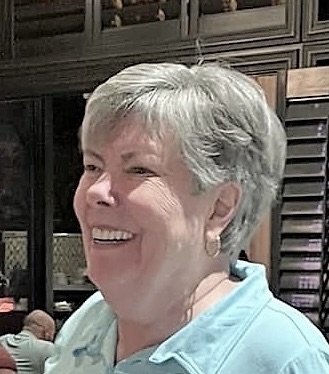
Mary Kenniston’s life in pool is remarkable not only for what she accomplished at the table, but also for the role she continues to play preserving the history of the game itself. A pioneering competitor during the formative years of women’s professional pool, a longtime leader within the Women’s Professional Billiard Association (WPBA), and today one of the sport’s most important photographic historians, Kenniston has spent more than five decades immersed in the world of cue sports.
Born August 8, 1953, Mary grew up on Long Island, New York, spending her early childhood in Amagansett, a small town on the eastern end of the island with family roots stretching back to some of the earliest settlers in the region. From the beginning she stood out as an athlete. A self-described tomboy, Kenniston excelled in nearly every sport she tried. In high school she played varsity field hockey, volleyball, basketball, and softball, and was also active academically—an honors student who played clarinet in the school band, worked on the school newspaper, and participated in extracurricular activities like Girl Scouts.
Basketball was her greatest passion. At six feet tall and blessed with natural coordination, Kenniston earned a basketball scholarship to college in 1971 during a time when opportunities for female athletes were limited and predated the passage of Title IX. But her promising basketball career ended abruptly after a series of serious knee injuries. Forced to step away from competitive sports, she suddenly found herself searching for something to fill the co… Read More