

 Apple Podcasts
 Spotify
 Mary Kenniston - Part 2 (On the Road, Into the Action, and Learning from Buddy Hall)
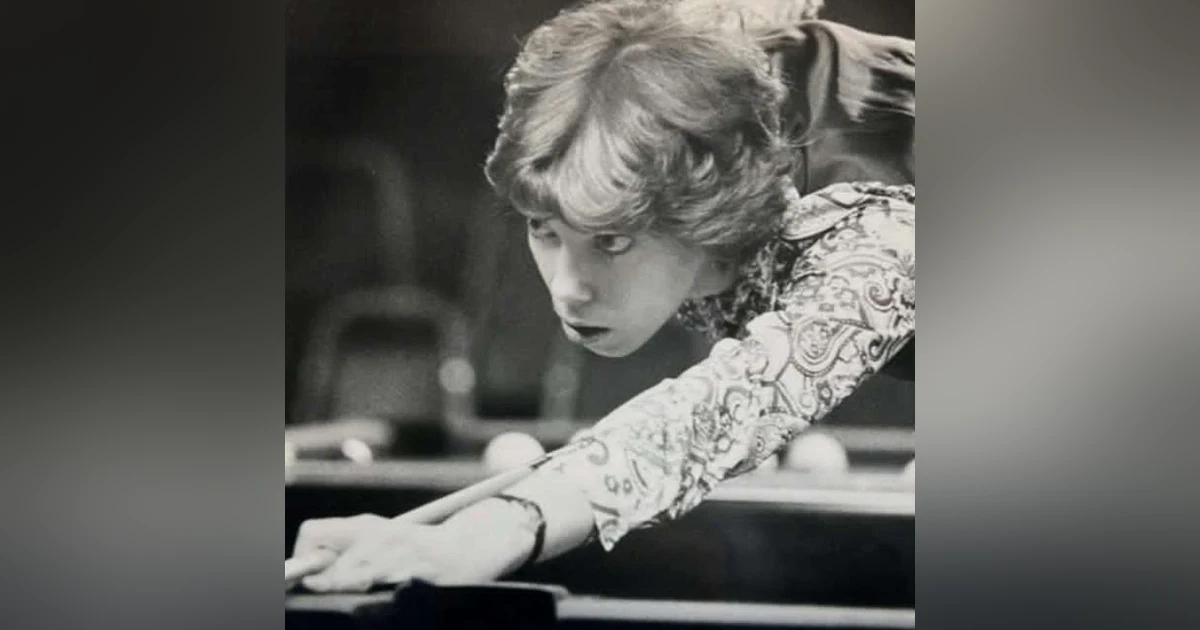

In Part 2 of our conversation with WPBA Hall of Famer Mary Kenniston, the road opens up and the stories get even better.
Mary takes us back to the years just after college, when shorthand, typing, bookkeeping, and supermarket checkout speed hardly seemed like preparation for life in pool — yet all of it formed the determined, sharp-witted competitor she would become. From the earliest days of the women’s game in the Northeast, she recalls a time before a true professional tour existed, when players piled into cars, shared rooms, and relied on the generosity of room owners to create opportunities to compete.
She reflects on the emerging women’s scene, the dominance of Jean Balukas, the rise of LoreeJon, and the close-knit, scrappy environment that helped shape the WPBA in its earliest form. Mary also shares her own role in that history as one of the organization’s first secretary-treasurers.
Then the story shifts from tournaments to the road — and into the action. Mary paints a vivid picture of running through New Jersey, New York, Florida, Oklahoma, and Texas, chasing games, making scores, and learning the realities of pool life in an era when action was everywhere and women players were still a novelty.
At the heart of this episode is a priceless encounter with Buddy Hall. What begins with Mary sharply putting him in his place turns into one of the most important moments of her development as a player, as Buddy helps reshape her fundamentals and elevate her game almost overnight.
This is a wonderful chapter in Mary Kenniston’s story — full of grit, humor, history, and the unforgettable characters who made pool’s golden road years so legendary.
Give Allison, Mark & Mike some feedback via Text.
Follow our show and/or leave a review/rating on:
Our website: https://www.legendsofthecue.com
Apple Podcasts: https://podcasts.apple.com/us/podcast/legends-of-the-cue/id1820520463
Spotify: https://open.spotify.com/show/4Za0IMh2SeNaWEGUHaVcy1
Music by Lyrium.
About
"Legends of the Cue" is a cue sports history podcast featuring interviews with Hall of Fame members, world champions, and influential figures from across the world of cue sports—including pocket billiards, snooker, and carom disciplines such as three-cushion billiards. We highlight the people, places, and moments that have shaped the game—celebrating iconic players, memorable events, historic venues, and the brands that helped define generations of play. With a focus on the positive spirit of the sport, our goal is to create a rich, engaging, and timeless archive of stories that fans can enjoy now and for years to come.
Co-hosted by WPA and BCA Hall of Fame member Allison Fisher and Mosconi Cup player and captain Mark Wilson, Legends of the Cue brings these stories to life—told in the voices of the game’s greatest figures.
Join Allison, Mark and Mike Gonzalez for “Legends of the Cu...
So let's go back to uh graduating from the hinky dinky. Yeah. What other work experiences did you have then coming out of college? Because you had a you did a few different things.
Mary KennistonWell, while I was in high school, my mother made me take shorthand and typing. I didn't want to go to college, even though I was in the college prep courses. I didn't want to go to college because I didn't know what I wanted to be when I grew up. Grew up. I still don't, by the way. Um, I just did, you know, in those days, you know, you had to declare your major and you went to school, you know, to specifically for that. And and so I didn't want to go to college, and my parents really didn't have the money for me to go other than to go at night, work at work during the day and go to a local school at night. And so she made me take shorthand typing and bookkeeping in college, in high school. Hated bookkeeping, but like I say, I was the best typist and the best shorthand you know, out of everybody. I mean, I used to be able to type and I still type pretty fast, but shorthand is, you know, went the age of the dinosaurs. But uh, you know, I used to be able to take shorthand as fast as you could talk and type nearly as fast. So anyway, and my mother always said, you know, she'd always have something to fall back on, you know. So in addition to being a checker at a supermarket, I also worked in her office on nights and week mostly weekends. Well, it depended. She was the medical record administrator for a for a hospital.
Mike GonzalezYeah.
Mary KennistonAnd anyway. So uh I did file clerk work and you know, so typing and you know, that type of thing.
Allison FisherGood experience.
Mary KennistonYeah. Yeah. So between that and working at the supermarket, in those days, you know, um Mike probably remembers this. You know, you didn't there were no scanners. You know, you you picked up the the item and it would have a stamp on the top, and it would like to be in blue. Sticker. Yeah, or a sticker. Yeah, we had stamps. It was 89, and you type in 89, and you have to put the department. It would be grocery or meat or produce or whatever it was. Well, anyway, I never even have to look at the thing. I would just be, you know, so all the women they used to they used to line up, you know, 10 deep because I was so fast, you know.
Mike GonzalezWe were Mary's line. Right.
Mary KennistonAnd you know, and all the other ladies, the you know, they would be going.
Mike Gonzalez89.
Mary KennistonAnd then sometimes they have to look at it again because they couldn't remember from the time they looked at it to the time they typed it in. You know, I mean, so anyway. So like I say, uh I I just was very good at stuff. So like I say, when my starter player pool, it just frustrated the hell out of me. Especially uh, I was always like just behind Gene, too, you know. Yeah, you know, like when she when you know when I could run eight balls, she could run 12. When she could run a rack, I could run 10. When she could run 20, you know, I'd be right behind her, you know.
Allison FisherYou're right. You're what is your age difference to Gene? Do you know?
Mary KennistonI think she's five or six years older than Jean. She was still in high school, maybe a junior or a senior in high school when I first saw her.
Allison FisherRight. Okay. Yeah. Give us some kind of timeline for people to think.
Mary KennistonYeah, I think she's five or six years younger than I am.
Allison FisherSo when you first came out on tour, who were you looking at? Who was there in front of you? Gene. What players? Jean. Just Gene?
Mary KennistonWell, she was the main one, and there wasn't really a tour.
Allison FisherOkay.
Mary KennistonThe WPBA started in Michigan. And then about a year or so later, uh, and it was called the Will Women's Pocket Billiard Alliance. And then they didn't want anything to do with it anymore. So Billy Billing took it over and she renamed it the Women's Professional Billiard Association. I was the first Secretary Treasurer when it was headquartered in New York. We had no tour sort of to speak of. We would just talk billiard room owners into having little tournaments for us. So Cyan Dali Xtat up in New London would have probably one or two a year. Gene's father would have one for us. We'd have one down in Philly. We'd have one in Brooklyn, Ernie Costa's place, Mike Ash's place would have one for us, Laurie John Billiards would have one for us. So we had a little tour, you know, uh six, eight tournaments a year. And we'd all pile into cars and pile into rooms, and uh, you know, and then after a year or so, I met Laurie John's father, John, and John and I used to run around a little bit at night looking for action. He was a pretty good player and uh he liked to gamble, and so and he kept telling me about his daughter, you know, this is before I started playing. We had tournaments, you know. And and he said, Oh, you know, you gotta meet my daughter, you know. She plays pretty good. And I'm thinking, oh Jesus, I don't want to meet your daughter, you know. I mean you know, I really don't like kids, you know. I don't want to meet your daughter, you know. So I kept, you know, like you know, just yeah, okay, what are these days? Well, anyway, I got trapped. And well, it turned out that uh that I ended up liking her. And we used to look a lot alike in those days. I started taking her. He and his he and Gloria, Lori John's parents, they both worked and then they opened the pool room, and so they couldn't take Lori John to all the tournaments. And so I I felt bad. And I said to John, I says, I says, What do you think if I took Lori John with me? You know, I said, I won't let anything happen. He said, Well, let me talk to my wife. And so anyway, he called his wife, and it was like a real short phone call. He says, Mary wants to know if we mind if Laurie John went with her to tournaments. Okay, and he hangs up. He says, Yeah, it's fine. So, anyway, so that's how Lori John and I started going to the tournaments. She was 11, I think, when we started going.
Allison FisherWow.
Mary KennistonAnd uh we'd stop to eat somewhere, and people would think uh we were sisters, or I was her mother. I used to hate that. But anyway, uh, but we looked, we resembled each other a lot in those days. And uh she always says to me now, she says, What were my parents thinking? Letting letting me go with you. I says, I know. Yeah. We had to cross my mind too. We had so much fun. I remember we used to we used to go to New London. We used to have to jump on the the turnpike to get to New London, the tournament new London. And it was toll road. And so anyway, after we we'd go through a couple of the tolls, Laurie John said to me, What happens if because I had it down too. You know, I just really didn't even slow down much, you know. I just throw the quarter in and you know, I had timed and I just, you know, and she just that just fascinated her. And finally she said, Well, what happens if you hit one of those? You know? I said, Well, I don't know. So I made sure that I slowed down just a little bit, so I smacked it, you know, hit it, just bumped in a little bit under the neck. She looked at me under the big eyes. Well, we had a good time. She was all right. Yeah. Yeah. Anyways.
Mike GonzalezWas Jean's uh brother Paul involved back in the early days as well?
Mary KennistonYeah, Jean used to come to the tournaments with her father. And then when she got out of high school, and I guess her brother got out of college, he started traveling with her. And Paul was he was on our board for a while. I think in the late 80s.
Allison FisherWas Fran Krimy involved at that point?
Mary KennistonNo. Well, she she came to the tournaments, but she didn't come to all of them. By the by the late 80s, we started to have tournaments in other places. So she would not come to not gonna say most of the tournaments, didn't come to all of the tournaments, let's put it that way. I think it probably depended on her finances and her judge. She always played in all the ones that were, you know, in the northeast, just like Billy, you know.
Allison FisherWhich sounds like that's where it all started, the Northeast, from what you were saying, all around that area. Yeah.
Mary KennistonUm yeah.
Mike GonzalezI think the the presidency of the organization back then, which was probably 80-ish or so, would have passed from Billy Billing to uh to Frank.
Mary KennistonWent to Fran. Yeah. By that time I was already gone, I'd left. While I was while I was still there in North Jersey, Billy was the president.
Mike GonzalezSo who were the who were some of the other top players as you were getting started on the pro circuit?
Mary KennistonWell, it was uh Gene, of course, and then Gloria was ranked number two, Gloria Walker. Billy was ranked number three.
Mike GonzalezOkay.
Mary KennistonUm Vicky would fly in from Michigan.
Mike GonzalezVicky Paskey.
Mary KennistonYeah. At that time she was Frecken. Her last name was Frecken. And there was Lori John, and then there was Astrid Coyle. She was uh another young girl. She was a couple years older than Laurie John. She but still in high school.
Mike GonzalezShe was Laurie Champeau would have been around, right?
Mary KennistonNo, Lori didn't. Lori, no, not yet. She might have been playing in Detroit, but we never saw her. She didn't show up in our tournaments until. Well, I know she showed up at the McDermott Masters one year, but I was out west in California, so I didn't play in any tournaments, WPBA tournaments, between 80 and McDermott Masters of 84. Because it just wasn't cost effective. You know, Grady called me up all the time. Mary, Mary, come on, you know, just get here. I'll put you in the tournament, and blah, blah, blah. And I just, you know, the airfare was like two, three hundred dollars. You know, we're talking about the eighties, you know.
Allison FisherHow old are you at this point in your career? How old were you?
Mike Gonzalez27 in 1980.
Allison Fisher27.
Mary KennistonYeah, yeah. Okay. And like I said, I was one of the older, I was the eldest, um, good player, decent player, um, for a long time. In fact, even into the 90s, it was Belinda, Peg, and me. We were all born in 1953. And uh I was the youngest of the three. Peg and Belinda had birthdays before us, before me.
Allison FisherYeah. And uh didn't know that that you're all the same age.
Mary KennistonYeah.
Allison FisherSo, so all right then. So put a the women's tour aside, were you running around with the guys now? Yeah, because you mentioned Grady Matthews. So tell me tell us about that introduction.
Mary KennistonAll right. Well, while I was still in New Jersey, by 1979, I had met and became friendly with Bill Hendrickson, who was, you know, he was a good player. He was just under the champions. Solid 100 ball runner. And so he and I, well, actually, I went around to a lot of the pool rooms by myself, but sometimes I would go with Bill, and another person that I would run around with was Tommy Holliday, Doc. And he was the same generation. He was the generation before me. He used to run around with Jersey Red and Ervolino and all those New York guys, you know, black ears. So he used to tell me stories. I love Tommy. He died a few years ago. He used to come out when I lived in California, he used to come out every year for about a month, and we would just run all over LA and just have fun. So I was, I was, I had like a route, you know, and I would play in Pat Fleming's schoolroom in Passaic. And it was kind of funny how I ended up there. My mother said, I came home, I was still living at home, I hadn't gotten an apartment yet. And she says, Oh, she says, you know, I saw in the paper that they just opened a billiard room in Passaic. Yeah, this is where we lived. And I said, Yeah? And she says, Yeah. So I looked, it was a little, you know, one-inch story and gave the address. I said, Oh, I know where that is, because it's in the above the old movie theater. And I said, Oh, I know where that is. So I'll go after supper, I'll go over there. So that's when I first met Pat and Pete and Uncle Andy and all, you know, his father, and you know, so that became like my regular spot. And there was action there. And so I would play. Oh, I remember there's this bot guy named Russell, and he was, you know, he was like the cock of the walk, you know. Anyway, I beat him in a tournament one day and he couldn't stand it.
Mike GonzalezYeah.
Mary KennistonAnd then so I would go to Miseracs in Matutchin. Ray Martin had a pool room in Clifton, although there wasn't much action there. And Paramus, New Jersey, and then when the pool rooms in New Jersey closed down at two in the morning, we'd jump the river and go over to Queens because Queens would stay open late. You know, later on the way home, we'd stop in Chinatown or Little Italy to get something to eat. Well, anyway, so in the winter, a lot of the guys would go to Florida for the winter. And so one day Tommy called me up. He says, It's January. Friggin' cold. He says, What are you doing? It's a Saturday. I says, Nothing. What do you want to do? He says, Well, he says, uh, you want to get something to eat? I said, sure. And so now I used to kidnap Tommy. I'd say, You want to get something to eat? And he'd say, Yeah, and I'd take him to Philly, or you know. You know, so anyway, I get in the car, and so we get on the term on the parkway, and I said, Oh, I'm thinking of myself, oh, we're gonna go to Miser X, you know. So, anyway, we passed Miser X exit, and now we get on the turnpike, and I said, Oh, well, we're going to Philly. Well, we pass Philly, and now we pass the exit for Baltimore turn billions. So I looked at him, I said, Where are we going? He says, And when are we gonna eat?
Mike GonzalezMore importantly.
Mary KennistonSo, anyway, he says, Well, we can stop and get something to eat. So, anyway, long story short, he took me to Florida. And I told him, I said, Why didn't you tell me? Because he kidnapped me. He says, Why didn't you tell me? I would have packed a bag, you know. He's ah, he says, tonight we'll go to the pool room. He says, You can bust the gypsies, and tomorrow I'll take you to the mall and you can get some clothes. That's exactly what I did. That's exactly what I did.
Allison FisherI love it.
Mary KennistonThat was the real beginning of my road days. And it wasn't until the end of the year. Oh, and then I went to the U.S. Open with Bill. And that was my first introduction to all the players that I'd heard Tommy talk about, and you know, Buddy Hall and Jim Rempey. Well, I knew Jim Rempey kind of. But, you know, all the players, Ronnie Allen was there, you know, all these players that I'd heard, all these stories, Keith was there. So I I had a ball, and plus, you know, I ran around all week busting all the girls. And so anyway, I remember, I remember I just finished playing this girl, and there was this guy leaning against the wall watching the whole time. But yeah, I didn't pay any attention because girls were a rarity in those days. Like Alison, you might have a little semblance of that in your in your country. So, you know, I didn't pay any attention to him. So now the girl quits. So I'm, you know, throwing the balls in the tray and getting them putting my cue away. And the guy walks over in the southern drawl and he says, Hey girl, he says, you know, if you knew what you were doing, you might be able to play a little bit. And I my head snapped around. I looked at him now. You gotta remember, I came up in New Jersey around Hopkins and Miserek and Ray Martin and Margot and all these guys. I walked around with hundred dollar bills in my hand, begging for lessons. Miserat told me he didn't have time. Hopkins told me girls would never be able to play. I won't tell you what Ray Martin told me.
Mike GonzalezHe told Laurie John something, didn't he? He told Laurie John that she'd never amount to anything.
Allison FisherYeah, yeah. To stick with playing with dolls or something.
Mary KennistonYeah, yeah, yeah. Well, he didn't tell me to stay with the dolls. He had other ideas. But anyway, oh yeah. So by the time this person said this to me, I'd had it with these guys, you know. And so I just, I just, you know, so I let him have it. I said, you know, I'm so sick and tired of you guys coming up to me and telling me, you know, that I can't play and this and that, blah, blah, blah, you know, just take a effin hike. And he just looked at me. He said, and he goes like this with his head, with nods with his head towards the ladies' room. He says, Is there a mirror in the ladies' room? And I looked at him, I said, What? He says, Is there a mirror in the ladies' room? I said, Yeah. He said, Put your cue back together, go in there, get down on the sink like you were getting on a table, and look in the mirror, he says, and then come back out here and we'll get going. And I kind of looked at him and he went with his head again, you know, like go. So I thought, well, okay, you know. And uh so I walked into the mirror and I got down in front of the sink and I looked up, and I didn't look like other pool players. I was the cue was kind of crossing my eyes, it wasn't directly under them. And my arm was a little crooked, kind of stuck out like heath's a little bit, you know, like a chicken wing. And I thought, damn, you know. And I walked back out and now I'm in shock. He says, Okay, let's get started. He says, Get down on like you're gonna shoot a ball. I said, Okay. He takes his foot and he with his foot and he knocks my back foot back, you know. He says, Open up those legs. He says, You're six feet tall, you can't have your feet real close together like that. He says, and he said, and then he takes my hand and he moves it back to the end of the queue. He says, he says, there, you know, he says, now swing your arm. It felt good, you know. He says, Why you hold why'd you hold it like that? I says, Well, nobody'd ever show me anything. I got Willie Moscone's little red book, and so in the beginning it says how to find the balance point on your queue. And so I did that and I found the balance point, and then I put my hand five or six inches behind that. He says, Well, yeah, he says, that's if you're five foot five, like Moscone is, he says, You're six feet tall. He says, you know, so anyway, then he showed me how to make a bridge, and uh he says, he says, you know, practice this for a while. He says, but becomes second nature, it'll feel strange. He says, now work on you with your game. And I says, okay, thanks, you know, and uh so anyway, I worked, I practiced with that for about an hour, and it started to feel pretty good, you know, and I started to you know be able to see the shots better, and my stroke opened up, you know. Anyway, so anyway, but I was tired because I'd been playing this other girl, you know, and all day long. So I figured I'd go into the tournament room. And and Allie, you probably don't I don't know. By this time it was in hotels by the time you got here. But in the old days, the U.S. Open used to be held in Barry Berman's pool room and he had Q Masters, the old Q Masters. And uh it was a pretty big pool room, I don't know, 20, 25 tables, and they had a tournament room that was attached to it. And I think there were three tables in there, and there were bleachers around, but it didn't seat that many people, you know, maybe 80 people. So anyway, I kind of stood by the door. Being tall, I could see over most people's heads. And uh so anyway, I happened to look, I was looking around in the stands and I caught Alan Hopkins' eye, and he he waived me to sit next to him. So I climbed up there and he moved over. So anyway, by the time I got squared away, I started looking at the matches, and I I knew everybody on the other tables except for this one person, and that was the guy that was just showing me how to hold the cue. And he was and he had just broke the balls and he made a ball, and the cue ball was down near the end rail, a couple inches off the end rail, and the one ball was on the Other end of the table, straight in, and about a foot from the pocket, and the two ball was in the middle diamond down where the cue ball is. There's no way to get back other than to draw your ball. Make the ball and draw your wall back. So anyway, he trudged around the table a couple times, got down on the shot, got up again, trudged around a little more. Finally got down, shot the shot, and the cue ball just stopped. And then, like a second or two later, it went zzz and drew all the way back to the end rail, hit the end rail, and bounced up about a foot and had a perfect angle on the two, and he ran out from there. But anyway, after that shot, the crowd went crazy, right? And I looked and I realized, you know, what a great shot that was. And I turned to Alan. I said, Who's that? He says, That's Buddy Hall. Don't you know Buddy? And I thought, oh my God, I just told off Buddy Hall.
Mike GonzalezOh, that is terrific.
Allison FisherI thought we I wondered if it was going to be Buddy. Yeah.
Mary KennistonSo anyway, we ended up becoming well, we got to know each other better that week, and he spent a lot of time with me on my game. And just in that week, my game just skyrocketed. He wanted me to go on the road with him, but I had I couldn't. I had another tournament to play in. I had the the BCA April Championships were in Louisville. And I had qualified for that. So I had to go to that, and then uh and then I said I was gonna go home. He says, Well, you know, then it was at the end of the year, too. It was Christmas, you know. So anyway.
Mike GonzalezSo what year, what year are we in now? 79.
Allison FisherYeah.
Mary KennistonSo anyway, I went to Louisville, I made it to the finals, played perfect, then dogged my brains out in the finals, and Gloria beat me. It's the first time I'd ever been to the finals in a major tournament. I mean, there were like hundreds of people in the stands. I was like freaked out. I had a chance to beat her too. I scratched three times during that match, gave her a ball in hand, she ran out. In fact, Miserak chewed me out after the match. Because he was pulling.
Allison FisherThose great players you were around.
Mary KennistonWell, I knew I got to know him, you know, I got to hang with them.
Allison FisherYeah, it's fantastic.
Mary KennistonSo I ended up going going home after that, and then I ended up meeting Buddy in Tulsa. And that was that was my first like real. I mean, I'd gone to Florida with Tommy, you know, but that was my first real turn real road trip. My first, you know, I mean, I'm away from home. You know, I'd packed up my apartment and just went to Tulsa. My mother, my parents thought I was nuts. Anyway, I had so much fun there. There was this guy that Fat Randy Wallace and but owned the pool room. And you probably don't know him. I bet Mark knows him. But anyway, he was a maniac, but he played really good. And anyway, it was his pool room. And Buddy didn't want to be bothered running me around to the different spots. So there's this guy that called him Kylie Wyote. Wiley Coyote. And uh back was Kylie Wyote. And uh his last- I can edit that all.
Mike GonzalezI can edit all that, Maurice. You just sound like you're brilliant.
Mary KennistonBut anyway, he took me everywhere. We had so much fun and made money everywhere we went, came home with hundreds every night. I mean, this is back in 1979, 1980, you know. It's brilliant. Oh, so I mean, he just walked in, there was action everywhere, and they all wanted to play the girl because they'd never seen a girl. Well, anyway, so then we he told me, he says, he says, listen, he says, after we, you know, we uh beat all these bars, and he said, Well, I'm gonna take, I'm gonna take you out to that Indian reservation. I says, What Indian reservation? He says, Oh, there's an Indian reservation out of Tahlequah. I said, Oh, okay. I said, Well, why are we gonna go there? He says, Well, there's a couple of Indian girls out there that play pool. He says, So we'll go out there and he says, they'll all bet on her and you can buy spot. I said, Okay. So anyway, so a week or two later we had pretty much burned up the action. And so he said, All right, he says, tomorrow we're gonna go to I'll take you out to Talico. I said, Okay. So on the way, you took the highway and then you made a left. I don't remember the name or number of the high of the road that you made a left on, but there were barbecue joints on each side of the road. Well, I'd never had barbecue before. He said before we left, we'll get something to eat before we you know get to the reservation. I said, okay. So I says, I said, what about these barbecue joints? I see all over the place. Oh, barbecue's good. You never had barbecue? I said, no. I says, he says, well, here we'll stop at one. Well, anyway, we ended up going out to Talacworth like 15 times. And each time we try a different barbecue joint. I mean, every one of them was as good or better than the next. I mean, I just to this day I love barbecue. Okay, so we went out there and and like he said, we busted, we won a lot of money out there. We won a thousand, fifteen hundred dollars, which was big money, you know, in those days.
Allison FisherYeah, that's huge.
Mary KennistonAnd uh and had a ball, you know. And uh so we went back two or three times and you know, made a thousand bucks each time until they wouldn't play anymore. And they wouldn't even take spots. And because I offered to spot them. So then I started playing some of the Indian guys. And so we ended up going out there almost every night for like ten days. And uh, you know, buddy loved it, he didn't have to do anything, you know. So anyway, one night he says, All right, next day we're going, we're gonna go to Houston. I said, Okay, and anyway, so then we went down there, and and that's when I met Blackie, New York Blackie. And uh so I ran around with the two of them all over Houston, and like Mark said, there was so much action in Houston. And uh we were both down there around the same time, too. But most of the time it was just Blackie and I. Buddy would only come out once in a while. We'd go over to the house to get him, and he said, Well, you know, and I'd say, Well, how come you know you never want to come with us or you don't want to go on the road, you know? And he had this big fishbowl on on his coffee table. And he pointed at us. It was filled with joints. He'd roll the joints whenever he made a score. Whenever he made a score, he'd, you know, he'd come home. And I watched him do this one night. Yeah, and he'd clean out all the stems and the seeds, and and he's you know, very meticulous, you know. And then he'd roll them all and throw them in the fishbowl. Roll it one other one, throw it in the fishbowl. And you know, by the time he got done, you know, that big fishbowl you know, would be full. And you know, anybody that came in could just go to the fishbowl and just light one up, you know. Somebody pointed to the fishbowl. He says, You see that over there? I says, Yeah, and he said, When that's empty, then we'll go. He was lazy. Laziest pool player I ever met in my life. So sometimes the three of us would go on the road together, and sometimes it was just Blackie and I, you know, depending on what the status of the fishbowl was. You know. I mean it was just it was just the weirdest thing. Yep. Yep. That's definitely the ball.
Allison FisherThank you for listening to another episode of Legends of the Cube. If you like what you hear, wherever you listen to a podcast, including Apple and Spotify, please follow, subscribe, and spread the word. Give our podcast a five-star rating and a share of thoughts. Visit our website and support our full history projects. Until our next golden break with more Legends of the Cube, along everybody.
Pool Professional
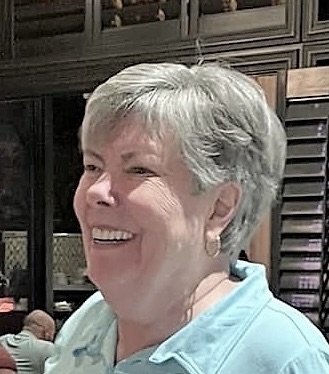
Mary Kenniston’s life in pool is remarkable not only for what she accomplished at the table, but also for the role she continues to play preserving the history of the game itself. A pioneering competitor during the formative years of women’s professional pool, a longtime leader within the Women’s Professional Billiard Association (WPBA), and today one of the sport’s most important photographic historians, Kenniston has spent more than five decades immersed in the world of cue sports.
Born August 8, 1953, Mary grew up on Long Island, New York, spending her early childhood in Amagansett, a small town on the eastern end of the island with family roots stretching back to some of the earliest settlers in the region. From the beginning she stood out as an athlete. A self-described tomboy, Kenniston excelled in nearly every sport she tried. In high school she played varsity field hockey, volleyball, basketball, and softball, and was also active academically—an honors student who played clarinet in the school band, worked on the school newspaper, and participated in extracurricular activities like Girl Scouts.
Basketball was her greatest passion. At six feet tall and blessed with natural coordination, Kenniston earned a basketball scholarship to college in 1971 during a time when opportunities for female athletes were limited and predated the passage of Title IX. But her promising basketball career ended abruptly after a series of serious knee injuries. Forced to step away from competitive sports, she suddenly found herself searching for something to fill the co… Read More