

 Apple Podcasts
 Spotify
 Mary Kenniston - Part 3 (Grady, the Road, and the Spot Book)
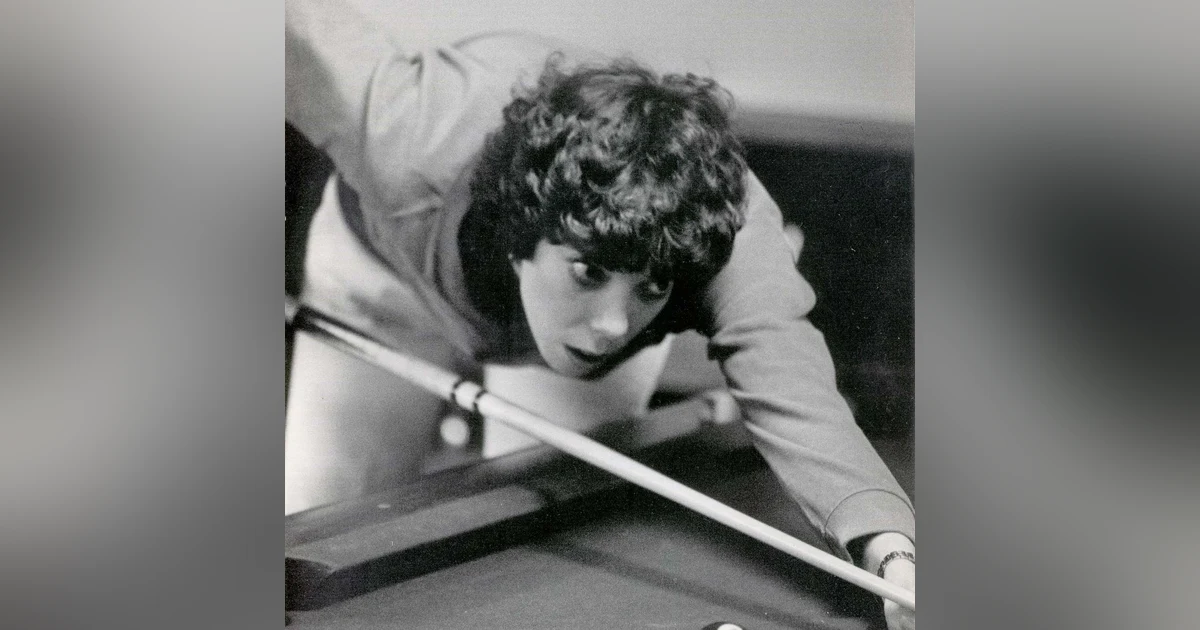

In Part 3 of our conversation with WPBA Hall of Famer Mary Kenniston, the stories get even richer as she takes us deeper into pool’s road era—when instinct, nerve, and a well-kept spot book could mean the difference between surviving and going broke.
Mary shares her unforgettable friendship with the late Grady Mathews, from first meeting him in New Jersey to their daily phone calls during his final illness. Along the way, she paints a vivid portrait of Grady’s charm, intelligence, and larger-than-life presence, while Allison Fisher adds her own memories of traveling with “The Professor” on a whirlwind exhibition tour.
From there, Mary takes us on the road to Alabama, where backroom action, firehouse games, and a fired-up competitive streak produced some of her most memorable gambling stories. She recalls beating seasoned players, handling herself in a man’s world, and using anger as fuel to bring out her best game. She also reflects on a pivotal turning point in her life—how a failed job opportunity sent her back toward Norfolk, the U.S. Open, and ultimately a life built around pool.
This episode also opens a fascinating window into the hidden mechanics of road play: the handful of women out there matching up, the coded knowledge players carried from town to town, and the legendary “little black books” that tracked rooms, players, stakes, and weaknesses across the country. Mary even shares how that knowledge later helped top pros find action of their own.
And just when you think the episode couldn’t deliver one more great tale, Mary introduces us to Bucktooth—a millionaire jeweler, poolroom owner, and action-maker who could create a gambling scene out of thin air.
It’s a funny, revealing, and deeply authentic chapter in the life of one of pool’s great storytellers and archivists.
Give Allison, Mark & Mike some feedback via Text.
Follow our show and/or leave a review/rating on:
Our website: https://www.legendsofthecue.com
Apple Podcasts: https://podcasts.apple.com/us/podcast/legends-of-the-cue/id1820520463
Spotify: https://open.spotify.com/show/4Za0IMh2SeNaWEGUHaVcy1
Music by Lyrium.
About
"Legends of the Cue" is a cue sports history podcast featuring interviews with Hall of Fame members, world champions, and influential figures from across the world of cue sports—including pocket billiards, snooker, and carom disciplines such as three-cushion billiards. We highlight the people, places, and moments that have shaped the game—celebrating iconic players, memorable events, historic venues, and the brands that helped define generations of play. With a focus on the positive spirit of the sport, our goal is to create a rich, engaging, and timeless archive of stories that fans can enjoy now and for years to come.
Co-hosted by WPA and BCA Hall of Fame member Allison Fisher and Mosconi Cup player and captain Mark Wilson, Legends of the Cue brings these stories to life—told in the voices of the game’s greatest figures.
Join Allison, Mark and Mike Gonzalez for “Legends of the Cu...
When did Grady come into the picture? Was he around when I was a good one?
Mary KennistonWell, I first met Grady when I was still in New Jersey. I had heard from a friend that there was a road player in town. And so I went down to Miserac's pool room to see who, see if I knew him. And I had met Grady at that US Open. So I knew him. So I ended up taking Grady around a little bit. Ellison started to smile because she knows the fungi lied to this. So I took uh Grady around. I remember we pulled up in front of the Queen's pool room, and it was all plate grass in the front, so you could see who was in there, you know. So I pointed out a three guys. I says, you know, see that guy there in the orange shirt? Yeah, see that guy in the red? See that guy in the white pants? Don't play those guys. They're the best players. You know, you play everybody else, save them for last. Well, buddy, he just marches right in, walks right up to one of them and and asks him to play. But anyway, so so anyway, one of the I think it was the last night he was gonna be in town or whatever. I dropped him off in front of his. What I was doing is I was meeting him at the pool room. And I had to drop him off at his motel room. That's what it was. And I thought to myself, oh Jesus, I know he's gonna ask me to go inside, and I don't want to go inside with him. Sure enough, he did. And so anyway, I managed to get out of it. Well, anyway, over the years, he always asked me, you know, if I would have gone, you know, gone in the room with him, you know, and I always told him, I says, uh, you'll never know. You'll never know. Anyway, so but he was we talked every day when he was real sick and he was dying of cancer. I'd call him every day. And sometimes we talked for 10, 15 minutes, and sometimes he'd just be 10 seconds, you know. I just, you know, I love you and right hung up. So Allie went to see him and uh and he asked Allie, he'd just ask Mary if she if I asked her again if she would have come in the room with me. This is Dallas, what do you think? Poor great. He was a great guy. He was a great guy. In fact, I think I told you this, but he asked me about you, Allison, before you and he went on the uh on your tour. Yeah. Asked me what I thought of you. And I says, Well, obviously she's a great player. He says, Yeah, but her personality, I says, you'll love her. She's got a great sense of humor, she's smart. I says, You'll have a blast with her. And he he asked me for recommendations quite a few times over the years.
Allison FisherYeah. He was a guy, I really had a fantastic time with him.
Mary KennistonI knew you would.
Allison FisherYou know, and I didn't really know him from Adam at the beginning, you know. He just marched into Mother's billiard parlour in Charlotte one day in a suit, and he was wearing a suit, all nicely dressed, marched in and made what he you know, said to me, Well, I want to go on a tour with you. I'm like, okay. Um, we're gonna do 31 stops, he submitted to be okay, we're gonna do it within six weeks, and I will get make this happen, I will advertise it. And and he did. And we did most of that, I think 21 stops. Yeah, unbelievable. And what an intelligent guy. I mean, he used to do New York New York Times crossbird every day. Yeah, he'd do that. He'd he'd love his Dunkin' Donuts. We'd do every day.
Mary KennistonWe used to play Scrabble.
Allison FisherI didn't know, I'd love to have done that. I would like to have played him at Scrabble. I think we would have had fun with that.
Mary KennistonI used to play Scrabble with him. Uh that's another story. But uh great guy though. Yeah, never beat him playing Scrabble, and I played pretty good.
Allison FisherYeah.
Mary KennistonYeah.
Mike GonzalezMary, who who were you who were you traveling with down in Alabama when you played the fire chief?
Mary KennistonOh, that was Buddy. Yeah, Blackie couldn't come. Yeah, that was that was yeah. We're in we all had Blackie and I met Buddy in Alabama. They had a tournament. I'm blanking out of the city right now. The girls got four games on the wire. And I wasn't gonna play in the tournament because we didn't have enough money for all three of us to play. And so the the Miller Light, local Miller Light distributor, saw me playing. He came up to me and introduced himself. He said, Are you playing in the tournament? I said, No, I says, you know, I think the interview is like 500 bucks or something, it's ridiculous. And uh he says, Well, why not? So I told him, and he says, Well, I'll put you in if you want. He says, on one condition. I says, Well, what's that? And I'm thinking, oh, you want to go to bed, right? I mean, that was always the, you know, always. It was always ends there. Always, always there. And uh so I said, What? He says, You gotta wear my shirts. I said, Well, of course I'll wear your shirts.
Mike GonzalezI was like, Yeah.
Mary KennistonYeah, well, anyway, so uh so there was a there was quite a few women in the tournament. There was Jerry Titcombe, Lori Champeau was there, Carla Johnson, several other girls that I didn't know. June Hager, she was there from Texas. Anyway, we all got four games on the wire, and there was a guy that I knew from Houston, Rusty Brandemeyer. He owns the APA League in uh Kansas City or somewhere, but anyway, it was he was one of the better players. So after I won my first match, I go to the board to see what my next match was, and I'm standing behind Rusty, and somebody asked Rusty who was his next match, and he just points at the board, and so I just looked, and it was me, right? And uh he's and he and so everybody laughed. He says, Yeah, he says, I gotta buy.
Allison FisherOoh, never say that.
Mary KennistonI dusted his ass. And I wish you did after that. I beat him, I beat him without the spot. I beat him like 11 or three or something, right? And uh so anyway, I went over to Shaker's hand and I and I didn't let go of it. And uh I didn't let go of it and bang over, and I just tell all your friends that the bye beat you. That you just did.
Allison FisherYeah, and you enjoy those moments.
Mary KennistonI always played my best pool when I was furious.
Allison FisherYeah. They don't realize it's gonna fire you up, though, do they?
Mike GonzalezYeah, okay.
Mary KennistonSo I finished just out of the money. Blackie and Buddy got in the money and got stiffed. Got kicked off with all the money. Really? Yeah.
Mike GonzalezNot the not the first time that it happened, probably.
Mary KennistonOh no. It's the first time I'd never played a tournament though that it happened. You know, there were several other men's tournaments. I heard about one in Burlington where they got stiff. So Blackie went back, I mean, Buddy went back to Houston and Blackie and I we run into squirrel, Tusca was a squirrel while we were in Birmingham. So of course they knew each other, so squirrel told just bring the girl to Tuscaloosa. She's a girl, yeah. Well, it was only very and he used to like to have peanuts. That's why they called him the squirrel. He always had peanuts, and he's always that's how he's yeah, yeah.
Mike GonzalezYeah.
Mary KennistonHe says, Bring the girl to Tuscaloosa, take her to the firehouse. Chief's got a girlfriend that that thinks she can play. He stakes her. So I said, okay, so we worked our way to Tuscaloosa. And like I say, in those days, you just stop in any bar and you can, you know, I would just walk in and say, Who wants to play Mr. Ninewell? And they kill themselves, you know, get to the table. And uh and I just came out firing, never had a hustle. Just, you know, because and most of the time I'd win, you know. Played real good on the bar table with the big cue ball. Allison, you probably never saw the big cue ball on the bar tables. But you had to muscle it around the table. You had to have a big stroke, which I did. And buddy actually was uh uh what's his name? Blanket on his name. Anyway, I'll think of it. Taught me how to draw my cue ball with the with the big ball. So by the time we got to Tuscaloosa, we you know, it was like early evening, so we went to the firehouse and and walked in and they had I never I never realized that all these firehouses had pool tables in them. But anyway, this place had a bar box, a nine-footer, and a billiard table.
Mike GonzalezOh my, your tax dollars at work there.
Mary KennistonYeah, well, you know, in those days, I don't know about most places, but you know, they would work shifts. You know, they'd work like 24 hours a day for four days, and then they'd be off for four days, and then the other people would come in. So you know they had to have something to do, you know. Sure, yeah. Play cards and monopolies.
Mike GonzalezNice setup, though.
Mary KennistonYeah, oh yeah. Nice setup. Yeah. Well, anyway, so so we went in there and fire chief wasn't there, of course, but uh one of the guys called up the chief and he came in with the girlfriend, and we were playing on the bar table, and we were playing five dollars on the nine. I mean five dollars on the five and ten dollars on the nine. Well, she couldn't play, you know, so I just toyed with her. And so I made it a I made it a game where I just always tried to shit the five ball in or make the combination. One game I made it six times before I made the nine. It was just fun, you know, and Flocky was just oh no, that was Buddy. That was right. Flocky had to go back to Houston, so Buddy took me to Tuskwassa. That's right. So he's just sitting there handling the money, you know. And so anyway, so finally, the after, you know, I don't know, $1,500, $2,000, fire chief just snatches the cue out of the girl's hand. Give her that cue, and he's gonna play, you get your ass up there, so I beat him too. And uh so now I had to play, because you know, he could play a little bit, you know. So I had to, you know, so I drilled him. And so he turns around and me, I've had enough of you. He says, I'll play your, but I'll play your steak horse song. Excuse me, buddy.
Mike GonzalezOh my anyway out of the frying pan into the fire.
Mary KennistonSo anyway, buddy says, Oh, you know, I don't play, she just plays anyway. He stalled and stalled and stalled anyway. So we ended up we ended up winning about five, six thousand dollars there.
Mike GonzalezNice, yeah. So during these times then, just so our listeners understand, uh, were you no longer gainfully employed and you were pretty much focused on pool as a yeah, okay, okay.
Mary KennistonNo, I had gotten, I was selling yellow pages in New Jersey. I was the first woman to sell yellow pages. They didn't want to hire me, but they were kind of forced to. And so they were really mean to me. And uh, like you had to go through a month of training, and the the teacher was just really snotty to me. And most of the guys were too. There's always a couple of guys that were friendly, but most of the guys, you know, because in those days, you know, you were taking a job away from a man that was part of his family, you know. I didn't care. All that did was make me just bear down harder. I wasn't there but three or four months, and they I got salesman of the month. And then I got it the next month, and the third month that I got it, I made him change it to salesperson of the month. Yeah, and they didn't like it. Oh, by the way, Tommy D. Lorenzo and I I don't know if you know Tommy. All right, he was he's a good player. And he's out in Phoenix now. But anyway, he had he was working there and we used to sneak off in the middle of the day to go pool play pool in the daytime. But while I was working at Yellow Pages, one of my customers was Purelator. And I don't know if I know Mike's shaken on his head. I don't know if you heard of it, Alley. Anyway, Purelator was gonna go into the business of they were like pre-FedEx. They were just gonna start business.
Mike GonzalezYes.
Mary KennistonAnd so the guy I had this guy as my account two or three years in a row. The third time I went there, he wanted me to come work for him at Pirillator, and he he gave me my choice of counties, North Jersey counties. So I picked Bergen because that was the most populous, and you know, and so he says, okay. He says start in two weeks. And I was really excited because there's a chance to get in on the ground floor and uh, you know. Anyway, long story short, about ten days into the two weeks, I get a phone call from well, I got a letter, that's what it was. Didn't even have the nerve to didn't even have the courage to tell me that uh anyway, the job fell through. I don't know why it fell through. So now I had already told Yellow Pages that I wasn't gonna work there anymore. And and I offered two weeks' notice, like was standard in those days, and they said, no, no, just pack up your stuff. So I was thrilled because now I could just go play fool, you know.
Mike GonzalezOff you off you go to Norfolk.
Mary KennistonAnd that's when I went down to Norfolk.
Mike GonzalezYeah, for the for the US Open with Bill.
Mary KennistonThat's when I went down there. So if I'd have taken that job with Purillator, uh you know, my life would have changed very differently.
Mike GonzalezYeah, so from then on it was pool as a means of income. It was all pool related.
Mary KennistonAll pool.
Mike GonzalezAnd uh, like I say, there wasn't a were there other women out hustling like you were at the time?
Mary KennistonReally, there was Belinda was out there.
Mike GonzalezOh, yeah.
Mary KennistonBelinda was out there. She was mostly around Texas. In fact, when I first got to Houston, she came marching in like her do a sort of thing. That's Bearden.
Mike GonzalezBeard, okay. Yeah, gotcha.
Mary KennistonWhat's her name now? She married Oh Calhoun. Calhoun. Calhoun's campus was her maiden name, and then she was Beardon, and then she's Calhoun. But she was out there. And uh there was a girl named Cass, her name was Georgiana Castile, and she played pretty good on the bar box, and she was out there, and Jerry Tatum gambled some, but she was mostly in her pool room. She she and her husband had a pool room in Cincinnati area, so they so she wouldn't you know if you went there you played. And and apparently Laurie Champeau was a couple of years after that. She started, you know, she was younger than I am too.
Mike GonzalezRight.
Mary KennistonSo it was basically me and Belinda and Cash. And there were a couple of girls in Oklahoma, there was Sandy Chamberlain, I think, and I don't know, blanking out of the names, but anyway, it was mostly the three of us.
Mike GonzalezYeah, so in terms of timing then, Mayor, um, did the internet interrupt your ability to stay under the radar across the country or did that come a little bit later? At that time. No, no, I know that. I know that. And so you were able to stay pretty nondescript as you traveled.
Mark WilsonYeah.
Allison FisherHow did you keep a track of didn't people have little black books and we all had spot books? Made notes. Oh, yeah.
Mary KennistonWhenever you'd run into another player, you know, you'd go to the Waffle House or somewhere or the room, you know, and you'd compare books, you know, and you'd tell you, and they were very itemized. I'm sure Grady had one.
Mike GonzalezAnd um by city, by hall, by player.
Mary KennistonName of the place, names of the guys, how they played, what they'd bet, how much they'd lose, who the stakehorse was. Um testing. Oh, yeah. I gave my spot book to Kim Davenport. I had my pool room by then. And this is 90-ish, maybe early 90s, and he came in and he stayed a couple days. He said, Well, I'm gonna hit the road. I said, Where are you going? He says, I don't know. I says, I says, let me run home. He said, Come on, take a ride with me, run home. I said, I'll go get my spot book. I says, now it's you know, uh only it's a few years out of date. I says, but I know that he said, Oh, hell yeah. So we went to my house, I got my spot book, and uh anyway, he made a lot of money. That's fascinating, isn't it?
Allison FisherI would love to be able to do it.
Mike GonzalezDoes that still exist anywhere?
Mary KennistonMy book? No.
Mike GonzalezYeah.
Mary KennistonWhat happened to it?
Mike GonzalezOh, yeah.
Allison FisherKim's got it somewhere, Kim Davenport.
Mary KennistonYeah, no, he gave it back to me. Oh, did he? Yeah, he gave it back to me when he came back six, eight months later. Yeah. Yeah.
Mark WilsonYeah.
Allison FisherHow much do you think how much do you think roughly you might have won gambling over the years?
Mike GonzalezJust for fun net.
Mary KennistonI don't know. It's hard to say.
Allison FisherBut you did pretty good, you did pretty well and you had a great time.
Mary KennistonYeah, and the thing was though, is that the expenses ate you up.
Mike GonzalezYeah.
Mary KennistonEven in those days, you know, the room would be like 30-ish a night. And I'm not talking about Holiday Inns or Milton's or you know, nicer places. I'm just talking about regular motels.
Mark WilsonYeah.
Mary KennistonYou know, 30-ish a night, and then you're eating out three or four times a day.
Mike GonzalezYes.
Mary KennistonAnd then uh and then you know, the wear and tear in your car, you know, uh gas.
Mike GonzalezYeah. Oh yeah.
Mary KennistonUh, you know, so it it we I figured out that it averaged you we had to make about a hundred a day to break even.
Mike GonzalezWow.
Mary KennistonYou know, taking into consideration, you know, buying tires, fixing the car. Uh sometimes you couldn't get that $30 room, you had to pay a hundred, like in New Orleans.
Allison FisherRight.
Mary KennistonWe used to stay at the La Quinta, and that was $85 a night.
Allison FisherMm-hmm.
Mary KennistonYou know, and uh boy, what an experience.
Allison FisherYeah, I was gonna say the experience of it. I almost wish I'd done that a little bit in my time.
Mary KennistonOh, you would have loved it.
Mark WilsonYou would have loved it.
Allison FisherSomebody said to me before I came over to America, don't go straight in the tournaments. Yeah, get a hold of such and touch and go around and gamble.
Mary KennistonYeah, yeah.
Allison FisherI didn't do it, but yeah, it would have been fun.
Mary KennistonYeah, well, by the time you got here in the mid, you had Nate game in '95. By the time you got here, action was kind of on the downhill side. You know. Well, the tournaments were probably more of out there, weren't they? Right. The men had, you know, a lot of tournaments, depending on which tour was operational at the time. And the women had the WPBA Classic Tour, and we always had a dozen tournaments a year, plus the World Championships, the American Tournament Masters. So we used to have like 15 tournaments a year. You know, 12 of our.
Allison FisherSo there was a lot going on then. Yeah, so and that was the time that the men were playing alongside the women, wasn't it?
Mary KennistonNo, the men and the women. Men and the women played together until 1993.
Allison FisherOkay, then it separated.
Mary KennistonYes. Actually we had the 92.
Allison FisherSo you were playing in those events when you were playing with the guys.
Mary KennistonWell and then you started playing the tour. I was on the road. I was on the road in 80, 81, and then I ended up in Northern California and I worked for Bucktooth. That's another story. And then moved back to LA.
Allison FisherBucktooth.
Mary KennistonYeah.
Allison FisherI guess he sucked his thumb when he was a kid.
Mark WilsonI don't know.
Mike GonzalezOr wives tale.
Mary KennistonHave you ever met him? No.
Mike GonzalezNot that I know of.
Mary KennistonOh, I'll send you. Well, I'll send you a picture of him, and you can tell me why that you think they called him Bucktooth.
Mike GonzalezAnd and what's and what's the stu what's the story there now that you kind of led us right into that?
Mary KennistonOkay. Well, we gotta backtrack a little bit. Ended up out in LA. And uh and we ended up going to Richie Florence's tournament. It's Caesar's tournament.
Mike GonzalezAnd and and what what what year and who's we?
Mary KennistonThis is uh 82. Blackie and I drove up there.
Mike GonzalezGotcha.
Mary KennistonAnd one of the first people that I ran into, which Richie Florence, who I knew from LA, he was the promoter of the event. And they were still setting up tables, and the room was pretty much empty, and Blackie saw a bunch of people he knew. And so he you know, we just we always just went our own ways. And uh so anyway, I walked over to Richie, said hi, and so we started talking, and then Ronnie Allen came over and we'd talk. Well, anyway, so now I hear this voice. And this booming voice, and they all the guys started laughing. And I turned around. And now I recognized Tooth because I had seen him in 1980 at the World Pro Am that Richie won. And barking and playing Allen Hopkins that turned out to be they worked the crowd real good. My friend Tommy Holiday told me, yeah, don't bet on this one, stay away from this one. I said, okay. It turned out to be business, which you know, they were just working the crowd. So it was Bucktooth, and he was marching over, you know, and you know, real loud. So I was Richie introduces me to him. He says, Mary, you know Bucktooth, right? And I said, No, I I so I just I didn't say anything about fans before. So I was introduced to him. Wait, so then Richie got called away and Ronnie went his own way. Anyway, so Bucktooth and I just started talking. We talked for about a half an hour, and he said, uh, I'm hungry. You hungry? And I says, I says, Yeah, I could eat. And uh he says, Come on, let's go eat. And now I don't know anything about him, you know, but I figure we're gonna eat in the hotel, so I don't have to worry about it. And so I says, Well, let me see if I'm here with Blackie, let me see if Blackie wants to eat. He says, Blackie's here, you know. Anyway, so we went over and they talked a little bit. Blackie didn't want to go eat, so it's just tooth and eye. Well, we ended up eating, and we probably talked an hour and a half, two hours. Well, it turned out I think it ended up that I was his dinner partner. Every night when he'd want to go eat, he'd come looking for me. And I didn't I loved going to eat because it turned out he's a multimillionaire. So, you know, he told me to order up, so I just had lobster and everything I wanted every night of the week. Plus, the conversation was good. Um, on the last night, I go to thank him. I look for him and I spot him, and I go to thank him for dinner, and I said, I'll see you somewhere down the road. And he reaches in his pocket and he hands me a business card, and I look at it, and it just says Lamco, you know, with a street address and a phone number. He says, Uh, this is my jewelry store. He says, uh, when are you tired of this road? He says, Come see me, so I'll teach you the jewelry business. And I looked at him and said, Really? He said, Yeah. Well, anyway, I just he said he said close Sunday and Monday. And he says, Okay, well, Tuesday morning, I was on his doorstep. And uh he says, he's I expected to see you. But before I started, he says, Listen, now this was around Christmas time, which is the busiest time of year for him. And he said he really didn't have time to teach me the business, but he had a pool room that he says his nephew was running it into the ground. He says he wanted to take uh get Freddie out of there and put me in to run it. Then after the first of the year, he teached me the business. He said, Okay. So it was in Castro Valley, California, which was about 15, 20 minutes. Beautiful town. Anyway, so black you know, and it turned out they had like a studio apartment upstairs. So I had a place to stay, you know.
Mike GonzalezPerfect.
Mary KennistonYeah, it was perfect. Well, so we opened the pool room the next day at 11. Never saw us all except for the mailman. Turned out that, you know, once everybody found out that Freddie wasn't gonna be there, nobody would come because they were dealing drugs out of there and everything else, you know. Well, after like the fourth day of nobody coming in, I called Tooth. I said, listen, I said, uh, you know, I'm bored to death. He said, uh, he says, listen, he says, can you hang in till Saturday night? He says, after I close this door, I says, I'll come over and we'll figure something out. I said, okay. So it was like Thursday or Friday. So he comes over on Saturday night. And so I told him, he says, Yeah, I expected that. He says, Can you just hang in for another week? I says, Yeah. And then he looks at me, he says, You still you have a sprack book? And I looked at him, I says, Yeah, I do. He's upstairs. You go go go go get it. I go upstairs and I get it, and I hand it to him. And I had phone numbers of all the players in the first few pages of the book, you know, and in those days nobody had cell phones, so sometimes it was the pool room phone number or mom's phone number or the wife's phone number, or you know, whatever. But so he's Ronnie Allen there. So uh he he he calls Ronnie. He says, Ronnie, Tooth. Ronnie's, and I can hear Ronnie on the other end. Tooth, how you doing? He says, What's up? He said, Man, tooth says, he says, You gotta come up here. He says, There's so much action you wouldn't believe it. And I looked at him and Tooth, you know, like that's fantastic. And Ronnie says, Well, who's there? Tooth says, Oh, shit's here. Grady and Kim, and he just rattled off, you know, like a dozen names.
Mike GonzalezOh, the book.
Mary KennistonYeah, looking at the book, yeah. He knew a lot of the players too, you know. Ronnie says, Well, he's I can't get up there until Monday. He says, I'll pick you up at the airport. Then he calls up Grady. He says, Grady, you gotta get up here. Grady says, Well, who's there? He says, Ronnie, and then he rattles up when he did this with like eight or ten players. He says, Guarantee you we'll have action tomorrow. Well, the next day they started coming in. And by this time, you know, Ronnie and Grady and Kim and all the other people that he called Dixon was there, Keith. You know, they're all there. And they had all told some of their people, and so they had to work the car load with them. Well, anyway, the place was packed, and we had so much action. I mean, you just created action out of thin air. And that's when I met Grady for the second time, and we started anyway. So now get down to where it was just Grady and Flyboy were the last two. This is after like a month, and they're playing a one pocket on the front table, and Grady finally busts Flyboy, and Flyboy asks me to call Tooth, get Tooth on the phone. I said, Okay, so I get Tooth on the phone, and Flyboy wants to borrow some money. So Tooth says, I'll be right down. So he ends up uh giving Tooth some Tooth give ends up giving Flyboy some money and and he stays and he watches the game. And anyway, he's Flyboy goes through, you know, the couple of thousand that that uh he loaned him, and now he wants more. And Tooth's not gonna give him any more. And he told him that. And he says, uh he said, Well, listen, he says, I got a cash register in my trunk. He says, I got a cash register in my trunk. He says the state of the art with all the bells and the whistles. And Mike might might remember these. We had one in my pool room. I mean, it had everything on it. I mean, it did everything from white to butt. And uh Tooth goes outside to the parking lot to look at this tooth cash register, and it's fresh in the box, you know, and they look at it when he was keeping. And they were expensive, you know, they were one for like two thousand in those days. So Tooth gave them a thousand bucks on it. Guarantee you, Tooth still has that cash register. Guarantee it. But that's where so Grady ended up staying, you know, for a while. We had another room upstairs, so he ended up sleeping up there. And we'd we'd do the crossword puzzle and uh we'd play scrabble. That's how I really got to know Grady.
Allison FisherThat's a great story. Thank you for listening to another episode of Legends of the Cube. If you like what you hear, wherever you listen to your podcast, including Apple and Spotify, please follow, subscribe, and spread the word. Give our podcast a five-star rating and share your thoughts. Visit our website and support our full history projects. Until our next golden break with more Legends of the Cube, so long, everybody.
Pool Professional
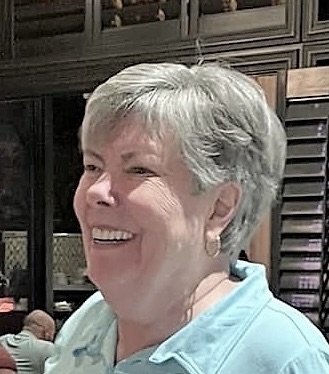
Mary Kenniston’s life in pool is remarkable not only for what she accomplished at the table, but also for the role she continues to play preserving the history of the game itself. A pioneering competitor during the formative years of women’s professional pool, a longtime leader within the Women’s Professional Billiard Association (WPBA), and today one of the sport’s most important photographic historians, Kenniston has spent more than five decades immersed in the world of cue sports.
Born August 8, 1953, Mary grew up on Long Island, New York, spending her early childhood in Amagansett, a small town on the eastern end of the island with family roots stretching back to some of the earliest settlers in the region. From the beginning she stood out as an athlete. A self-described tomboy, Kenniston excelled in nearly every sport she tried. In high school she played varsity field hockey, volleyball, basketball, and softball, and was also active academically—an honors student who played clarinet in the school band, worked on the school newspaper, and participated in extracurricular activities like Girl Scouts.
Basketball was her greatest passion. At six feet tall and blessed with natural coordination, Kenniston earned a basketball scholarship to college in 1971 during a time when opportunities for female athletes were limited and predated the passage of Title IX. But her promising basketball career ended abruptly after a series of serious knee injuries. Forced to step away from competitive sports, she suddenly found herself searching for something to fill the co… Read More