

 Apple Podcasts
 Spotify
 Mary Kenniston - Part 6 (Cue-Topia, the Wall of Fame, and a Comeback from the Unthinkable)
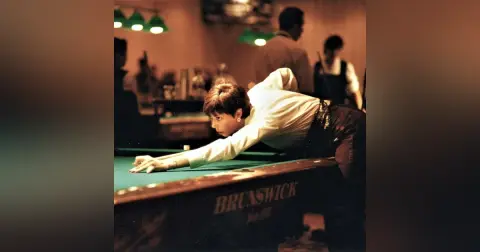
In Episode 6 of our seven-part conversation with WPBA Hall of Famer Mary Kenniston, the story moves from championship pool to one of the most beloved rooms in the game’s history—and then to a life-altering challenge that few champions ever face.
Mary reflects on the late 1980s, when she stepped away from the tour at the height of her powers to open Cue-Topia in Las Vegas. What began simply as a place for players to gather soon became something legendary. Inspired by a Philadelphia poolroom whose walls were covered with snapshots of the game’s greats, Mary began building her own Wall of Fame—hundreds of photographs celebrating the personalities and champions who passed through her doors. Soon, players from around the world were making Cue-Topia a must-visit stop, spending hours studying the photos and reliving the stories behind them.
Along the way, Mary shares remarkable memories of the game’s icons—late-night conversations with Willie Mosconi, reflections on Ralph Greenleaf’s brilliance, and encounters with road players and champions who defined an era when reputation—and action—mattered more than publicity.
Even while running the room, Mary proved she still had the champion’s touch, returning to tournament play and capturing major titles including the 1989 Brunswick World Open Nine-Ball Championship.
But this episode also reveals one of the most dramatic chapters of her life. After a medical crisis that led to emergency brain surgery and partial paralysis, Mary faced a devastating prognosis. Doctors warned she might never walk again. What followed was a test of willpower, resilience, and the same competitive fire that made her one of the game’s elite.
From building a gathering place for pool’s legends to battling back from a life-threatening setback, this chapter of Mary Kenniston’s story is unforgettable—raw, inspiring, and deeply human.
It’s another remarkable installment in the life story of one of pool’s most respected champions.
Give Allison, Mark & Mike some feedback via Text.
Follow our show and/or leave a review/rating on:
Our website: https://www.legendsofthecue.com
Apple Podcasts: https://podcasts.apple.com/us/podcast/legends-of-the-cue/id1820520463
Spotify: https://open.spotify.com/show/4Za0IMh2SeNaWEGUHaVcy1
Music by Lyrium.
About
"Legends of the Cue" is a cue sports history podcast featuring interviews with Hall of Fame members, world champions, and influential figures from across the world of cue sports—including pocket billiards, snooker, and carom disciplines such as three-cushion billiards. We highlight the people, places, and moments that have shaped the game—celebrating iconic players, memorable events, historic venues, and the brands that helped define generations of play. With a focus on the positive spirit of the sport, our goal is to create a rich, engaging, and timeless archive of stories that fans can enjoy now and for years to come.
Co-hosted by WPA and BCA Hall of Fame member Allison Fisher and Mosconi Cup player and captain Mark Wilson, Legends of the Cue brings these stories to life—told in the voices of the game’s greatest figures.
Join Allison, Mark and Mike Gonzalez for “Legends of the Cu...
In 87, I guess 88. You were in Vegas at that time, were you in that model based?
Mary KennistonFor 20 years.
Mike GonzalezUm and so was it about 1988 that Qtopia happened?
Mary KennistonYeah. Yeah. I won a few tournaments in 1987. And it came down to the last tournament of the year. It was between Lori John and I, who was going to win Player of the Year. And we were at Allen's tournament at the Super Billiards Expo in Valley Forge. And I play was playing so good that tournament. And I beat her like 9-4, 9-3 for the hot seat. And so now I go to bed. I woke up the next day, sick as a dog. I had the flu. I was so sick. And I was, you know, mentally I was sick too because, you know, I was going to beat Laurie John to get player of the year. And I dragged myself down there and I just beat me that match, and she became player of the year that year. I was ranked number two at that time. And then I took time off to open the pool room. And then get it going. We opened the pool room in July of 88. And uh and I gotta, you know, we were never in the never in the red, right from the first day, you know, we were we were in the black. And uh, you know, the reason we opened the pool room is Vegas didn't have a decent pool room. You know, we opened the pool room because we wanted a place for us to hang around, a decent place for us to hang around, you know. And the other pool rooms were, you know, not so nice.
Mike GonzalezAt some point you uh added your wall of fame. How long did that take to get that started?
Mary KennistonWell, I had some, a few pictures. Now, by this time I'm rooming with Sherry Stock of Pool and Billion Magazine. And so I had, you know, a few pictures, you know, that I wanted to put on the walls, but I remember at that tournament in Philadelphia at the uh Boulevard Athletic Club was the name of the place. Upstairs they had a pool room. And Mike Fusco, the owner, no relation to to Jimmy and them, Jimmy and Petey. But the walls were filled with photos. Most of them were Polaroid photos or snapshots, and he had pictures of Marcone from when Moscone was a kid and Jimmy Karas, and I remember, and just hundreds of pictures. And I remember every time I would go, I would just look at the pictures, and you know, because I started going down there on the weekends because they were open 24-7. So when Mike found out that I was going back and forth to New Jersey, you know, it was a two-hour drive to get home, he gave me a key to his house and said, Stay in my guest rooms, you know, so you don't have to run back and forth. So now I'm down there, you know, from Friday night when I got off work till Monday morning when I was going driving back to work from the pool room. So I would get down there and just look at the pictures, and sometimes Mike would be slow and he'd tell me stories behind the pictures. And after I beat Gene, I went down to the back to the pool room. And Mike says, Mary, Mary, he says, uh, I got a few new pictures up over there. They're over there on the wall somewhere. I said, Oh, okay. And I walked over there, and so I'm looking at the pictures, and I see a picture of me, and I had taken my stick and held it straight up in the air after I beat Gene. And uh I always wonder what happened to that picture. I had made the wall with, you know, Moscone and you know, all the great players. I was so excited. So I always thought to myself, if I ever had a pool room, that I put everybody's pictures on the wall, right? So now I have a pool room, so I took the few pictures that I had and I put them up, but I asked Sherry, I said, Sherry, I says, Do you have any pictures that I can have? You know, because she had the magazine, you know. And and she says, Sally, yeah. She says, uh, she says, we have a tournament in Chicago next month. She says, stay an extra day or two, you can stay at my house. And he says, we'll go over to the office and you can she's I got file cabinets full of them. I said, really? I says, yeah, she says, you can take whatever you want. So anyway, so we go to her office. She was right, she had file cabinets full of pictures. They were just dumped in there. I mean, just not in files, you know, just dumped in these file cabinets. I picked out a few hundred of the photos that I wanted. And I said, She told me, take whatever you want. By the time I got them all up on the walls, there was around 300 of them. And it became famous. Because, you know, players would come from all over the world. Because at that time, now Vegas was starting to have tournaments, you know, two, three times a year. So players from all over big tournaments, so players from all over the world would come. And there were only really two pool rooms that they would go to, the Q Club and my place. And and I remember Paul Gurney walking around looking at finally he comes to the counter. And so, you know, it would take you a couple hours to walk around and look at them all, you know, because some of them were snapshots. And he comes, he says, he says, How come you don't have a picture of me on the wall? And I looked at him, I says, because I don't have one. I said, Send me one, I'll put you up. He said, Oh, okay. Meanwhile, he fed X me one the next day.
Mike GonzalezOvernight.
Mary KennistonYeah, you overnight in me one. Yeah. So anyway, love you fall.
Mike GonzalezThat's cute.
Mary KennistonYeah. And another time Jean Pelucas's mother came in and I looked at her. And in my pool room, we had two sides to it. One side was candy tables. They're all nine-footers, candy tables with monstrous pockets. I got them from Laurie John's parents. They were uh candy dealers. And then on the other side of the room, I had an I had an elevated bar area. And if you weren't a 21, you weren't allowed up there because you know, we sold beer and wine. And we had the machines up there too. Swap poker machines. So you weren't allowed up there if you were not 21. You had the bar on one side, and then the other side was a was a shelf, you know, table height shelf, with chairs pushed up underneath it, and you could sit there and you could look down into the players' area, and you know, we had tight go crayons on that side. So that was the action side of the pool room. And so I'm down there hitting balls with Monk one one day, and uh and I you know the door opens, and I saw this older woman walk in, and I thought to myself, she looks familiar, you know. So she walks around, and you know, I see her looking at the pictures, and you know, but you know, I forgot about her, and then she finally ends up over by my table, and she's still up on the platform, and then I realized who she was. It was Jean's mother, Jean Beluchas' mother. And I said, Oh, hi, I said, How are you? I said, I thought you looked familiar. She says, Yes, hi Mary, how are you? And so we made some small talk. She says, Do you have any pictures of Jean on the wall? I said, Of course I do. And so I had I had a few of her on the wall. And so, and I knew about where they were, you know, because I had them in different spots. So I took her around and showed her the pictures and I took a picture of her in front of one of her pictures of her daughter. And you know, one of the one of the things that I regret is that so many players came through the doors of that pool room, and I was so stupid. I never, I hardly ever took any pictures of me with them. And I knew I knew all the old timers, you know, Fats and Lassiter, and you know, and I was friendly with all of them. Willie Moscone used to seek me out and he'd sidle up to me, you know. He wasn't very big, you know, and he'd sidle up. He'd uh say, Mary, he says, You want to share a bottle of wine with me after the tournament's over? I said, sure. He loved to drink. I didn't drink, you know. I'd sit there and nurse my my uh wine glass all night, he'd polish off the bottle. But we'd sit in the bar all night. But you know, and people would come by, some would sit down for a few minutes, you know, and I loved it. Because, you know, uh, and I got him to tell stories, and I asked him once, who was the best player, excluding yourself. Who was the best player you ever saw? And he answered, including myself. He says, No contest, Ralph Greenleaf. I said, Really? He says, Yeah, he says, When he was sober, he says, even when he was drunk, he was better than the rest of us. I said, Wow. You know, he died young. I think he was 50 when he died.
Mike GonzalezHe had a little Keith McCready arm action too, didn't he? He was a sidewinder.
Mary KennistonYeah, probably because he started when he was young. Because, you know, today they put him on boxes. In fact, Lori John, you know, she started when she was young, but her father had built a riser around the table that went so that she didn't have she could swing her arm normally.
Mike GonzalezYou talk about Moscone mentioning Ralph Greenleaf. It's just a a reminder to all of us that uh, you know, we all think we were we know who the greatest is because that's who we witnessed as the greatest. But long before they came along, there were a hell of a lot of fine players.
Mary KennistonWell, an example of this is I just saw online onepocket.org is is have voting for who who gets in the hall there, one pocket hall of fame this year. And they had half a dozen people, and and they had Irvine, Johnny Irvellino, and anyway, two other players. I can't remember, but old timers, and then the other three or four were current players, one of them was Tony Chohan. And the majority of the votes, three out of 75% of the votes were for Tony. And it's just like you're saying most of these players, I mean Johnny Irvellino is a great player. Uh he used to play in my pool room six months a year, you know, and and then, you know, when it was warm and then when it got when well actually when it was cold back east, he would come to Vegas and play in my pool room. He was a great player. Even at his at in his in his old age. I mean, uh nobody would play him, even. Nobody. And uh it's a shame, isn't it?
Allison FisherIt gets lost.
Mary KennistonSo I voted for Johnny because I knew him and I knew how good he played, but everybody else, you know, they don't know who uh these players are, they're just names. Even if they heard him, they never saw him play, but they see Tony play.
Allison FisherYeah, yeah, and there's no record of their video, you know, not enough.
Mary KennistonUh-uh.
Allison FisherNo, the like you're saying about being photographed. It was not as easy to photograph either. Now it's easy to do it selfie.
Mary KennistonWell, in those days, nobody wanted their picture taken. Well, Mark will tell you, nobody wanted their picture taken in those days because it killed your action. In fact, in fact, a couple of years ago at Derby City Classic, I ran into Patchyeye, who I had known, an old black player, who I knew from Philadelphia. Jimmy Fuscoe introduced me to him years ago. I'm talking about the mid-70s. And I saw Patch, and I hadn't seen him in such a long time. So we sat down and talked. And I asked him, I says, Do you mind if I take a picture of you? And he looked at me. He says, Well, he says, I tell most people no, he says, but you can. He says, but don't let anybody see it until after I die. Because he was still out there, even though everybody knew him. He was still sneaking up on people. You know? Oh my. After he passed away, when I did a write-up for him, I posted the pictures that I had taken of him.
Mike GonzalezWell, Mary, you know, with Qtopia and your Wall of Fame, of course you started something, you realize that. And uh the story comes full circle with what you've been doing the last few years, which we will come to, but why don't we finish some of your other playing career and and road stories? Talk about the decision you made of ultimately to sort of hang it up from competitive pool, and then we'll get everybody sort of current to uh current day Mary. And and I'm really anxious to talk to you about your archivist role that you've taken on with the with the pool picks. But so let's go let let's go back. Uh Qtopia, of course, opens in 88. You mentioned it was open for quite a while, always in the black, which is good. But you were still playing competitively. As a matter of fact, in 1989, you won the Brunswick World Open Nine Ball Championship.
Mary KennistonI hadn't played in any tournaments. I I I stopped playing in March of '88. I played in one tournament. I played in Vegas. Steve Tipton called me up. And he says, uh, you know, because it was invitational. It was only 16 players and took the top 60, and I could play in it. So I says, yeah, all right, I'll play in it. But then that was the only tournament I played in in 1988 after I opened the pool room. And then the following year he calls me up again. I'm still in the top eight. You know, it finally dropped down to number eight. And he says, you know, you're still in if you want to play. And I says, Ah, because I hadn't been playing, I've been working, you know. He he talked me into it, and I ended up winning it. And then the following month they had a tournament in Phoenix in Scottsdale, and I won that one. That was the McDermott Masters. The McDermott Masters. So anyway, I was back. And then uh and then it was weird. I just I never, even though I it just was hard to well, Ali could tell you this, it's hard to to maintain your focus, you know, from one tournament to the next, you know. It's uh Yeah. Uh, you know, and and and by this time, my focus was not totally pool. And I think that I won those two tournaments mostly because I had, you know, hometown crowds pulling for me. You know, whereas when I went to some of the other tournaments, you know, it just and I and I my my life was just not focused on tournament pull like it used to be. And and then and then I got pregnant in '93. I did play in one tournament in 1991. It was the last call of nine ball, last call for nine ball. And it was run by Jack Johnston, who ran the ones that they had in the mid-80s.
Mike GonzalezIn in Vegas.
Mary KennistonHe was living in Vegas now. He was running one of the casinos there, uh, The Sands. And so he talked the Adelsons into running a tournament. But he wanted to try out a format that he'd been thinking about for a long time. And the format, it was nine ball, but the format was if you miss, you get your opponent gets a ball in hand. And uh anyway, so I was the only girl that entered. And uh there was like 188 people in the tournament or something like that. I'm doing pretty good in the tournament, and then I finally lost, lost in Walter Glass in 9-8. So I went to the loser side. My next match was Francisco Galindo, and he was a lot of people don't know of him, but he was one of the top Mexican players in LA. He just didn't travel a lot. I mean, he played as good as Ernesto and Moro, and you know, if not better. He missed the nine ball, his case nine ball. And so I kept ball on hand and I made the nine, and I think the score was now it was like it was supposed to be eight. No, you're supposed to win nine six. So now it's eight, seven. And I had a combination on in the next game, early combination, like a three-nine or something. I made that, so now it's eight eight. And Dennis Hatch is walking by and he hollers at me, go Mary, go, Mary. You know, so you know, I'm like all excited, yeah. Well, I'm trying, you know. So anyway, I end up winning the next match, and I knock Francisco out of the tournament. And then next game, I win the match, and Dennis is, you know, he's oh, that a girl, is that a girl? Good. So I go to the board to see who my see when my next match is, and it's Dennis Hatch. So I looked at him, I says, You, you little, you know, I won't say what I call him. I said, you know, and uh what are you calling? So he laughed, right? So anyway, I said I'm gonna beat you too. But anyway, and I did. But as a as I'm as I'm beating Dennis, Keith walks by and he sees, you know, he looks at the score and he sees I'm on the hill. He says, Go mary, what am I your next match if I win? He says, Yup. So I beat Dennis. So now I gotta pay Keith. Now we're down to like the last, I don't know, 15 players, 16 players, you know. So now but it's loser side, so now I go to play Keith, and it's 8-8, and I couldn't, I couldn't get out, and I played a hook on him, and he had to kick five rails to make this ball, to hit the ball, and he did. He stood there looking at it, looking at it, looking at it, and then he says, he says, Okay, mayor, here you here goes. And he hit the ball and he went five rails and hit the one, hit the ball that he was supposed to hit and and hit me knocked me safe. And I hit the ball next, but I sold out and he won the match. I think I finished ninth through twelfth in that turnaround. I was the only female in the tournament. And it was funny too, because Dennis, you know, when he first, when he was a kid, 15 or 16, Billy and Cardona staked me to play him on the bar box with the big cue ball. And then Dennis was giving me the seven. And well, anyway, he couldn't win. Uh so I ended up by the time we played even, I had broken him down, you know, where it's and I beat him even, even though I wasn't supposed to at that time. Because even at 15, he was a very good player. Every time he sees me, you know, he says, There's my idol, there's my idol, and we laugh because uh sweet. Yeah. Yeah.
Mike GonzalezWell, you had a you had a few more wins than you on the tour. You won twice in 1993, the the Baltimore Billiards Classic and the Hubler Hughes Seattle Classic, and then another win in 94 at the Pool and Billiard magazine, Detroit.
Mary KennistonUntil I won in in 93, I was pregnant. That's when I became a guerrino. I wasn't getting married, yeah. But now I'm pregnant and I didn't want to. So anyway, I got married. Ava stood up for me. Yeah, I said I I scheduled our wedding. You can get married in Vegas anytime you want. So Ava used to have a lot of exhibitions in Vegas. So some of the people, some of the her people that she worked for, companies that she worked for, would just write her a check. And she would, you know, was responsible for making her own travel arrangements and hotel rooms. So anyway, I told her, well, look, I says, whenever you get a check, you stay at my house and save the you know the hotel money, you know. And I says, and I'll run you back and forth to your exhibition. So that's what she did. So anyway, so I called her, I said, uh, when's your next exhibition? When are you going to be in town? She says, the weekend of February 20th. I said, okay, will you stand up for me? I'm getting married. She'd laugh. She says, sure. You know, anyway, because we were real good friends back in those days, anyway. And uh so Emma, I remember we went to one of those wedding chapels, and she's standing next to me, and I looked over at her, and we both started to laugh, but we couldn't laugh out loud, right? And we laughed to ourselves uncontrollably the whole ceremony. And Freddie and Jerry Match and his best man just kept looking at us, you know, and we just laughed the whole mess. But meanwhile, I told Ava later, I said, you know, I was standing there, I knew I was gonna get divorced.
Allison FisherOh my goodness.
Mary KennistonYou know, I mean, I was here, I knew I was gonna, you know. But so in 1993, I was pregnant, and I don't know how it is today, but in those days, it seemed like whenever any of us were pregnant, we'd win tournaments. Well, that's because you stayed down on the ball, you know, you're hard to get up, right? Yeah. You know, Laurie John had a streak when you know the three times she was pregnant, and uh Robin. So I'm pregnant, I have one too. And and in fact, in Seattle, they had a a baby shower for me. And that was pretty cool. It was a sper total surprise because I didn't know. So I won the tournament and then and I couldn't figure out why Freddie wanted to come with me, you know, but they had called Freddie and he had come with me to help me carry all the to the airport. And then I didn't win another tournament until ninety-four, but I wasn't pregnant. And then in ninety-five was when I had we were all in Minnesota in Minneapolis. And I had come in third in that tournament. I lost 9-8 to Laurie John and 9-8 to Vivian. Laurie John ended up winning the tournament. And on the way home on the plane, I I had had a cold all weekend, you know, and sinus infection, the whole thing. And, you know, on the planes, you know, when I have a cold or a sinus infection, I always my ears would be popping in and out. Well, this time I had this really intense pain, you know, when we got up to altitude, I had this really intense pain right here between my eyes. And I spent the whole flight, three and a half hours, with the heel of my hand just pressing on, you know, between my eyes, and I couldn't wait until, you know, you know, when you hit those mountains when you come into Vegas, you get turbulence, and I knew I was almost home and I couldn't wait. I finally get down, almost ready to land, and I feel and I hear this little tiny, just this little pop. And my headache eased. And I thought, oh, thank God, you know, and I just attribute it to just not being on the plane anymore, right? So now Freddy's at the waiting for me, so I get in the car. And I says, uh, damned this thing just happened to me. And I told him, you know. The next day, the headache's back. Now Danielle is little, she's only a year, a little over. I think she was gonna be two in May. So this is March. So she's little. In fact, before I left, I told Freddie we gotta get her a real bed, you know, because she's climbing out of her crib and uh the plan when we got home. So the next day I woke up with this real bad headache, and I took some Excedrin PMs and woke up and called Freddie. And I said, You gotta come home. I gotta go to the doctor. Well, I mean, I was healthy in those days. I didn't have a doctor, you know. So I just went to one of those clinics, emergency clinics. And I finally, you know, I had to wait like two hours. Finally saw the doctor. He says, Oh, you have a sinus infection. He says, My wife has one too right now. He says, Here. He says, I'll give you uh antibiotics and a pain pill. He says, You ever take a LORTAB before? I says, uh, no. He's well anyway, LORTAB, take that, you know, as needed. I said, Okay. So I stopped at the pharmacy on the way home, had to wait an hour to get it filled, went home. Freddie went back to the pool room, and I went to bed. You know, it's nighttime, Danielle's already asleep. And I take the pills and I go to bed. And I woke up the next morning, I I heard her hollering. And you know, we had a big house at that time, and she's on the other side of the house. I hear her hollering. And I go to stand up, and it was like I was drunk. You know, I just had no balance and my head was spinning, and and so I managed to stagger down to the her bedroom and get her out of the crib and stick her, you know, feeder, and and then I just passed out on the couch. And a couple hours later, I guess it was around noon, Freddie woke up, comes out, and he sees me laying on the couch, and he, uh, what are you doing? Swacking, you know, and uh, you know, we were on the rocks by this time anyway, because zero help. And uh, so like you said, some zero, Mark. Yeah, some zero help. I mean, he used to, you know, I needed if I needed to get my hair cut, you know, he'd like if I wasn't home in 45 minutes, he'd be uh calling. So uh, so he gets up and he sees me on the couch, and he he slack it, and I kind of woke up, and and anyway, then he saw the vomit. Apparently I had vomited and this and that. And like I say, I'm vaguely remembering ending up, but I remember Freddie hollering at me, where are the pills? How many of those damn pills did you take? Like I'm a dope, you know, I'm gonna take more than what's it's and I remember going to the hospital and they finally pick, and they saw I'd only taken one of each. And anyway, I ended up, all I remember is laying on that hard ER bed in the hall. And then next thing I remember is waking up in a hospital room. And when I woke up, I could see I was in the hospital. You know, and I kind of looked around and I remember Freddie was there, my mother was there, and Julie Nojek was there. Julie was my best friend at that time. And I woke up and I see them all, and I said, What happened? So Freddie blurts out, you had brain surgery. And so, so you know, just you know, I just I just reached up to touch my head and I couldn't move my arm. I couldn't get my arm up. And they're all looking at me like they're petrified, right? And I'm thinking, oh, Jesus. So I tried to wiggle my toes, can't do that. So then I go to the left side, and I could, you know, I could move my arm, but it was hard. But I, you know, reached up just instinctively just to touch my head, you know. They probably put me in a medical coma because I was in the in the it was now three and a half weeks had gone by, and I finally woke up. And uh and I'm half paralyzed. So they moved me into a regular room because I was in intensive care. So after I woke up, they moved me to a regular room. And the next morning I hear my mother and I was sleeping, and I had the room to myself, and I remember waking up, and my mother and Freddie were standing outside the door talking to another person who I figured by the conversation it was my doctor. And the doctor's explaining to them that he was the one that did the brain surgery, and he said that uh she's lucky to be alive, but she'll be probably be in a wheelchair the rest of her life, and blah, blah, blah. And Freddie, you know, as brilliant as he was, oh, I guess that's she's not gonna be able to play pool anymore. You know, it's just so stupid. Anyway, even, you know, in the bad shape I was, that's what went through my head, you know. My mother's like, oh my god, that'll break her heart. From that minute on, I wouldn't let the nurses do anything for me. I wouldn't let I mean I was just furious, just angry. You know, why did this happen to me? And you know, I mean, I was you know, I'm still ranked like two or three now. If I'd have won that tournament, I would have been number one. I mean, I'm just furious. The next day they took me to rehab, and it was like probably like what do they call that? Boot camp? Boot camp in the army? When you were in boot camp at 6 a.m., they flip the lights on and tell you to get dressed. Breakfast is at eight. And you know, I had to not be in a morning. And now I can't, you know, I'm like still half mostly paralyzed, and uh so it would take me a good two hours to get dressed because they would not help. And the only thing they would do is they'd come after you were dressed, you could press the buzzer, and they'd come and they'd help you into the wheelchair. Now, by this time, Sunrise Hospital's pretty big, but everybody that worked there knew about me, you know, that uh because I was half-assed famous in Vegas. Every year they'd do a their obligatory uh story in the newspaper on me. And you know, the word had gone out and uh everybody in the place knew I was a pool player. So this old guy that was sitting down a couple seats down across from me, he said, Do you want Qtopia? I says, Yeah, he says, My son plays there. He says, You must be the the girl that he talks about all the time that plays so good. I says, Yeah, that's me. And uh so anyway, so we got talking. He says, So the next day he comes in, he says, Do you know Earl Strickland? I says, Yeah, I know Earl. I says, he he and he used to have exhibitions in Vegas a lot too, and he would come to the pool room in the middle of the night because he'd do his exhibition, then play golf, and then come in the pool room to practice in the middle of the night for a couple hours. And he liked to come in the middle of the night because nobody'd be there, you know, and so I would practice with it. In fact, he showed me how to jump with my full cue one night, you know, back when nobody was you know had jump cues. I said, Yeah, I know Earl. And I said, In fact, uh, I think he's he's gonna be in town soon. And so sure enough, I get a phone call a couple days later. It's our and says, Hi Mary. I said, hi. I said, Who's this? He says, This is your buddy. I didn't want to play you. I said, Oh, I got lots of buddies. Who is this? He says, It's Earl. I said, Oh, hi, Earl. He says, I heard you're in the hospital because I want to come see you. I said, Oh, okay. He says, When do you want to come? I says, now. I says, Oh, I says, Well, I'm gonna be eating dinner. He says, All right, he says, I'll find you. And I said, Okay. So he shows up while we're all eating, trying to eat our dinners. And I swear he looked like he stepped out of G Hugh magazine. He was wearing a navy blue suit with you know with subtle pinstripes. He had a nice tie with a little white handkerchief in the pocket. He had a big teddy bear, a big white teddy bear with a red ribbon around his neck and and flowers, roses, yellow roses. And in his other hand, he has a briefcase. And he gives me the, you know, he's anyway, the bear and the flowers, of course, are for me. And he pulls up a chair and I introduce him to the table. Now, by this time, now the whole pool, the whole place, you know, when we have dinner, now all they want to do is talk to me about pool, which is okay. Uh it's better than silence, you know. So they all knew of Earl Strickland. I said, Earl, I said, uh, this man down here, uh, I said, his son is a big fan. He says, Oh, he says he is. He says, Well, what's his name? And he opens up his briefcase and he's got a stack of photos like this high in the eight by tens. You know, he says, What's his name? And he takes out a sharpie and he anyway, he signed autographs for everybody. And then and then dinner was over, and so he he wheels me back to my room, and he ended up sitting there just talking. And whatever I just nod my head or say yeah, or laugh or whatever. He talked for four hours and finally I told him, I said, Earl, you gotta go. He said, Okay, mayor, okay. You know, but meanwhile, he's the only one that came to see me.
Allison FisherThat's lovely, isn't it, that you visited. He's a very sweet host.
Mary KennistonI was in that rehab center for 11 or 12 days. They had a pool table in there. They made me play pool twice a day out of a wheelchair. And all the people that worked in the rehab unit, they would come and play me. And and I gotta tell you, you know, a few years later I played practiced with uh Aaron Aaron Aragon, the real good wheelchair player from California. He played real good. I never beat him, even when I was standing, right? I had to play position to be close to the reel, you know, because otherwise I had to use a bridge. And I never learned how to use a bridge because I never had to use it because I was six feet tall. Six feet tall. And I could shoot, you know, it used to be skinny in those days, so you know, I could shoot behind my back. There were only three shots on the table that I couldn't reach, and I knew where they were, so I never left myself there, you know. And so the only time I would ever have to use a bridge is if somebody else left me there, you know. I played these guys, the nurses and the doctors every, you know, twice a day for the whole time I was in there. And it was really hard. We play eight ball because that's all I knew how to play. And uh, well, they couldn't play, but that's the only game they knew. And uh meanwhile, I I beat every one of them when I used to tease them, say tees and team when you guys were like, I cripple beat you.
Allison FisherThank you for listening to another episode of Legends of the Cube. If you like what you hear, wherever you listen to a podcast, including Apple and Spotify, please follow, subscribe, and spread the word. Give our podcast a five-star writing Hall Sky. Our website is the call Horgery. And to our next golden break with more legends of the Knowledge.
Pool Professional
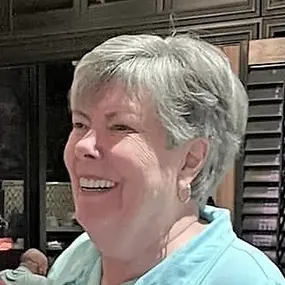
Mary Kenniston’s life in pool is remarkable not only for what she accomplished at the table, but also for the role she continues to play preserving the history of the game itself. A pioneering competitor during the formative years of women’s professional pool, a longtime leader within the Women’s Professional Billiard Association (WPBA), and today one of the sport’s most important photographic historians, Kenniston has spent more than five decades immersed in the world of cue sports.
Born August 8, 1953, Mary grew up on Long Island, New York, spending her early childhood in Amagansett, a small town on the eastern end of the island with family roots stretching back to some of the earliest settlers in the region. From the beginning she stood out as an athlete. A self-described tomboy, Kenniston excelled in nearly every sport she tried. In high school she played varsity field hockey, volleyball, basketball, and softball, and was also active academically—an honors student who played clarinet in the school band, worked on the school newspaper, and participated in extracurricular activities like Girl Scouts.
Basketball was her greatest passion. At six feet tall and blessed with natural coordination, Kenniston earned a basketball scholarship to college in 1971 during a time when opportunities for female athletes were limited and predated the passage of Title IX. But her promising basketball career ended abruptly after a series of serious knee injuries. Forced to step away from competitive sports, she suddenly found herself searching for something to fill the co… Read More