

 Apple Podcasts
 Spotify
 Mike Massey - Part 1 (From Tennessee Hustler to Pool’s Greatest Showman)
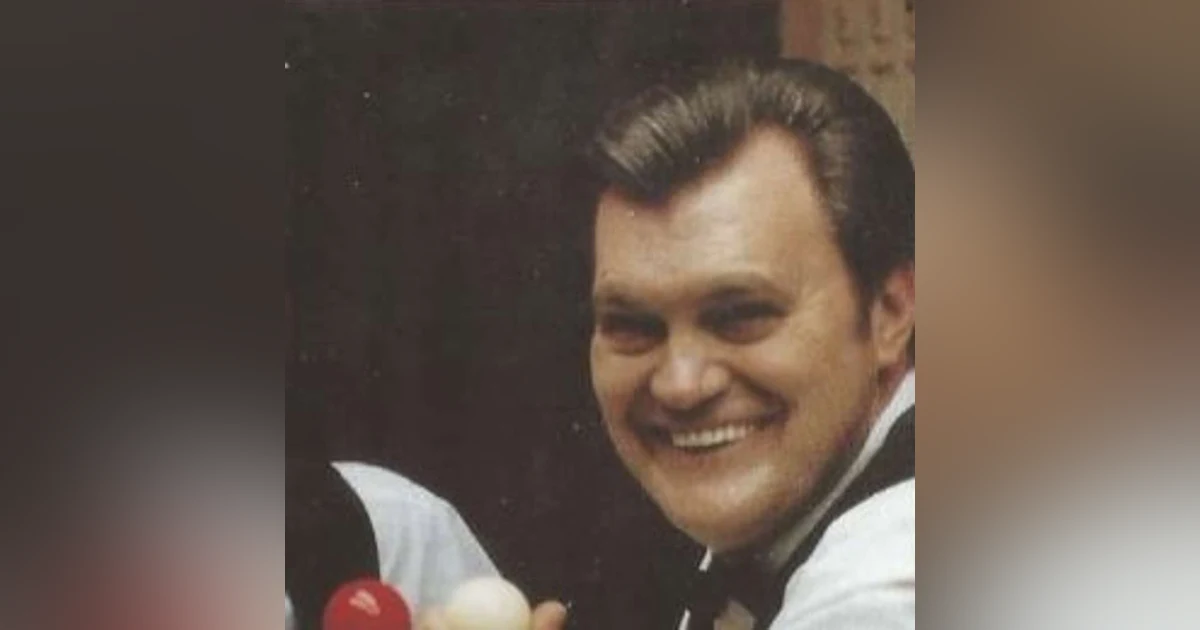

In this opening installment of Legends of the Cue, we sit down with one of the most colorful and compelling figures the game of pool has ever known—Mike “Tennessee Tarzan” Massey. Widely celebrated as the greatest trick shot artist of all time, Massey is also a fierce competitor, a winner of major nine-ball titles, and a Hall of Fame member whose story reaches far beyond the table.
Mike Gonzalez, Allison Fisher, and Mark Wilson guide the conversation as Massey begins to recount a remarkable life shaped by hardship, hustle, and resilience. From a turbulent childhood in Loudon, Tennessee—marked by poverty, addiction in the family, and a precocious turn to gambling—to discovering an almost instinctive gift for pool as a teenager, Massey’s early story is raw, unfiltered, and unforgettable.
Listeners will hear how, at just 17, he joined the military and found himself winning tournaments across Europe while painting murals for his battalion. From there, he hit the road, navigating the dangerous, high-stakes world of hustling in bars and backrooms across America. Along the way, he crossed paths with legendary gamblers like Titanic Thompson, faced life-threatening encounters, and endured battles with drugs that nearly consumed him.
This episode doesn’t shy away from the darker chapters of Massey’s journey, but it also sets the stage for the redemption, faith, and triumphs to come. His candid storytelling offers a rare glimpse into the hidden corners of pool’s underworld and the resilience it takes to rise from it.
Join us for Part One of this four-part series as Mike Massey begins to share his extraordinary life story—a tale of survival, transformation, and a love for the game that would ultimately define him.
Give Allison, Mark & Mike some feedback via Text.
Follow our show and/or leave a review/rating on:
Our website: https://www.legendsofthecue.com
Apple Podcasts: https://podcasts.apple.com/us/podcast/legends-of-the-cue/id1820520463
Spotify: https://open.spotify.com/show/4Za0IMh2SeNaWEGUHaVcy1
Music by Lyrium.
About
"Legends of the Cue" is a cue sports history podcast featuring interviews with Hall of Fame members, world champions, and influential figures from across the world of cue sports—including pocket billiards, snooker, and carom disciplines such as three-cushion billiards. We highlight the people, places, and moments that have shaped the game—celebrating iconic players, memorable events, historic venues, and the brands that helped define generations of play. With a focus on the positive spirit of the sport, our goal is to create a rich, engaging, and timeless archive of stories that fans can enjoy now and for years to come.
Co-hosted by WPA and BCA Hall of Fame member Allison Fisher and Mosconi Cup player and captain Mark Wilson, Legends of the Cue brings these stories to life—told in the voices of the game’s greatest figures.
Join Allison, Mark and Mike Gonzalez for “Legends of the Cu...
Welcome to another edition of Legends of the Two and Allison Fisher. We've got a special guest this morning.
Allison FisherYes, we do. It's somebody who's been playing for many, many years and got a lot of life experience, and we're delighted that he's here. And I'm going to kick it over to Mark Wilson to let everyone know who we have.
Mark WilsonWell, there's very few men that shake my hand and I look up and think, my goodness, this guy's a giant. And every time his whole hand engulfs my hand, you know he's regarded as the world's greatest trick shot artist. But what really separates him is the fact that he won many pro nine ball events against elite competition. So everybody please welcome my special guest, Tennessee Tarzan, Mike Massy.
Mike MasseyHow's everybody doing? It's good to be here. Especially uh, well, you and uh this first time I met Mike was yesterday and Allison. I we go back before she even came to America. You know, we would Yes, we do. We were doing a show for QTEC in Japan and places before you even came over here, you know.
Allison FisherThat's right. In fact, you're one of the reasons I'm over here. So thank you for that. So thank you for that.
Mike MasseyFrancine and I kept saying, Allison, you need to go to America and start playing, right? Because you know, it wasn't any money in the women's snooker, and you were dominating that. And I predicted, I said, when Allison comes here, I say, within a year she'd be number one. And within a year, you were number one. You know.
Allison FisherThat's exactly right. Yeah.
Mike GonzalezSo right you were. And uh we'll get to that and many other aspects of how the three of you have crossed paths over the years. And Mike, as we've talked about, we're here to tell your story in pool, uh, your story on this planet, which is quite fascinating. It's raw, it's real, and uh, we want to get to it. So uh let's just go way, way back to uh early life in Loudoun, Tennessee. Tell us a little about growing up as a kid there.
Mike MasseyWell, it wasn't necessarily fun. Uh I was born under a lot of generation curses, you know, which uh, you know, I'm a Christian and the Bible mentions these things. And uh my father was a hardcore alcoholic. I was drunk the first time when I was three years old. I would drink beer at home. I I was chuggling beers at six years old. I remember taking a beer and chuggling the whole beer when I was six years old. I was rolling my own cigarettes at six years old. I was I busted a poker game when I was eight years old, playing all-night poker. I won $83. Now you've got to realize this was this was 70 years ago. That was a lot of money, that's more money than my father made in two months. But I actually busted the all-night poker game playing, and I was holding out cards from my lap. I was marking cards and everything else. And um, so I started going, you know, of course, Loudoun at that time was a small town. Uh there's only probably five big buildings in the in the city block there, you know, downtown. And um my father was a he was a brick mason. He was shell-shocked from the war, uh, World War II. And he would, when he got drunk, he would hallucinate sometimes and thought we were the enemy and wanted to kill us. I mean, my brother and me, my mother and everything. So I lived a it was a rough childhood life. Um I never went to your school if I missed at least 20 days. I only finished the eighth grade. Um I was a compulsive gambler when I was 10 years old. I would uh, you know, playing. We used to have poker games and tonk games in the South. I don't know if you ever heard of Tonk was a big game. And I would I would steal money from him first and everything and and the the play in his games, you know. And uh I was uh uh you know I I had a uh in in school, I was from the other side of the street. I lived in fifteen different houses within a six-mile radius before I went in military. Every time the rent came due, we had to move. So um so I lived in a in a in deep poverty, so lots of times we'd go hungry and everything else, you know. So my childhood life wasn't that uh, you know, it was a lot of pain. Drinking my beer, you know, and my father wanted some whiskey, so we we had an aunt that was a bootlegger. So he goes to get some moonshine. And I'm up there, and there's a bumper poo table there, and I go and I th, and it's like I almost knew what I was done. I was like, you know, I'm like eight, nine years old. Started playing this bumper pool, and all of a sudden we hear a crash right outside in front. I rush out, my father's panel truck was upside down, he was wrapped up in a blanket, landing road, so he'd have, and uh, you know, uh thought he was in a plane. But things like this was always happening in my life. And uh so the first pool I started playing was a little pool room called Charlie and Henry's. And I would actually sign, you know, play hooky, and and the truant officer would come in one door and we'd go out the back door, you know. And when I got on a pool, I knew what I was doing. The first time I started playing pool, I could see the angles and the shots and everything. And by the time I was 15 years old, I was the best player. I would hitch I was hitchhiking to Knoxville, Tennessee, and and and Cleveland, places within 60 miles radius enough, and I became the best player when I was like 15. There was two other players that could beat me. It was Lefty Bennett from uh Maryland Lefty called him, great player. But he was like five or six years older than me, another guy, but I was beating everyone in Knoxville and at places, and I remember like winning like $400 something dollars when I was like 15 years old, you know. And I'd hitchhack these places and uh play and and but in school I I hated school. I was um basically illiterate. Uh I had to read something over and over because lots of times you gotta realize I'm in school, I'm sitting there, and maybe my mother and father was fussing and fighting all night long and stuff, you know, and and you know, he would get drunk. He was very abusive. Now, I'm not saying it's a dishonor my father. I just want to say these things because I know there's a lot of people that go through a lot of this stuff, you know. And I love my father. I hope he's in heaven, and my mother both, you know. And but he was very damaged from the war. And you see that a lot now from the Vietnam veterans and the thing, too. And at that time, see, we're talking about in the 50s and 60s, and people didn't know about that that much, you know, what it was.
Mike GonzalezRight.
Mike MasseyAnd he would he was very talented as a guitar player, he could have been a professional football and baseball player, but he only had a fourth grade education, you know. My mother had an eighth-grade education. So anyway, I go into at and when I turned 17, I couldn't get any pool games or anything, and I joined the military when I was just turned 17 and went to uh I was stationed in Port Polk first, Louisiana, and then in Port Gordon, and then I was sent to Germany. In Germany I was stationed in Berbergun. And you know, at this time, only even after I started going doing exhibitions in the late 70s, you couldn't even find a pool table in in Germany or Poland, any of these places except uh maybe a little bar table in a in a in a bowling alley or something, except on a military basis. And that's how American pool got in all these countries was through the military. The Philippines, Amer everywhere, you know, American Pool, the way it got there was through the military, you know, even in the Philippines. And uh so anyway, I was in the military. I I won uh they had they had tournaments in the military for the the the you know the year they called it the Eusero, which covered all of Europe. And I won my first straight pool tournament there in um in uh in Germany uh in the military. I was with the battalion artist. I painted murals on the wall. I was always good at drawing and and art and everything. So I would paint murals on the wall. I did one like 20 feet long, but I mean, you know, big that was like Michelangelo. But the thing about it, I I became uh I started drinking more, you know, uh on the weekends, going out and partying and drinking and stuff, and that got into the dancing and everything and all the other things, the partying life, you know, in the military, you know. I went in at a young age of 17 years old, just turned 17, got out 10 days before I was 20. Now, one thing in in Germany also is when I got to meet Weenie Beanie. Really? In Germany. He was well, he was there doing exhibitions for AML and also the USO, you know. And here he was, Jim, you know, Weenie Been had a lot of classes. I had this suit on, he's doing this exhibition and everything, and I thought, man, wouldn't it be great to be like that? Here's this guy. See, to me, always poo was like a four-letter word. I mean, the pool rooms I raised in, they had spit tunes around the wall to use sawdust to clean the floors and everything else. And he didn't see a woman in it. They'd come and and uh drive up and stuff. He never seen a woman in a pool room, you know. I'm from the up to the south, the old typical pool rooms, you know. And uh so anyway, I got to got to see him, and then after I got out of the military, I spent about probably about six months at home in my hometown of Loudon, and I was still bored, couldn't get any pool action or anything and stuff, you know. And I hitchhacked to Little Rock, Arkansas with a friend of mine. And we went there, we were gonna go do construction work. Now I just turned 20, you know. So we get to Little Rock, and one day I was in this bar and I'm playing for like a beer. I'm shooting these balls, man, and I'm running out and running out for like a beer, you know. And this guy sees me playing, he says, Man, he calls me over and he said, Man, he says, you got what you said, we can make some money. He said, Don't, don't, don't, don't run out for a beer for these guys. I can take you around town. And that's how my road road husband started. His name is Bob Graves. He was ended up being a bookie there and everything stuff. So Bob and I start going around these places, and we'd make $50, $100, which was good money. You know, easy to go out and win like that. But I started associating with the low, the which would people call the lowlifes of the world. I got involved in, you know, with the pimps, the thieves, the bookies, and I mean the gangsters, I'm talking about real gangsters. And and uh money, uh, you know, the gambling was it was very dangerous back then. And I got I was still drinking a lot, and that's good. Then I started taking the pills, you know, the speed and everything. That was actually in Texas after left. But there, uh one time I was I was locked up in a room. I had one guy pull out a German Luger, another guy Smith and Wessel, another guy's coming at me with my knife, and I'm in the room by myself, you know. And it was over a game that they asked me to dump. And uh I I had a reputation I wouldn't dump. But I knew what would happen, and I actually tried to miss the nine ball, was playing one-handed, trying to miss it, and shot it straight in.
Allison FisherAnd then you're dreading what's gonna happen next.
Mike MasseyI knew what was gonna happen. These guys were, I mean, these were a tough guy. One of them was, I mean, he was notorious, you know. So I look at him, they're at the office, and they're, you know, motioning for her to come back there. So I go back, they slam the door shut, and one of them pulls out a German Luger, and I got a Smith Western. The guy was playing, comes at me and is jabbing at me with a knife, and I'm up against the wall slapping this knife. And then people start banging on the door. So, you know, they knew something was going on. They took my money from me and uh said, don't come back, which like I wanted to go back, you know.
Mike GonzalezYeah, really.
Mike MasseyThat was the start of my life on the road. I went to there I go to Dallas, Texas, and I and I got more into the drugs, more into association with, you know, like I mentioned the guy that you knew the other day, Titanic Thompson. I knew Titanic Thompson, a notorious gambler, golfer proposition better, killed five people who tried to rob him, never went pin, you know. So I got associating with all these people and playing, you know, in these places, rough, dangerous places, but I always had a way to be with someone for protection. You know, and in some of these places that like in in Houston, uh I don't know, Mark, I don't know if you remember Red's in Houston when they first opened, and that was the first place that Etrin came to, you know. And Red had the two most dangerous people in Texas as his doormen, you know, and that was Country Men and TJ Parker. So I would actually get people like that to take me to these places to play, because I knew if I went, I could get out with the money, you know. And but a few times I didn't get out with the money. I mean, I've had times I was robbed. I was uh I got in jail over the period of my hustling day. I got in jail six times. I've had the law to take my money, I've had the law to run me out of town, never come tell me never to come back after they took my money. I'm not gonna mention these towns and stuff. So I had a lot of things, uh, like I said, sucker punched a few times, robbed a few times.
Mike GonzalezUm but I uh Mike, let me ask you something. Uh you mentioned speed as a drug of choice. Uh probably the drug of choice for those that wanted to play and hustle until eight in the morning or two or three days straight, I assume.
Mike MasseySpeed was the I'm not most of the Pro Pros players back then, they would take speed. Because sometimes I played five days and five nights one time without quitting. And sometimes people would the regular routine, like in the it's a place called Daisy Mays out in California, opened 24 hours a day, and the regular routine was to go there on Friday and you could just play all week, all night, you know, two or three days without sleep and play and gamble, you know. And uh you might see him playing for $2, and they might see over here on the nut table, they'd be playing playing for $2,000, you know. And all the road hustlers would go through there, you know, Billy Johnson, Wade Crane, and all these players, Sergio and Nicaragua and all these players, and and that there's a guy called Charlie the Eight. Now he was a character, I don't know, Mark, if you ever heard Charlie the Eight, but he would get mad. He would he would start slapping the balls. You could be a block away and hear something going boom, boom, boom. And it's him lifting up the table and slamming it back down on the floor. He would have to get angry and lift the table up and drop it.
Allison FisherYou know, that's unbelievable.
Mike MasseyYou know, the bar table, but it's still and he would and he looked like an ape, you know.
Mike GonzalezAllison, uh would does this sound anything like the Peace Haven Central Club?
Allison FisherNo, I can't believe what I'm hearing. You had a really rough introduction into pool. It's amazing.
Mike MasseyI can get when I get into the snooker stores and stuff, and there's stuff like it over there too, and I'll tell you a few of those when I'm from and uh speaking out my eyes in a minute. I'm gonna try to run through this kind of you know, it highlights pretty fast part of the story. Now, when I'm talking about this person that I used to be, now I know this don't sound strange, but I should be saying he instead of me. See? Because as a Christian, this is what a lot of people don't realize. When you become a Christian, a born-again Christian, the old U is supposed to be dead because he died at the cross, you know. You know, I would stay up for days, I became very frail, about 145 pounds, 6'4, hair all the way down my back, a long beard, white as a ghost, never seen the sunshine. And this was back during the hippie days, you know. Now I knew Keith McCready when he was like 14 years old, these guys, you know, they would, you know, Keith was playing with Ronnie Allen, those guys when he was 14, 15 years old, you know. Anyway, so I get uh I'm in a hotel one night, and it's a real dumpy hotel, and I'm looking in the mirror, skin and bone, like white as a ghost, you know, four packs of cigarettes a day, nicotine stains, you know, rotten teeth. I mean, I'm talking about the whole messed up life, you know, what what the drugs and everything else do to do to you. And as I'm looking in this mirror, an angel spoke to me very clear, not in an audible voice, but it was I knew it spoke to him, and it actually took control of me. And I'm looking in the mirror, and my head turns to the right, and there's a Get Ins Bible there. And I pick up that Bible, I gotta be careful. Okay, uh, okay. I pick that Bible up and a thought enters my mind, and the scripture jumped at me, held that Bible. A thought answer of scripture three different times. God was saying, This is it. This is this is it. Got drugged with LSD, ended up in mental institution, and a lot of people I I crawled around in the woods for years like a like a snake, beaten, tormented, beat myself, lay my head beside the railroad tracks when the trains come by. I could see the spirit world. I got involved. I had the worst curse that's ever been put upon mankind. And I was like an animal. My mother, I'd be looking at her, she'd turn into a skeleton, you know. And this this lasted I'm talking about for years, you know, the flashbacks and everything, you know. And like I said, I was drugged with LSD, and I didn't even find out about it until a year later that the drug was put in my drink. You know, my parents didn't hear from me for two years, you know, they didn't know if I was dead or alive. So when they sent me home, I walked the railroad tracks, talking to the rocks. I was afraid to step on an ant. I got into all these Eastern religions and Buddhism, and so, and there's people that's had these experiences. I mean, I've had out-of-body experiences. Many first time I got run over by a car, you know, I was at the ceiling looking down at my body, you know. I was in a coma as a child with 107 temperature, you know. So I had all these curses on my life. I really always had an accident, and I really it took me a long time to realize that I had all these generation curses on me, you know. So now anyway, I go, I get a call. I had a friend that there's a lot of action going on in Detroit in Detroit. And they're marked, you know about all the action that they did in Detroit.
Mark WilsonCorrect.
Mike MasseyI'm talking about millions of dollars won and lost in a day. This is back in the 80s and so, you know. So I get a call because I wasn't known on the East Coast. Now I was a good player this time. I could, you know, I was I played a little under, I played a little what Buddy Hall tried to give me the last two on a bar table, and I beat him, you know. And I played, but I had times I played as good as anybody on a bar table, especially, you know. And but I didn't have the the character and that, you know, as the as the top players, and I was very abusive of myself, which a lot of the other players were too at this time, you know.
Mark WilsonYeah.
Mike MasseyAnd um, but anyway, they they they fly me to Detroit. And it was a bookie uh that was gonna back me around, and I I laid down a lemon. I go there and I spend time uh uh play, and I had people thinking I was nuts, I'd miss a shot and fall down and do about 20 push-ups, uh, I'd whistle like a bird. I had everybody thinking I was crazy and everything else. And for the first month, I lay down this lemon to try to get this action, and we finally got into the rack where all the action is. And I play a guy name of Jerry Howard. He was a really good bowler. You know, and I get playing him, we're playing like 600 a game on a snooker, six or twelve snooker table, playing six ball. And he's a low, he's a he's a low-skilled Leb Flair. So I break even with him. But this is all to try to get into playing the guys that had all the money, you know. So I lay down this lemon, I end up beating one guy for like a thousand and his diamond ring. He gave me like the seven, eight, and nine, and I could give him the seven. I'm serious, you know, I laid it down strong. Another guy gives me eight to three, one in pocket one play in one pocket, and I could give him a ball. I mean, I, you know, I had people believe him as rich and nuts, you know. Anyway, someone comes in the town, I won't mention his name, that I had beat in California and actually ran the set out on him, you know, gambling. Ran a whole set out on him. He didn't get a shot. It's like a race of five, race six, something, race of I think it was. He comes in the town and he even told me, he said, Man, I'm gonna get even with you. And he did. He came, he came in Detroit, he knocked my Action. He told a few of them. So next day I go into proof when the guy beat for the dime ring. He came in with a gun. You know, he was he was he said, I heard this guy's a player, and so and and anyway, I ended up beating the best player in Detroit on the bar table, which was his name was Swamp Rat. And I beat Richie, Richie Ambrose. Richie was one of the top players at that time. And then I left town with with uh Napo, and we go to Texas. And I ended up in Denver, and Denver, that's where I ended up in the mental institution. You know, and and uh so anyway, this all these things, this on my first road trade trip, a guy uh calls my parents up and says, Yeah, his drink was drugged with LSD. It's kind of like a release release. So I even go back on a road for another year or so, and the balls, I'd be playing, the balls would disappear. I thought I could think the balls in with my mind and everything. I was still, you know, uh insane, but sometimes I would play good. And then I ended up playing at another place in Tennessee where there's a lot of action, and I lose like 6,000 something. They flew me in, and they thought it was a dump because the same day I get in town, another real good player gets in town I didn't know, and he beats me for like six thousand, but they started making all these crazy bets, you know. So now they want to shoot me. I get guns pulled on me again, you know. And I end up in Chattanooga, and that's where I met my first wife, Carol, and I started I was traveling around something, she was like 17 years old, working in a restaurant, but I had an agony down in my soul that was so I mean, you know, like I said, all this hell I was going through and everything and stuff, uh the possession and everything, you know. And and when I look back into my life, I was deemed possessed as a child. And when I was I I did things as a little child that by instinct. But anyway, I um you know, I I went I was going through agony, and I ended up marrying uh uh Carol, and we started going to church, and here I was real frail, her father she couldn't believe it. I mean, you know, here's long-haired hippies. And now you gotta realize Carol was three years in a row, most athletic in high school. Uh come from a real family wasn't like wealthy or anything, but it was a typical, you know, they had a good job and everything, and she was very popular in high school, college, and everything. Totally bit different background. Here I am in eighth grade education. I'd been in the military, of course. I could read a little bit and everything. It was very little, you know, very limited on my vocabulary and everything. So we get married, moved aloud, and living in a little two-room place. I started working for like $2 an hour for my brother doing construction work. And I started, I put it, I had her to sign Jesus Loves Us on the back of one of my shirts, and I started jogging up and down the highways. And I've within no short period of time, I was running all the way to Lenor City back, which was like 14 miles. And I've, you know, I'd and so now I become start becoming physically healthier and strong. But as I run, when my feet was pounding against the floor in the ground, it was slowing up all those thoughts that was going up in my brain, you know, because I was still affected. I would have to get up and walk the floors and plead the blood of Jesus lots of times because the demons was always uh affecting my brain, you know. And I'd get up and I'd walk the floor and I'd plead the blood of Jesus. And but then the running all gave me a way and the construction work I was done, you know, the hard labor and everything. And then uh we started going to church, and I'd go to church, I'd say what I'd sit in church, and my body would tremble because the demons, you know, it's still, I still hadn't got deliverance, you know. And uh I'd go there and I'd even sing, I'd sing really loud, think, thought the louder I sang, that the that the God would hear me better, you know. So so we got going to church, and I was sincere, but I still was being controlled, and I finally started um accepting, I always believed in Jesus, but now I started accepting, and I had a I was at the altar one day, and uh and all of a sudden I started really having a strong feeling for the person beside of me. It's like I could feel her pain and everything, what she was praying for. And my eyes, all of a sudden, my spirit was off of myself on her, which at other times, you know, and and and I realized this is really this is God, you know. And and I started uh but the problem is I didn't get the true message. Now all of a sudden, see my name Massie had a bad name in my hometown, you know, because we came from the other side of the tracks. So here I was trained hard to become a really good person. Because I thought Christianity was all about living by the Ten Commandments. I quit my smoking, quit my drinking, quit my food around everything stuff. Quit all these things and became very legalistic, you know. Became very even judgmental, you know, because here I was I started getting blessed, the jobs and everything and stuff. But I became jud I was even judging people from things I was much worse than the people that judging, but even for smoking and different things. Spiritual pride is one of the worst sins there is, is spiritual pride. And that is when you start thinking that you're good.
Mark WilsonMike, go back to when you when you came to Chattanooga, okay, uh what was the pool scene and what was the year like when you first came there?
Mike MasseyYou know, when I married Francis, when I married Carol, I quit gambling. And I actually I ended up becoming a firefighter, a fireman, you know. And I became very physically, you know, I got started running marathons, I got became very respectable, you know, in the community and everything around. I was going to prisons and giving my testimony, I was going to uh church, you know, quit drinking, all those things and stuff. And uh and I became like you know, like I said, very strong and healthy, you know.
Mark WilsonBut what year was that?
Mike MasseyThis was in like 1975, 74, 75, you know. And now what happened is I heard that they were having a tournament. So I became a firefighter. I even put a pool room in my home and in my and I started doing all these shots, all these shots started coming to me. And I would go to prisons and detention homes and do trick shots just to witness to people. But I wouldn't even play in competition. I wouldn't, I wouldn't compete, I wouldn't play in competition. Uh I used it all just to witness to people on drugs and alcohol, whatever, and I'd go to detention homes and stuff, you know, and witness to and senior citizen places and stuff. And then I heard about this tournament that was going on in Alabama. So I go to Alabama, Birmingham, Alabama. Here's Steve Misrak, Buddy Hall, all these players, Billy Johnson, this link, 1975, and I get on a table and I start doing all these shots. Now here's shots, now here's Misrak and all these guys standing around, because I'm doing shots that no one had ever seen. I was doing stroke shots consistently drawing my ball up and down, doing all this stuff, and they couldn't believe it, you know. Now the thing about it, I had, see, I knew Buddy and all these guys, and I gang before they didn't even recognize me hardly. Because here I was healthy, muscular, and everything, you know. And when they knew me before, I was right frell and everything, you know. So here and Louis Roberts and uh Jimmy King, all the players, you know. So now Lambert, the guy from Louisiana, comes up and he says, Hey, I'd love for you to come do an exhibition at my tournament in in Baton Rouge, Louisiana. So that was my first paid exhibition was in Baton Rouge, Louisiana for him. That was 1976. And that's where Steve Littles came in. I'd do the trick shots and I'd lay my cue down and I'd start telling him about Jesus. And I was jogging around the room, around the building with a Jesus sign on the on the back of my shirt. And Steve says, he said, Man, I can't believe this. This is the only time I ever heard Jesus' name was a curse word in a poor room, you know. So that's when I first met Steve, who was the the uh the founder of Gospel Trick Shot Ministries, you know. So here I was, you know, healthy and and and running, and I was in the fire department, I was on the first six months. Uh and I saw things, I mean, I'll pull people out the undercards or brains falling, everything else that, you know, I was on the Amnesty, going out to all these calls and stuff. So I did that as not I wasn't a paramedic, more like an ENT, you know. First six months, I launched you for that, then I became just fighting the fires, you know, because more physical work. And after five years in the fire department, I had a pretty nice home. I you know, I wasn't wealthy. Of course, we didn't, you know, fire money, but I was doing other jobs on the side. And then Phil Windham, who I was just at his poo room last night, Phil, Allison, you know Phil. I think you've done Phil Wyndham.
Allison FisherOh, yeah, a long time ago.
Mike MasseyYeah. Yeah, well, Phil, Phil came. See, I was playing on open opening poo room with another guy, and he we backed out. So Phil said, I heard you're interested in opening poo room. So we meet at this bar and we put up just a couple thousand apiece and opened up a place over on 153 called Mike Masses. And we had like eight tables, and now this is when the video games first came out Pac-Man and all this, you know. So we opened the place up. We were very successful at first, you know, it was a small room, and then I quit the fire department, and then also then we opened a place in Brainerd Village with 18 tables, uh, more video games. This was 1980. And I go, I went, actually, I went to Saudi Arabia to do some exhibitions. Uh now I was going to, I've been to Europe a few times for Chuck Middleheim with uh with uh the Valley Pooh Tables, you know. So I was going to Europe at this time, some. And uh but I go to Saudi Arabia through Don Willis, was the one that uh put that together. And I come back and they opened a poo room. So we opened the poo room up. I did a movie the night the lights went out in Georgia, which you know, and I was doing these marathon shoots where I made uh to raise money for things. So I became popular getting the exposure and stuff through like I do uh one time I made 8,090 balls playing one-handed in a 24-hour period, you know, breaking the balls and just running the balls as fast as I could. And I was, you know, I was a good one-handed player, jacked up. I ran four racks one time, jacked up one-handed, you know. And uh, but in 1980, when I went to Saudi Arabia, now this is the one we're getting to talk about snooker. I was in Saudi Arabia, and I was back gambling some at this time, you know, not hustling, but I wouldn't match up and play players. So I'm in Saudi Arabia, and someone said, you know, you need to stop off in England, you can get some action. And uh so I stopped off in England. I go into this snooker hall, they had like 20 snooker tables, one little bitty snooker, and one little bitty uh English pool table over in the corner. And I said, anybody play for money on that? And he said, No, but there'd probably be someone, of course they call Jimmy White. Jimmy said, Okay, now Jimmy comes beeboping in. And listen, this is before Jimmy even turned pro.
Mark WilsonWow.
Mike MasseyAnd he comes in, they said, Hey Mid, he says, You gonna play some snooker? And I said, because I never played on six or twelve times. I said, No, I played some pool. He said, There's no poo to one. So I pointed, I said, there is so we go over, we play some nine ball. I think uh I played, I beat him, and I think I gave him the last two and beat him. And then he said, the only way I play if you give me two to one on the money. I said, give me two to one on the money, and I'll play some eight ball and I'll shoot one-handed. And he thought, he said, nah. I said, I'll tell you what, give me eight to five on the money, and I'll shoot with one hand, you shoot with two. So he gave me eight to five on the money. I've been in like three games in a row, playing eight ball, and I'm shooting one-handed, you know. That's crazy. And he quit. Well, I mean, I could run out, but I knew the game better than he did. See, it's a lot of strategy and everything about the heat ball, you know. So now we go to we go to Northampton, and as a character back then, Allison might be before your time, but he was a real character, it was Wally West. You ever hear that name?
Allison FisherOh, I knew Wally. I knew Wally.
Mike MasseyOh, you did? Okay, and Macqually was a character. Henry was his brother. Henry West and Wally West. Yeah, he was an agent for wrestlers and snooker pears one time. He had a had a room. So anyway, Jimmy and I we played some snooker and I actually beat him a couple of frames, but he he beat me. I couldn't beat him, of course, you know. So we go there, but I'm showing them all these shots, you know, on the on the snooker table, trick shots and everything. So we go over. Uh no, anyway, I jumped down, I do about 21-arm push-ups, you know, my arm straight out in front of me. He said, I bet I said, I bet you can't do this. He said, I bet you can't do it. He takes a listen, he takes a yellow page, London, yellow page uh phone book. You know how thick that is, right?
Mark WilsonYeah.
Mike MasseyRips it in half, takes the half, rips that in half, takes the quarter, rips the quarters in with his hand, I said. And then they and then they said, y'all ought to arm wrestle. And he was barrel chested, short armed, and muscular. Yeah. So we we get over and I said, I'll arm wrestle you, but you got nothing that see the short arm has an advantage in arm wrestling, because it's straight up. If you got a long arm, it's an angle, see. So I said, I'll arm wrestle, but you've got to, you've got to put your arm up on top of a couple of those books, you know, so we'd be equal. So we did it. We get locked up. I get I bet 10 minutes. He couldn't put me down, but I couldn't put him down either. So we became, yeah. So that was my thing about meeting Jimmy the first time. The next next time I met Jimmy, he was famous and everything. Of course, when Barry Hearn had the you were there at that at that Snooker event that that uh Jimmy won and and uh Drago came in second, you know.
Allison FisherYeah, amazing.
Mike MasseyYou know, that was the it's kind of like the Wimbledon of Snooker, you know. And I had now that tournament. See, Barry, if Barry was I did a lot of stuff with Barry, you know. I mean, it's a lot back then. I was one of the first ones to play in the Masters and Moscone Cups and stuff and everything. But but Barry had this snooker event. He had country, it's kind of like a Wimbledon of Snooker. He had mixed doubles, he had you and Steve probably won the mixed doubles, I don't know, but they had doubles, and Jimmy Rimpey and I went over, and I played Nigel Bond on center court. Now Nigel Bond was ranked number eight. Now I never competed on six for twelve table, but I only played a few times on six for twelve. I had a 92 break with a pool cue. I'm talking about a 12 and a quarter middle, a 92 break on center court, and he beat me 6-3, and two other frames went down to like the black or the pink.
Allison FisherI could have actually beat him on the snooker table.
Mike MasseyAnd I got the I got the shot of the of the match where they had a TV, the shot of the match, and Jimmy White got the number one, I got the number two shot of the match to get, you know. So that was my first experience with uh, and then I met Alex Higgins in the room. We're trying to outspin one another on bond. So that was my first experience of meeting Barry Hearn. And after that, Barry uh, you know, he kept I played, you know, I won three of the World Snooker Championships in trick jobs. Um two in England, one in Scot in Scotland. And uh then the Masters, and then uh Barry, I played in the first Masters that he had, and Vernon Dieriger from uh from Switzerland uh won that. And I think Ralph Sakai came in second, and I came in third. So anyway, that was my uh at that time I was playing in the tournaments in America, and this was like in in the 90s. See, in nine in my best year in pool in America was in probably nineteen. I won the National Namibodal Championships in '82 up in Chicago. And uh, you know, Buddy Hall, Earl came in third, I think, in the tournament. And uh and I won like four tournaments that year. I won one down in uh uh Telehassee, uh Keith McCready, uh Louis Roberts, David Hyard, all of them the players in it. I won the invitation, I won one with uh, you know, in uh Alabama. So my nine-ball and eight ball career hasn't been anything like uh Earls and those guys, you know. Yeah, I mean it's hard. But I did win, I won my chair, and I have I have a pretty good record with some of the top players, which I won't mention their names, but you know, and I there's only two players on the tour that I never beat on in tournaments, and that was Alan Hopkins and uh things Jimmy Matthias, you know, and uh the other well, From Raids, but that was later on.
Allison FisherThank you for listening to another episode of Legends of the Cube. If you like what you hear, wherever you listen to a podcast, including Apple and Spotify, please follow, subscribe, and spread the word. Give our podcast a five-star rating and share your thoughts. Visit our website and support our full history projects. Until our next Golden Break with more Legends of the Cube along, everybody.
Professional Pool Player
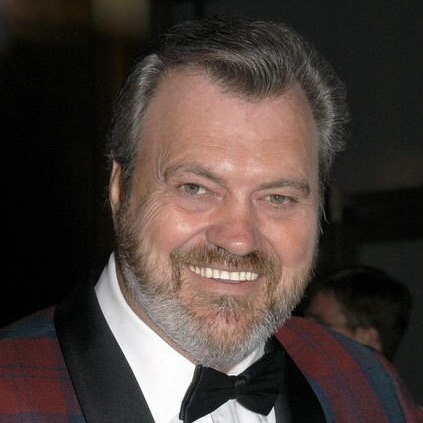
Mike Massey isn’t just one of pool’s great characters, he’s one of the sport’s rare crossover figures: a top-tier competitor, a world-class cue artist, and a globe-touring ambassador whose talent has put pool in front of audiences far beyond the billiard room. Known for decades by his unforgettable nickname “Tennessee Tarzan,” Massey’s story is equal parts grit, creativity, resilience, and purpose.
Born on April 9, 1947, in Loudon, Tennessee, Mike grew up with the kind of hard-nosed, self-reliant edge that shaped many of the great American road players. Long before the bright lights of television, he learned the game in the real university of pool: long nights, pressure-packed sets, and the constant demand to perform when it mattered. That early chapter, the “Tennessee Hustler” years, forged the foundation of a player who could handle anything: a tight match, a hostile room, or a do-or-die moment with reputation on the line.
But Massey was never only a gambler or a road warrior. He was a true all-around cueist, with serious competitive credentials in traditional pool as well as in the specialized world of artistic billiards. His résumé includes major tournament success and elite international recognition, highlighted by multiple World Artistic Pool Championship titles and a celebrated career that made him one of the most decorated artistic players of his era. That blend of “player” and “performer” became his signature: he could compete under championship pressure, then turn around and mesmerize a crowd with shots that looked like physics had taken the ni… Read More