

 Apple Podcasts
 Spotify
 Mike Massey - Part 2 (From Trials to Trick Shot Triumphs)
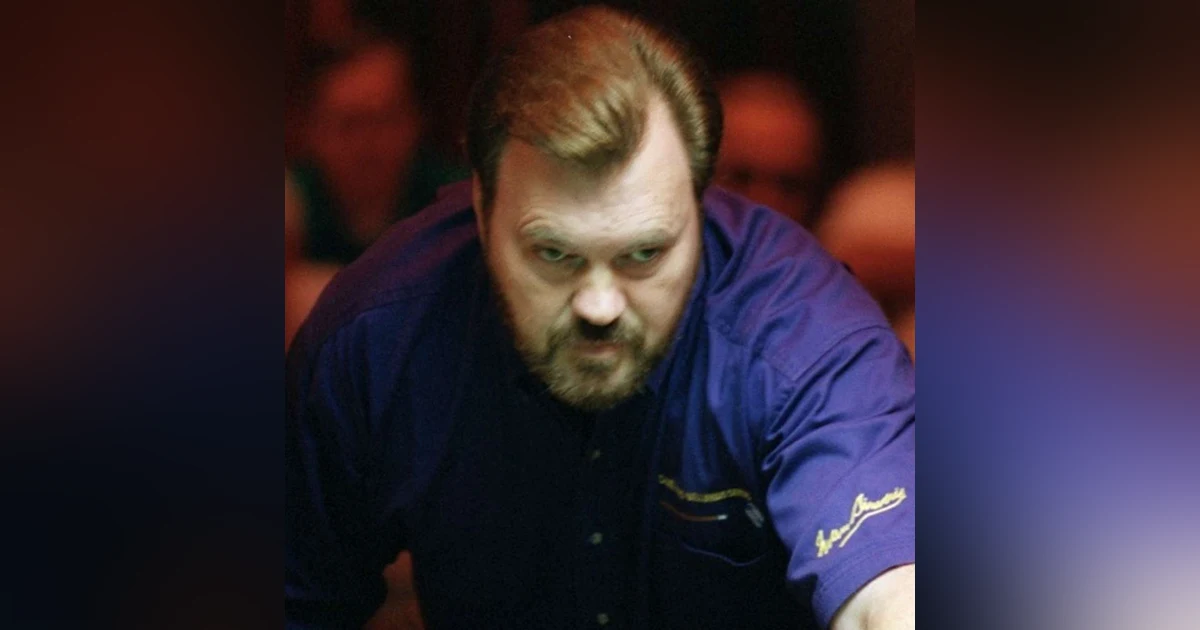

In this second installment of our four-part conversation with legendary cue artist Mike Massey, we continue to trace the winding road of one of the most fascinating figures in billiards history. From the highs of tournament victories to the depths of personal struggles, Mike shares his remarkable story with unflinching honesty, warmth, and humor.
We pick up in the mid-1980s, a time when Massey was rebuilding his life after personal turmoil, finding new love with his wife Francine, and embarking on a life on the road filled with pool cues, dogs, cats, and countless miles in a small Honda. Listeners will hear how he balanced the dual demands of being a competitive player and a globe-trotting entertainer, performing exhibitions that dazzled audiences and, at times, distracted from tournament success.
Mike recounts the early days of artistic pool and trick shots, when he became a pioneer of the craft, setting the standard with creativity and unmatched shot-making ability. From the famous “boot shot” to his dominance in Trick Shot Magic, he describes how exhibitions became both his livelihood and his ministry, a unique way to share his faith while entertaining crowds across the world.
Alongside co-hosts Allison Fisher, Mark Wilson and Mike Gonzalez, Mike also reflects on his experiences in Europe, where television exposure on Eurosport gave him a platform years before the U.S. audience caught on. His stories of arm-wrestling fellow pros, bench-pressing over 400 pounds at age 60, and competing against snooker greats provide a window into the colorful personality behind the legend.
This episode captures the resilience, showmanship, and pioneering spirit that made Mike Massey not only a world champion but also the greatest trick shot artist the game has ever seen.
Give Allison, Mark & Mike some feedback via Text.
Follow our show and/or leave a review/rating on:
Our website: https://www.legendsofthecue.com
Apple Podcasts: https://podcasts.apple.com/us/podcast/legends-of-the-cue/id1820520463
Spotify: https://open.spotify.com/show/4Za0IMh2SeNaWEGUHaVcy1
Music by Lyrium.
About
"Legends of the Cue" is a cue sports history podcast featuring interviews with Hall of Fame members, world champions, and influential figures from across the world of cue sports—including pocket billiards, snooker, and carom disciplines such as three-cushion billiards. We highlight the people, places, and moments that have shaped the game—celebrating iconic players, memorable events, historic venues, and the brands that helped define generations of play. With a focus on the positive spirit of the sport, our goal is to create a rich, engaging, and timeless archive of stories that fans can enjoy now and for years to come.
Co-hosted by WPA and BCA Hall of Fame member Allison Fisher and Mosconi Cup player and captain Mark Wilson, Legends of the Cue brings these stories to life—told in the voices of the game’s greatest figures.
Join Allison, Mark and Mike Gonzalez for “Legends of the Cu...
Well, Mike, Mike, you know, if you if we take you back to 1982, that great year you had, uh, particularly a nine ball with those multiple wins. Um, it was not too long thereafter that uh you had one of your backsliding episodes because you ended up in 83 divorcing your wife Carol, moving back to your hometown. And here you are still at a fairly young age of 36. Take us back to that time.
Mike MasseyWell, I went back and all the demons came back. Here I'd lost everything that I never that I never thought I could have. My my my job, my wife, my business, uh, and what it was. See, that was very sneaky. I thought I was beyond sin. And when I had first term in Alabama, I started going to the tournaments, I started drinking a little bit again, you know, sipping a little wine. Next thing I know, I was gambling again. Uh you know, these I'm not judging other people, these are things I believe that are that are wrong for a Christian, you know. And I start not hustling, but gambling, matching up and gambling. And then also the worst thing all was the adultery. And this was after about eleven years of marriage, and my wife, you know, in a telling. So here I had a daughter, uh, not ten years old, my son, and I went through a deep depression for a couple years. I went back to the woods, beating myself again. All the demons came back.
Mike GonzalezWell, it was in 1985 then, Mike, a couple years later, that uh uh you got offered a job as a house pro in Jackson, Mississippi. You met Francine, got married uh early that next year, so things must again start to turn around for you.
Mike MasseyWell, I met Francine, and she had been through two divorces. She came for a pool lesson. Now she came from a totally different background. Her father was a neurologist, uh, uh captain in the military and stuff, and uh she was like a little princess, you know, one of the, you know, very educated and everything, and uh had uh very successful kids and everything. One went to Stanford as a multimillionaire, and that, you know. So it was a different background, but she was going through a div, she had gone through two divorces, and I went through a divorce. She came for a pool lesson, and we uh, you know, started dating some and everything, and uh, and then we ended up after about three months, we we got married, and we actually had a preacher that played in the pool room there, and uh and as a went to his church, and they married us, and we had a the uh listen to this. My best man, poo room, was Conway Twitty's manager. One of his managers. When Conway was first getting into the music, you know, he was Conway's road manager manager, you know, Conway Twitty. And a funny story, this a quick funny story. One day Conway calls him up and he says, he says, Ben, he says, I've got this song I want you to hear. And he said, I don't know that much about the music, you know, and he said, No, I want you to hear this. So he goes over to Ben's house and he sits and he looks at Ben and he says, Hello, darling. That's one of the big hits, you know, hello darling. I don't know if you know music, but that's what Conway Tweedy had 50 number one hit songs, you know. He was, you know, George Strait's the only one that's had more, he had 60. But he said, hello, darling. He was the first one to hear that song. And then was so anyway, uh, she had a little Honda, had a hundred and something thousand miles on it. We left, and at that time, see, I was, I was, you know, I was at uh this this guy's pool room, he had the the gump, the Gumphrey Memorial and stuff. And uh it's a shame. He ended up uh, I stayed with him for a while. Uh he ended up killing killing the guy. He went, you know, went to prison for a little while. He he he shot a guy that was uh chased him down and killed him, you know. Somebody had been with his ex- his wife or something. And um, but they had tournaments in his name that was uh down in the the Gumphrey Memorial. That's you know you remember Steve Gumphrey, Mark. You remember Steve Gumphrey? Yeah, yeah, and they had the Gumphrey Memorials there, and then that's where she came for the poo lesson. And uh, and we ended up uh traveling uh, you know, start went out the road, her, her, her dog, and uh and and I forget how many kittens. And the kittens, we had the kittens down it was under my between my legs that was driving in the road. Now kittens, they'd come, they'd crawl on the hood over my shoulder. We'd be driving down the road, and I had kittens crawling on me. And this little Honda they had like I said, and we go out and I started doing exhibitions of like two or three hundred dollars, anything, just to survive, you know. And then I started getting more, you know, back into the pool more and booking more and stuff and everything, and then uh, you know, uh started to make a little more money and everything. But it was still it was always tough, oh, on the road, you know, back then. But the the thing about the the tournaments so I was still I could I could go tournament and uh make decent money uh by not winning the tournament. And consider my plan to do an exhibition, I'm out there doing all these trick shots, and I got a place or buddy hall or something like that afterwards, you know. So it did take away I think I could have done better more in terms if I focused just on the terms. But he was was was pretty decent, you know.
Mike GonzalezYeah, but I think uh I think you know, if if if yes, you know, ask Mark or ask Allie the same question. Uh you'd mentioned earlier that uh, you know, you you had a good career at pool, but it it wasn't what it could have been. But I think they'd both agree that you either focus and and and excel at an elite level, either playing championship pool or to the level you took artistic pool, championship trick shots with all the uh effort that would be involved in doing an exhibition. You know, you know what what Mike is is saying is he's going to these events and he's called upon to do an exhibition at the same event he's called upon to compete at the highest level with the greatest players in the world. And how do you do both when you've got to put all your energy into preparing that show and delivering that show and that yet still bring that same energy to competition? It was hard, Mike, wasn't it?
Mike MasseyYeah, it was what I started getting a lot of bookings in over in Europe, whole, you know, with uh Hans Peter Schield, who Allison, you know, Allison, you was first in endorsing Q-Tape before you came to America, you know, over there, you know.
Allison FisherYes, true. Hans Peter Shield. Did you find it did you find that your life became a bit easier having a wife that traveled with you?
Mike MasseyUh yeah, yeah, and the two dogs. Yeah. But also And the cats. See, Barry got us a lot. I got I got a lot of TV exposure over in Europe on Eurosport before America. See, the big thing in America is when they started showing the trick the trick shot magic. You know, that you know, trick shop magic got more rating, better ratings than anything in pool, you know. And Matt Brown and Betty Ann, and they, you know, I won the first five out of seven of those. And then the artist at Pool won the first four out of seven, came in second, three, and those. So I was dominant at first. You know, I was winning like it was almost like stealing. So I said, you know, because I could had a stroke and it was all pool, and I could do things that the other players couldn't do, you know.
Allison FisherYou were probably making more money than the top players, right?
Mike MasseyWell, I won twenty-five thousand four times and thirty thousand once, you know. And then uh now in artistic pool we didn't make make uh much money. We've got most of the trophies and stuff and everything there, you know. But as the titles, I won 17 world l legitimate world titles in in the tr artistic in the pool. And that's counting the snooker. I won the le world championships in Ukraine, I won the legends in Ukraine, I won the worlds in Germany. I even came in fifth in the in the in the in the in the uh in the world championship, the beacon class of the the Russian billiards, you know, over in uh pyramids, yeah. Pyramids I came in fields.
Allison FisherIt's safe to say he's he's he's one of the best entertainers that ever lived in playing poor on snooker and entertaining everyone around the world.
Mike MasseySee, that's what trick shots are really all about is entertaining, you know, and that's right now uh I call him my my student because uh I you know at Venom, I spent three months, three times with Venom before he really got into it that much. And and Venom right now, he's he's taking it to another level. I mean, Venom, he does a great show, but not only that, he's he's got Nancy shots and stuff he's doing, and he's won the world championships in the last two years. He broke a record. And, you know, I was considered I was voted the best in the history of the game and stuff, but the things that they're doing now, I admit, you know, what Venom, the consistency and everything and stuff, you know, they've taken it really to another level. But we were the pioneers, like Tom Rossman, Paul Gurney, and me, you know, uh, back real like Paul Gurney was actually going to Europe before I was, you know. And then I started going over there. But in Europe, see, I was going to Europe, you couldn't even find a poo table in except in a bowling hell or something, you know, like a bar table or something, you know, when I first started going to Germany and all these places. And now they're everywhere. I've taught Jurgen Sandman's training camp twice. I taught training camps down in Austria. So I knew a lot of these guys when they were really young, you know, Ralph Sake and Oliver and all these guys.
Allison FisherWith your experience, do you think the conditions have changed a lot in doing the trick shots?
Mike MasseyWell, yeah, and the what the trick shots what disappointed me is when they started doing all the props and stuff, you know, and all the you know, uh cues and doing all the things. Now I understand they did that for TV. I'm not criticizing them, but you know, but they did it for TV, but it got out of hand. And that thing about my brother said, Mike, you started the you started the whole thing when you did the boot shot.
Allison FisherSo you're full.
Mike MasseyWell the bo the boot shot, the way the boot shot came about, you know, Matt Bronn Matt Bronn was a Hall of Fame West Western novelist. Did you know that? Something novels, uh, Western novels, but that they did movies on two of them. So Matt Bronn was a Hall of Fame, yeah, a writer. And he always dressed in that Western style. And he asked one day, you know, he had that deep voice. You know, he sounded him and buddy, him and him and it if he was in a room and Grady Matthews was in a room, you wouldn't know which one was talking. They sound just the same. And he had that voice, and he one day, one day he says, Mark, can you do something with a boot? I said, Well, I'll figure out something.
Allison FisherSo that's how So he took his cowboy boot off.
Mike MasseyYeah, but the first guy that ever did the boot shot, I believe, was was probably uh uh over in Sweden, was uh he was a big strong guy too, you know, one of Swedish players. But he was tall and muscular and everything. And he I think he was the first guy that did the boot. Rempi might did it, but I did it at a farther distance, you know. Now the thing about it, doing a boot shot at 12 feet away is much easier than doing a boot shot at 8 feet away. And the reason is just like in golf, it's much easier to do a full swing and it is a high swing, right? Okay, now so in what I would do is set it up to where at maximum speed that I hit the get that distance down. I did seven times in a row one time, you know, so I get became very accurate about 12 feet away from the side pocket, you know.
Allison FisherHow much time do you think you spent practicing trick shots, you know, on a daily basis as opposed to a tournament player doing their drills?
Mike MasseyWhen I was young, you know, when I was in my hometown, started, you know, learning the shot, but later on I didn't you know, the strokes I'd I'd have to practice uh and the conditions of the table, of course, would change and everything. But I didn't, you know, I didn't practice a whole lot, but I could always, even now, I can get on I can guarantee I can get on a table right now and probably come up with a new trick shot. You know, in the last few years I've come up with a lot of other new trick shots and stuff. Because once you understand the physics of the balls, the tangent lines and all these things and stuff, multiple ball shots, um is it's easy, you know, come up with all types of shots. And then a lot of times, you know, take an older shot and add something to it, you know.
Allison FisherMm-hmm.
Mike MasseyYeah, and and add a couple shots together, take one shot and add it with another shot, you know. So there's a lot of things and trick shots you can do, but I always try to have a shot that I could tell a story with or something. Now, our trick shot ministry, which we do, you know, we've gone all over the world doing trick shot ministers, Steve, Tom Rossman and me, and and and and uh Wayne Parker from South Africa. Um, but we travel, uh, you know, I've been to with the Philippines. We were in the Philippines for a month. We did 25 shows. I had chickens running under my legs, and I was walking through mud puddles and everything else, doing trick shots, you know, all over the Philippines, you know. And uh, and then uh, and uh, you know, I've been you can see me in Egypt in the middle of the desert uh doing trick shots, telling the people about Jesus to thousands of Muslims, live TV to every Muslim country, you know. And I but I had a thousand at least a thousand people audience there if you look at that video, you know, and I'm witnessing, I'm using shots. I take a shot and I add a message with that shot. Now we don't need any pool or anything, anything like that to preach the gospel, but it's still there's nothing wrong with it, because you can take that and a child or a person might see it, and they and they kind of maybe enhance it a little bit. It it doesn't, you know, uh it might help them remember if they see that shot, that that parable or whatever might come to their mind. You know, like I said, we don't need stuff like that, but God wants us to use our talents and our abilities and everything, you know, in a positive way. Um and I don't know if you had a chance to check out uh the most recent one I put on uh YouTube was Mike Massey's salvation trick shot. And I explained salvation. Uh see a lot of people on salvation, they think, well, boy, I'm gonna clean my life up and start going to church. You don't do that. You can't even clean your life up until you go to Jesus. So you don't clean your life up to go to Jesus, you go to Jesus to get your life cleaned up, you know. Because you can't do it with that, you know. So so anyway, uh that salvation trick shot, and they give them a testimony and everything that but the um the trick shot uh magic that Matt Brown and Betty Ann put together and they was doing the seven ball, the the the speed pool and everything. And I honestly believe that I don't know why they haven't been inducted into the Hall of Fame, you know, because they all the stuff on on pool on TV was was that was them, you know. And uh then yeah, of course you had a women's tour, that was different, you know.
Mike GonzalezLet me ask you this if I can. Uh for for those of our listeners that uh that have never had the pleasure of seeing one of your exhibitions, why don't you describe for our listeners what a typical show looks like? How long does it run? How many shots might you do? What sort of shots and the stories that you interweave with the shots? How does that work?
Mike MasseyWhat I way I tried to design a trick shot show was I would have quite a few multiple ball shots, but with a message with a little story with the, you know, like this shot came up in the game, this happened. And then I had a lot of stroke shots and my finger pull. The finger pool always did at last. Okay, now I'd start off with the Chattanooga Choochi shot because you've got the cute the tables, the acoustics on the on the table, you know. And after that, I'd start doing them, you know, like the six balls, one pocket, and then I mean six balls and six pockets, then the misrex shot, and all these multiple ball shots. I'd do about three or four of them, and then I'd throw in a stroke shot. See a real difficult stroke shot. I'd mix it up. Now, if I miss the stroke shot, you know, I'd only try maybe twice, and sometimes, sometimes it's real difficult equipment, but I'd go back to doing the multiple shots I knew I was gonna make, you know, so I could keep it going. And usually it's like an hour-long show. And then I used to also incorporate magic into my trick shots with cards and pizza strength, and even singing. You know what I mean? You know, I've done shows where I did all three of them. I was in Moline one time and and I jumped up on my poo table. And I I used to bet I could do more one-arm push-ups than anyone could do with two uh two hands. Never got beat. You know, one arm, you know, and it was an extended push where you put your arms straight out in front of you. And I remember one time up in uh Mark might have been there.
Mark WilsonIt was in uh I'm sure it was.
Mike MasseyUp in above Moline up there, when he had those tournaments and stuff. Uh I think you were there. Dallas West was there, I know. But anyway, I jumped up on the table, and no, I said, I I bet I can do more in arm push-up than anybody here in due tennis. So so we laid on the poo table. This guy laid up there, and this guy was a gymnast, you know. No, this guy very much and he did, I think he did like 20 something, you know. And but two arms. And I jumped up and I did like 30 with one arm. And then at a party one night, there was a gymnast there. This guy was, you know, very athletic and everything. And he did 62 with two arms, and I did six or three with one arm. So that's the most I ever had to do, you know.
Mark WilsonHere's what I remember, Mike. And I it goes back to when I first met you, but you would come to the tournament and you'd say, Okay, I will bet that I can do 50 perfect one-arm push-ups, and somebody would bet you $50 finally, and you'd do them, and then you'd say, Now I'm gonna do the left arm free, and you would knock out.
Mike MasseyYeah, those stories I don't know. That's that's like Johnny Archer's got a story, I can't remember doing it, but he said he said one time I lifted the car up so the guy could change the tire. These stories get out of hands and they like get like the fish, the fish keeps getting bigger, you know, at times, you know.
Mark WilsonWell, mine was true.
Mike MasseyI got pretty pretty strong. And when I was when I was 60 years old, I did a gospel trick shop managed in my hometown. We went over to a guy's barn, and this guy, he's been on that that ninja stuff on TV and everything, and he's uh he does all these feats and everything. And I lifted all the weight, a bench press, all the weight he had in the place is 420 pounds, you know. And uh that was like 60 years old, you know. So now I didn't do it from my chest, I did it from uh probably four or five inches or something above my chest where the it was set. But this is an old rusty bar and old weights and stuff, you know. But I was a brick mason, block mason, and that right now, I mean, like my grip, I still have upper body strength, you know, my my arms and everything, you know. And uh I used to let uh Alan Hawkins or I'd let them use two arms and they couldn't have that putting down, you know. Some of those players would show off and I'd say, yeah, just use both arms. And I'd you know, I'd have even Dennis Hatch and stuff, and and uh I'll tell you who used to like the arm wrestle was David, you know, that was married to Rob uh to uh Lloyd John.
Allison FisherYeah, yeah, Dave Hassan. Dave Hasson.
Mike MasseyYeah, they was always liking an arm wrestle and everything stuff, you know. So one time I put my hands above my head and I let Dennis Hatch hang on one of my arms and and David on the other. But this is I want pictures of that. Oh boy. But the the thing about it, this is that's crazy. That's uh now one time I got damaged. I had a guy, he was he was an arm wrestling champion, you know, and he couldn't put me down, and he like laid on my arm. You know, when those arm wrestlers, it's not just about strength. One of the best guys, you know, it's the technique. They have a way of wrapping their legs around the table and pulling their body, they put their whole bodies in their thin thing to it. And I would arm wrestle people and I'd say, now we're just gonna use arms, you know. You know, just put your arm out there, not no shoulders into it. And it's a lot different when you're just using arms and you're putting your whole body and all that technique and stuff they use, you know. And uh but it's can you uh I mean it's ridiculous if you think about a poo player that's his livelihood, playing poo with his arms, and he's out here arm wrestling. And I've seen them get I'll tell you, I've seen them get the bone get snapped, I've seen get broken and everything, you know. It won't try that much.
Mike GonzalezMike, if we can, let's take you back to nineteen ninety two to your first. World Snooker Trick Shot Championship. Now, that might have been operating a little differently than the World Artistic Pool Championship. But tell our listeners about the about the format of the competition. What do you have to do to win that? Now, this I think back then was sponsored by Match Room Sport, but what what how does that how does that work?
Mike MasseyIt was pretty difficult for me to win. Here's the reason. Now, the guy, Terry Griffiths, won it the first year. And he even said he was embarrassed. He even said, boy, might he does much better trick shots than because I was doing shots on Snooker Table that had to convert from the poo table over that they'd never seen. And War You Could See a Good One is the show that didn't that that uh if anybody wants to Google, Steve Davis, Mike, uh Steve Davis and Mike Massey doing a trick shot show on Snooker. But anyway, 92, Terry Griffith won it the year before. I came in second. And what it was, they had a tiebreaker was that machine gun shot. We you know, and they were good at that, you know, on the tiebreaker. You know, where you shoot the cue ball and you gotta shoot the other balls in before the cue ball gets there, you know. And Terry won that. And then the next year, uh I won it, and at that time they was given prize money too. You know, I think I got like 12,000 or something. And uh but I won it the next year, and um and I did I did some pretty pretty amazing, you know, trick shots, and I did the bottle shot and a lot of them. And but the thing about it, after that year, they started doing it to where they didn't get it wasn't prize money. It was just uh, you know, it was uh appearance fees. Yeah, show. I mean the thing about it, they used an applause meter, see, because it was based partly half on entertainment and half on shots. There's no way I could compete with Dennis Taylor, Willie Thorne, and all these guys then telling jokes about over there that they, you know, and they were like stand-up comics, you know.
Allison FisherDennis Taylor and what the English get, yeah.
Mike MasseyYeah, and and uh Willie Thorne and all those guys. So the entertainment part, I had no chance in that. Now the shots, of course, you know, I could outdoing in the shots. And then uh, but but it what was neat about it though, here was getting all of our expenses paid, went to South Africa twice to uh in in Sun City, spent a week there, all expenses paid and everything else. So um, and they give us pretty decent money, you know.
Mike GonzalezAnd then uh But when it when it started, Mike, when it when it started, was it a set of shots that each of you had to hit, or do you had to choose your own shots? How'd that work?
Mike MasseyWell they had a they had a couple a couple shots that the the in they had uh they had I think they did have a couple shots that that they you had to do, uh like the disappearance shot and stuff, you know, where and they had a few shots, you know, and then they had then some of our own shots and stuff too, you know.
Mike GonzalezOkay.
Mike MasseyI won it, I won it twice and I won it in Scotland. Last time I won it, uh well once they they they figured like a three-way tie, but I actually won, you know, and that was that was in '96 when we went when we won the uh Moscone Cup over there, you know. And uh but uh one of the trips I enjoyed in the Snooker, I got to know the Snooker players really good, Terry Griffiths and all, and we became pretty good friends. And and we went to Australia over playing the Walter Lindrum. You've heard Walter Lindrum's Allison, you know.
Mike GonzalezYeah.
Allison FisherI used to have a he's cute.
Mike MasseyYeah, he was the greatest billiard player ever. You know, before Snooker was billiards on a snooker table. And that's like uh Joe Davis and all those guys before. Snooker came about actually in India where the game came about, you know. But they had a table, they played billiards with with three balls, but it was on a snooker table. It wasn't like three cushion bears, you know. So we went to play at a tournament as the Walter Lindrum Masters in Australia. And I was invited to go over there. Uh well, Oliver Ortman, Steve Davis, Willie Thorne, of course Eddie Charlton. I loved Eddie. Eddie was uh he was really a gentleman, and uh so we go over there and Quentin Hahn.
Allison FisherI remember Quentin.
Mike MasseyTwo years in row won it. I mean, he was a good pool player and a snooker player, you know. And of course he had, you know, he got banned, you know, from the snooker. But anyway, I never had played billiards, and I had a 93 break going to 100 in billiards over there, you know, and and I never had never played it before.
Allison FisherIt's incredible how you've adapt how you adapt to all the different tables and all the different situations.
Mike MasseyThree cushion billiards, I played that pretty good. I've had nine a few times, runs in that, you know, but but this billiards, I I kind of, you know, I had a 93 break, and the guy uh he that was filmed and everything. He actually sent me the the link to it here quite a few years ago and stuff, you know, where I ran the 93. And uh but ball, you know, it's just uh it was like a challenge, you know, learning these other games and everything, you know. Uh like straight poo, I never was known really as a straight poo player, but I ran 200 or something a couple of times. I ran 167 out in a money match against Richie Ambrose. Uh Mark, I think you remember that, yeah. Up in uh they would when they had the, I think Dallas West had one, it was over at the rack, you know, where they was having all the gambling. So Richie and I go over there and play, we play for $1,000, and we go to 200, and we both were playing bad. The table was brand new cloth, it was slick and everything, and we we couldn't run, uh we couldn't even run a rack, and all of a sudden I said, nah, the heck with it. I start free stroking. I'm doing bank shots as as brake shots and stuff. And I'd run a I'd run a hundred and 167 an hour on him, and uh then I gave up the table with the Buddy Hall and Steve Miserek. They wanted a table play now, but I ended up running 183 and just quitting. But I ran a hundred, I ran uh my first 200 run was with Gerda Hofstetter over at Jürgen Sandman's uh training camp. She was like 17, 18 years old. She had her first high run on me at that time, 57. I ran a 218 on her. I ran 224 at Merrimack there once. So I've had quite a few runs, you know, uh 183, like three times. But but just like Earl, see, Earl at one time hated straight pool, you know. He got playing the game, now he and then they started saying, Well, this is the greatest game there is, you know. So it was straight pool was you know, it it was that was the game back there in Moscone. You know, used to uh to be a BCA Hall of Fame player, you had to be a straight pool champion at one time. You know, they didn't even look at nine ball as as in the b as a Hall of Famers. Remember that, Mark?
Mark WilsonOh, absolutely.
Mike MasseyYeah, you go back, it was uh it was like always straight pool. You know, Willie Moscone was the only living Hall of Famer at one time, you know.
Allison FisherAnd then it I think they've created a Straight Pool Hall of Fame, haven't they? Or there was a few.
Mike MasseyNo, it was at the BCE Hall of Fame, but it was it was uh uh they had Meritorious Meritorious and they had like uh Peterson was the first trick shot guy that's in the Hall of Fame, Charlie Peterson. And he would go around a military basis and everything, do shows. And um but as far as travels, I was telling Mike there the other day, I I believe that I have traveled more than any poo player as far as you know, I've been to Europe at least 50 times.
Allison FisherI believe that.
Mike MasseyYeah, China eight times, Japan 11 or 12 times, Taiwan 12 times, Russia three. I mean, even Kazakhstan. You know, I did shows and I did shows for the Prince of Brunei. I was hired to do shows for himself. I've been 46 countries, but many times to these countries, you know. And I'm tired. I bet you are. It's exhausting. I can't do it now. I mean, to get from one one gate to another gate, you gotta have roller skate something or something to get there. You know, it's it's uh it's very difficult.
Mike GonzalezYeah, you know, Allie, Allie and uh Ali and Mark, I I was talking to Mike yesterday. I asked him if he'd ever met a guy named Dennis Walters in the golf world, okay? Because there's a lot of parallels, and at some point we want to get these two guys together. So Dennis Walters is a golf, a world golf hall of famer, much as Mike is a Hall of BCA Hall of Famer. Dennis Walters was a fledglingly young professional, emerging professional at uh in his late 20s, had a had a golf cart accident. He became a paraplegic as a result of that accident. And uh the only way he saved himself and recovered from all this trauma was to teach himself how to do trick shots. And his dad retrofitted some some metal and you know bailing wire, as we would say, and all this, and and and created this seat that he could sit on the side of a golf cart, execute, and then deliver these these golf trick shots. And he's made a living, much as Mike has, traveling the world in a van, much like Mike did. He had an RV that was custom built where he could roll on with his wheelchair and became the the world's greatest trick shot artist in golf as a paraplegic. And I thought that'd be great for Mike to kind of connect with uh with uh with him, yeah, Dennis Walters.
Mike MasseyYeah, that's that's neat. The the golfers, you know, like I knew uh Sam Torrance. Uh, you know, Allison, you knew Sam Torrance, didn't you? Sam Torrance was in England.
Allison FisherI know of Sam Torrance.
Mike MasseyBut yeah, he was like a 90-ball runner, and I mean he had that, you know, he was a good snooker player, you know. And I did a show with him. You remember when uh uh what's the name of the snooker player? He had the he had that show on on uh on uh what was it? I was on there with him and Steve Davis. Uh Sam Torrance was on there.
Allison FisherOh, John Virgo.
Mike MasseyYeah, Virgo. He had you know he had a TV program there that it with uh and I was on that with Sam Torrance. And Sam Torrance was uh uh a good uh uh snooker player, you know, and and uh and then that in the pool world in this as far as Jim Thorpe was a golfer now. He was a pretty good pool player. He was at he he was at one of the tournaments I won in '82. I won that tournament uh down in Tallahassee. He was there, and he actually bought a McDermott. I was with McDermott at that time. Now, you know, I endorse Miechie Qs.
Allison FisherThank you for listening to another episode of Legends of the Q. If you like what you hear, wherever you listen to your podcast, including Apple and Spotify, please follow, subscribe, and spread the word. Give our podcast a five-star rating and share your thoughts. Visit our website and support our four history projects. And take our next golden break with more legends of the queue along, everybody.
Professional Pool Player
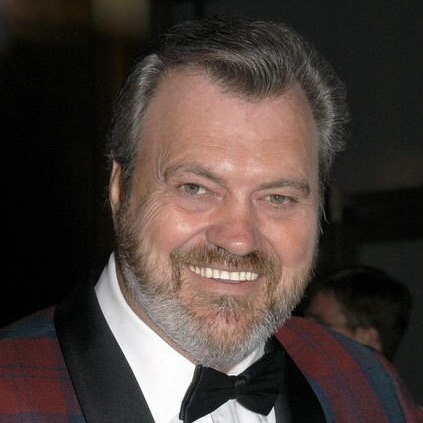
Mike Massey isn’t just one of pool’s great characters, he’s one of the sport’s rare crossover figures: a top-tier competitor, a world-class cue artist, and a globe-touring ambassador whose talent has put pool in front of audiences far beyond the billiard room. Known for decades by his unforgettable nickname “Tennessee Tarzan,” Massey’s story is equal parts grit, creativity, resilience, and purpose.
Born on April 9, 1947, in Loudon, Tennessee, Mike grew up with the kind of hard-nosed, self-reliant edge that shaped many of the great American road players. Long before the bright lights of television, he learned the game in the real university of pool: long nights, pressure-packed sets, and the constant demand to perform when it mattered. That early chapter, the “Tennessee Hustler” years, forged the foundation of a player who could handle anything: a tight match, a hostile room, or a do-or-die moment with reputation on the line.
But Massey was never only a gambler or a road warrior. He was a true all-around cueist, with serious competitive credentials in traditional pool as well as in the specialized world of artistic billiards. His résumé includes major tournament success and elite international recognition, highlighted by multiple World Artistic Pool Championship titles and a celebrated career that made him one of the most decorated artistic players of his era. That blend of “player” and “performer” became his signature: he could compete under championship pressure, then turn around and mesmerize a crowd with shots that looked like physics had taken the ni… Read More