

 Apple Podcasts
 Spotify
 Mike Massey - Part 3 (Marathon Runs, Mosconi Memories, and Pool School in Paradise)
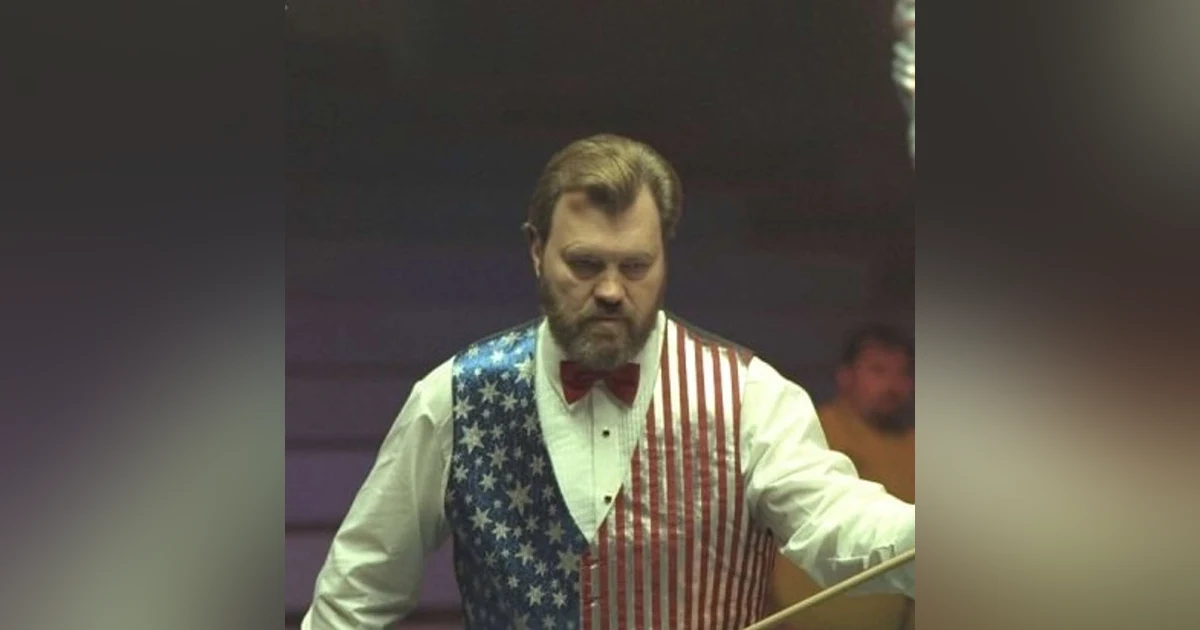

In this third installment of our four-part conversation with Mike Massey—BCA Hall of Fame inductee, Artistic Pool Hall of Fame member, and the greatest trick shot artist of all time—we continue charting the incredible journey of one of the game’s most colorful and accomplished legends.
Mike takes us inside one of his proudest achievements: a grueling 24-hour marathon in Austria where he recorded an astonishing 330 break-and-runs in nine-ball, a feat witnessed live on national television that helped billiards gain recognition as a sport in Austria. From charity marathons pocketing thousands of balls to exhibitions that inspired young players like Jasmine Ouschan, Mike reflects on how endurance, creativity, and sheer love for the game have shaped his legacy.
We also revisit his early Mosconi Cup experiences—battling the likes of Jimmy White and a teenage Ronnie O’Sullivan—and hear how those high-stakes moments showcased both the rivalry and camaraderie between pool and snooker greats. Along the way, Mike shares vivid memories of iconic figures such as Minnesota Fats, Luther Lassiter, Steve Mizerak, Buddy Hall, and Earl Strickland, offering candid insights into their personalities, strengths, and quirks at the table.
The episode closes with a warm look back at Pool School in Paradise, the innovative training experience he co-created with Allison Fisher and Gerda Hofstätter that blended world-class instruction with unforgettable camaraderie in Hawaii and Vancouver.
From epic matches and world-class runs to bicycles in Vancouver and late-night storytelling, this chapter of Mike Massey’s life captures the spirit of a man who has not only mastered the cue but elevated the game for fans and players around the globe.
Give Allison, Mark & Mike some feedback via Text.
Follow our show and/or leave a review/rating on:
Our website: https://www.legendsofthecue.com
Apple Podcasts: https://podcasts.apple.com/us/podcast/legends-of-the-cue/id1820520463
Spotify: https://open.spotify.com/show/4Za0IMh2SeNaWEGUHaVcy1
Music by Lyrium.
About
"Legends of the Cue" is a cue sports history podcast featuring interviews with Hall of Fame members, world champions, and influential figures from across the world of cue sports—including pocket billiards, snooker, and carom disciplines such as three-cushion billiards. We highlight the people, places, and moments that have shaped the game—celebrating iconic players, memorable events, historic venues, and the brands that helped define generations of play. With a focus on the positive spirit of the sport, our goal is to create a rich, engaging, and timeless archive of stories that fans can enjoy now and for years to come.
Co-hosted by WPA and BCA Hall of Fame member Allison Fisher and Mosconi Cup player and captain Mark Wilson, Legends of the Cue brings these stories to life—told in the voices of the game’s greatest figures.
Join Allison, Mark and Mike Gonzalez for “Legends of the Cu...
You know, Mark, I think I played my best pool, really. One of the most accomplished things, one of something I did I'd like for some young player maybe to try to break, was playing the ghost in Austria. And I had 330 breaking runs in Nine Ball in a 24-hour period playing the Ghost. And that was all documented on live TV and everything else. You know, because you got these records and stuff and everything. Jurgen Sam in took like 60 witnesses, names, and it was an Austrian TV. But you know what playing the ghost is, you know. You know what playing the ghost is. Yeah, but I had in a 24 period I had 30 break and runs. I thought I could do 500 because I was in really good physical shape. It was like in my 40s. And I'm practicing I could run 25, 26 racks an hour, you know. And I kept that four or five hours, you know. But at the end, even at tw after 12 hours, my wrist was hurting. At the end, I had a hard time running five or six racks an hour. So I made it by ran 330 and uh break and runs. And that was we did that in Austria. And the reason I'm proud of that is because it was on Austrian television on national channel there in in Austria. And and uh that's the one Jasmine. She was like eight years old. I mean, she was running eight, nine years old, running around the pool table drawing her balls. And her her father, I think, was the head of the association there in Austria. And they said that that helped help the pool get recognized as a sport in Austria. So now what that meant, yeah, instead of them getting 10% of the money from the Federal For the Federation, they started getting 50%. See because the government in these a lot of these countries gives money to the federations, you know.
Allison FisherYeah. That's a big deal.
Mike MasseyBilliards, they was getting like all the money. Now they start splitting it up, and they s and they gave me like the key to the all that so made me an honorary member and everything. So that was one of the things that helped help them look and see it as a sport, you know.
Allison FisherThey treat it as an Olympic sport, and she's obviously got over not just Jasmine, her brother Gerda back in the day. They've had financial support from their government, which is amazing.
Mike MasseyI think she's like 10, 9, 10 years old, you know, and and uh I've been to her her her room there. Fears go when I went over there. I went to her room uh, you know, where she's got two chat too poo tables there. And uh but they used to have a nine-bar tournament in my name in Switzerland for quite a few years. Now they got a turn uh tournament in my name in in South Africa. They got uh the Mike Massey Cup and tr and the artistic, you know.
Allison FisherFantastic.
Mark WilsonWas uh pool marathoning. And it all began with Mike doing what he was saying. He used to get people charitably to pledge maybe a penny a ball that he pockets over 24 hours. And he would do this, and one, you have to be super fit because it's just you playing, and then they have someone to journal and rack the balls for him, and and then it all went to charity, all this money. And maybe he got five minutes per hour to either go to the bathroom or eat a bite of a sandwich or something like that. And he he said that he would do that over 24 hours period, you know, which is just incredible to me. And he said, Barry, Mark, when I got done, I would be hurting so bad and so wore out and beat up, and I'd go sleep for 10 hours, and then I would come back to the pool room the next day, and when I'd faced down a tough shot because I'd shot thousands of them the day before, my arm was so limber and I would get through, and it was kind of like you put the dog to sleep, where you just really smooth on that delivery, getting through the ball, and he said, You cannot believe how much better.
Mike MasseyWell, when I did at training camps in Sweden, you know, for Jurgen, I came back one year and they had Wheeler's tournament, and I just got back, you know, and they had you know a strong field, and you know, and I almost won it. I thought I was a winning. I beat, you know, I beat Siegel, I beat Renpe, I beat all I beat uh Don and I got up to play Buddy Hall, and there's only three of us left Buddy Hall, Mike, Braun, and me. Buddy, Buddy's old school, you know. So I'm playing Buddy, and I got him six to four. I'm over here blowing my nose every few minutes because I did. I was I had a cold. I was sick, but I was still playing good. You know, sometimes you can get sick and still play. Matter of fact, and Allison will remember this, I'll tell you in a minute. So I'm so Buddy takes like a 30-minute break on me, you know, puts a stall on me and stuff. He ends up beating me, so I end up coming in third, I think. But one year an Allison came in second in it in the in the Munich Masters, and her friend, which would have been a really good pool player, but she was a policewoman, won the tournament and uh won the women's division, and Allison came in second. And and Storm beat Bustamante in the finals. Now Storm, his whole right jaw was out, he had an abscess tooth ache, you know. And he was in tremendous man pain. And Francine gave him some painkillers. And he went out and beat Busta Monta in the final. You remember that, don't you, Alison? Yeah.
Allison FisherI do remember, I remember that tournament very well.
Mike MasseyWhat was her what was her name? The the Stacey Hilliard.
Allison FisherYeah, she was a good player, it's a good snooker player, and she won the event and I actually came in third, and I think Louise Ferberg was second.
Mike MasseyYeah, yeah.
Allison FisherFrom Sweden.
Mike MasseyWell, I thought you came in second.
Allison FisherReally good memories. I you can say I came in second, but I know I came in third.
Mike GonzalezYeah, okay. We'll we'll add it to third place out. So let me let me just start out with a question, then if you don't mind. Uh so Mike, tell us uh tell our listeners about your first experience with what I guess would have been the second Moscone Cup. This one uh uh was contested at Festival Hall. I guess that was in Essex in England. And uh you had our Mark Wilson on that team with you, Lou Butera, Dallas, uh, Dallas West, John DeToro, Mike Galiasi, and Bobby Hunter. Tell us about that experience.
Mike MasseyOkay, when when Barry first started doing the Moscone Cups, he used like a lot of snooker players because they were so popular over there. Alex Higgins, Jimmy White, Steve Davis. But they did have, I think, Oliver Ortman and maybe uh uh uh they had a few right, yeah. Okay, now we what happened? We ended up tied. Mark didn't remember this, but we ended up tied. But what they did to break the tiebreaker, they sent Jimmy White and Lou Batura out to play one game to see who was gonna be the Moscone Cup winner. And Jimmy beat Lubatura in that one game, you know. So they won that year. The next year we go out, and uh Ronnie O'Sullivan was in it, and he was playing good pool. He beat Earl, you know, in the tournament. He had just beaten Earl, so I had to play Ronnie, and we were down twelve to eleven. So if I if Ronnie beats me, it's over, you know. So I beat Ronnie to put us uh on the hill, you know, with tight tide. And then CJ went out and won the deciding frame on that. So we won that year, you know. And uh, but Ronnie was playing good. Ronnie, we had a close match. He he made a he made a couple mental errors because still he, even though he's playing good, he still wasn't used to playing the uh the uh the nine ball. And sometimes they would, you know, seeing Snooker, you don't have to hit a rail and stuff when you, you know, he might have made some mistakes like you don't have to hit a rail and stuff. And then but the first time when Allison and Ronnie and Eva and I were in Switzerland for about three weeks, we traveled around. I think we did, I think we did like six shows, you know. And Allison and Ronnie, Ronnie at that time, uh Barry Hearn was his manager at that time, and Ronnie was only like 17, you know. And man, he looked in Snooker, he looked like he was playing on a bar table. And he was it was unbelievable, even at that time. Okay, now in the pool, I was playing really good pool at this time because I remember we played straight pool and nine ball. And I'm pretty sure in my straight pool matches, out of all six matches, I think five times I think I ran 50 and out because we was only going to 50. And then the nine ball, I had to teach Ronnie how to play the game, but Ronnie did beat me a set of nine ball race to nine. So, you know. And then uh, but the the snooker, we had no chance of beating Allison and Ronnie, and then you know, we were like we were like uh sitting there just watching, you know. And but that was a fun we got we get I'll tell you what, we we got paid pretty good that time, didn't we?
Allison FisherYeah, it's a great trip. I remember it was Thomas, wasn't it?
Mike MasseyYeah, Thomas, and and I'd been over, he had a couple poo rooms and stuff, you know. And I've been uh and what it was, he was at the event when when when Steve Davis and I did that video, he was there, and that's when he came up to me with the ideal and stuff. He was that he was the invited guest there, you know. And but some of my my proudest wins really, I guess I won a jamboree there when I was 58 years old. You know, in uh in uh uh when I was 58, I won the jamboree, uh had a strong feel, all the West Coast players. I beat Mike Davis in the finals 13-8. Uh then up until four years ago, you know, I've uh four or five years ago, I beat Corey Doole, I beat Johnny Archer, uh, I beat Rodney Morris 8-6 on a bar table. And then when I was 68, I beat Shane at the Rum Runner, and he'd won for you. Yeah, 68 years I beat Shane. So I was playing good up on a bar table, especially eight ball. I think I think when I was in my late 60s, I think I had a chance of beating anybody playing eight ball on a bar table. Because I mean, I was doing all these exhibitions and stuff like at music booth and stuff, and um and I'd play challengers, and I'd I was playing 60, 70 challenge matches a day, you know. And I was running out, I mean, I just if I broke main ball and break, I thought it was gonna run out. I mean, I you know, especially the BCA rules, you know, we you it what you you get the choice. So I think I was running out, you know, probably eight out of ten times or so, you know, from the break, you know. So at that time, but uh but now my mind wants to, but my body doesn't want to, you know.
Mark WilsonCould you possibly go back and and tell us a little bit about some of your experiences with players or just your thought? So uh let's start with like Minnesota Fats. Uh talk about it.
Mike MasseyMinnesota Fats and I did a lot of shows together. Uh when he did his video, he hired me, they hired me to set up the shots. I set up uh 28 shots for him, the design designed 28 shots for him for his video. And he was like a kid with a new toy because he's doing all these shots he'd never done before. He'd like 14 balls in one shot, you know. So that's a he was kind of like the WC Phils, the fool. He even talked like W. C. Phils, you know. Now the thing about I got this in my book, That's probably the most overrated player by the public, but underrated by the players because he could play. But he was overrated by the public because everybody thought he was a Minnesota fans of the movie. That person didn't exist. He became Minnesota Fats after the movie. Rudolph von Darun, he was New York fats, changed his name to Minnesota Fats. And Winnie Been said he gave him the idea to do that. You know, he said that Johnson said it one year, and he said, he says, is there really a Minnesota Feds? And Winnie Bean said, you know, look at it and said, you know, there could be. And he changed, he legally changed his name to Minnesota Fats and won a lawsuit. He won a lawsuit. And then he and he had that TV program, you know, the celebrities and stuff. And he had now I'll tell you a neat story there. Jerry Orbeck was a good friend of mine. You know, Jerry Orbeck from Law and Order, you know, and Jerry was a good poop player. Uh Jerry and Eva actually beat me and James Tolkien in the final Paul Savino's uh event. I don't know if Allison, I think you were there at that. You know.
Allison FisherI think I was, yeah. In Vegas, right?
Mike MasseyYeah, and uh we James Tolkien, James is a real he's a boy, he's a neat guy, he's a good friend of mine, he's 93 years old now. But James and I was partners, and we played Eva, and Jerry and Eva beat it. Jerry was a decent player. So Jerry, I did a show at the Friars Club in New York, his exclusive club, and Jerry, Jerry tells a story uh about that being on Fats' TV program. This is funny. He said, Yeah, he said, uh I set up a shot, it's three-ball shot, you know, where make a ball in the corner, the ball goes across in the in the side, and the cue ball go around three other. He said, I make it the first time. He said, I play fats the game of eight ball, I beat him. He goes back to he tells a friend about this. And the friend betting in a bar or something, and it came up on TV, and they thought it was live. And he says, This guy bets this other guy. He said, I makes this shot on my first attempt. What was going on? But they thought it was live, you know, it was one of those delayed things, you know. And he's but something like that. So anyway, the guy made and then he plays fats and he said, I bet so much money, I forget Jerry said he might exaggerate. He said, I bet that he beats fats this game of eight ball. So he beats the fats the game of the eight ball. That's the neat story to Jerry. But Jerry was he was I saw him a little while before I did a show at the Friars Club for his uh benefit, you know, on his name, but he was he was a really neat guy.
Mark WilsonWere you around Luther Lasseter, Mike?
Mike MasseyA little bit, some uh Luther, his thing was to sit in a chair and go and like go to sleep, you know. I guess you heard about that and stuff. He sat there. But Luther, uh, you know, Luther, he quoted a lot of scriptures and stuff. He cared about around and Luther, uh, I was around some. I was uh uh I did an exhibition one tournament then there uh you know a little bit. I heard a lot of stories about and stuff, you know. And he was, you know, he won the Johnson City tournament five five times, won the all-round, or six times. I only won like half the time. Luther Lester, all those players, Ronnie Allem, Dodgson, they would not play him for money. You know.
Mark WilsonHow about Steve Thrack? Do you have experience with him?
Mike MasseyWell, you know, I had a win record with Steve in nine ball. And Steve, uh Steve was a great, great player, of course, you know, but I think I beat him more times than he beat me in tournament play on nine ball. Uh yeah, not that we played a whole lot of times. I beat in uh in uh in Nashville and a few times uh like at Akron and a few places stuff. And uh I don't claim to be a better player than him, but you know, certain players that something about the the personalities, you know, you know, as a pool player, sometimes there's got to you beat guys that he can't beat. I mean, it's it's like amazing. Sometimes there's certain players that are great players, and you beat them, but they beat guys you can't beat. You know, it's that's a personality thing, you know, sometimes which uh maybe you want to win too much or they want to win too much or something about. And um there's a few players like that on the tour, you know, that I didn't, you know, I beat quite a few times, you know. And uh like I said, I don't want to mention their names because, you know, but there's well I tell you, I'm I'm sure he don't I'm sure he don't remind me of mentioning it. I'll tell you one, I had a uh record, I'm pretty sure I beat him more than he beat me. It was Earl Strickland, you know. And I beat him twice uh in the race to nine there at Allen Hopkins Ven. I think I even beat him twice at the at the uh World that one that uh Dallas West one beat me in the finals there in in Vegas and a few times, but I don't claim to be near the player that Earl was in nine ball and stuff, you know. But there's just something, the chemistry of something, you know.
Mike GonzalezAnd uh Mike, who was the finest who was the finest nine ball player you ever saw and why?
Mike MasseyWell, my opinion, which most people it's a different type of game and stuff, of course, that uh most players, and of course it's Ephraim because it's kicking everything, but if you go back before Ephraim and stuff, uh you know, coming in states, uh you had uh you know Siegel, Buddy Hall at one time Seagull and Buddy Hall was winning all the the big money events seemed like at one time, you know. And Rimpey was, you know, was another. And he had Alan Hopkins, you know, but and uh Buddy and Siegel before Earl came along and Earl is winning most of the terms. Buddy most people thought Buddy had the best pattern runs in nine ball, you know. You know, he was you know, and and Buddy was a great player. Now I played Buddy, you know, we used to get out in the sixties, you know, late sixties and stuff, you know, and he was a better player than me. Uh but uh but I did beat Buddy quite a few times in tournaments and stuff, you know. And uh funny story, for instance one time was playing in uh I think it's Derby or one of no that's one of the tournaments. And the rule is Mark, if we're playing and and I I win and you decide to take a break, and it's my br you know, I'm breaking the balls, and you decide to go to the bathroom, I can still break the balls and keep shooting if I call the referee over it. So one time Buddy and I was playing, and uh so I win the game, Buddy said, I gotta go to the bathroom. So he goes to the bathroom, I keep shooting, I get a referee over, and I ran two racks waves in the bathroom. He comes down and he looks up at the score and he says, Well, what's going on? He said, I wouldn't do that to you. I wouldn't do that to you. But that was the rule. You know, you can't take when the guy you can't break a guy's rhythm, then you know, you go, you gotta go on your your shot, you know.
Mike GonzalezYeah, Mike, what about uh what what about what about Straight Pool, greatest player you ever saw?
Mike MasseyStraight pool, well, the most balls I've ever actually seen run at one time was in in Austria. I was playing uh Vernon Diraga, and he ran a 324. I sit there and watched every ever shot, you know. That's the most I've ever seen run. Uh but Straight Pool. I mean, you gotta you gotta put Siegel up there. I know Tim Man Siegel run 150 and out in tournaments and stuff. Uh uh of course Ms. Rack, four times U.S. Open winner, and you know, four times in a row, you know, Ms. Rack was probably in the air of the greatest. Uh Muscone, if Muscone would have tried what John Smith, not taking me anyway from John or Jason Shaw, but if he had tried that, he might have run 1,500 balls. Muscone, from what I hear, no telling him in the exhibition, he'd break the ball and make them break run 150 an hour. You know. He was just and he in his book, I think he had I think he had a thousand runs of over a hundred or so, and he had like uh I think five hundred runs of over two hundred or so, you know. But back then he'd do an exhibition, they played challenge matches and stuff, and they'd play and I was just thinking the other day, I think what would be a good streaming to people would like to see, or that like Stray Pooh, is used to Luther Lester used they used to have these thousand-point matches, you know. You know, now you remember Mark Belfast, don't you Mark?
Mark WilsonSure do.
Mike MasseyYou know, now he would have been a world champion player, but he quit at a young age. But he beat Luther when he was like 18 years old, playing a thousand-point man. He had a couple of runs of over a hundred. I was there. Oh, you were there? Yeah. Yeah. Now he was Yeah, he would have been, you know, he was better than Matthias, you know, from Samuel. But he was uh young, but he quit when he'd come of age, because I think his father put so much pressure on or something right here, you know, and he quit and he he quit at a young age. And there's another woman girl player that quit at a young age, too. And everything was Bonnie Hoffman, you know. And uh but anyway, Mark, but they used to play, they used to play these, you know, and I think what would be a good if He took um like Filler, some of these good straight poo players, Thorsten, Core Thorsten in his uh in his prime right there, and he was like the top there one time. He ran 125 and out, I think four times or something at a European tournament up there or something, you know. And uh but the thing about straight poo now, and straight poo, if you go back into the 50s or so, it's a different game. Back then they would do maybe two or three break shots because the ball tables are slow, and they couldn't just blast the ball, they didn't blast into the ball. Now it's like an eight-ball break when they do a break shot, you know. You know, because of Simona's cloth and everything and stuff, the ball scatter and everything. So as European players, they'd have fired that ball in, and and uh the Jason Shaw, I mean, still to run 700-something balls and John Smith to run six. John Smith's had, I think, four uh eight runs of over four hundred, you know. And uh, but he ran but to run that six twenty-six and then the Jason to come along and break it. Uh well Jacob broke trying to ran seven something, then he ran eight something. Yeah.
Mike GonzalezYeah, yeah. It would be I think it'd be fun though to to go back in time and give Willie Moscone today's table, today's cloth, today's chalk, today's template rack, and see what he could do.
Mike MasseyYeah. Now here's one thing, uh Moscone, when he ran that 526, you know, that was on a four by eight table with big, big pockets, you know. Not taking away anything from it, you know. But but you gotta realize in in their era, if you go back in the third floor, they was playing on five or ten tables. And his run high run at that time, I think same as Jimmy Carras. I think they had 308 on a on a five-10. Now five by ten is you know, it's a bigger space, but it's still much more difficult to run a lot of balls on a five or ten table, you know. And the thing about snooker, if you come from a snooker background, snooker's like a form of straight pool in a way, you know, when you get down there breaking out balls and everything. I think most of the Ron El Sullivan or any of these top snooker players, I think would have been would would would be good straight pool players once they started playing playing it. You know. Allison, did you did you get big into straight pool very much?
Allison FisherNo, I only played one tournament which uh my sponsor at the time, Janet Schimmel from QTech, wanted me to play. And I said, but I don't really know how it works. And it's yeah, I did. I go went to New York and Borough.
Mike MasseyYeah, I was there, I was in that tournament.
Allison FisherStu man Stu Mantana Matana showed me a few safety shots, and that really helped me, you know, know the game a bit better and helped me win it, I think. And I think I had a 66 or something in that.
Mike MasseyYeah, when you first started coming over and playing pool, I mean, you the thing about Allison, say the snooker players they weren't used to shooting balls down the rail, fireballs around the rail. If they had a ball, say three or four inches off the rail, and they had almost straight down in the corner. They play it in the opposite corner because the pocket's open. You remember that when you first started playing.
Allison FisherYeah, definitely. I played it all wrong.
Mike MasseyYeah, they play it in the cross corner, they play it diagonal because it had an open pocket, and it's because it's snooker, yeah, it's hard to shoot the balls down the rail or even off the rail a bit. So their mentality was being it's I gotta go for this open pocket over here, but they was making the balls.
Allison FisherExactly. I yeah.
Mike MasseyThe thing about you, oh, you were you're so much better at pocketing the balls. You know, to you know, even pocket, a lot of times they say the pockets are tight. They weren't tight for you because you used to come to Met Snooker background.
Allison FisherYeah.
Mike GonzalezMike, tell tell our listeners about pool school in paradise.
Mike MasseyOh, okay. Pool school in paradise. The idea came from Paul Potsier. We were down in Florida one day, and he comes up to Allison and me and Gerda and says, Hey, I got this idea of doing a pool school in paradise. And it was going to be in Hawaii in Kauai. So we all agreed on it and everything. And the first year we had in Kauai, and we had we took 16 players, I think at that time, we were charging like 3,000 or something like that. And it became a it was very successful, and then we could start doing it in Granville Island in Canada. And for the first we did it for about 10 years total, and the first six, seven, eight years, it was we would fill it up about every time, you know. But then what happened, the Canadian dollar got, you know, it got different, so it got a little tougher. But we had two players, two people that came six times. Now we were charging like $3,500 to come to school. But it was like an experience. And this is one of my favorite times in pool, too, because we'd go out, we'd we'd all go out and eat together, we'd go ride bicycles together, we'd play putt put golf together, right, Alice? And we'd play pool with.
Allison FisherOh, I remember I'll never forget you on the little bicycle going around Vancouver. At your size, there was Goethe and me, and I'm like, we were like laughing. We're like, look at him on that little bike.
Mike MasseyYeah, but you remember the kid, you remember the kid that was on that bike, and we're going out there, and he's paddling 90 miles there. He didn't even he didn't know it had gears. He had it in, you know, he's to keep up with everybody's boy. Yeah, he's got he's gonna his his feet going round, we're going real slow because we're getting the higher gear. And he's got it in it, and we're in a low gear and he's in a high gear, and he's he he's paddling to keep up with us, you know.
Allison FisherWe had some great memories from that. It's really incredible.
Mike MasseyWe'd go out and play some of the the short golf courses, and we'd play the go to the NAS restaurants every time, sit there and tell our stories and everything and stuff. I became very good friends with Rick Rogers, you know, which he came six times. Might be the biggest cue collector in America, you know. And uh he was a he was a regular on the old combat series and stuff, you know. So uh, and we had another one that came six times. He ended up opening the pool room. And uh now we had we had doctors, we had people that are working at McDonald's coming, they would save up their money. We had all types of people that were coming. And this course, it was, I think uh Paul Paul put together kind of the course. He was very good at designing the course and everything. Paul's a smart guy, you know. And we would uh the way we had it arranged, you spend a session with with Allison, you know, your group, like four in a group. And then you spend a session with with all the you know, in a day's time, you spend a session and we go over different parts of the game, you know. And it's like a four-day course, uh five days counting the hotel and everything. But we included the hotel, nice hotel. We had table shelf hotel, so that was all so this was a really, really neat thing that it we really, you know, really enjoyed, you know. Now of course Franc Sims always whipping the dogs and everything. And uh Allison's got a good uh Allison imitate Mikey Michael!
Allison FisherThat was it, wasn't it? Mike, we should call you Michael. Yeah, we would grin and we were like cowering. But yeah, we had a really great time. Yeah. Really, really great time because you got some fun away from the table, but we did it was good. We all got up and talked at different times on different videos.
Mike MasseyWe all we made made.
Allison FisherIt was very interactive. Thank you for listening to another episode of Legends of the Cube. If you like what you hear, wherever you listen to your podcast, including Apple and Spotify, please follow, subscribe, and spread the word. Give our podcast a five-star rating and share your thoughts. Visit our website and support our poor history project. Until our next golden break with more Legends of the Cube, so long, everybody.
Professional Pool Player
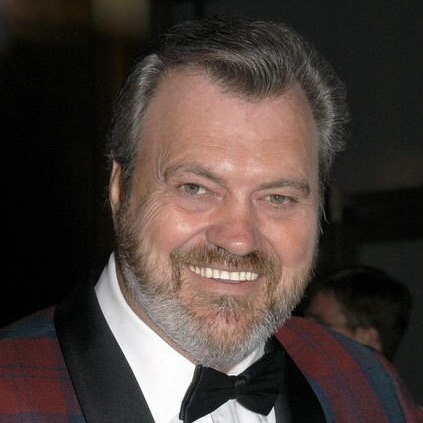
Mike Massey isn’t just one of pool’s great characters, he’s one of the sport’s rare crossover figures: a top-tier competitor, a world-class cue artist, and a globe-touring ambassador whose talent has put pool in front of audiences far beyond the billiard room. Known for decades by his unforgettable nickname “Tennessee Tarzan,” Massey’s story is equal parts grit, creativity, resilience, and purpose.
Born on April 9, 1947, in Loudon, Tennessee, Mike grew up with the kind of hard-nosed, self-reliant edge that shaped many of the great American road players. Long before the bright lights of television, he learned the game in the real university of pool: long nights, pressure-packed sets, and the constant demand to perform when it mattered. That early chapter, the “Tennessee Hustler” years, forged the foundation of a player who could handle anything: a tight match, a hostile room, or a do-or-die moment with reputation on the line.
But Massey was never only a gambler or a road warrior. He was a true all-around cueist, with serious competitive credentials in traditional pool as well as in the specialized world of artistic billiards. His résumé includes major tournament success and elite international recognition, highlighted by multiple World Artistic Pool Championship titles and a celebrated career that made him one of the most decorated artistic players of his era. That blend of “player” and “performer” became his signature: he could compete under championship pressure, then turn around and mesmerize a crowd with shots that looked like physics had taken the ni… Read More