

 Apple Podcasts
 Spotify
 Mike Sigel - Part 1 (Captain Hook Begins: The Making of Mike Sigel)
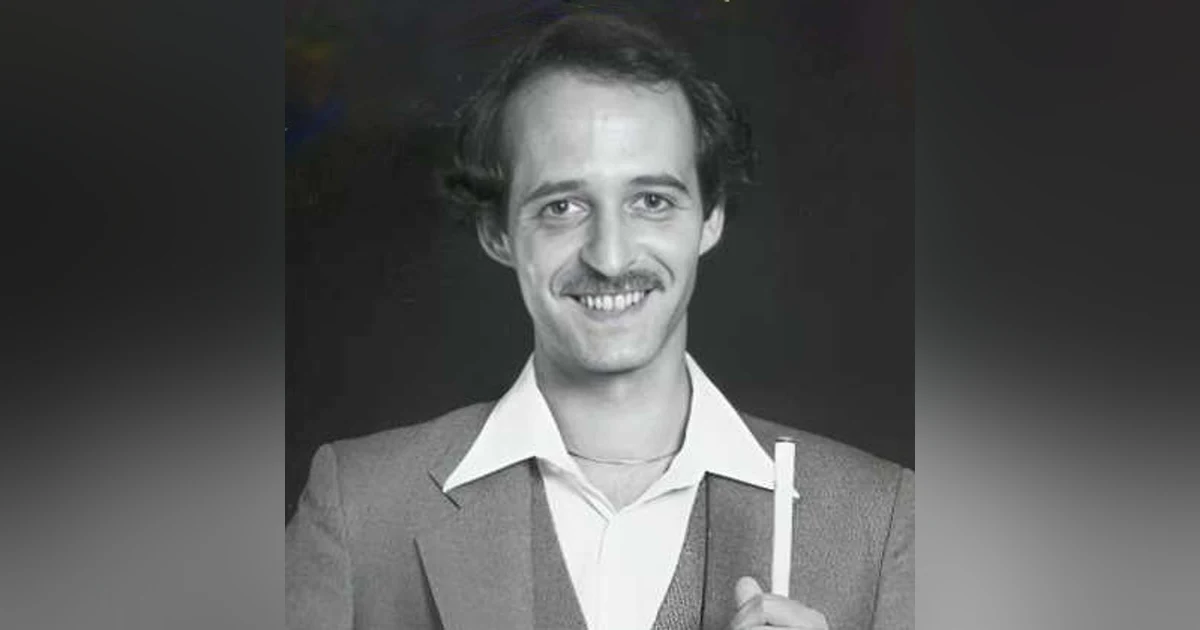

In this captivating first chapter of our multi-part conversation with Billiard Congress of America Hall of Famer “Captain Hook” Mike Sigel, we step into the origins of one of the greatest cue artists the sport has ever known. Named Billiards Digest’s Greatest Living Player of the 20th Century, Sigel joins Allison Fisher, Mark Wilson, and Mike Gonzalez to trace the earliest threads of a life that seemed destined for the game—even before he knew the game would define him.
Sigel takes us back to Rochester, New York, where a childhood built around tennis, schoolyard walls, and a hand-me-down pool table suddenly collided with fate. The moment he first picked up a cue—left-handed, inexplicably, despite living his life right-handed—everything changed. With eye-hand coordination sharpened by tennis and a natural, almost mystic feel for the cue, he surged ahead of his brothers within weeks and discovered the passion that would shape his future.
Listeners will hear vivid memories of the old Ridge Billiards poolroom—20 Brunswick Gold Crowns, no alcohol, no frills, just pure pool—and meet the mentors and characters who shaped him. Foremost among them is straight-pool great Irving “The Deacon” Crane, whose quiet brilliance and disciplined philosophy (“Make them earn it”) laid the foundation for Sigel’s dominance in straight pool and his later mastery of nine-ball strategy.
Sigel also recounts his early days on the road, the culture of gambling in the 1970s, and his unforgettable first encounter with a young Earl Strickland—complete with barns, insects, and high-stakes drama.
This opening episode offers an intimate portrait of a prodigy discovering his gift, his voice, and the competitive fire that would make him a legend. Join us as the story begins.
Give Allison, Mark & Mike some feedback via Text.
Follow our show and/or leave a review/rating on:
Our website: https://www.legendsofthecue.com
Apple Podcasts: https://podcasts.apple.com/us/podcast/legends-of-the-cue/id1820520463
Spotify: https://open.spotify.com/show/4Za0IMh2SeNaWEGUHaVcy1
Music by Lyrium.
About
"Legends of the Cue" is a cue sports history podcast featuring interviews with Hall of Fame members, world champions, and influential figures from across the world of cue sports—including pocket billiards, snooker, and carom disciplines such as three-cushion billiards. We highlight the people, places, and moments that have shaped the game—celebrating iconic players, memorable events, historic venues, and the brands that helped define generations of play. With a focus on the positive spirit of the sport, our goal is to create a rich, engaging, and timeless archive of stories that fans can enjoy now and for years to come.
Co-hosted by WPA and BCA Hall of Fame member Allison Fisher and Mosconi Cup player and captain Mark Wilson, Legends of the Cue brings these stories to life—told in the voices of the game’s greatest figures.
Join Allison, Mark and Mike Gonzalez for “Legends of the Cu...
Welcome to another edition of Legends of the Cue and Allison Fisher. Our guest this morning was named Billiards Digest, Greatest Living Player of the Century. That's the 20th century. This was in 1999. You know what the best part of that is? Well, he's still living. He's still living.
Allison FisherThat's brilliant. We are very, very honored and very lucky to have one of the greatest players of all time, like you said. And Mark, would you like to introduce him, please?
Mark WilsonDuring the 1980s, if the shot was super tough and I had to have someone pocket that ball for my life, my choice would be Captain Hook, Mike Sigel. Welcome aboard, Mike. Thanks, Mark.
Mike GonzalezDelighted to have you. And as we talked about a little bit yesterday when we did the audio test, uh, you and I could probably spend the next couple hours just talking golf, but uh this is focused on telling your life story. And so we want to go back to the very, very beginning, long before you even knew anything about Pool. You were born in Rochester, New York, just a little bit before me, back in the 50s. But uh tell us about your earliest recollections of growing up as a young lad there.
Mike SigelWell, I came from, you know, my family was the, you know, my father worked, my mother stayed home with the kids. You know, I have two brothers, one a little older, one a little younger. And actually, everything started, you know, I loved tennis. When I was 11, 12 years old, I was a good tennis player. They didn't have any, you know, like program or anything for that in school at that time. This is before the Billy Jean King, Bobby Riggs, that they really made tennis, you know, a big sport like it is today. But I had a knack for tennis and something I picked up. And in the summer, I would play every day. I go to my school, and after a while I got really good. I used to hit the ball right in the center, you know, the eye-hand coordination, I guess. So, you know, a lot of people that play pool, play golf, play tennis, any sport like that with uh some kind of a club and a ball. But anyway, I used to beat a lot of people playing tennis, and no one would play with me. And I used to hit it against the wall at school and back and forth. I got bored with that. And then eventually my brother, my older brother wanted, he started hanging around the pool room, and he wanted a pool table. My father, who sold like sporting goods and other items, but anyway, sure enough, a pool table showed up at our house, and one day I picked up the queue and I started hitting a few balls, and I realized that's what I was gonna do for the rest of my life. So that that's really the way that whole thing started. I mean, the rest of my childhood was boring and you know, before that.
Mike GonzalezMost of the most stuff you you do right-handed, don't you?
Mike SigelYeah, I do everything right-handed except play pool. Left Phil Mickelson, same thing. He's right-handed but plays golf left-handed. And here's the really funny part. Now, okay, I play I'm right-handed. I write right-handed, all that. I play pool left-handed. However, I use the bridge right-handed. And to me, it feels like someone said, you know, you use the bridge. I don't know what they were talking about. Trevor, my son, is exactly the same. He's right-handed, plays pool, and he's a good player. Plays pool left-handed and uses a bridge right-handed.
Allison FisherAre you are you ambidextrous? Can you use your right-handed pool or not?
Mike SigelYeah, no, I I play not too bad right-handed. Most of the time today, I don't even use a bridge. You know, I can shoot opposite-handed.
Allison FisherYeah.
Mike SigelBut yeah, no, I mean, yeah, naturally, my right-handed way is or left-handed is much better. But yeah, I can play right-handed.
Mike GonzalezSo why do you think you picked up the cue and just started shooting left-handed as a kid?
Mike SigelI have no idea. You know, the here's what happened. I had we had a small house, so they got like a three and a half by seven, one of these like honeycomb tables. So they put it in the living room, and then they were going to move it downstairs to the basement, but they needed like three, four, five guys. So they put it in the living room. So the couch was like here, the pool table was there, and then the TV was over there. So I'd have to look over the pool table in the morning, like going to school to watch TV. And one day there was a couple cues on the table. I went over, reached like this, grabbed the cue, started playing. I played three or four months, and then my brother told me, he goes, You shoot left-handed. I didn't even understand the difference, you know. But I excelled very quickly. Like he was playing for a year or two, and in about a week or two, he couldn't touch me. I mean, immediately I started making shots, you know, and I, you know, it was a gift. I I just picked it up, I'm sure, like Allison or Mark, whatever. You know, it's a gift. You can't the thing is, you can't describe the feeling of the touch. Like in golf, when I play golf, I'm an avid golfer. The club feels just like a club, a stick. But when I play pool, the cue feels like it's part of me. So you can make the cue ball do things and make it land exactly where you want. That's what all great players, champion players have. All people that are excel in pool. Golf is the same way. So you picture when somebody hits a golf ball like Tiger Woods, as soon as they touch the ball, they know where it is on the club. And then the guy goes, he tried to save it. They but me when I hit a golf ball, it all feels the same. I have I don't have that pool feeling playing golf or bowling, or I used to play what's that game with the what the hell do you call that game? It's got the little pocket, you twirl and you throw it like this. Well, what is that game? Lacrosse? Lacrosse. I played that for a while. Yeah.
Allison FisherMe too, didn't I, Mark? I played it for long one day.
Mark WilsonThat's right.
Allison FisherYou know about five minutes.
Mark WilsonSpecifically to uh Mike's being ambidextrous. We were in St. Louis at a tournament and he was playing nine ball on a snooker table against Steve Miserek, and they're both left-handed, and they both played right-handed. And if you didn't know, you might not notice they're playing opposite-handed. They're literally breaking and running some racks of nine ball on a snooker table opposite-handed.
Allison FisherWow. That's impressive. Very impressive. Yeah. Well, you're a tennis player, right-handed or left-handed. Right-handed.
Mike SigelRight. Right. I love tennis. It's a shame today. I mean, I follow tennis back that's on today. They have the final eight best players. That it's funny because what you know, I've been watching tennis for maybe 10 years now. When I first saw, if you follow tennis, that Iga Swiatek, who was when she came on the scene, this is a weird thing. When I watched her, it reminded me of myself. I don't know why, the way she played, the way whatever it is, but somehow I'm watching her. I go, geez, that just reminded me of myself when I was at that early age, coming onto the scene. Somehow, I don't know. She's got this look in her face. I mean, she's a phenomenal tennis player.
Mike GonzalezSo going back to playing as a kid, then, did your brothers play? Was your dad, who you mentioned was a salesman, your father, Sidney, was he a pool player?
Mike SigelNot not really. Nobody in my family played pool. They would be like, you know, very low. And nobody had any talent in pool. You know, now my mother told me that someone way, way back on her side, played pool good or something, but not really. It's just something that developed. And Trevor, it's hard to believe. My other son, Spencer, he looks like he'd never miss a ball. His form is perfect, but he he can miss anything. Where Trevor, no, really, it's incredible. His form, if you put him up against eight of the greatest players ever lived, you'd never know he was the amateur. But my other son, Trevor, he plays good, yeah. He wins a lot of these small tournaments and all that.
Mike GonzalezSo your your mother, Ruth, what did she think of that living room setup with the pool table? Was she a big fan of that? No, no.
Mike SigelI mean, it was there for like three weeks and they finally got it into the basement. But they didn't like the idea in the beginning of me. Well, they liked me hanging around the pool room because I would go to school, and then there was a bus that went right up to the road the pool room was on. So they always knew where I was. I was like a loner in school, you know, I had a few friends, but and then they knew I'd be in the pool room, so I wasn't getting into trouble. But then when I started going on the road and all this, they didn't, they didn't like that. You know, I graduated high school and then I started going on the road playing for money. But when I came back, I'd throw them some money, and you know, I bought my mother a sharp. So then it was okay.
Mike GonzalezSo tell us a little bit about how your game evolved then from a young man. I mean, did you have any mentors at the time or people teaching you at a very young age?
Mike SigelWell, it wasn't so much teaching. I had guys come up to me. First, I would play at different places, or someone had a pool table, or we go into like a pizzeria down the street. They had a little bar table. So we'd go in there as a quarter a game, right? And then once I turned 15, you know, in upstate New York, you had to be 16 to go in the pool room. I said I was 16, I started to hang around in the pool room. But no one really said, here's how you hold the queue, here's this. That was all natural. But I learned most of my really knowledge. I was lucky that Irving Crane, you know, one of the greatest straight pool players, he hung around in my pool room. So after watching him, you know, pool, believe, you know, even still, we've all done lessons, but there's nothing like watching a great player, especially if you're, you know, you're gonna become a great player, a good top player. There's nothing like watching someone, especially in straight pool, because in straight pool you get to see, you know, the positions they get in, how they break out the balls, how they this, how they played position, their patterns, you know, this kind of thing. So I watched him for six months, and I really learned and eventually played with them, but I learned so much that, you know, at 17, it was hard to beat me. I had guys come in off the road. I started playing at 13. When I was 17, no road players beat me in my pool room. And a lot of guys came through, you know. Once they heard there was some kid, just like when I played Earl, same idea. He was like maybe 18, 17, 18, 19 when I first played him.
Mike GonzalezSo okay, so you you you you brought that up, and then we'll come back to your pool room. You brought up playing Earl for the first time, and as we've talked about, and as you know, we had Billy in Cardona on, and Billy, of course, told his version of the story. And I guess a lot of the facts are undisputed, right? I mean, you went down and played in a barn with this young whippersnapper from North Carolina who was being backed by a marijuana grower. Those are the facts, right?
Mike SigelYeah, no, yeah. All that, in fact, I told that story. I pulled a praying mantis off of the cloth. You know, usually you pick a little, I mean, they had a light in a in a barn, and the light was above the table, and there was all kind of insects, you know, flying around. They had those, what do you call those? They're here. What do you call them? Looks like a biplane. What do you call those bugs? You know, dragonfly. Dragonfly. They had them flying around. You know, me coming from the north, you know, I saw that, it scared me. They look like little bats, you know, but they're harmless. But anyway, all that's true, except because Earl Earl tells the exact same story. I quit him winning after I because I remember the shots. Forget about what happened. I can remember the shots that changed the match around and so on and so forth. And Earl told the exact same story before. This is like two, three years ago. I saw Earl telling somebody that story, except he claimed I won like 50 or 100,000, which was not true. But everything else was. So we both tell the exact same story. That's why in that the thing I did on Facebook, I looked, I go, two to one. Right.
Mike GonzalezYeah, well, you know, Billy, Billy's point was, well, wait a minute. I was the money guy. I should remember. And by the way, if Mike won, where's my piece?
Mike SigelBut he did. I think I won 12. We were playing Earl Tenhead for 10,000, which anybody that gambles know I don't, I don't do that. The only reason I even played the first one was because I thought I was stealing. You know what I mean? But I like the races because in a race, again, eight, eight, nine, nine, ten, ten, my game performs under pressure. Plus, if you win close, they're gonna play another one. The 10 ahead is like that's more of an endurance contest. You know what I mean? I don't, I mean, if I was gambling high, I would play race to 11, let's say three out of five or something like that. The 10 ahead on a bar table, I've done that. That's different on a bar table. Six, eight game swing every other time, okay?
Mike GonzalezYeah, yeah.
Mike SigelYeah, the the I played him in the first set, 10 ahead. I won the first set. Then I like gave up the second set. He won, but I saw it was it was not what I wanted. So, you know, I won the first set real easy, probably in an hour. That's how 10 ahead goes, right? The second set after eight, nine hours went by, I just gave up and let him win it, really. I didn't because I saw I didn't want to play that. So then when I went back to the room, I told Billy, I go, let's play, I want to play races. Earl didn't want to play that. So we wanted to play in six ahead. That's what happened, which I still didn't like. So again, I won the first set, I won the second set. And the third set, he got five ahead real quick. And then for like an hour, I battled it back to five, four. It went like five, four, five, four. Then it went four, three, four, three, then three, two, three, two, then two, one. And I said, I told him, I go, once it gets down to zero, it's over. And I made a careless mistake. You know, you're playing seven, eight, nine hours. I was flying around the table. I made a careless mistake on the sixth ball. I went up freezing on the rail for the seven, and I had it just rolled in real, real, real easy to slow the cue ball down to get shot at the eight. And I when I hit it, I hit it so easy. The pockets like this, the ball is going in. And I hit it so easy that this edge of the ball just touched the face and slowed it down just enough where the ball stopped and hung real deep. He won that game, then ran the set out. So I quit. It drained me. You know, I go, and we got in a big argument. He goes, You can't quit winner. Uh again, Hunro came up with that rule. Sure, I can't. If you're in Vegas and you're winning playing blackjack, what you can't walk in and leave? I mean, come on.
Mike GonzalezYeah.
Mike SigelSo anyway, we hung around two, three days. Earl wouldn't play, and we left. That was it.
Mike GonzalezI would think coming down from the northeast, when you showed up at that place, you might have felt like you were just dropped on the moon.
Mike SigelNo, no, because that with me and Larry, I traveled with Larry Hubbard a lot on the road for many years. And we would always go to places like that in the care, not in a barn, but you know, you go to these seedy, you know, places, you know, where they would be gambling. I knew right away I didn't like that. You know, that's why I decided to play in tournaments, you know. The gambling, you know, I'm and you know, it's up and down, you know, but in the beginning, when no one knows you, you're stealing. But, you know, I didn't like that. I wanted to perform in tournaments, you know, and then tournaments in the late 70s, mid-late 70s, they started getting a lot of tournaments, you know. And then the 80s, they really had a lot of tournaments. So that's what I decided to do was, you know, like in when I was 24, I moved to Maryland. I used to make custom cues with Danny James. And then I started playing in tournaments. Then in 79 is when my career, after I won the World Straight Pool, that's when my career really picked up, and pool really got bigger, much bigger.
Mike GonzalezYou know. Let's take you back to your pool room in Rochester. Tell us a little bit about that room. What was the name of it?
Mike SigelRidge Billiards. It was a typical, it was like 20, let's see, 20 tables, all Brunswick gold crowns. In those days, every pool room had Brunswick gold crowns, right? So it was 20 tables. It was downstairs, it was like strip mall, but you would go from the top and walk down. It was underneath it. And, you know, you'd walk in, and there was no alcohol or nothing like that. He just played pool. And, you know, the everybody, you know, you had your guys, you know, people would hang around the pool room. Like once I started playing pool, I lived in the pool room. I would be in there, hang around whether I played or not, go out to dinner, come back. You know, he just immediately, as soon as I got up, whatever time that was, I went to the pool room. That was like your office, you know. And yeah, it was a typical, you know, type. Today they don't have as many of those as they as they did then. Today they're more like sports bars or they're bars with pool tables, kind of a thing. But in those days, it was strictly pool, you know, the spittoon, the seedy pool. You know, it wasn't seedy. It was, you know, a nice thing, but it was just, you know, people, average people would not go in a pool room in those days. It was more like just your hardcore pool people. You know, I mean, today it's different. You get a lot of people come in, it's a bar, they have pool, you know, a lot of women. You never saw a woman come in the pool room in my day. I mean, this is now, let's see, let's see, 60, let's see, wait a minute. I was 15.
Mike GonzalezSo that's 60, 68 or so, yeah.
Mike SigelYeah, 68-ish. So from 68 to like, yeah, you didn't see women in a pool. Very, very rare. Even like uh on a date. You know what I mean? You just didn't see that, you know. Today that's very common.
Mike GonzalezYou had the big powder block on the spindle and and yeah, right.
Mike SigelRight? Yeah, they had the powder thing, yeah.
Mike GonzalezYeah, yeah. And uh all nine-footers, right? I mean, you never saw six back then.
Mike SigelYeah, no bar tables. That was non-existent. Bar tables were in a bar and pool tables, all four and a half by nines.
Mike GonzalezYeah. That's interesting. And how do you how do you not learn watching guys like Irving Crane and Larry Hubbard?
Mike SigelYeah, Larry, I didn't really learn much from him. That was more the gambling kind of kind of thing, that part of it. As far as learning the game, here's what happens with Crane. Watch. So he used to go to a pool room that was, I didn't drive a car till I was like 22. Okay, so I'd be in the pool. People would take me home, or I'd take the bus, or my parents would take me. So I'm like 16. Now, my high run when I was 16 was like 228, I believe. 248. I ran hundreds every day, okay? But I didn't know what I was doing. Like in straight pool, I'd make all the balls, then you had the brake shot, the last ball left. Then wherever the other ball was, I'd make it and get like on the brake shot. Okay. So, you know, I didn't know. You know, there's it's no books or, you know, I just I didn't miss too much. So I would just make shots, and you know, but I could put the cue ball where I wanted it, you know, all that kind of thing. So when Crane used to go to this other pool room on the other side of town, they something happened where he started going into the pool room where I was. Okay. It was the divine intervention or the way it was supposed to work. So he comes in my pool room. So the guy called me up. He goes, Hey, Urban Crane's in the pool room. I don't know, I can't remember what I was doing. I ran to the pool room, right? For two weeks, I sat in the chair in front of his table and watched him practice, never said a word. He never said a word to me. I never said a word. And I sat there and watched. So I'm looking, I go, and I see now the way he's doing it. I went, oh, you know, he's got this the break shot, the ball's like by the side pocket. He makes that stick. I went, oh, you know, and I'm seeing, then I look and I see a cluster of balls, and I'm thinking, what's he gonna do here? Oh, look at that. He hit that with inside English and hit it from over here. And look how he did this, and look how he did. So for two weeks, I'm watching. Him play. Then finally, maybe a week. Then finally I had the nerve to say, you know, mind if I rap for you, right?
Mark WilsonYeah.
Mike SigelHe goes, Yeah, okay. He was real distinguished looking. He always wore a suit, sport coat. So I started racking the balls for him, right? So then I started, people told him that I was, you know, up and coming, whatever, you know. So I started asking him some questions, and he he answered them because he knew they were intelligent, you know, type questions that someone, you know. So then we wind up playing together. I don't know how that happened. Like two, three weeks later. Well, for the first two weeks, I was helpless. Okay. I ran. If I had an opening, I'd make one or miss. Totally helpless. But then I got over it and I started running balls on him. Now he's sitting there racking them for me. So eventually, eventually, one day, you know, I mean, if you watch this guy, he would run like 180, 200, 150, then start playing safe. You know, he was the greatest safe player ever lived. I learned a lot of safety play from him. But anyway, so I run like a big run, 100, 150 balls, whatever it is. And I come around the table and I get dead straight on the break shot. Okay. I said, and I see Irv sitting there, and I'm thinking, you know, he's like in his 50s, maybe 60, and I'm like 16, 17, might have been 17-ish. I said, Irv, let me move the cue ball over, give you an angle, and you shoot from there. He goes, no, no, play right. So I there's no way I could cheat the pocket or anything to break him up. I make the ball, then I stick on the rack. I mean, he is absolutely dead. No way in three shots, I'm dead. And I never had, you know, that's how good he played safe. It was unbelievable. So anyway, he taught me a lot of things. You know, the most important thing I learned from him was four words. Make them earn it. So I took straight pool into nine ball. When I started playing nine ball, I refused to miss. Because in straight pool, the first rule you learn, you don't miss. You control the table, you run balls, you don't take a flyer, you duck, and you can control the match in straight pool. You know, I mean, it's a loose thing, don't miss, you know. I mean, Allison, you understand and Mark, they understand what I'm saying. But the idea is you don't run 50, 60 balls, have an iffy shot. The guy's been sitting in the chair for 20 minutes, miss it, and then give him a wide open opportunity. So you, you, you know, so anyway, that's one rule is you know, you make them earn it. If the if you play a safe and the guy comes from the end rail, makes a real tough shot after sitting down for 30 minutes. Well, then he earned it. Okay. But you don't get so I took that strategy into nine ball. And I was tough to beat in nine ball because I didn't give easy opportunities. You know what I mean? So the percentage play, when you play nine ball, you have to a lot of matches or games get down to a single shot, or matches get to that critical point, whatever the score is. You got to play the score. You got to play whether you you shoot at a shot, whether you duck, whether you take a chance. You have three options. You either shoot to make it, play safe, or you shoot a percentage shot. But if that percentage shot, if you make a mistake, turns the match around. Those are all things you have to calculate when you're playing nine ball. So the idea is to make it tough for your opponent. You can't help when you break and the guy's got a shot, but you can control your part of it. Or if he misses, you're you're safe. Other than that, you can control so the better players are gonna not give an easy opportunity most of the time to someone else playing. And that usually determines who wins or loses the match many times.
Mike GonzalezSo, in in your case, what was how would you describe you you talked about the thought process, but at some point you have a decision point, right? You're looking at a shot, and you you you assess your percentages of making that shot versus docking or plant safe. Yes. What was sort of your cutoff point, would you would you say?
Mike SigelWell, that's hard to describe because you, in other words, you have to use your experience, the way you feel. Because a lot of times I'd shoot a shot, I just knew I was going to make it, and that's how I felt. But it depends on the score, who you're playing to, that does come into play. The score and if you can make the shot or not. You know what I mean? Normally, those shots, you know, if I elected to shoot at a shot, I usually made it. If I elected, in other words, I rarely shot a shot that if I make it, very rare do you have a shot that if you make it, you win the game. And if you miss it, you still win the game. Because you can leave the guy, let's say you you overcut it, go around the table, you come up table. You, but you're not leave, you could leave the guy in easy safety. So in situations where I had a what they call a two-way shot, I either played safe or I tried to make it. There was no, there was no, I figure I'm gonna miss it, but I'm gonna leave him tough. That's not good enough, leaving him tough. It's either you bury the guy, you're playing a guy like Ray is, and he can hit the ball. He's gonna stick, or anybody, they're gonna stick you in a tough situation, even though they don't have a shot. But anyway, you know, getting back to that, Rempe also was good at that. You know, you in our words, it's a feel the better, it's like poker. You ever watch poker? It seems like when you watch poker, the great players almost always fold the right time, you know, almost always raise, right? You ever see it? They fold, they had the worst of it, they raised, they got the best of it. That's the experience, and every situation is different. You have to use your knowledge and all that to calculate what I what do you do? And and and most nine ball matches, a lot of them will get down to that one situation many times. You could be way ahead, you make a stupid mistake, the momentum changes. Next thing you know, then you get up, now you're struggling, you know. Every the pocket looks that big all this, and that's what happens, you know. So that's just experience, I guess. I don't know.
Mike GonzalezYeah, yeah. So back to when you were 16, 17, your game sort of developing. Was there ever a thought that you may consider going to college, or was that totally out of the question you were gonna play pool?
Mike SigelI'm lucky I graduated high school. My mother said, you can play pool, but you gotta graduate high school, which I did. No, my I knew I was gonna play pool, whether I made money or not. I that was immediately within 10 minutes of playing when I was 13, I knew that's what I was gonna do for the rest of my life. It just it was over, it was an overpowering feel that like any top player can tell you, you know, I could do things that, you know, here's the other thing that this you're not gonna believe much. That I learned something very big. When they started playing on ESPN, I won the first couple, two or three ESPN events, and when they commentated in those days, Alan, now they had big commentator guys like Barry. What was it? This these guys were professional commentators, right? And Alan Hopkins and this guy, Barry Tompkins, I think his name was, they were in the booth, but I could hear what they're saying. It wasn't a booth, they were like off to the side. So Alan, me, when I played pool, I thought everyone looked at the table the way I do. I don't know. I saw stuff and I just thought everyone. But after I heard him commentate, I realized that everyone does not see the table the same. And that was that was like in the 81. I remember that. He kept predicting what I was gonna do. I go, I looked at him, I go, Alan, that's not what I'm gonna do. So he was commentating the way he would do it. Yeah, so then I realized that people do not see the table the same. You know what I mean? That was something that that I never forgot, you know.
Mike GonzalezAnd sometimes there wasn't a right way or a wrong way, but it was your way.
Mike SigelYeah, in other words, I in other words, when you're pushing out, let's say, right? So if I push out, I may have an idea in my mind. I'm assuming he sees my idea, but they don't. They don't a lot of times, even even a champion player. Everybody looks at the game differently. When I used to play push out, because we used to play push out on every shot. And in those days, everybody used to spin the cue ball. Nobody spins a cue ball anymore. We used to heavily spin a ball, a long cut shot, you'd spin the ball and spin it in, right? Because you would always push out for a tough shot. You wouldn't push out for a safety because if the guy played safe, he just push out again. So you always push out for a tough shot. Me being left-handed, I could push out easier. Or if I had to spin the ball going to my right, because that my eye sees cutting balls to the right, a right-handed player, they favor the left because their dominant eye is their is their right eye. My dominant eye is my left eye. So when I pushed out for a tough shot, I could push out a little easier because it's going to my right. To me, it looked easier, but to them it looked tougher because they're right-handed.
Mike GonzalezInteresting.
Mike SigelYeah, that is interesting. Yes, no, that was very interesting.
Allison FisherThank you for listening to another episode of Legends of the Cube. If you like what you hear, wherever you listen to your podcast, including Apple and Spotify, please follow, subscribe, and spread the word. Give our podcast a five-star rating and share your thoughts. Visit our website and support our Paul History project. Until our next golden break with more Legends of the Q, salon everybody.

Pool Professional
Mike Sigel, at 35, became the youngest male elected to the BCA Hall of Fame. Born in Rochester, N.Y. Sigel began playing pool at 13, and turned professional when he was 20. A natural right-hander who shoots left-handed, Sigel won his first major tournament, the U.S. Open 9-Ball Championship, in 1975. His career blossomed quickly, and Sigel was perhaps the game's dominant player in the 1980s. He amassed 38 major 14.1 and 9-ball championships in that decade. Sigel has won three World 14.1 crowns (1979, 1981 and 1985) and one World 9-Ball title (1985) as well as numerous national titles.