


Mitch Laurance - Part 2 (From SNL to the Spotlight: Mitch Laurance’s Hollywood Twist )



In Part 2 of our conversation with actor and sports broadcaster Mitch Laurance, Mitch takes us deeper into the improbable zigzags that turned a behind-the-scenes job at Saturday Night Live into a front-row seat to entertainment history—and ultimately, into a life on camera.
Mitch starts where most origin stories don’t: as a production “gopher” in the early days of SNL, absorbing the chaos, the pressure, and the genius up close. But week by week, opportunity finds him. He becomes a researcher for the writers, hunts down film and music clips, calls cues from the control room, and eventually earns his way into the Directors Guild. Then comes the moment that still feels surreal: Lorne Michaels taps Mitch to produce 20 prime-time “Best of SNL” specials, combing through sketches by theme and cutting them together with what Mitch calls “45-year-old technology.”
As the show explodes, Mitch quietly discovers something else—he likes being in the sketches. A line here, an extra there… and by 1980, with the original era ending, he makes a bold leap: move to Los Angeles and give acting a real shot.
That leap comes with a mind-bending twist. Mitch lands in Penny Marshall’s guest house, surrounded by a revolving door of Hollywood royalty—De Niro, Albert Brooks, Carrie Fisher, and more—while battling the ultimate imposter syndrome. Penny changes everything when she gifts him a role on Laverne & Shirley, getting him his Screen Actors Guild card and breaking the industry’s infamous catch-22.
But the heart of this episode is the complicated, deeply human story of Mitch and his twin brother Matthew—competition, distance, resentment, forgiveness—and the powerful creative reunion that follows, including memorable work together on Cop Rock, The Commish, and a standout Outer Limits episode built on parallel universes.
It’s a story about timing, doors opening, and choosing reconciliation—just before we pivot toward the pool world and one legendary “Striking Viking.”
Give Allison, Mark & Mike some feedback via Text.
Follow our show and/or leave a review/rating on:
Our website: https://www.legendsofthecue.com
Apple Podcasts: https://podcasts.apple.com/us/podcast/legends-of-the-cue/id1820520463
Spotify: https://open.spotify.com/show/4Za0IMh2SeNaWEGUHaVcy1
Music by Lyrium.
About
"Legends of the Cue" is a pool history podcast featuring interviews with Pool Hall of Fame members, winners of major championships and other people of influence in and around pocket billiards. We also plan to highlight memorable pool brands, events and venues. Focusing on the positive aspects of the sport, we aim to create and provide an engaging and timeless repository of content that listeners can enjoy now and forever. Co-hosted by WPBA and BCA Hall of Fame member Allison Fisher, Mosconi Cup player and captain Mark Wilson, our podcast focuses on telling the life stories of pool's greatest, in their voices. Join Allison, Mark and Mike Gonzalez for “Legends of the Cue.”
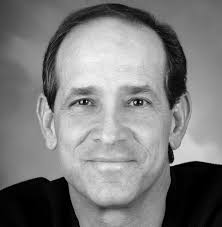
Actor, Sports Broadcaster
Mitch Laurance is one of cue sports’ most recognizable and trusted voices, an entertainer, storyteller, and broadcaster whose career has traveled an uncommon path from legendary television comedy to the pressure-packed arena of championship billiards. He’s the kind of presence audiences immediately feel: warm, quick-witted, and steady when the moment gets big. And whether he’s calling a final rack under bright lights or swapping stories about the personalities who shaped the game, Mitch has built a reputation on one essential skill, making people care.
Long before pool fans knew him from the booth, Mitch was developing the instincts of a live performer in the most demanding classroom imaginable: "Saturday Night Live". In the show’s formative years, he worked inside that famously fast, chaotic, and relentlessly creative environment, learning firsthand how timing, preparation, and teamwork turn a rough idea into something electric. Those early experiences weren’t just a résumé line, they became a professional foundation. Mitch has often reflected on what it means to operate under pressure with a clock running, an audience waiting, and no margin for hesitation. It’s a mindset that later translated seamlessly into live sports television, where a single shot can flip the story, and a broadcaster has to be ready to capture it in real time.
That blend of performance and discipline carried Mitch into a full on-camera career. After moving to Los Angeles, he worked his way into television roles, earning early credits that opened the door to a long run of…Read More