

 Apple Podcasts
 Spotify
 Mitch Laurance - Part 2 (From SNL to the Spotlight: Mitch Laurance’s Hollywood Twist )
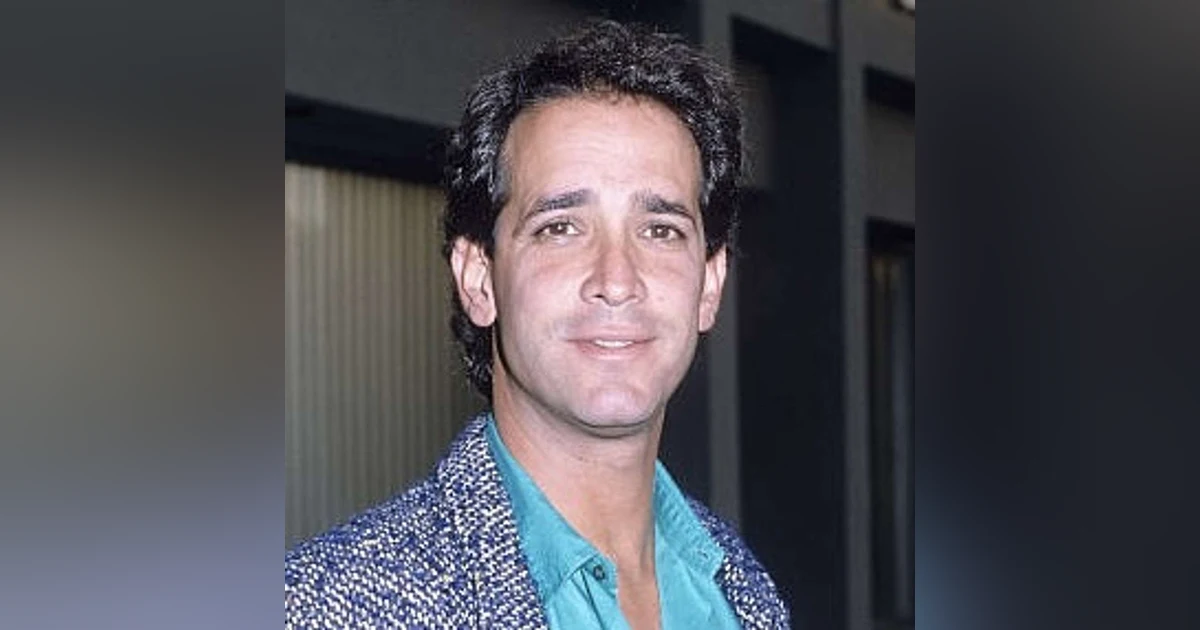

In Part 2 of our conversation with actor and sports broadcaster Mitch Laurance, Mitch takes us deeper into the improbable zigzags that turned a behind-the-scenes job at Saturday Night Live into a front-row seat to entertainment history—and ultimately, into a life on camera.
Mitch starts where most origin stories don’t: as a production “gopher” in the early days of SNL, absorbing the chaos, the pressure, and the genius up close. But week by week, opportunity finds him. He becomes a researcher for the writers, hunts down film and music clips, calls cues from the control room, and eventually earns his way into the Directors Guild. Then comes the moment that still feels surreal: Lorne Michaels taps Mitch to produce 20 prime-time “Best of SNL” specials, combing through sketches by theme and cutting them together with what Mitch calls “45-year-old technology.”
As the show explodes, Mitch quietly discovers something else—he likes being in the sketches. A line here, an extra there… and by 1980, with the original era ending, he makes a bold leap: move to Los Angeles and give acting a real shot.
That leap comes with a mind-bending twist. Mitch lands in Penny Marshall’s guest house, surrounded by a revolving door of Hollywood royalty—De Niro, Albert Brooks, Carrie Fisher, and more—while battling the ultimate imposter syndrome. Penny changes everything when she gifts him a role on Laverne & Shirley, getting him his Screen Actors Guild card and breaking the industry’s infamous catch-22.
But the heart of this episode is the complicated, deeply human story of Mitch and his twin brother Matthew—competition, distance, resentment, forgiveness—and the powerful creative reunion that follows, including memorable work together on Cop Rock, The Commish, and a standout Outer Limits episode built on parallel universes.
It’s a story about timing, doors opening, and choosing reconciliation—just before we pivot toward the pool world and one legendary “Striking Viking.”
Give Allison, Mark & Mike some feedback via Text.
Follow our show and/or leave a review/rating on:
Our website: https://www.legendsofthecue.com
Apple Podcasts: https://podcasts.apple.com/us/podcast/legends-of-the-cue/id1820520463
Spotify: https://open.spotify.com/show/4Za0IMh2SeNaWEGUHaVcy1
Music by Lyrium.
About
"Legends of the Cue" is a cue sports history podcast featuring interviews with Hall of Fame members, world champions, and influential figures from across the world of cue sports—including pocket billiards, snooker, and carom disciplines such as three-cushion billiards. We highlight the people, places, and moments that have shaped the game—celebrating iconic players, memorable events, historic venues, and the brands that helped define generations of play. With a focus on the positive spirit of the sport, our goal is to create a rich, engaging, and timeless archive of stories that fans can enjoy now and for years to come.
Co-hosted by WPA and BCA Hall of Fame member Allison Fisher and Mosconi Cup player and captain Mark Wilson, Legends of the Cue brings these stories to life—told in the voices of the game’s greatest figures.
Join Allison, Mark and Mike Gonzalez for “Legends of the Cu...
Not at that point because I was I was on the production side. There was no I never thought of myself as, oh, I want to be one of the not ready for primetime players, or I want to do that was never I never saw myself doing that ever. And as the show progressed, I started the I'm gonna say I think the seventh or eighth show, but the people that were coming in to host and the musical guests, and and as the show went on, the you know, the the players between well, all of them, everybody that was there at that point, as it started to take its life and really blow up, I uh a good part of me was just in awe. I mean, every week I would be doing all kinds of, and I was a gopher for probably six months, and then I started doing other things. So I became a researcher for the writers. I started working closely with them. Yeah, and that led to I then started finding film footage and any music clip that wasn't played live by the Saturday Night Live band, I had to find, get it, put it on tape, have it ready to play into the show. So I was doing all that other stuff, which led to giving music, all the music cues from the booth, the control room, during the show, whenever those music clips had to go in. So I was sitting with the music guy every show, and that led to me getting into the Director's Guild of America because I was an associate producer to do that. And I, you know, it took on that kind of production life. And the last year I was there, the fifth year, Lauren called me into his office one day. He said, Okay, we're gonna be doing 20 primetime best of Saturday Night live shows that are gonna air at nine o'clock at night, and I want you to produce them. Wow.
Allison FisherWow.
Mitch LauranceWhat? Yeah, you sure? This is me. I can do a lot of stuff. But somehow he gave me that job, and I wound up spending most of that year. I mean, during shows and during all that, I'd be in the studio. But I did 20-hour shows that we'd I have to go through, like each show had a theme. So if it was sports, I'd have to go through all the sketches that had been done with sports themes, and then pick out the ones that were the best, and then go through those and put a rundown together and go over it with Lauren and then go edit it for NBC. And then, you know, so I did that, which was interesting and pretty great.
Mike GonzalezWith 45-year-old technology, think about how different that would be doing it today.
Mitch LauranceYou have no, I mean, when we went to, and I remember the day we used to everything was shot at the time we were doing it originally on three-quarter inch videotape. So the reels were pretty big, and everything had to be loaded onto the machines and all the editing and everything else. And I remember the day when they went from three-quarter inch to half-inch video, and it was like going to the moon. Production, the guys in the production were walking around going, This is the greatest thing ever. I look back on now and I just, yeah, it was really, really a completely different time. But that those were those years. But during that time, I had started probably about the maybe the third year, second, third year, they started putting me in the show as an extra in scene. And then kind of the last couple of years, there were times I would do a line or two lines or whatever. And I liked that. I liked being in the sketches. I realized it helped that I was working with, you know, Steve Martin and Gilda Radner and Bill Murray. You know, just people. Yeah. But I liked it. And in 1980, there was a big change. All the Lauren was leaving, he wasn't producing anymore. The actors were leaving. That was all, I mean, all of them were getting ready to take off. And I didn't want to be around the show anymore for various reasons, which doesn't really matter. So, but I decided, okay, I'm gonna give acting a try. I'm gonna move to LA and I'm gonna get out there and I'm gonna take classes, and I'm gonna now my brother was already involved.
Allison FisherI mean, yeah, I was gonna say.
Mitch LauranceHe had already done a movie with Sidney Lumet, the great director, Treat Williams. He played Treat Williams' brother in a movie. I mean, he was already doing the acting thing. So it was kind of a big decision, and looking back at it, somehow I can't believe that I made it, given that he was doing it already. But I think I felt like he was in New York and I'd be in LA. So, okay.
Allison FisherYou're far enough apart.
Mitch LauranceYes.
Allison FisherIt's amazing how doors open though, isn't it? You start wanting something else.
Mitch LauranceAnd this goes back to the connect the Saturday Night Live connection. I had gotten to be very close to Penny Marshall. And at some point when I was talking about leaving, I mean, really close, and someday, not here, because it would take up too much time. I got to be friendly with some of the people who became hosts. There was a one of the writers on the show was a guy named Michael O'Donohue, who was completely out of his mind and one of the most sarcastically sardonic comedy minds I've ever been around in my life. I mean, he was. So Michael and Penny and Carrie Fisher and I went on vacation together to Paris and Switzerland. Wow. Yeah, wow. Yeah, wow. I mean, now I'm going, what? That was me. What happened? Yeah. What? But anyway, I didn't. So I'd gotten to be pretty close to Penny. And when I was thinking about going to LA, she said to me, Where are you going to stay? And I said, I don't know, I'll get an apartment or something when I get out there. And she said to me, Why don't you stay in my guest house? And I said, Oh you sure? She went, Yeah. And I said, Okay. So I moved to LA and I got to live in Penny Marshall's guest house and deal with all the that and the people that came and went, and which was just unbelievable. And you kind of you talk about imposter syndrome, that was it for me. Because I'd I'd walk into Penny's house just going in to say hi to her or her daughter Tracy or and De Niro and Albert Brooks. And I mean, you know, that's what the house was like.
Allison FisherYeah.
Mitch LauranceAnd somehow I got through that without running to the hills and saying, I really don't belong here. Because there were a lot of times when I really felt like that. But thanks to Penny, again, dots lining up, she came to me. I'd been there about a year and a half, taking classes, working in restaurants, doing all the actor things, and she said, It's your birthday soon, right? And I said, Yeah. And she said, Okay, here's your birthday present. And I said, What? And she said, and she gave me a script and she said, You're going to play my boyfriend on an episode of Laverne and Shirley.
Allison FisherOh, wow. So I could get my screen actor's guild. What a gift.
Mitch LauranceSo I could get my screen actors guild card, which was a catch 22. To get a screen actor's job, you had to have a card, but to get the card, you had to have the job. So it wasn't easy to do. It really wasn't. And she just handed it to me. She said, get your card and then you're good. So I did that. And then little by little started to kind of do some other parts. And all the while my brother's in New York. And I I think he probably at this point was going, What's going on?
Allison FisherYeah.
Mitch LauranceAnd I I'll take a step back because that gets into the really deep part of the twin relationship, which is that I am four minutes older than him. And though that doesn't sound like a lot time-wise, it was enormous in terms of dynamic. Because all growing up, I was always the older one. The older one. And I took on certain responsibilities because of that, and he took on certain perspective because of that. And there was always this kind of competition, and Mitch doing this, and then Matt doing that, and all that kind of stuff. And then so when this happened, and he really had his own thing acting, you know. And then all of a sudden, here I come. And that was the start of some really tense years because of that between the two of us. I went for an audition 1982 for a new pilot that they were doing on HBO, and HBO was fledgling. I mean, it was ESPN was just starting, HBO was just starting. And I was in the hallway for this audition. My brother walked in because he had moved to LA. And he walked in. And so the two of us are in the hallway auditioning for the same part.
Allison FisherOh.
Mitch LauranceAnd he was going, I this is nothing. It's cable TV. What is this? Nobody's even going to see it. Whereas I was just happy. I was just happy to be in there and getting an audition. So he went in first and he came out really quickly and just went whatever. And I went in, and for some reason, uh, other than being around Saturday Night Live, I had no experience actually working in comedy. It wasn't something I did. But I was in a hallway with people from Second City and just the groundlings in LA, really famous improvisational troops. And there I was again, pretending to be an actor. I went into this audition, and and you'll probably you may know this, although, well, 82. You were old enough, Allison. The show was a thing called Not Necessarily the News, which was based on an English show called Not the Nine O'Clock News.
Allison FisherDo I remember that?
Mitch LauranceDo you?
Allison FisherYeah.
Mitch LauranceOur producer had been in England and he saw it and he went, Well, this would be great. So he came back. And I went in, and for some reason that day, I was completely free. Just I was free. I didn't care. I didn't think I was going to get it. I was just free. And to my surprise, they called me back, and I went back three or four times and worked with some of the other people. And they did the pilot, and there were two of us that they were considering, me and a guy named Danny Breen, who was fantastic. And they decided after the pilot to keep both of us. So that started six years of not necessarily the news.
Allison FisherWow.
Mitch LauranceAnd it started after the pilot, we were doing, we did one every two months for a while, and then they did one every month. And it turned out to be, and it's still, as a kind of serious thing, by far the best job I ever had. Great, funny friends, you know, it was really that was a gift. That was a big gift.
Mike GonzalezIt's just too bad things didn't work out well for HBO. They really didn't become much, did they?
Mitch LauranceI know.
Allison FisherYeah.
Mitch LauranceI know.
Allison FisherDid Matthew stay in LA?
Mitch LauranceYeah. Yeah, he did. The way it the way it developed, and both of us had pretty incredible careers in TV. It just, you know, like other things, each one of us had our own kind of casting directors that liked us individually. And so they were most of the time we were not up against each other for things. He would go up for something and get it, and I'd go up for other things. And we did a whole bunch of guest storing things. Matthew did a show on Fox that was called Duet that was pretty popular. And he was on a show that did okay called Beverly Hills 90210. And I had my own stuff that I was doing. You know, I had my own kind of life. And we only had one other time where it we kind of it got really bad for a while. He had done a TV movie that he guest starred in with a director named Gilbert Cates, who was a very famous direct TV director, who was the uh just a big, big guy in Hollywood. And Matthew had done this TV movie with him. And a couple of weeks later, a couple of months go by, and I got a call to go audition for Gil Cates. And I walked in and Gil looked at me, and and because that's set up by a casting director. It's not like the director sits there and does this. So the casting director thinks you'd be right, and they bring you in and you read and do whatever. And Gil was in there, and this was it was funny to me. I don't think so funny to my brother. But the first time I saw him, he said to me, Oh, are you Matthew's brother? Yes. It's pretty obvious. We looked up. He said, Are you Matthew's brother? And I said, Yeah. And he said, Oh, I'm really sorry, but I think we called Matthew in. And I kind of went, Okay, that's fine. That's fine. And the next time I got called I got called in again by Gil. And I walked in and I said, Can we start off by just me asking you, Are you sure you want to see me? And he said, Yeah. And I said, Okay. He said, and it was for a TV movie that was unbelievable with Carl Malden and Henry Winkler and to play Henry's best friend. And he said, I love your brother. He said, but you have a different quality. And that's the quality I want for this. Said, okay, I read for the part, I got the part, did the thing. And when Matthew found out that Gil had directed it and was directing it, he was upset. He was really upset because he felt kind of like Gil was his. You know, that was the that was his perspective again. And we kind of talked about it, but I basically said, there's nothing we can do. It's just we're different, and you know, this is one thing. And it was a it was a pretty big TV movie, so he was upset that he wasn't in it. He was an actor after all. He wanted to do whatever he could. But we just kind of kept going our separate ways. And then toward the end of our tenure in LA, we we had talked, and we and there were really literally a number of years where I we didn't talk to each other too much. We didn't see each other, really. We would occasionally, because we were brothers and supposed to, but we weren't close at all.
Mike GonzalezAnd I would have thought Betty would have had a say in this by now.
Mitch LauranceYeah she wasn't she knew about some of it, she really did. And obviously it made her sad, and you know she was proud of both of us. She obviously supported both of us, and she came and did certain things in LA with both of us. We'd fly her out. I was nominated for a cable ace award, which was before they combined cable and TV in the Emmys. And I was nominated for a Cable Ace Award and I brought her out for that. So she had to kind of deal with that with me while seeing my brother for dinner, and you know, so there were moments it was it was tough for everybody, I think. But toward the end we talked about it and said, This is kind of stupid, this is really silly because we've lost our the key connection. Sorry. We've lost the key connection of our life. And let's not do that anymore. So we kind of made a mutual decision, and after that, and I think because of that, again, I don't think it's random, but I think once we had the courage to forgive each other and say it's all fine, everything's all right, and then we wound up working together and we did some great stuff together. We did a show called Cop Rock, which was really fun. Steven Botchko, these are names that probably don't mean much to you guys. Did a show called LA Law and they did a show called Hill Street Blues, he did, didn't he? Yes. And they did a short-lived series, it ran for two seasons, I think, called Cop Rock, which was a cop show with music, kind of like a Broadway show that I loved. I thought it was so creative. I thought it was unbelievable. And Matthew and I did a couple episodes of that. We did a couple episodes of The Comish, which was a great show. We did one episode of what is still one of my favorite things I ever did. There used to be a show when I was growing up called Outer Limits, which was like the Twilight Zone, but kind of different, had its own sensibility, but they brought it back on the sci-fi network. And Matthew and I got a call one day to go in and meet the director, is a guy named Alan Eastman. And he said, okay, this is a really interesting episode. The story is that there's the same guy, but that there's parallel universes that exist. And so this same guy is existing on parallel universes, and based on the choices they make is what happens in their life. And at this particular moment when the show happens, those connect uh crisscrossed. So the same guy meets himself, but there are a hundred and one is evil and one is good. So Matthew and I did that, and it was just awesome. I mean, it was unbelievable, it was really a great show. The episode was fantastic. They used all kinds of technological stuff, and uh we shot it up in Toronto, and it was it was just it was fabulous, and we were great. I mean, both of us really got into it fullbore 100%. And I I watch it now and I still love it. I I really love it. So the moral of that story just is that once we made the decision to be back together, we had kind of confirmation.
Allison FisherYeah, doors opened for both of you again.
Mitch LauranceYeah, and it was great.
Mike GonzalezI wouldn't want to put words in your mouth, but I think of my dynamic. I've got two younger brothers, Mark's got a brother, and I'm thinking Allie, you got a brother too. I don't know if you were competitive, but we were always very competitive. And I'm thinking to myself, all right, here's Mitch. He's kind of hanging around Saturday Night Live, probably not even knowing what he's into, but what a great opportunity. Um I've decided to be an actor. He's just kind of playing around with these guys. Next thing you know, he's hanging with Penny Marshall and Robert De Niro and Albert Brooks. Lucky little shit. What's going on here, you know?
Allison FisherAnyone would think that, wouldn't they?
Mitch LauranceOh, I had some I had some moments. I was up in while I was working on Saturday night because I had gotten to be friendly with Carrie Fisher, and she was really friendly with I hate name-dropping like this, but it's still mind-boggling to me that it was going on. But she was really close to Richard Dreyfus. Carrie was, and Penny was, and a couple other people. And so one night we were Richard had this uh unbelievable apartment overlooking Central Park West, and one night we were up there hanging around. There wasn't a party, but There were probably 10, 15 people up there. I could say the other people too, but it was just a bunch of pretty impressive people.
Mike GonzalezOur listeners want to know.
Mitch LauranceYeah. Robin Williams, Eric Ivan. Yeah, I mean it was that.
Allison FisherBrilliant.
Mitch LauranceBut anyway, at some point, and it was an old pre-war building, so it had these windows with big metal and heavy glass over, and he I forget what floor, but it was up at the top of the El Dorado building. And Richard went to open the window, and he went like this, and he put his hand through the glass. And it was bleeding, and I mean bleeding. These are just random things. I'm just thinking about it now of weird events that have happened in my life. But we wound up. He put his arm, he went to the bathroom, put his arm under the water and ran it in the just blood everywhere. And Rob Reiner was there. He was really, he was close friends with Richard, and he's going, come on, let's go. And somehow I wound up at I forget the name of the hospital on the upper west side of New York in the emergency room for about six hours with Richard, like this, and Rob. Just having a, you know, normal, they're gonna sew up your arm moment. I don't know why I was telling you that story, but well, while you're thinking about that. I was gonna say it'll come back to me. You were talking about competition and all that.
Mike GonzalezYeah, yeah, but while while you're thinking about that, so this is a little crazy connection here. I've got uh my wife and my daughters, and we're in Hawaii for Christmas one year, and I went and met with the pro, the golf pro at uh Kapalua at the time, who was Gary Planos. Gary ran the tournament theories director of golf there for he was a legend there, right? And we told him we were going over to what I guess is the big island, I think, uh to and we were gonna play golf. He asked me if I was gonna play golf. I said, Yeah. He said, Well, make sure you go over to Mona Kea and say hello to JD Ebersburger over there, or Ebersbacher, Ebersburger, I think. But anyway, the pro there. So I fine. I first thing I do, I get to Big Island. I walk in, I say hello to JD, and JD says, Hey Mike, yeah, good to meet you. Glad you're able to say hello to Gary. And do you want to play golf while you're here? I said, Yeah. All right, well, we got a game tomorrow if you want to play at one o'clock. I said, fine. So I show up the next day, first T, and it's JD and me, Richard Dreyfus, and his manager. And by the way, he had just recovered from that accident.
Allison FisherReally?
Mitch LauranceUnbelievable.
Mike GonzalezHow's that for Spooky?
Mitch LauranceThere are no random things. Like I was saying, that's that is unbelievable.
Allison FisherThat really is.
Mike GonzalezCrazy. Crazy.
Allison FisherWho won the golf? Who won the round?
Mike GonzalezHe and I, we we alternated up six holes. You know how you do that, Mitch. Six holes partners, you know, with the round. And so he and I partnered for for the last six holes. And of course, he was a terrible golfer, but absolutely loved it, right? Well, he just caught fire those last six holes, and and we won those six holes. We'll never forget that big high fives on 18. And he was he was really into it, yeah.
Mitch LauranceHow unbelievable. That that is so incredible. That is uh oh wow, what do you even say?
Mike GonzalezBut back to competition and and all that. So, I mean, I I I can certainly relate to it just as a brother, not necessarily as a twin brother, but here you guys are in the same craft.
Mitch LauranceYeah. Yeah. And like I said, at that point, that's when things really changed. And my life changed. I'm gonna further the story. My life changed. I decided to leave LA, it was 1992. I had met some woman named Ava, but I decided to leave LA in 92, and Matthew decided to leave LA a little bit after that. So both of us wound up saying, okay, Matthew did not act anymore. I did after I left LA. So that continued.
Mike GonzalezIs it fair to say that you love the craft but not the LA scene?
Mitch LauranceYeah, I just I got to a point where I was really I was definitely tired of the LA scene at that point. And it was made uh it all kind of came together because I had met Ava in 1990. And I'm sure we'll get to that story. But I met Ava in 1990, and when I was thinking about moving, I was we were thinking about moving to Charlotte. And I got a call one day when I was in LA from an agent in Charlotte, and Jan O'Neill, her name was, and she said, I hear you're moving to LA. I mean to Charlotte. And I said, Yeah, I'm thinking about it. And she said, Well, if you do, I can be your agent here, which would be good, because I work with everybody in this area. And I said, I'll keep that in mind, but you know, thanks. And after I thought about it for a while, uh, she's uh I called her back and I said, How did you know I was moving to Charlotte? And she said, and I had done at that point, I had done two episodes of Matlock. And the guy who produced Matlock was a guy named Jeffrey Peters, Jeff Peters, and she said, Jeff Peters called me. He they wanted me to come in and do a third episode, and I told him I was pretty sure I was going to move to Charlotte. And he Jeff called this agent and said, Hey, there's a guy coming to Charlotte, and if he moves, get him because he'll work there. And once I heard that, then it really cemented the decision. So that, and then Ava moved down from Michigan, and we got together in Charlotte in 92. As, yes, bobblehead.
Allison FisherAre we talking about this? This Ava. This Ava, this particular Ava.
Mitch LauranceThat yes, that particular striking Viking Ava.
Mike GonzalezSo so for our listeners listening to this as an audio-only format. Yes.
Allison FisherI've got a visual here, haven't I, of a bobblehead of Ava from Ava. I requested it. She gave it to me quite a while ago. A billiard bobble legend, Ava Matthias Lawrence.
Mike GonzalezThere you go.
Allison FisherSo I've got that here sitting on my desk, showing it to Mitch.
Mike GonzalezI'll put this little clip on Facebook or something so people at least see what you're talking about there, Allie.
Allison FisherSo yes, but now we're getting into the pool world, aren't we?
Mitch LauranceNow we're getting into the pool world.
Allison FisherThank you for listening to another episode of Legends of the Cube. If you like what you hear, wherever you listen to your podcast, including Apple and Spotify, please follow, subscribe, and spread the word. Give our podcast a five-star rating and share your thoughts. Visit our website and support our Paul History project. Until our next golden break with more legends of the Q, salon everybody.
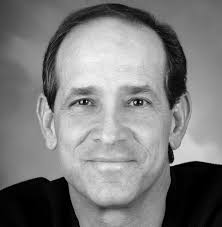
Actor, Sports Broadcaster
Mitch Laurance is one of cue sports’ most recognizable and trusted voices, an entertainer, storyteller, and broadcaster whose career has traveled an uncommon path from legendary television comedy to the pressure-packed arena of championship billiards. He’s the kind of presence audiences immediately feel: warm, quick-witted, and steady when the moment gets big. And whether he’s calling a final rack under bright lights or swapping stories about the personalities who shaped the game, Mitch has built a reputation on one essential skill, making people care.
Long before pool fans knew him from the booth, Mitch was developing the instincts of a live performer in the most demanding classroom imaginable: "Saturday Night Live". In the show’s formative years, he worked inside that famously fast, chaotic, and relentlessly creative environment, learning firsthand how timing, preparation, and teamwork turn a rough idea into something electric. Those early experiences weren’t just a résumé line, they became a professional foundation. Mitch has often reflected on what it means to operate under pressure with a clock running, an audience waiting, and no margin for hesitation. It’s a mindset that later translated seamlessly into live sports television, where a single shot can flip the story, and a broadcaster has to be ready to capture it in real time.
That blend of performance and discipline carried Mitch into a full on-camera career. After moving to Los Angeles, he worked his way into television roles, earning early credits that opened the door to a long run of… Read More