

 Apple Podcasts
 Spotify
 Nick Varner - Part 1 (From Farm Fields to Pool's Grand Stage)
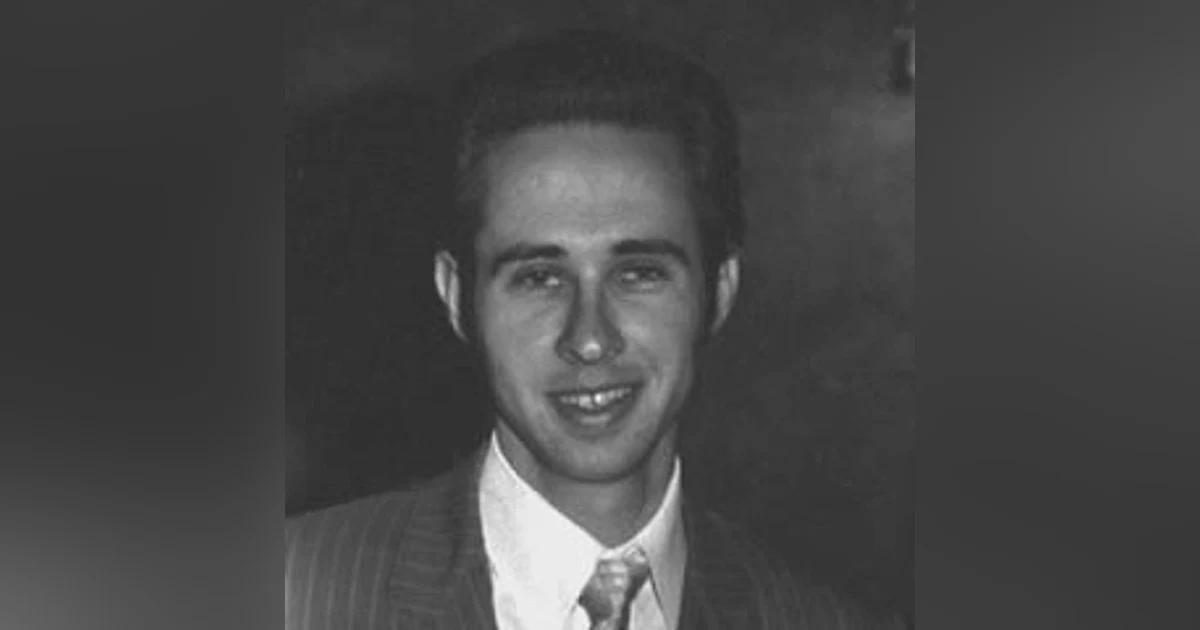

In this first installment of our four-part conversation with Hall of Fame legend Nick Varner, we trace his remarkable journey from the dusty farmlands of southern Indiana to the glittering lights of pool’s biggest stages. Known as the winningest all-around player in American history, Varner holds world titles in eight-ball, nine-ball, ten-ball, straight pool, and one-pocket — a resume as versatile as it is unmatched.
Nick’s story begins with a childhood spent working the family farm, learning discipline behind the wheel of a tractor long before mastering a cue stick. A chance introduction to the game came when his father — a farmer turned small-town poolroom owner — set young Nick on a Coke crate to make his very first shot. From that moment, he was hooked.
We follow his early years honing his skills in local Indiana poolrooms, navigating the gambling-for-quarters culture of the time, and competing in the fiercely contested Purdue University campus tournaments. Along the way, Varner shares vivid memories of legendary players like Joe Balsis, Luther Lassiter, Jimmy Caras, and Irving Crane — names that shaped his competitive drive and his deep respect for the game’s traditions.
Nick also recounts his surprising detour into the PGA apprenticeship program, how golf nearly became his profession, and why he ultimately returned to the family business — running a poolroom, giving lessons, and hitting the road to perform exhibitions across the country.
With warmth, humor, and a trove of behind-the-scenes stories, Varner paints a portrait of an era when pool exhibitions packed ballrooms, reputations were made in short-rack races, and respect for one’s opponent was paramount. This is the foundation of a champion’s life — and just the beginning of an unforgettable four-part journey through one of the sport’s most storied careers.
Give Allison, Mark & Mike some feedback via Text.
Follow our show and/or leave a review/rating on:
Our website: https://www.legendsofthecue.com
Apple Podcasts: https://podcasts.apple.com/us/podcast/legends-of-the-cue/id1820520463
Spotify: https://open.spotify.com/show/4Za0IMh2SeNaWEGUHaVcy1
Music by Lyrium.
About
"Legends of the Cue" is a cue sports history podcast featuring interviews with Hall of Fame members, world champions, and influential figures from across the world of cue sports—including pocket billiards, snooker, and carom disciplines such as three-cushion billiards. We highlight the people, places, and moments that have shaped the game—celebrating iconic players, memorable events, historic venues, and the brands that helped define generations of play. With a focus on the positive spirit of the sport, our goal is to create a rich, engaging, and timeless archive of stories that fans can enjoy now and for years to come.
Co-hosted by WPA and BCA Hall of Fame member Allison Fisher and Mosconi Cup player and captain Mark Wilson, Legends of the Cue brings these stories to life—told in the voices of the game’s greatest figures.
Join Allison, Mark and Mike Gonzalez for “Legends of the Cu...
Welcome to another edition of Legends of the Cube at Mark Wilson. We got a Hall of Famer with us today.
Mark WilsonWe got a special one here, and I couldn't be happier about it. He's the uh winningest all-around player in American history. He owns world championships in eight-ball, nine-ball, ten-ball, straight pool, one pocket, and probably a couple other games that I don't even know of. Nevertheless, it's the Kentucky Colonel Nick Varner. Welcome, Nick.
Nick VarnerHi, Mike and Mark. Uh good to see you guys.
Mike GonzalezWell, it's great to have you, Nick. We're looking forward to this. Of course, uh, as we shared yesterday, we kind of grew up in the same part of the country, and uh part of what we want to do, we want to tell your life story, obviously. And so uh that sort of starts with you growing up in uh sort of northwestern Kentucky. Why don't you tell us a little bit about your earliest recollections growing up there?
Nick VarnerWell, I was raised on a farm in southern Indiana, right across the river from where I live today, and I was actually born in Owensboro, but I I was raised on a farm in southern Indiana and uh and then I uh uh uh when you raised on a farm, you get a work, you get to as soon as uh you're old enough to drive a tractor, probably ten years old or maybe a little sooner, you're especially in the summertime, uh you're out on the farm driving a tractor, so uh you get to work. And uh one of the reasons why I didn't want to stay on the farm. Once I went to the city, I I I kind of like the city life. Uh, it looked a little easier to me.
Mark WilsonYou're not really built heavy enough to bale hay in this heat.
Nick VarnerNo, but I could drive the tractor. I couldn't throw it. It'd be tough to throw it on the wagon, but we did do a lot of hay baling.
Mike GonzalezYeah, yeah, and corn detassling. Yeah, driving the combine and uh for the wheat and the corn. So did the family have a farm for a few generations?
Nick VarnerYeah, a couple generations. Uh uh my dad uh he was uh he was uh there were six kids in his family, and uh m my grandfather and his dad, they uh he had been r pretty successful. He owned a farm ground and and then he rented some farm ground too that he farmed. And then dad was, I think, the only one of the six kids that didn't get a college education. He was going to Indiana University and and his dad got sick and there was nobody left. He had to go back and run the farm and he never got back to Indiana. And uh I'd kind of like to see what he would have been like as uh as an attorney. I think he'd been a pretty good one because he's pretty quick on his feet and conversationally, but then uh when I was five years old, he bought a small pool room in uh Grandview, Indiana. And uh anyway, uh I remember the first time he took me down there. I remember the first shot I ever shot. He took me to the pool room and he's showing me how to hold the cue. And I'm standing on a wooden coke case right in the corner pocket, and he said, uh, aim at that middle diamond on the side rail. And he said, uh, and if you hit that middle diamond and hit that white ball in the middle, it'll go in the side pocket. So after a few times, uh uh I made that in the side and I thought, wow, that's cool. When that ball banked in there, I thought, wow, that that's really interesting. And so I was kind of hooked from then on, and and uh I played off and on in the wintertime when we weren't farming or I wasn't in school, and then uh and then then uh uh I got to high school is when the royal started playing, they had a pretty nice pool room. Uh close to where I went to high school in Tell City, Indiana, Tell City High School, and then uh uh there was an eight-table pool room, all nine foot tables, and so uh and there were several guys that played pretty good. And and uh, you know, back in those days there weren't any leagues or tournaments, so the only way you could grade your paper, so to speak, was uh you had to uh bet a little bit, you know, quarter on the nine, fifty cent or quarter on the five, fifty cent on the nine, that was a big game, and then once in a while you play five dollars a game, but that was pretty big money back in those days. And uh so uh I got to be a pretty good local player, but then after high school I went to uh uh Purdue University and I was a pretty good student, so I didn't know exactly what I wanted to do, but I I didn't really want to work for somebody else. I I wanted to hopefully be able to find something where I could work for myself. So when I was a junior they up and uh opened up a championship golf course close to where I lived. And uh anyway, uh uh they had uh a pro that they hired and then and then uh I thought, boy, I want to do that because I like golf. I played high school golf and and uh I was a pretty good golfer, not really good enough to play college golf, but right under that. And and uh so uh I thought, boy, that sounds like a good job because I like to play golf. And then uh the guy that was a head pro, I was in West Lafayette, and he was coming from the Kokomo Country Club in Kokomo, Indiana, and it's about an hour's drive. So I went over, I dressed up in a suit and tie. When I walked in there later, he told me, he said, he said, Who's this guy walking in here with a suit and a tie? And uh back in those days you wore a suit and tie to make a good impression, and it's a little different today, but but uh but anyway, I got the job and and uh he was a great guy to work for and and uh uh he uh I worked for him six or seven years, and I went through that whole PGA apprenticeship program. I thought what I was gonna do. Because when I was at Purdue, I saw that uh, you know, everybody wore gray slacks, a white shirt, a striped tie, a navy blue blazer. That was standard uniform. When you went to interview with corporate America, and that just didn't appeal to me. Uh I wanted to do something where I had a little more freedom. And and so uh I went through that whole PGA apprenticeship program. You have to go through a couple business schools, a couple teaching schools where they teach you how to teach, and uh then uh you have to pass a playing test. And and so I passed a playing test, and uh after about five or six years, I got my PGA tour card. It was called Class Junior A. And what that meant was you were an assistant pro. The junior A meant you were assistant pro, but you were ready to start interviewing for head pro jobs. And then after going through all that, I got to thinking, you know, I'm working at this golf course, I'm gonna be working for a golf committee or golf chairman at the country club, so he would hold a lot of power over you. And then I heard that most pros don't last over you had to move every seven years because uh they like a fresh face, is the head pro, you know. I mean, there's a few clubs that where the guy stays there 30 years, but that's definitely the exception, not the rule. And so I decided to go into the family business, which was a pool room and a retail store. Uh dad invited my father invited me in, and then uh he said he would let me go play in tournaments, although that was about 1975, and there wasn't a lot going on with Pro Pool at the time. Everything was usually either on the East Coast or the West Coast, and the prize money wasn't exactly uh, you know, wasn't exactly too impressive. So, but I was when I was a junior and senior well when I went to Purdue, I didn't plan on I didn't plan on uh even playing pool. I there was like 10 or 15,000 students there at the time, and I thought uh there's probably a bunch of people that can beat me here, and so I didn't even go in the pool room the first semester, but when I went home for Christmas after the first semester, I started playing with my friends, and uh I won some money off of a uh rich kid, and and uh and so when I went back to pool, I thought, or when I went back to school, I thought, I wonder if anybody else plays for money, and and so uh I started playing a little bit that like I say, that's about the only reason you could way you could grade your paper. So I went into campus pool room. I said, anybody in here plays for a little bit of money. And he says, Yeah, that get over in that table, we'll find out he's the current Purdue champion, and uh and he ended up going to the regional when I went into pool room. The campus tournament was over, and then they had the regional in February, and then the national in March or A usually April, I think. And he won the whole works. He won the national championship. Well, I went over and played him a little bit, but we only played about a maybe an hour, and uh and uh I was stuck a couple games, but uh uh I thought uh I think I can beat this guy, but I'd never played a game of straight pool. That's what the campus tournament was back in those days. And uh I'd played nine ball, banks, rotation, eight ball growing up, but two games I had never played was straight pool and one pocket. So so anyway, the next year, he was just a sophomore when he won the national. So the next year I played him in the finals of the campus tournament. And what was funny, people get a laugh about this today, uh uh this was 1967. Uh they limited our campus tournament to 128 players, and we played straight pool. And uh and people are amazed when it, and I mean it filled up in like three, four, five days. I mean, if you didn't get signed up pretty quick, you didn't get in because it it was a full field. And so I played him in the finals and I beat him, and boy, everybody at the school, the people in the union, they're all rooting for him so hard because they wanted they thought I didn't have much of a chance to win the national title, so they were pulling hard for the guy's name was Richard Baumgart. And uh, but uh it didn't do him any good because I beat him and and then I went to the regional, and back then they only had the financing to send four people to the nationals uh tournament, so it was based on your ball printing average. And uh so I lost by one point in the final. The guy was a real defensive player, and I gambled in a couple of spots because I had to keep my I didn't want to win the regional and not get to the national, and uh my ball printing average was high enough, but I I took a chance, left him on the end rail, and he happened to make it, and then uh I ended up losing. He didn't get a goal of the national either because he's a good player, but he was most he's defense real defensive oriented, and then but the next two years when I was a junior and senior, I went to the national tournament and and won the national championship, and then uh Joe Bosses came to Purdue when I was a senior and uh might have been when I was a junior. But anyway, they back in those days exhibitions were really big. Uh uh they put a table in the ballroom and they put bleachers in Park could see seven, eight hundred people, and and it was packed. I mean, poo, it was it's in some ways it was bigger in those days than it is today, and in uh uh in uh in terms of the exhibitions, and I thought I'd just be holding the cue and uh because I thought pros never missed, and uh I didn't realize that they missed just not very often. And so anyway, uh the score got to be 147 to 92, and Bossis, he's another fella Hall of Famer, and and he he missed a ball, and and I got up and run 58 and out, and boy, I tell you what, I was flying high. I mean, that adrenaline was pumping big time. That was a huge, huge accomplishment for me, because I I had no idea I had any chance to win when I went into the match, but even though I I kind of had a little common sense where I knew I wasn't quite as solid as him at the time, and and uh but I could see that uh I had some real potential, that's what that match told me. And and then he took the heat a little bit. He wasn't used to getting beat by a college boy, and and he said, Do you gamble? And I said, Well, yeah, I do gamble. And and so uh uh I thought if I could get uh uh three or four hours uh playing with this guy, I probably learned enough that it might be worthwhile losing a hundred or two. But I didn't just want to play one game of stray pool and my money disappear. I I wanted to try to get some value for my money. And so uh I thought nine ball, he shoots awful straight. And it just a year or two before he'd won that Johnson City tournament over close to where you're from, Mike, uh there in Johnson City, and and uh anyway, uh I thought straight poo, uh I I know I'm not as solid as him, uh, even though I beat him and but I I thought I picked one pocket because I didn't think he'd probably play Banks, but but Banks would have probably been my best game to pick. And in uh but I picked one pocket because I knew how to play safe. I thought if I could keep him if I could keep him from running out early in the game, because he's like all good players, he's like a buzzsaw when the balls are all the balls are on the the rack end of the table. And I but I knew enough from the straight pool to kind of I thought I had a chance to maybe keep from losing the first or second shot by playing safe. And then what I didn't realize was uh how important banking was in one pocket as well as playing safe. And uh he was like a fish out of water at the banks where you had to load it up with English. And uh I didn't get that from One Pocket, but I got it from bank and where you had to lag the ball at the hole to keep from leaving the guy uh a cross corner or something bank. And uh and uh I knew enough from that from and he he if he could hit the banks firm, he was deadly, but boy, when he had to roll them pocket speed, he was a little bit like a fish out of water. And uh uh one of the things that's interesting about him when he played over in Johnson City that year, uh he was playing Ed Kelly, and Ed Kelly won the nine ball and the one pocket, and and uh so that year there's only two players and all around because boss says he won the straight pool. Well, everybody thought Kelly was like a huge, huge favorite, and anyway uh they flipped a coin to see which game they play first, and they played straight pool with Kelly beat him. Oh, and the people betting on Kelly, they're licking their chops now. Because uh they think it's uh gonna be automatic that uh Kelly wins, but bosses uh beat him in the nine ball and beat him in the one pocket. But that's why I was a little surprised when I beat him, but I realize that you know you play in a short race to four there at Johnson City, and and uh, you know, boss is certainly capable, you make a mistake, he will he will punish you because he can run that eight and out as good as Kelly could. And and uh and uh so probably the games didn't get up table very much, and it was mostly uh shot making and offensive one-pocket games, and uh uh and uh so he he uh kind of double-crossed uh Kelly and his fans and betters there because uh he won the two games he wasn't supposed to win, and and so that's when I started playing him. I didn't think I'd win the one pocket either, but I thought I could last a while, and darn if I didn't uh win uh end up winning enough to pay my tuition for the whole year. Oh my so man, I was really talking about flying high. And I think my game took a gigantic step forward after that night. And uh, and so I so I I started traveling around. In fact, I went to your your did you go to the University of Illinois? I did, yeah. Okay. Yeah well I went one one weekend uh myself and a couple of my college friends, we went over looking for a game to champagne, and we stopped. One thing I always like to do, I wanted a car with a good battery and a full tank of gas before I went into pool so I could get home. And uh so uh uh anyway, I stopped and this guy uh he's uh filling my tank up and and uh I said, where they play pool for money around here, and he said, Well, I play myself. He said uh so uh so uh he said, Let me check one of my bosses in here and see if I can get off. He says there's a bowling alley right down the street here where we can play. And so uh anyway, he didn't have a very good night, and uh you might have got your tank filled up in the next few days, but I I bet you didn't get your windows washed.
Mike GonzalezAnd uh did you did you make it to the union in uh Champagne? That's where all the pool you know, the gold crowns were in town.
Nick VarnerYeah, yeah. I don't think I made it there that trip. I just got to that bowling alley and and uh Yeah.
Mike GonzalezSo how how how how old was Joe when you played him in 1970?
Nick VarnerOh gosh, I don't know. Uh I'm guessing 50. He might have been a little older, but but uh he was at the top of his game. I I'd guess about fifty. And uh so uh so that was huge for me. And then there was another he Joe did a lot of exhibitions and I never beat him again. I never beat him again until 1980. That was 69 or 70 when I played him and beat him, and I played him a few not a whole lot, but three or four more exhibitions, and he drilled me every time. But the next time I played him, I played him at the World Tournament in New York City, and I played him the second round, and uh I ran over him this time and and uh went on and won that. That was my first world title in 1980, and and uh so uh but he was a great champion and he he had a good personality and and uh he uh he really I couldn't wait to get back to the pool room, try some of the trick shots he did and stuff, and and uh so then after I got out of college, I I didn't know really what I wanted to do, but uh I started uh uh uh doing a lot of exhibitions. And I was still working in the summer in the golf business six or seven months, and so I'd worked six or seven months in the golf business, working on that uh PGA card, and then uh and then in the winter I played pool and and uh then when I moved back to go into the pool room business with my dad, and he was already in the pool room business, and and uh he had uh bought a pool room that uh in the hometown where I live today, and and uh so I started working there and I was promoting the pool room and giving lessons and and trying to build up leagues and then selling products and tables and then uh uh the table business was pretty good in those days and and uh then uh I thought one day in j January I I I put together a package on trying to sell since I was two time national collegiate championship and since most of the y the the schools had tables pool was pretty big sport back in those days they pushed a lot of the sports that are lifetime sports like pool bowling bowling chess table tennis and that was part of what was called the Association of College Unions International and that was the national championship and so uh man I I got on the phone and I'd worked on a pretty good sales pitch and I couldn't believe it I I lined up like a dozen like in a week uh uh at colleges uh in fact some of them were over there in St. Louis the junior community colleges and uh and McHenry College here in Illinois and and uh then I really got into it I went to a a national conference where entertainers go to uh try to book block book a lot of shows and and so uh I set up a booth and pool table and got somebody put a pool table up and then and it was uh it was a big hit in those days and didn't have much competition either and so so uh eventually by about eighty three or something I'd got up to about eighty a year so it was a big part it was a huge part of my income and it's it's it's like a it's like doing a golf exhibition isn't it you really have to learn your craft you're you're you're a showman you've got to you've got to learn how to put that whole show together don't you? Yeah it's all about the conversation you've got to entertain the people and and uh the first thing I always tried to do was uh get them to laugh right in the beginning and and uh like uh one classic was you know if I did a three-ball trick shot or something and nobody applauded I'd put my hands together and they'd all laugh and I said boy you're a tough crowd here so they came along pretty good after that they got with the program but it's more about what you say than the shot and and it's funny back in those days I'd say the trick shots were the best part and then the match uh playing the match with the best player uh uh that was a big part of the show so during the match you didn't have to talk too much but when you got to those trick shots you had to be entertaining and because there wasn't so much back in those days they hadn't seen anybody so the simplest trick shot they loved it it was like magic to them and uh and and uh today so many people have done exhibitions it's not quite as strong but but today it's funny how the exhibition changed from the match and the trick shots to today they want to hear the stories they they they they want to hear about all your experiences over the years and and uh that's probably more popular than anything you do in an exhibition is is uh usually I open it up to questions pretty early in the exhibition I usually run a rack and talk out loud and and then I open it up to questions and that usually leads to not only instructional questions but but questions where I can interject a lot of funny stories and stuff and they absolutely love it.
Mark WilsonYeah yeah so Mark were there a lot of guys other than Nick doing these exhibitions back in this era there were some uh like he said Joe Balsus uh he was around and then Irving Crane did him Moscone Fats would come through um I'm sure there's others uh I'm not remembering but just going back to Joe Balsus for anyone that heard Nick talking about that here was a guy he he was a fascinating guy won the US Open and uh Lord knows how many other titles but he was a kind of a burly built kind of a guy and nobody hits the balls harder and straighter than Joe Balsas I mean it would whap the back of that pocket when it wasn't even really necessary but he just played that way. And so he was just uh amazingly accurate with it and kind of a fearless shot maker and they called him the meat man and later in life I learned that was because his father was a butcher but when I played him I felt like because he he's a gonna carve you up you know and that's just the way it went it he was not gentle.
Nick VarnerI will tell you that I hardly got a turn well one thing he was good at it was funny that uh year before I won that tournament 79 he had a day on uh Saturday before the finals for the record books he he ran so many hundreds uh and he went through five of the best players in the world and uh and uh but I think eventually that's what got him in the finals because he kind of fell flat in the finals but he played like a machine on that Saturday he went through people like with a buzzsaw and then I and then I played him the next year but he he was dangerous from behind because a couple of those matches I think his opponent had like 130 or something and going to 150 and and uh boy you had to put him away because he come roaring back and uh and uh he he was dangerous uh even from behind not uh everybody's pretty good front runner but uh but not everybody can uh play from behind who were some of the other uh older pros I guess that uh would have influenced you and your game early on well I love that Luther Laster he he he really dominated there at Johnson City over that uh 10 or 12 year period they had that tournament over there he really dominated and he also during the 60s he was almost unbeatable four four out of five straight pool world tournaments that was the big game uh up until the late 70s nine ball started coming on but when you won the world championship in straight pool you were kind of considered the king of pool for the next year until the next tournament but that toward the late 70s that started to change and and but anyway he uh he was such a nice guy he was a humble guy just uh pretty uh nothing fancy and but boy could he play and he uh I first time I went to Johnson City I asked uh a pretty good player from Cincinnati Joey Spade I said uh anybody ever gamble with this Luther and and uh he said well not unless they're crazy people and uh and uh first time I went to Johnson City he said uh he said who'd you draw? I said well I drew Lassiter he said uh well not the first round but I drew him in the nine ball it wasn't my first professional match Ed Kelly was my first match in uh Johnson City and and then uh he said well who you playing on the loser side next I'm thinking well I'm not quite ready to surrender yet let me play and so but uh him and then another guy that I got to be really good friends with was Jimmy Karis and he did a lot of exhibitions in the Midwest he worked for Brunswick for years and uh he uh I used to if he's within a hundred miles man I'm telling you I got there at five o'clock uh I just hoping to get a chance to ask him two or three questions and uh I know after a while I probably went to eight or nine or ten and he had such a him and bosses both they really made you want to play they they had they really got you fired up when you watched them play. They had such a good exhibition and and uh uh both of them and and uh and they had a both had real entertaining shows and so uh anyway once I got to be a pro and then when I went in the Hall of Fame he's still in there and uh and and uh we got to be best friends. I used to love sitting with Eddie Taylor and uh Jimmy Karas because boy they could just tell stories all night. They were so entertaining and in fact I talked to Jimmy Karis got to be such good friends that uh I I lived in Orlando for four or five years and and anyway they they had a tournament in about every three months up in Jacksonville and and it was open to anybody well up where I was from in Kentucky most of the small tournaments I couldn't they wouldn't even let me play in them and and uh but down there they was open I thought wow this is sweet here and uh and so Jimmy used to he was living with his daughter there in Jacksonville and he he used to come out and watch me play and we'd go to dinner and and uh got to be really good friends and then and then I actually talked to him the day that he died and uh uh and uh so yeah I was lucky. Those I really have a lot of respect for those uh old time players and uh because uh in Straypool if you played with the Straypool tournaments you could you could trust any of them if they made a foul they'd called on themselves and their character was just beyond reproach and uh and I just loved that uh uh just loved that those uh old time players are characters and and they play jam up too uh I know everybody thinks some modern players play better but I tell you one guy said that uh in one tournament a guy came up to me at the US Open he said he said I just talking to another player over here I don't want to name his name but he said uh he said there's ten lasters on tour today he says what do you think about that I said well obviously he never saw Luther play and uh and uh so uh and I I got lucky I got to play an exhibition tour where we did several stops in North Carolina and oh my gosh the people in North Carolina they they would bow on their knees when he walked in the pool room they had such fantastic respect for him and and Irving Crane I think gave him the one of the best uh uh compliments uh anybody he said Luther was almost unbeatable in the the 60s and and uh and Irving handed out compliments about like most people hand out hundred dollar bills and uh but boy he he couldn't say enough nice things about uh Luther and yeah Ir Irving Crane you know when you see him on video and stuff he always looks like such a classy guy you know he's was that was that his his personality yeah well he was a Cadillac salesman uh for his um job and he uh he was a classy guy and he always had a suit and tie he played with a suit and tie and and uh yeah he was really a class act I remember Lou Batera used to tell a joke about him he says yeah I stopped by to see Irving in Rochester where Crane was from and he said uh said it's a little bit late but uh Irving answered the door and said he still had his suit and tie off and uh and uh and so uh yeah he and I remember one year talk about a classy thing at the world tournament in New York and I think Jimmy Fusco ended up finishing second to Miserac at the world tournament is probably 83 something like that and anyway uh Irving started having dementia in uh case of Alzheimer's I guess because I've never seen anything like it before or since but he Irving had a break shot and all of a sudden instead of shooting at the break ball he just shot into the whole rack and spread them apart. Well he's this is this is a I mean a world championship match. I mean that's a foul. I mean he's supposed to lose his turn so the referee called uh called uh time out there and uh tried to explain to Irving what he had done and then Jimmy talk about Jimmy Fusco the guy's playing talk about a classy individual he let Irving set up the break shot again which is you know it's probably never happened before or since in any professional match and let Irving continue. I thought that was wow classy five star classy there.
Mark WilsonYeah it speaks volumes about Fusco's character too that's just the kind of guy he was as well class act yeah how about Mosconey were you able to see him play much I never really got to see him play.
Nick VarnerHe was mostly just all trick shots and I've heard so many stories about that guy and and uh uh he just uh had to be a phenomenal player and and uh uh yeah I never had much contact except at one Hall of Fame banquet I sat next to him and and uh I remember when I went in the Hall of Fame in ninety two I ended up uh next to Moscone and Fats and I thought how did I get here? How did I make it here? Because uh I just idolized those guys and I had gambled with fats some when I was about 21 22. Yeah tell us about most most of the games well my dad he got me started with pretty good fundamentals and and uh but most of the games I had to learn them by the old trial and error method and that's kind of slow process but in one pocket I got a huge break a guy from Evansville Indiana named Hubert Cox they called him Daddy Warbucks and he's maybe the most interesting guy I ever met in my whole life and uh he uh he took me under his wing and I tell you what he turned me into a top one pocket player pretty fast in five or six months. I was pretty well a top one pocket player and and uh isn't he in the one pocket hall of fame? I don't know but if he isn't he should be I mean he might be yeah he might be a legendary one pocket player I don't know if they put him in but they may I don't remember them doing that though but but uh he certainly belongs in there and and uh anyway he's uh he he he's from that uh era where him and Fat they gambled together their whole life and fat's Hubert really he's a huge man and and uh and uh he married one time he's married at least three times that I know of and he was married for a while to a Broadway star in New York and and she worked a night in them shows and he said uh so he said I went down he said I love the games uh the black played bank pool one pocket and some of the card and dice games he loved that well then he hooked up with Nick the Greek up there who was a you know a legendary gambler and anyway one night they went down there and they was playing craps and they got broke and so the next day they're Hubert's sleeping late and in the afternoon uh Nick comes and knocks on Hubert's door and Hubert answers says what are you doing here he said we lost all our money last night and he said Hubert I got a big bankroll here and and I guess that he was such an entertaining character that the guy that owned uh Wrigley Chewing Gum just loved the guy and he could get anything from PK Wrigley that he wanted and he said let's go back down there and get our money back and so that he he and he could Huber could have done a movie and a book out of this world.
Allison FisherThank you for listening to another episode of Legends of the Q. If you like what you hear wherever you listen to your podcast including Apple and Spotify please follow subscribe and spread the word give our podcast a five star rating and share your thoughts. Visit our website and support our Paul History project until our next golden break with more Legends of the queue so long everybody
Pool Professional
Nick (Kentucky Colonel) Varner’s name has been spoken with reverence in poolrooms for more than five decades—not just because he won, but because of how he won. Calm under pressure, relentlessly prepared, and unfailingly respectful to opponents, Varner became known to generations of fans as one of the sport’s true standard-bearers: a complete player with a champion’s nerve and a gentleman’s touch. Born May 15, 1948, in Owensboro, Kentucky, Varner’s story begins in the kind of everyday American setting that has launched so many great cueing lives: family, hard work, and a neighborhood poolroom.
Although he was born in Kentucky, Nick grew up in southern Indiana, where his father owned (and later expanded) a small poolroom. In the Varner household, pool wasn’t something you “discovered” later—it was part of the family fabric. In the earliest days, Nick’s father stood him on a Coke crate so he could reach the table, and that image—kid, cue, crate, and curiosity—captures something essential about Varner: the game met him early, and he met it with discipline. From those first formative years, he learned more than mechanics; he learned what a poolroom can be: a place where stories are traded, reputations are built, and character is tested one rack at a time.
As Varner grew, he absorbed the traditions of an era when top players traveled from town to town giving exhibitions, taking on challengers, and turning pool into equal parts competition and theater. In those rooms, Nick didn’t just watch—he studied. He sought out the old masters and learned from their style… Read More