

 Apple Podcasts
 Spotify
 Alan McManus - Part 5 (From Professional Snooker Player to Commentator, Analyst, and Podcaster)
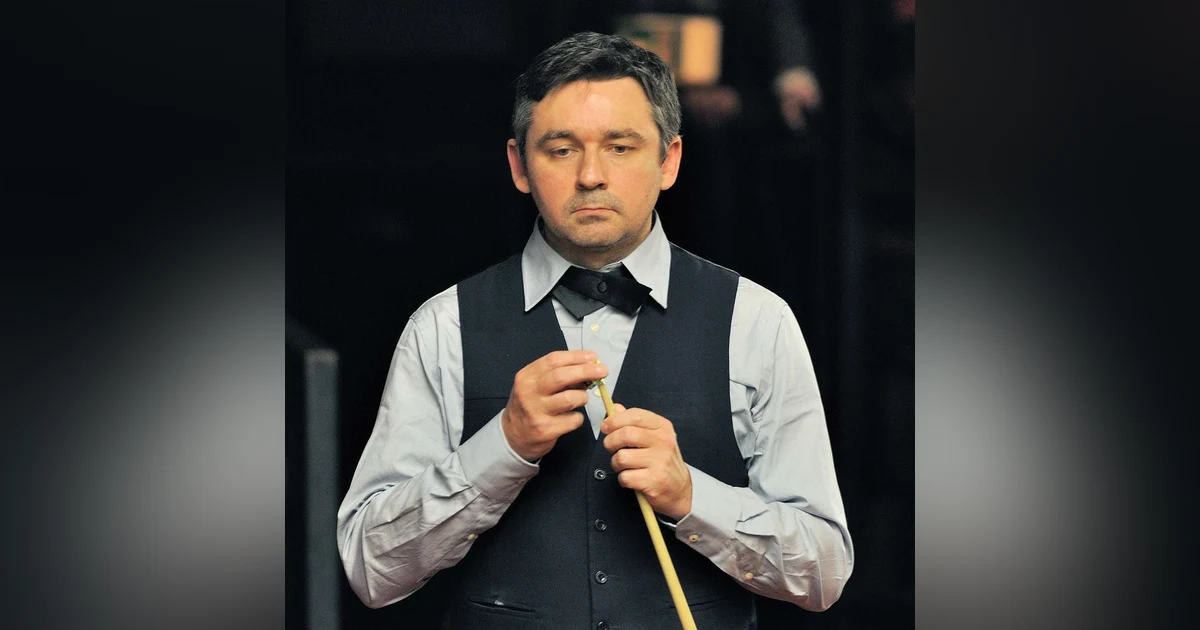

Key Takeaways
- Alan McManus retired from professional snooker in 2021 after a 31-year playing career, transitioning smoothly into broadcasting and commentary.
- Commentating required adapting to the deep end of television production, learning to navigate earpieces, gallery directions, and working closely as a team.
- As a commentator, McManus strives to bring a deep-thinking, honest, and analytical perspective rather than just stating the obvious about a player's skills.
- He created The Snooker Breakfast Podcast to provide daily tournament updates and share personal insights, treating it as a fun, self-managed project despite the technical learning curve.
- Modern snooker players like Wu Yize benefit from entering the game with a free mind, untethered by the historical baggage and scars of past eras.
In Part 5 of our Legends of the Cue conversation with Alan McManus, we follow his transition from the professional arena to the commentary box, the television studio, and the world of podcasting.
After more than three decades as a professional snooker player, Alan retired in 2021 and moved more fully into broadcasting. In this episode, he reflects on how the balance gradually shifted from competing to commentating, what he learned from being around television production, and why explaining the game well is a craft in itself. Alan discusses the difference between studio work and live commentary, the challenge of offering insight in short broadcast windows, and his desire for more time to explore the deeper “nuts and bolts” of snooker stories.
That natural curiosity leads into a discussion of The Snooker Breakfast Podcast, Alan’s own show. He explains how the podcast began partly as a way to fill time during tournaments, only for him to discover how demanding regular podcasting can be. From recording late at night during the Crucible to getting episodes out early in the morning, Alan shares the behind-the-scenes reality that every podcaster will recognize.
The conversation is full of warmth and humor, especially as Alan admits to being old-school about technology, recording, editing, and the mechanics of modern media. Mike, Mark, and Allison connect his experience to the mission of Legends of the Cue: preserving cue-sports stories in the voices of the people who lived them.
This episode is ideal for listeners interested in snooker commentary, sports broadcasting, podcasting, retirement from professional sport, BBC and television analysis, and the storytelling side of cue sports. Alan McManus proves that the same qualities that made him a great tactician—observation, patience, curiosity, and honesty—also make him one of snooker’s most engaging voices.
Give Allison, Mark & Mike some feedback via Text.
Follow our show and/or leave a review/rating on:
Our website: https://www.legendsofthecue.com
Apple Podcasts: https://podcasts.apple.com/us/podcast/legends-of-the-cue/id1820520463
Spotify: https://open.spotify.com/show/4Za0IMh2SeNaWEGUHaVcy1
Music by Lyrium.
About
"Legends of the Cue" is a cue sports history podcast featuring interviews with Hall of Fame members, world champions, and influential figures from across the world of cue sports—including pocket billiards, snooker, and carom disciplines such as three-cushion billiards. We highlight the people, places, and moments that have shaped the game—celebrating iconic players, memorable events, historic venues, and the brands that helped define generations of play. With a focus on the positive spirit of the sport, our goal is to create a rich, engaging, and timeless archive of stories that fans can enjoy now and for years to come.
Co-hosted by WPA and BCA Hall of Fame member Allison Fisher and Mosconi Cup player and captain Mark Wilson, Legends of the Cue brings these stories to life—told in the voices of the game’s greatest figures.
Join Allison, Mark and Mike Gonzalez for “Legends of the Cu...
Frequently Asked Questions
When did Alan McManus retire from professional snooker?
Alan McManus officially retired from professional snooker in 2021 after a remarkable 31-year career on tour.
What is The Snooker Breakfast Podcast?
The Snooker Breakfast Podcast is hosted by Alan McManus, featuring daily tournament updates, match reviews, lookaheads, and stories from his own experiences in the sport.
How does Alan McManus approach snooker commentary?
McManus approaches commentary as a deep thinker, aiming to offer honest, technical, and analytical insights into a player's mindset rather than just stating obvious facts about their playing ability.
Why do modern snooker players succeed quickly according to McManus?
Modern players often succeed quickly because they come into the game with a free mind, learning a modern, aggressive style without the historical baggage and mental scars of previous generations.
Mike Gonzalez
So when did the scale start tipping more toward the commentating side of things?
Alan McManus
Uh I would say maybe maybe uh funny enough, I uh the the last time I got to the semis at Sheffield in 2016, the the guy who was kind of the boss of the the BBC at the time, he he said to me at that tournament, I think actually it was after I lost in the semi-final, um, a guy called Graham, uh nice guy, he said to me, He said, Listen, um I'd like to get you on board to do some of the studio and commentary uh if you would like to. I said, Oh, you know, brilliant. So a couple of doors were opening and I thought, yeah, that would be a nicer I wouldn't have to fly anywhere and and be away, and and and so I and I was getting a little bit more work and then as you say tipped the scales, eventually it feels more worth it to do that than keep playing. And then COVID was the final nail in the coffin, really, because COVID meant that the club that I played in, I don't have a table at home. So COVID meant that I didn't practice almost well, I I mean I I did practice that I would have to go to a club and beg and steal and borrow a practice table to get some time. But my last year or so on the tour, I I wasn't practicing. And you know, and actually the club that I played in prior to COVID has remained closed, so I would have had to find another place to play. And I I I didn't want to, frankly.
Mike Gonzalez
So uh would you describe your your retirement then, that moment as sort of a non-event, it just sort of happened?
Alan McManus
Yeah, I I decided at least six months before I stopped playing, I yeah, this'll be my last season. I didn't not that anyone cares. I I didn't say anything to anyone. Um I just thought, yeah, uh, you know, because I'm fortunate, I've got some work on the TV side of it, and and I'll I'll do that gladly. And and so I did. You know, it was I I, as I say, six months before I didn't say to anyone, um, as I say, no one would care anyway, but I I had made my mind up, yeah, 31 years playing was more than enough, I thought, you know. Yeah. And so that was it. It was a very straightforward, easy decision to make for me, you know.
Mike Gonzalez
Yeah. So you decide to hang it up. Of course, uh uh commentating became much more important uh over time. And uh I'm just curious about that because I've talked to, of course, my my my podcast co-host on the golf side was a golf commentator, right? So he always likes to talk about the intense training that he received when he was first put in the booth, uh tongue in cheek, because he got none. Talk about were you thrown to the deep end, or did you get some serious education and training going into this deal?
Alan McManus
Very deep end, yeah. Uh yeah, uh very strange. I mean, the first time that I did um a tournament for ITV, which was 2013, was the Champion of Champions event. It was kind of strange. I remember going the first day into studio, and there's a guy, the sound guy Max, a terrific guy. He started going up the back of my jacket with the wires and the ears and hooking things on to them with the what blazes are you what are you doing? And of course, to him, he just thinks everyone knows what they're doing, and I have no idea what I'm doing. And he said, and you know, yeah, deep end, and you sat there and it was a bit nerve-wracking, and you've never been in that environment before, and all of a sudden you've got you know, um you've got noises in your ear, people talking, which what we call the gallery, obviously, and uh you have to get sort of used to the direction and and uh funny enough, as the as the years have gone on uh talking about what the gallery are saying in your ears, I actually prefer now to have uh what what they call open talk back, um as you guys will know, uh where you hear pretty much everything that the presenter's hearing. Because then you get a bit but I wouldn't have liked that at the start because you would have five or six different voices in your ear, um which would be disconcerting to say the least. But uh the more you get used to it, I I think I would enjoy that now. And I do sometimes uh request open talk back just so that you you're a little more aware of what's to come and and this thing. Um so it did take time, but very much deep end, but really enjoyable, and also the difference from being a player, you're now part of a team which is really alien for a a snooker player or I guess a pool player as well. Um and so uh that that takes a bit of getting used to, but it's a good thing, I think, becoming part of a team, and and all you know, we had a really good team at ITV, and it it it grew bigger and bigger, the viewing figures were really good, and we got more people in uh to work uh in front of camera and behind camera, and you just kind of become that team that and it then then it starts becoming normal and you look forward to the events and you get used to the the studio environment and everyone's role and then you realize how good people are at their jobs, uh, who are never envisioned, they're never in front of camera. Some of them are they're super gifted, aren't they? You know, these people. Yeah.
Mike Gonzalez
Yeah, yeah. Well, Mark's uh, you know, he's been on the commentating side of things for probably what, 35 years at least, Mark, and so you can probably relate to some of these experiences. Uh what do you feel, uh, being as modest as you can, what what do you feel you bring to the party as a commentator, aside from the obvious, which is you know, you you've played the game, you've got the sort of the pros perspective of what they're thinking about. What is it that sort of distinguishes you maybe from some of the other commentators?
Alan McManus
Oh, I d I I don't know. The one other strange thing is you never get to listen to yourself. It's kind of similar to being a player, you never get to watch yourself, so you never really get to listen to yourself. So I think because I wasn't a champion player, um to uh in a way of putting it, I think I had to try and be a little bit different from someone like Stephen Hendry or Steve Davis or the champion players. Um I don't know, I yeah, I'd I had to be maybe think about it about it a little more, or perhaps um to try and sort of earn your stripes or whatever, or or gain some kind of respect about you know what you're gonna be talking about, and I think finding your way and and actually finding the role that you have in the broadcast. Like I and I think since I've started doing it, I watch other like golf podcast uh golf programmes or any other sport, and I th and I look at each individual role and vision and I think, oh yeah, that's their role, and that's the they do touch screen or they do uh whatever different things uh there's lead commentators, analysts, and I guess you just kind of find your role, whatever you don't know what that role's gonna be, but I think I I tried to be qu quite a deep thinker. I I've always kind of been that way about the game, so I think for me that was I I thought maybe I'll go in that sort of direction. Um maybe on the coaching side of it, technical side, you can add little things maybe for the viewer that um I I I I don't I never really wanted to be like I I don't I I don't ever want to say about a player he's a really good long potter and he's a good scorer. That's not that's kind of obvious. And and you know, without I d I just don't know. I think you just find your own way and then gradually you find yourself being a a part of the team and then someone else is that part of the team and we do that I don't know. Um I I I don't really know because you you don't really get to watch it as I say, but I suppose you can feel it. The great Clive Everton was as as Alison knows uh amazing commentator, uh God rest him. But um he was a great sort of uh I remember when I started working with him in 2013 uh onwards, he used to go and he was a lead commentator, but he was a real deep thinker and a great orator and a narrator and you know great turner phrase and all these things. But he would go in and sit on his own, I noticed, maybe a couple of hours before the match started. And I I used to see he would be over in the corner somewhere, sat on his own, maybe with a notepad or not even maybe not a notepad or pen or anything, and you could tell that he was just thinking about his opening gambit or things to say or good preparation, you know. Uh I I think I learned from those and I kinda enjoy that. I I it's kind of nice getting up in the morning and thinking, right, Sean's playing against Wu Yeeza or whatever. How do how do we appro you know what approach do we take to Sean? Where is he this morning? What mindset is he coming in with, and how's he gonna handle the kid? What what way can I put that across? Or I I don't know. The other really good thing about it is talking about being thrown in at the deep end, I suppose it takes a while to realise that the reason you're being employed or you the reason you're there is to have your own opinion and thoughts on Sean against Wu Giza or John against Neil Robertson. And I think you have to be as honest as you can be without being scathing, because I've got no right to be scathing about really any player, but I think you have to be honest sometimes or or as honest as you can be, and I've tried to be that. Um whether that's good or bad, I don't know.
Mike Gonzalez
Yeah. How how long did it take you to feel comfortable in the chair?
Alan McManus
In in commentary or studio? Uh either. Uh in commentary not too long, but in studio a bit longer because people obviously people can see you. And the the the one shame I think about Snooker studio generally is that we don't get uh we don't have as much time as as other sports to sit there and have a good old argument about something. I like a discussion and an argument about something. Unfortunately, with ad breaks and other things depending on the broadcaster, you only get maybe two and a half, three minutes, maybe four minutes. Yeah. And if there's three or four of you, it's difficult to get into the the nuts and bolts and the the bones of a subject.
Mike Gonzalez
Yeah.
Alan McManus
Because once you feel like you want to get really into it, it's time for an ad break. And well, that's that one gone.
Allison Fisher
Did I determine before you get to an event whether you're going to be studio or commentary?
Alan McManus
Uh uh it it it sort of is decided the evening before the next day we get a rotor, and it might be you know, where a lead commentator does 99% commentary only. We're a mixture of studio, uh invision pieces to camera, uh whether it's touch screen or and some commentary. So you get the uh the rotor the evening before, and you think, right, okay, so I'm gonna be in studio for Sean against Wu Yiza. So when you go to bed that night, you're not thinking about it, but when you get up in the morning, you're thinking about it, right? Ooh, w where's where would be a good way of taking this, albeit we don't have an awful lot of time. Because I really would that as I say, that's one thing I would love is to let let's say I'm harking back to golf. Let's say in golf they have a weather delay, they might have 20 minutes or half an hour to talk about whatever tiger or whoever and really get down and deep into what's going on. I would love that if we got more of that, but unfortunately we don't generally.
Mike Gonzalez
Yeah, you know. Well, that desire to have that more time to tell a more complete story, is that what gave birth to the podcast?
Alan McManus
Uh no, not not really. I d my podcast I started about uh just over two years ago, I think. Um actually initially it was more to fill time at tournaments. I what I didn't bargain for was it's it takes up a bit more time than I first thought. And I stupidly called it the snooker breakfast, which means that I need to get it out early in the morning. But which which means that I need to record it the night before because I'm lazy and I want to lie in my bed. And and so I I find myself at the crucible this year, uh, for all 17 days. I missed one day of of a podcast, uh, and that's my bad. But but I was I was going back from working in the evening and just getting straight in the room, getting my device out, get the microphone out, and you know, I've been jotting things down all day, taking notes and to prep for a podcast. Which m I mean mine is very b very basic. Um But I I enjoy it, but it it's my own fa I've made my bed, so I'm gonna have to lie in it. So, you know, it it's time consuming, isn't it, as you guys will know. And it this is time consuming and it's my fault because I just rant away, you know.
Mike Gonzalez
Oh, but uh uh so you appreciate uh you know what the three of us are doing, obviously, with the podcast you're doing, uh which you mentioned Snooker Breakfast Podcast that you've been doing since April of 2024. So uh is it safe to assume then that in addition to being the uh on-air talent, you're also the back office uh got to do all the production work as well?
Alan McManus
Uh uh I wouldn't go as far as calling it production work. It's basically I sit down with a piece of paper and write I it's very basic, as I say, and and I kinda like it. That the other thing I thought about doing a podcast is it I've got a few things. One to give a little something back, maybe. You know, it doesn't cost anyone to listen, so that's good. Um not that you know I don't know how many I get a few listeners, but um so that's good. And also to be sort of in charge of something, not that I'm a control freak, it's just that if I don't want to do it, then I won't do it. And if I do want to do it, well probably will. Yeah. So you know, I'm not under any pressure or I don't have to set up a meeting with arrange when shall we do it at half past ten at blah blah no, I'll do it when I can do it. And and that's quite not liberating. Yeah, it's just it's kinda easy. Um I'll tell you one thing I haven't figured out, and this is t this is how I'm a complete technophobe, right? I mean really bad. Um really bad. Uh I struggle to send a text message anyway. Uh we're doing it now, and I'm looking at all three of you guys. I don't even know how to do that. I I I don't I I that's kinda I don't know how to do any of that stuff. I mean when I I've had a couple of guests on my podcast, but they've been sat right next to me because I've when we're recording that. I don't know how to do and I know there's Zoom meetings or something that I've called that.
Allison Fisher
You don't have any airpods, do you either? We were discussing that when you got online here.
Alan McManus
I'll tell you what I do have. I've got I've got earplugs, I call them ear earphones. But the the there's a wire attached to them that I plug the plug the wire in. Yeah, that's good. That's old school.
Allison Fisher
Yeah.
Mike Gonzalez
You probably have uh you probably have headphone envy, don't you, here sitting here with all of us, huh?
Allison Fisher
Yeah. Yeah, yeah. I d I can smell somebody for a Christmas present, what you want.
Alan McManus
I wouldn't even know. I'll tell you why I don't have AirPods. Is it AirPods that pull it? Do you think that's the one?
Allison Fisher
Well for the Apple devices, yeah.
Alan McManus
Right. Or whatever they've I'll tell you why I don't have them. Because I believe that pods with a wire on it attached to your device will work.
Allison Fisher
For sure, right? Yeah, for sure.
Mike Gonzalez
Yeah, the stuff going through the air. How does that all how does that all happen? I still plug the that's Sony won't. Yeah, we'd like to plug things in. Plug it and in it works. So so for any of our listeners that uh would be interested in checking out the Snooker Breakfast podcast, how would you describe it for people? I mean, what did you sit down with a goal and say, hey, look, this is this is sort of the vision, this is what I want to do with this, this is this is what I'd like to accomplish. How would you describe that for people?
Alan McManus
I I no, there was no great believe me, there was no no no vision at all. Uh certainly not a great one. Um I thought I'll give an update of yesterday's play. Um I'll try and give some detail on the matches that have happened yesterday. Uh what's on the way today, just so that maybe people driving into work or going on the train and whether AirPods or whatever they're called, and they can maybe get an update. Oh yeah, oh so what I like the idea that people who do listen d can sort of rely on going to work tomorrow or today and they oh I'll I'll do you know what, I'll plug in the Snugger bit and Alan will keep me updated on what the score is in that match and who played well in that match and how he's looking or she's looking or you know, in their game and and thing. That's really the was the only plan, really. Yeah. Just to give a just to give a a refresh of yesterday and a look ahead to today, who's playing, when they're playing, where they stand, what they need to do, what they don't need to do, ranking-wise, and and this you know, give head-to-heads and things, a bit of information, and a few silly stories about my own experiences. Uh I I also get terrific emails from it, which I'm glad because then I can talk about uh on the back of the questions from listeners, and that that gets you into subjects that I probably wouldn't come up with in my own. So it's it's pretty basic stuff. But it's very easy. Yeah, it's okay. I I enjoy it. And um it does give you one other little thing when you're away working, if you want to call it that, um uh another string to your bow or whatever. And that keeps you busy, doesn't it?
Allison Fisher
In your off time.
Alan McManus
Yeah, it keeps you busy. Sometimes I'm I must admit I can't be bothered because I'm lazy. You know, yeah, and and when you get nice emails from people which I get 99% are fine. And and and you think, right, okay, well, they're going to an effort to send in an email and ask a quit. So I really should go to a similar effort to get the podcast out, you know? Yeah.
Mike Gonzalez
And it doesn't really take too many of those messages to kind of keep you going, does it? No, I think it's nice to hear nice to hear from listeners.
Alan McManus
Yeah, oh really yeah, really good. Um I I pretty much every podcast I'll say, please email me, you know, and and ask about anything uh pertaining to that tournament or whatever. And uh and I'll I'll give as honest an answer as I I sort of can. And uh I don't know how many listeners I don't even know how to find out how many listeners I've got. I don't I I I don't even know.
Mike Gonzalez
I just put it out and yeah, well uh I think you would agree most golf and Q Sports podcasts, they do talk about more recent events, right? And they're they're focused on what's happening on tour, what's you know, whether it's nook or golf. Um we we've taken away. A 180 approach, right? So we generally don't talk about what's going on in the game today necessarily, only as it relates to the whole arc of how the game has evolved over time, perhaps. And so we don't really talk about events, don't talk about what happened in certain tournaments necessarily. Um, ours is probably more timeless content, if you will. We want it to sit on the shelf and have little boys and girls listen to these stories in 50 years. But I will say, uh, as we alluded to earlier in our discussion here, uh, I think we'd be remiss not to talk about this year's world championships, your perspective on that, and how you think then from that the game's sort of going to be evolving for the future. Because as I said, I'm not a snooker player, but Alison and I were texting back and forth. I think I was I think I was in Scotland at the time, actually, and and watched all of the final matches, and I was just astounded at the quality of play and wondered aloud has anybody else in the history of the game played this well and not won the championship.
Alan McManus
Uh yeah, as in Sean. Well, um I mean, yeah, possibly you could make a case for John Higgins in 2018 when he lost to Williams in the final. John played awesome, but um Barry Hawkins played well the year, one of the years that Ronnie beat him in the final. But uh it's interesting, I think, touching on Woo Geezer winning. I wonder if now I saw Woo Geezer about six years ago for the first time I played against him in the World Championship actually. And I thought, oh yeah, yeah, yeah, he yeah, he's he could be really, really good and quickly. And I also think one of the reasons someone like him has gotten so good so fast is perhaps he doesn't coming from where he comes from, he doesn't have maybe burden is the wrong word, but he maybe doesn't have the burden of the history of the game that that people like me have about the great champions and the the winners and the he's just coming in in this big adventure. But the other thing about it is when when he came in or has come into the game the last five or six years, he came in what I would call as a modern player, long sweeping Q action. From the first time he set eyes on the game, which would have been I'm guessing 15 years ago. All he's seen is great long potters, amazing scorers, get into the pack as soon as you can, win the frame in one visit. He never got to see or think about or talk about score 40, put a red safe, all that you know.
Allison Fisher
He just kill kill.
Alan McManus
So he doesn't know anything about Terry Griffith sore, Steve Davis sore. He doesn't because he didn't he he wasn't around, he didn't see it. He doesn't eat he wouldn't have even seen Stephen Henry. Um I mean he was born this century.
Mike Gonzalez
So just skin knowing Yeah, so I mean it's crazy, isn't it? You ask yourself all that all that knowledge, that history, is that just unnecessary information? He doesn't need to process that. Yeah. Also it's it's baggage, it's it's not it's not anything useful for him.
Alan McManus
Yeah, and I think Ding, when he came through in 2005, um was something was similar in a way. When he came in, it looked to me like Ding Junwee, the great Ding Junhui, uh who unfortunately hasn't been world champion yet, but um when he came in, he just he kind of blazed the trailer. He just he looked like I don't care how good Stephen Henry was in his prime, I don't care how good Ronnie Sullivan is. I don't care. I can play, I can score, my couple's better than everyone else. Let's be having it. Without the burden of yeah, he he's given me a good old beating like the last ten times, and I'm a bit frightened of him. He's not frightened of anyone. He when he was introduced to the game, ding, I'll bet that it was you get in amongst them, you open the park and you make a hundred. That's what you do. And that's the way the game's going. Um you need to be really good to carry that off, obviously. But that's the way the game's going, because it wasn't like that back in my day. You kind of had to try and win by hook or by crook, you know, in different ways. They they don't do that these days. It's like like the red that he pots to left middle in the last frame of the final this year against Sean. He didn't think about No consequences. What if I No, he just didn't think and it's 17-0 in the world final. We haven't had a fight. No, we haven't had a decider in the world final for 24 years. And he is it 17-0? Well, I that's interesting. Made it look like nothing. Exactly. So, you know, that's the way that the game's going at the very top end. Uh and it's so I and also I mean I mean, here's the thing that I could mention a few players. That would be difficult, I think, now for someone like even for the great John Higgins or even Ronnie. Mark Williams is a different kettle of fish because he just that I mean he's Teflon, nothing sticks with him, uh, which is to his credit, but he's a one-off. But the the Ali Carters and the p that have got scars might not be the correct word.
Allison Fisher
Yeah, you're right.
Alan McManus
Yeah, I don't know if I fancy that red or Yeah, because I've missed it before.
Allison Fisher
Yeah, things have happened before.
Alan McManus
Where that kid only he sees.
Allison Fisher
But it makes you wonder as time goes by whether he would make that over ten years, how many times he'd make that shot in the side pocket after having experienced all those things.
Alan McManus
I love the way I love that you call it the side pocket.
Allison Fisher
Oh, sorry, yeah. Middle pocket, centre pocket, I forgot what we're calling it. I love that.
Mike Gonzalez
The middle bag.
Allison Fisher
The middle bag. Oh gosh, I'm so intense.
Mike Gonzalez
And you'll bank it in now, Ali. You're not gonna double it in, you're gonna bank it in.
Allison Fisher
Oh gosh.
Mike Gonzalez
Yeah, but bank it well, combination, yeah.
Alan McManus
Um double. Yeah, I'd so it you know, as I say, as the years go by, the youngsters that come into the game, the more innocent you are, I think the better. Yeah. In some way. Yeah. Yeah, the the mind's certainly freer, huh?
Allison Fisher
Definitely.
Alan McManus
Because because what comes with the innocence is an unbelievably good technique.
Allison Fisher
Yeah.
Alan McManus
Because what you see what you see at source is the long sweeping action, and you're a great potter, you're a great break builder, and you only have eyes for winning the frame in one visit. That's all you think about. You don't think about anything else. Um, and so let's hope it continues like that and we get more woo users, you know.
Allison Fisher
Thank you for listening to another episode of Legends of the Cube. If you like what you hear, wherever you listen to your podcast, including Apple and Spotify, please follow, subscribe, and spread the word. Give our podcast a five-star rating and share your thoughts. Visit our website and support our full history project. Until our next golden break with more Legends of the Cube. So long, everybody.
Snooker Professional and Commentator
Alan “Angles” McManus has spent a lifetime seeing things on a snooker table that others simply miss. Born in Glasgow, Scotland on January 21, 1971, McManus grew up in an era when snooker was not merely a game in Britain, but a national television obsession. Long before he became a Masters champion, World Championship semi-finalist, television commentator, and podcast host, he was a young boy fascinated by the sound, shape, and discipline of cue sports.
His earliest memories are wonderfully ordinary and revealing: a miniature snooker table at home, Cliff Thorburn winning the 1980 World Championship on television, football with his schoolmates, and the quiet realization that he had a natural relationship with a cue. As a child at a golf club, watching adults play pool while he sat with a Coke and a packet of crisps, Alan remembers thinking he was better than them—but being too polite, and too young, to say so.
That blend of confidence and restraint would become part of his cue-sports character. At school, lunchtime trips to Gus’s Pool Hall gave him his first taste of competitive action. By his early teens, he had moved from the small-table world of English pool into full-size snooker, made his first century break at 14, and found his way into local team play. His mother helped introduce him to structured coaching, including group lessons with Scottish professional Jim Donnelly. For Alan, coaching did more than refine technique; it opened “a world” he had not known existed.
McManus’s route to the professional game was shaped by discipline as much as… Read More