

 Apple Podcasts
 Spotify
 Henrik Larsson - Part 3 (Pressure, Rivalries and Six WPA World Championships)
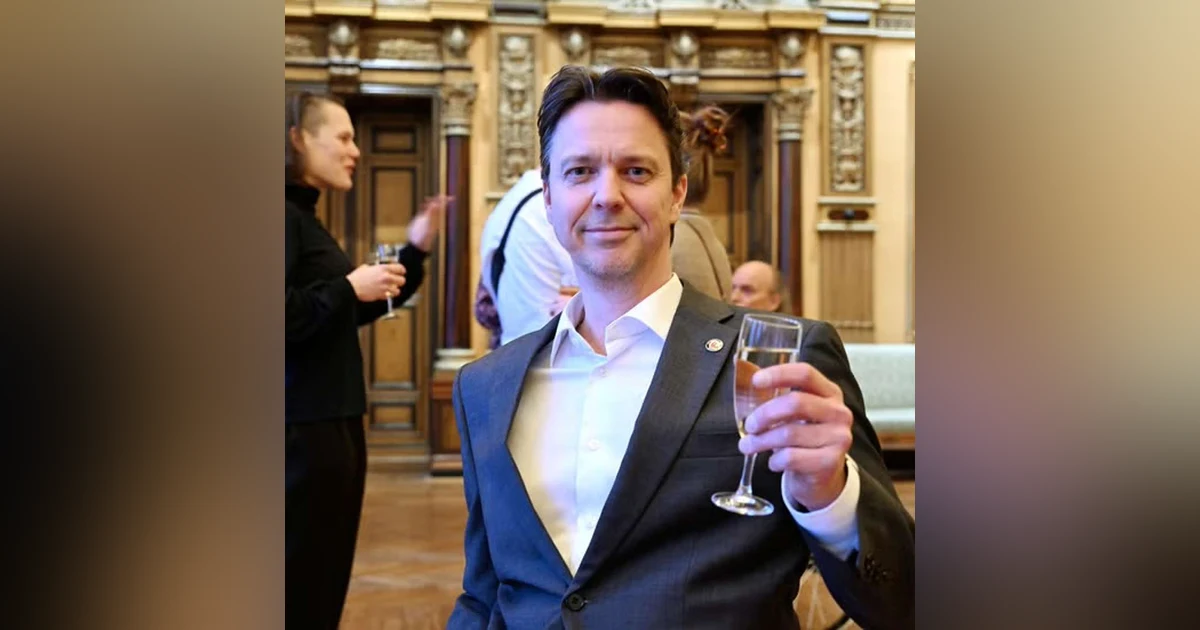

What happens after you become the best—and everyone expects you to keep winning? Part 3 of our Legends of the Cue interview with Swedish wheelchair pool great Henrik Larsson begins with that question and develops into a revealing conversation about championship pressure, rivalries, mental toughness and the changing meaning of success. Henrik takes us inside his remarkable 2007 WPA World Championship victory, when outside expectations, conflict with an opponent and pressure from his own federa...
Key Takeaways
- Henrik Larsson candidly reveals the immense psychological pressure of defending world titles, admitting that his 2007 WPA World Championship victory involved severe anxiety where he had to fake supreme confidence to get through the match.
- A defining moment in Larsson's career was overcoming his mental hurdle against rival Jouni Tähti in the 2012 world final, securing a hard-fought victory that stands as one of his proudest professional moments.
- Beyond competitive success, Larsson founded Malmö's Wheelchair Academy in 2014, a 13-week empowerment program designed to help wheelchair users achieve practical independence in housing, employment, and daily life.
- Larsson discusses his long-standing partnership with Predator, praising their commitment to inclusive equipment development and supporting the growth of Parasport pool globally.
- Reflecting on competing against able-bodied players, Larsson achieved notable milestones, including finishing third in the Swedish Championship and earning prestigious recognitions like induction into the Swedish Parasport Hall of Fame.
What happens after you become the best—and everyone expects you to keep winning?
Part 3 of our Legends of the Cue interview with Swedish wheelchair pool great Henrik Larsson begins with that question and develops into a revealing conversation about championship pressure, rivalries, mental toughness and the changing meaning of success.
Henrik takes us inside his remarkable 2007 WPA World Championship victory, when outside expectations, conflict with an opponent and pressure from his own federation left him wanting almost anything except to play the final. His solution was fascinating: if he didn’t feel like the confident Henrik Larsson who could win the match, he would simply behave like him. It became an important lesson about fear, performance and the mind.
Then comes his great rivalry with Finland’s Jouni Tähti. After painful defeats, Henrik meets Tähti again in the 2012 world final. Facing another deficit, he decides he simply will not lose a third consecutive time—and produces what he calls one of the proudest performances of his career.
Henrik also discusses joining Predator, the growth of Parasport pool, his later world championships, and the 2016 victory that gave him his sixth WPA world title—along with the amusing role a ringing telephone played in that tournament.
But this episode becomes about much more than trophies.
Henrik explains the creation of Malmö’s Wheelchair Academy, a 13-week empowerment program designed to help wheelchair users develop practical independence in virtually every aspect of life—from transportation and employment to caring for a home and family. More than 200 people have participated in a program Henrik believes can improve both quality of life and independence.
We also explore his Swedish Parasport Hall of Fame recognition, a third-place finish against Sweden’s standing players, his pursuit of a 100-ball straight-pool run and the arrival of Heyball.
Part 3 reveals a champion whose greatest challenge eventually became larger than winning matches: how to use everything pool had taught him to empower others.
Give Allison, Mark & Mike some feedback via Text.
Follow our show and/or leave a review/rating on:
Our website: https://www.legendsofthecue.com
Apple Podcasts: https://podcasts.apple.com/us/podcast/legends-of-the-cue/id1820520463
Spotify: https://open.spotify.com/show/4Za0IMh2SeNaWEGUHaVcy1
Music by Lyrium.
About
"Legends of the Cue" is a cue sports history podcast featuring interviews with Hall of Fame members, world champions, and influential figures from across the world of cue sports—including pocket billiards, snooker, and carom disciplines such as three-cushion billiards. We highlight the people, places, and moments that have shaped the game—celebrating iconic players, memorable events, historic venues, and the brands that helped define generations of play. With a focus on the positive spirit of the sport, our goal is to create a rich, engaging, and timeless archive of stories that fans can enjoy now and for years to come.
Co-hosted by WPA and BCA Hall of Fame member Allison Fisher and Mosconi Cup player and captain Mark Wilson, Legends of the Cue brings these stories to life—told in the voices of the game’s greatest figures.
Join Allison, Mark and Mike Gonzalez for “Legends of the Cu...
Frequently Asked Questions
Who is Henrik Larsson in cue sports?
Henrik Larsson is a Swedish wheelchair pool great and a six-time WPA World Champion known for his dominance in Parasport billiards and his advocacy for athlete independence.
What is the Wheelchair Academy founded by Henrik Larsson?
Started in Malmö, Sweden in 2014, the Wheelchair Academy is a 13-week empowerment program that helps individuals with spinal cord injuries and disabilities achieve practical independence in transportation, employment, and daily living.
How many WPA World Championships has Henrik Larsson won?
Henrik Larsson has won six WPA World Championships throughout his illustrious wheelchair pool career.
What equipment brand sponsors Henrik Larsson?
Henrik Larsson is proudly sponsored by Predator, a leading manufacturer in the cue sports industry known for supporting players across diverse disciplines and demographics.
Allison Fisher
After the 2003 double, did your relationship with pressure change because everyone expected you to win?
Henrik Larsson
No, not really, because we had a gap. We we didn't have a world championship for a couple of years. And so 2007 was the next world championship WPA that we held. And I went there and I won that one. And that was a very, very interesting story, which is that I'm ending up I I I wanted my Federation to pay for my expenses, and they didn't want to do that. And I said, Well, we have an opportunity here. I actually have a game that's capable of winning, and that would put Sweden on the map. And could also turn into other things, which we can leave that aside now. But anyway, I end up in the final, and at the time I'm having problems with a player, and I end up playing that guy in the finals. And I was just seeing how much that was on stake on that final. And this was not one single cell in me that I wanted to play. I was just seeing everything that could go wrong. How can I live myself if I if I lose here towards my Federation and to this guy in particular, because we're fighting right now? And anyway, what am I gonna do? So I was sitting at this park bench meditating like an hour before the match. I guess I just gotta figure out some way where I don't kill myself if I lose this match. So what what do I do? And I couldn't figure out anything else, but I know what it looks like when I play good, when I'm hungry. I just I just gotta fake it. I just gotta walk in there and make it look like I am so ready and you're uh so going down right now and all that, you know. And I did. I I entered the arena and I was looking like a million bucks, and I was playing, and I totally uh destroyed him. I it was uh 13 to 5 in the finals. I mean, they're pretty convincing numbers, you know. But I gotta be honest, there wasn't one time during that final that I did enjoy myself. It was just anxiety, you know. I just I gotta nail this. And that is for me when I when I try to teach pool, for me it's about just getting your game out. It doesn't matter what happens, win or lose, if you can produce the the highest game you have, you win. You know, and I I've lost finals where I played phenomenally and I lost. But still, I I value those more than I value that win. Because I was not happy. It was not it was just I was trying to be professional. I gotta do something uh constructive here because it's not okay not having the right feeling. You gotta play, right?
Allison Fisher
I think it's so important to hear that side of this the inner psyche of players when it's not going your way or you don't feel right, you know, trying to get over the winning line when the odds are against you. So it's really important to hear those stories that it's not always gonna be perfect. That you're gonna have some odds that you've got to face and and how you're gonna do that and how you're gonna get over it. So that was great sharing there.
Mike Gonzalez
Yeah. Was that a one-off occurrence for you or did that reoccur?
Henrik Larsson
Well, y yes and no, because then after that we didn't we had a we had a world championship 2010 in Poland. I lost the final against Yowni at 2011 in the Derby. We played another one. I lost to Yowni again, but at the same time, I was just I became a father. It was many other things that was going on in my life. It didn't bother me much. And just being in the final was good, so I was happy with that. But then comes 2012, and I play Yao Ne again in the final in Germany. And he started off with this great uh lead again, and I'm just thinking, no, I'm not having it. Not three times in a row. I'm not gonna lose three times in a row over my dead body. And I was just going for a lot of crazy, I was pulling rabbits out of hats, kind of, you know. He was playing this defense, I was cutting those super thin casts moving. You know, I just, no, enough of this. I'm not, I'm not gonna lose this match. And I turned it over and he didn't get any more points, and I beat him. And that was probably, if there's ever one time I felt that I I deserved that, that was that win. That was yeah. The probably one of my proudest moments, uh, absolutely. Interesting.
Mike Gonzalez
In 2008, you were nominated for Sweden's National Award for Athlete of the Year with a Disability. How important was that recognition for you at that time of your career?
Henrik Larsson
Huge. That was I was sitting at the honorary table together with Slatan Ibrahimovich and you know, all the best athletes in Sweden. And just to have pool alongside with soccer, with with the Prince of Sweden, and you know, for me, I thought that was just phenomenal to be able to bring the game into that arena. And what was interesting is the following year they took away that category. They always had a category for the best achievement for a person with disability, alongside with men, women, and team and coaches and so forth. And all of a sudden, the next year they they didn't have that category anymore. So I called up the producer and I said, What's this? What's happening here? And he told me that this is because of the disabled community. They don't think that it's fair that since we have that category, you, Henrik, can never be nominated alongside the able bodies. So that's why they took it away. So now you have that opportunity. And I said, Well, that is not fair because I don't get the exposure like all the soccer players or whatever. I mean, it would be fair to do that move if I was exposed equally, so that's the the whole every Swede knew who I was and they could cheer for me on tournaments, and you know, that would be fair. I can understand that women's sport has come a long way, and maybe that's a one thing, but disabled sport with Parasport, we're not there, we're not even supposed to be there. So it felt like I was stabbed in the back a little bit by by my community. Yeah. And I I understand theoretically what you're saying, but there's a timing for everything, and this is not the timing for that. We should stay there for a few more years before we really get Parasport on the map, you know?
Mike Gonzalez
Yeah, yeah. Well, in between that recognition and what was your fourth WPA world title, which you talked about in 2012, that important win, you joined Predator. You joined the Predator team. How important has that relationship been to your career?
Henrik Larsson
Been amazing. I've had some other manufacturers prior to that, but Predator was really getting to be the big name, and uh and they have been very generous supplying me with equipment. And the last couple of years, when they've expanded so totally, I had more of a professional contract than I had 2010. It was it was a different business, it was different deals. But they were always, if I if I wanted something, they provided me with that. But nowadays it's more like a professional contract with more than a pregnant. And at the same time, I understand that me playing with Predator is not resulting in tens of thousands people buying the same queue that I have. I mean, Joshua Filler has that effect on the industry. I I understand that uh Parasport right now is in the developing, which is kind of like a baby that's gonna learn how to crawl. And we gotta turn our place into superstars so that because predator at the end is a business too. So but um they have been, I really like the philosophy that they they want to include. They are reaching out to women, juniors, Parasport queues that are not 100% straight, they don't throw them away, they give them to poor countries so that they have equipment, you know. I'm really proud of being Portland. I I think they have a great attitude toward the combination of being a business and also loving the sport and try to make the sport grow.
Mike Gonzalez
Yeah. You know, as we talk about equipment and we talk about you as sort of an entrepreneur and an innovator, you've probably seen some developments in equipment over the last few years that are more adaptive type pieces of gear that people can use to help make the game a little easier for them. Are there other things in your mind that need to be done and invented and created to make the game easier for people?
Henrik Larsson
Yeah. I I have a few, but the risk of someone stealing the idea and doing it. No, that's fine. We we don't have to get the details to it. No, but i i I think that there are the there are areas to develop, and it's very more interesting to see how we can help people that let's say it doesn't have hand functions or missing limbs and and more extreme things. I think if you're paraplegic, meaning that it's only the the two limbs that are not working, uh you have a great opportunity to, I mean, you need an extension, you need good bridgehead, and then you're pretty much there. But uh I I really want to see how what we can develop for people with other types of injuries. So and the last couple of years when I've when I've seen people with disability play, I've seen standing up with disability play, uh, I and I see all these different gears and I see how, wow, we we got to turn this into an industry so that we can produce these and make sure more people have them. But you see how creative people are. And that is one thing I think is so great. Probably gonna talk about that later. But people let me put it this way. Many people are concerned. If they're gonna have a tournament and they're gonna have people with disability, they're concerned that we need to help, we need to make sure that the hotels are accessible, and how do they get from the airport to the venue or to the hotel? And you know, all kinds of things, and and they worry, they don't want a lot of complaints and so forth. When I am trying to help out, and and my function in the WPA is more or less the opposite. We're talking about people, we're talking about professional athletes that are working hard on the game. They live their lives, they they probably most of them have families and jobs, and uh the only thing we need to do is to come up with a venue that is accessible and a bathroom that is accessible connected to that. That is the important thing. And we have done, you know, they worried, and I said, let the players accommodate themselves. Just put a responsibility on them. We we provide the arena, and when we have done that in the Hayball thing, we've had two tournaments, one in Brisbane and one in Oslo. And it's up to the players to accommodate themselves. They do it beautifully. All of a sudden, they create their own community, they connect to someone who lives in that country and they ask, you know, spreading the word, helping each other as a community, and how to get from A to B and all details, which is just exactly how I see how capable this target group is. And people with disability, they tend to live in the in the curse of low expectations. And and that is one thing if you're starting with beginners, uh, you're working at a rehabilitation medicine center, sure. Then you need to help people. But if you're having a a world championship, WP World Championship, and you're inviting professional players, you should be able to to put, you know, to ex just uh I don't know the word for it, but but you should you should be able to just take for granted that you know how to move around. Right, right. Yeah.
Allison Fisher
How many players generally are like the tournament you just won in Rome? How many players are in that? How many competitors?
Henrik Larsson
That was a limited field of 16.
Allison Fisher
Was it? Okay.
Henrik Larsson
Yeah.
Allison Fisher
So it gives us an idea of that like Paris Sports, you know, how many players, billiard players are playing. What's the the largest sort of contingent of players that you've experienced in competitive pool?
Henrik Larsson
Well, we when we had the uh Hayball event in in LA, which was 100% funded by Joy Company, that made a difference, of course. We were more than 100 players there uh from around the world. And and sure, if if you have everything covered, all expenses covered, it that makes it easier. But we we gave them uh allowance in uh in Brisbane and also in Oslo. And also we had a limited field of 32 players in wheelchair, 32 standing with disability, and 16 women mixed. So but the the I mean the the the tournament in Rome, they had a waiting list. So you had players that wanted to play, but uh you know it was a limited field. It was first come, first served principle.
Allison Fisher
Yeah. It's the same, it's the same with the regular tournament there. What not necessarily WPA events, there's a certain amount of obviously invitations, continental invitations, and then it becomes a first come, first serve. Get your entry fee in in time.
Henrik Larsson
Right.
Allison Fisher
Yeah, for the predator events.
Henrik Larsson
I mean it's the last couple of years now. We have uh developed a world ranking, and that is part of of the job that I'm doing in the WPA classification system, world ranking, annual events and so forth. So that is work in progress. But I I think we have on the Wilcher's side, uh I don't know, 80 players and or more on that world ranking.
Allison Fisher
That's really good. Really good.
Mike Gonzalez
Sure. Yeah. So Henrik, let's pick it up then with your fifth WPA world title, this one being in Turku, Finland. And uh you you beat an Irishman in the semifinal and a Brit in the final.
Henrik Larsson
That is one of the first times or ever that we have played in a public sphere, which I think sometimes is a very good promotion for the sport. People just stop and they stay forever because they find it so cool to see Paul at a high level. So, in order to advertise, and especially when it comes to Parasport, we should do that more because people really enjoy watching it, especially live and seeing the action. So that was the cool thing about 14, and and that was a really good final. I was wasn't intimidated at all. I was just playing my game. Yeah. Yeah. Yeah. 2016, we had the tournament in a supermarket, which was several floors, so people could watch from pretty much like lakeside. It was it was a great event. And uh I was the finish play, it was in his backyard, and I thought that burned him a little bit because he felt the pressure of achieving things. But yeah, that that was a good match. Uh that was one of the finals that I really enjoy playing.
Allison Fisher
We like those, don't we?
Henrik Larsson
Yeah. When you get close, it's so hard not to think, oh my god, I'm I'm this close now. I just need to run these seven balls and then it's over. You know? To don't think about that and just one shot at a time. And routine. At the same time, that is the fun thing. I mean, in in you know, making it work when it matters, that is the cool thing. And and if you don't succeed, there's lesson learned. You you gotta try new stuff. And um so I think the beauty of this game is is not only how to play it, but but to understand the mind. The mind constantly is trying to either be lazy or be afraid of something. And uh I'm writing a chapter, I have this, I need to make a lecture for the Romanian players on the 11th, and I have this chapter, you know, How to Be Smarter than a Rain. And it's really about understand why it works the way it does, and how often it's just the brain is lazy. It's so much easier to just accept a lot of uh chosen truths and not succeed because it's so hard to just stay on track and do the right thing. So it's I think that is the fun part because I am so not afraid of losing anymore. I've I've done that my fair share in life, I don't, you know, in tournaments. And especially since I've been trying to have my band take care of my kids, working full-time and doing other things. So I have never been the pool player who could just, yep, I work out eight hours a day on the table, and then I might do some extra training on top of that. I d that unfortunately that that I never succeeded in in creating a financial situation that would allow me to do that. I've always had to work. And there's some of the other players with disability who are early retired, and and they can just spend their whole day on just shooting pool, and and I've never been able to achieve that. And that explains a lot of silver medals that I have. Absolutely.
Mike Gonzalez
So coming off that sixth world championship, this is a nine-ball WPA World Nine Ball Championship in 2016. You never think it's gonna be your last one, do you?
Henrik Larsson
No. Never, never. I I actually I really want to win one more, too. There's something about the lucky seven that uh see if I can achieve that before I retire. But uh it was two funny things happened in 2016. One was that I was madly in love with a woman. I've separated with a mother of my kids, and I was uh together with a new woman, and we were texting and talking back and forth. And in all of that, I forgot to turn off my phone. So in the semifinals, in the first round, I'm just about to clear that table, my phone rings, and it's her, you know, and oh my god, and that costs you a point immediately. But just starting off the semis, you know, how how am I mentally gonna accept that I just threw, you know, in the anyway, I managed to win that, which was fine. And in the finals, I meet up with Yelney again, and I'm playing pretty strong, and I have this awkward combination shot to win the game. And this is out there on YouTube. It's so funny because I line up the combo and I go back to the cue ball. I'm just about to shoot when some phone in the audience rings, just when I'm about to shoot, you know? And I just okay, take the shot down, do the whole thing back, do it once more. And I I composed myself and I actually did that also. So that was a fun way to win the championship.
Mike Gonzalez
Yeah. Well, back in that time frame, uh around 2014, I think, is when the wheelchair academy came to be. Tell us a little bit about what that was all about.
Henrik Larsson
The 2014 was the wheelchair academy, when I I I work, I educate in the medical field mainly, and uh caregivers and you know, physiopathists. And that is a program I started in 2014, which is an empowerment, a 13-week course uh alongside with uh medical professionals. So that is what started then. So Wheelchair Academy is actually uh a work in progress still. Yeah. But uh I've been doing the other part, which is my uh my occupation for uh 12 years now, and it's a unique program. And it's a program that if any of you ended up in a wheelchair tomorrow, you need to find me and do this program. Because what is different about uh the concept is that I take a holistic uh view on how to achieve as much independence on every field there is in your life: how to take care of your house, kids, how to drive a car, how to apply for a job in the workforce, how to just be as independent as possible using old school uh attitude. And we have had phenomenal people who have who have it's more than 200 people that have done this program, and the results have been phenomenal. And this is I do this in Malmö, Sweden, and this is the only place in Sweden where anything uh I haven't heard about this uh concept anywhere around the world. It might exist, but for me, it's here's where you actually save money, because not only are you increasing the quality of life for everybody, they're being independent, taking care of themselves, but you eliminate a lot of hospital business, you eliminate a lot of assistive aids that people might need if they don't get taught how to handle themselves, just the physical and mental health that you're improving on top of quality of life, you know, being able to work more than you might expect that you would. So I really see that what we should do is invest in people, make them self-serving, and save a lot of money so we can help more people. That is pretty much my attitude towards. But right now in Sweden, we we're kind of doing the opposite thing. We we're taking care of people. And as soon as you try hard and you achieve more independence, they take things away from you. There's no incentive really to work hard and improve your situation. Because if you do, you're gonna be punished. And it should be the opposite, you know, the other way around. If you try hard and you can minimize your need of assistance and so forth, we're gonna allow you these tax breaks or an opportunity to go this way. Incentivise you. Yeah.
Mike Gonzalez
Have you got the bandwidth to take this global?
Henrik Larsson
Well, I first of all I'm gonna try to make this uh in more places than just the city of Malmo, which is uh the third largest city in Sweden. But if if I could achieve in making this worldwide, that would be in in science and it will challenge Canada and you know, countries who often are in the forefront of uh thinking smart when it comes to to Medicare. But um yeah, it's it's actually just old school.
Mike Gonzalez
You you you must uh just mention some. The results you've seen so far, you must get as much or more satisfaction out of seeing those results as winning any sort of world championship.
Henrik Larsson
I do. And this is sounding like I want this glory on top of my head. But you know, when I'm working with people and and and all of a sudden I've seen that I've helped them change their lives. All of a sudden they can do something that they couldn't do before, and that has increased the value, you know, life value. That is so rewarding, I have to say.
Allison Fisher
Do you learn a lot from your peers around the world? You know, like the other Parasport players, do you have a lot of conversations with them about what's going on in their country for the cause?
Henrik Larsson
Yeah. Yeah. And I learned a lot and I'm inspired a lot. You know, anybody who has seen the guy with no arms shooting pool, if you haven't seen the Chinese without arms, I mean, it it's just ridiculous. You can't believe what you're watching, how he runs tables. I'm so impressed by the capability and the uh just the determination that the human is capable of. It's it's impressive. But I think that in many cases, I would be the one who's sort of challenging my peers into why don't you do that? Why do you need help with that? Why, you know, I I believe in you. It's not about criticizing, it's about constructive criticism. Yeah. Yeah. I I really care, and that's why I'm putting pressure. Like every player should accommodate themselves. Sure, why not?
Allison Fisher
Yeah.
Henrik Larsson
They're grown-ups. You know, we had one European championships once, and I was sitting in the meeting. I'm not going to mention names, but it's the EPBF, and they have that you have to cross the road to get to the arena. And they were kind of concerned about it. Well, and what if anything happens? If the, you know, we had a players meeting. I said, you gotta be kidding me. I'm working full-time, I have two kids, I take care of a house myself. I drive a car. You don't think I can cross the road? I mean, enough with this. I really had enough with this. You know. So that sort of attitude, that low expectations or or feeling sorry for, or I don't have time. Life is too short for me.
Mike Gonzalez
Yeah. But before we get back to some of your other accomplishments and and recognition is importantly, I guess, uh, let's just talk about a few of the things you've done in pool. You mentioned your high run of 97, which it's hard for me to get my head around. I got a high run of 30. And and and also clearing 15 balls in 81 seconds. I mean, would you have you was that a motorized you're using or what?
Henrik Larsson
Just make sure we make a lot of stop shots because waiting for the cube to stop, that is what's it takes a lot of time if you want to clear a table fast. Yeah. So uh but the 97 run was horrible because I I just broke a new rack and I had this long shot on the eighth. That is you're so close, you know. I've been above 70, I don't know how many times and 89, and you know, so it's it's it's not, you know, a one thing. It's I'm up there. But uh just to to do a three-figure in a wheelchair would be uh so cool. Oh yeah.
Mike Gonzalez
Yeah. I mean, as you as you as you got on football 98, I mean you start feeling the nerves, you start seeing that three-digit number, don't you?
Henrik Larsson
Sure you do.
Mike Gonzalez
Sure you do.
Henrik Larsson
And you know, the table I have home now, my practice table, which is about four inches, maybe four and an eighth, you know. Those long shots and straight pool can feel kind of intimidating.
Mike Gonzalez
Yeah, they're never they're never easy. Well, let's talk about some other championships you had. We talked about the 16 European pool championships. Uh, those were continuing during these years after your your final, or I should say, your sixth WPA uh uh world championship, winning the European Pool Championship again for nine-ball in in 2016. You won it for 10 ball in 2019. That same year you were named the Swedish Federation's you can pronounce this for me. Is it a Retspolyar? Roughly pool personality or contributor of the year.
Henrik Larsson
That that is an award which is it's something they do, and that could be anybody. I don't really remember how they the why they you know how they determined that. So that that was a fun thing, but but more interesting is the uh Hall of Fame, Twitter Sports Federation. Uh so you could probably skip the first one. If you're not that big a deal compared to the Parasport Hall of Fame. But it's a ri uh an award that whole players in Sweden look at, okay, who was it this year? Right? It and it could be anybody or nobody. I I don't know. It's but uh being uh inducted into the Hall of Fame, that's huge.
Mike Gonzalez
Yeah. And the 2022 uh being selected as Swedish Billiards Federation's player of the year, and also receiving Malmo's 2022 sports prize, that's those are big deals.
Henrik Larsson
Very very much so, because that is everybody, and that's that's Malmo is very successful in sports, and being I think I'm the second in history with a disability to achieve that. So that that was really uh huge.
Mike Gonzalez
As you mentioned earlier in the in our discussion, you you you you competed a lot, particularly early, you competed a lot against able-bodied people. What was your highest finish in a championship, uh open championship?
Henrik Larsson
I came in third in the Swedish championship. Lost and narrowly to Tom Storm and the semis there. And I came in fifth in Oslo in an international uh event that we had that I lost against. Who's the Norwegian snooker player? You know that Alex Anyway.
Allison Fisher
No, I don't know. I can't remember. I was gonna say there was a snooker player called Tom Ford, and I could I could have said, well t is it Tom Fjord fine fine that would fit a Norwegian player, wouldn't it? Fjord. He's gonna look it up and then I'll go, I know that one. I probably do. I probably do as well. I kind of I can see a person.
Henrik Larsson
I'm talking to my best around ChatGPT. I also have one. Uh yeah, Mark Mark's in ChatGPT right now looking it up. I can tell you.
Allison Fisher
I wonder who it is.
Henrik Larsson
No, I'm not. Clark Maslin.
Allison Fisher
Okay. Okay.
Henrik Larsson
Yeah. Yes, I lost against him him in the quarterfinals.
Allison Fisher
Yes. Married to Anita, right?
Mike Gonzalez
Well, let's touch on a few other things before I want to double back and uh and pick you up where you came into the WPA in governance around Parasport, but just finishing up with some of the other competitive things. I mean, in in 2024, fairly recently, you entered the new discipline of hay ball at the inaugural WPA Parasport Hayball World Championship in Los Angeles. I think you might have touched on that earlier, but tell us a little bit about that experience and and how difficult was it to adapt to that game for you. That was horrible.
Henrik Larsson
I mean, it's a totally different game. And it's it turns into very much defense. And what I usually rely on or get a lot of confidence in when I put playing American pool is my cue power and ability to do crazy things. And you can just forget about that and playing on on hay ball tables. It's just a lot of tactics, a lot of slow rolling, and so forth. And yeah. So it's a different game. I really appreciate all the uh support that Mr. Chow is doing with his vision of getting the sport into the Olympic Games and the Paralympic Games and trying hard, you know. But after 35, 40 years of playing and try to pick up on a new game, like Hable, I'm gonna always support it, I'm always gonna play it, but it's it's gonna take a while before I substitute my my pool table to a Hayball table.
Allison Fisher
It's a really tough game, you know. It's like playing Snooker, isn't it? You know, have you did you play Snooker, by the way?
Henrik Larsson
No, just just for fun. I played one ultimate pool thing just for fun, just to see what that was about. But that was that was even worse. I I mean the difference. I would rather play Hayball, I think, because I'm I'm used to mine footers and the size of the balls and all that.
Allison Fisher
Thank you for listening to another episode of Legends of the Cube. If you like what you hear, wherever you listen to your podcast, including Apple and Spotify, please follow, subscribe, and spread the word. Give our podcast a five-star rating and share your thoughts. Visit our website and support our full history project. Until our next Golden Break with more Legends of the Cube salon, everybody.
Pool Professional
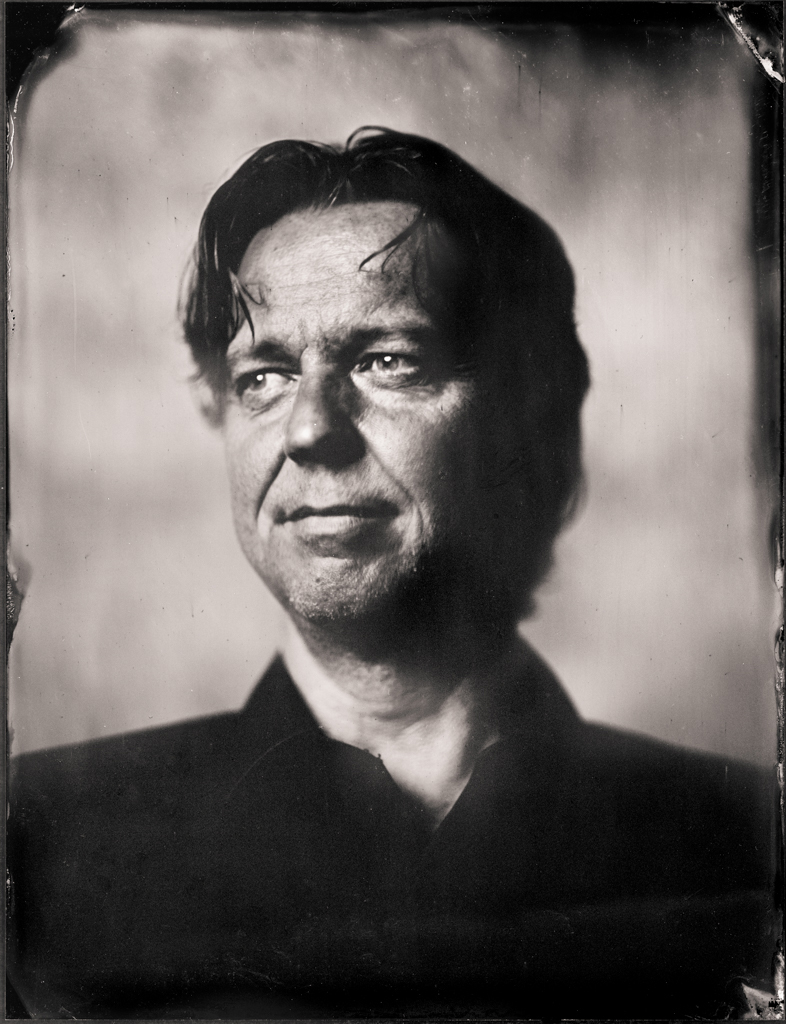
Few figures in cue sports have built a life around the game as varied, accomplished and consequential as Sweden’s Henrik “Henke” Larsson. A six-time WPA world champion, one of Europe’s most decorated wheelchair pool players, entrepreneur, poolroom owner, entertainer, instructor, organizer and disability advocate, Larsson has spent more than three decades proving that pool can be far more than competition. For him, it has been a pathway to independence, friendship, livelihood, personal growth and, increasingly, an opportunity to create those same possibilities for others. Predator lists him as a six-time world champion, 20-time Swedish champion and holder of a 97-ball straight-pool high run from a wheelchair.
Born in southern Sweden on November 16, 1971, Larsson lost movement in his legs during infancy after a benign hemangioma grew within his spinal cord. He grew up at a time when Swedish society offered far fewer accommodations for children with disabilities than it does today. Henrik recalls a childhood without automatic doors, accessible curbs or even appropriate wheelchairs for young children. Yet his parents made a conscious decision not to treat him as fundamentally different from his two older sisters. He was expected to make his bed, carry his plate and participate in family life, while being given considerable freedom to discover for himself what he could and could not do.
That upbringing helped produce the independence for which he later became known, although Henrik is candid that childhood was not simply an inspirational story. He remembers q… Read More